The Wine Harvest — History & Analysis
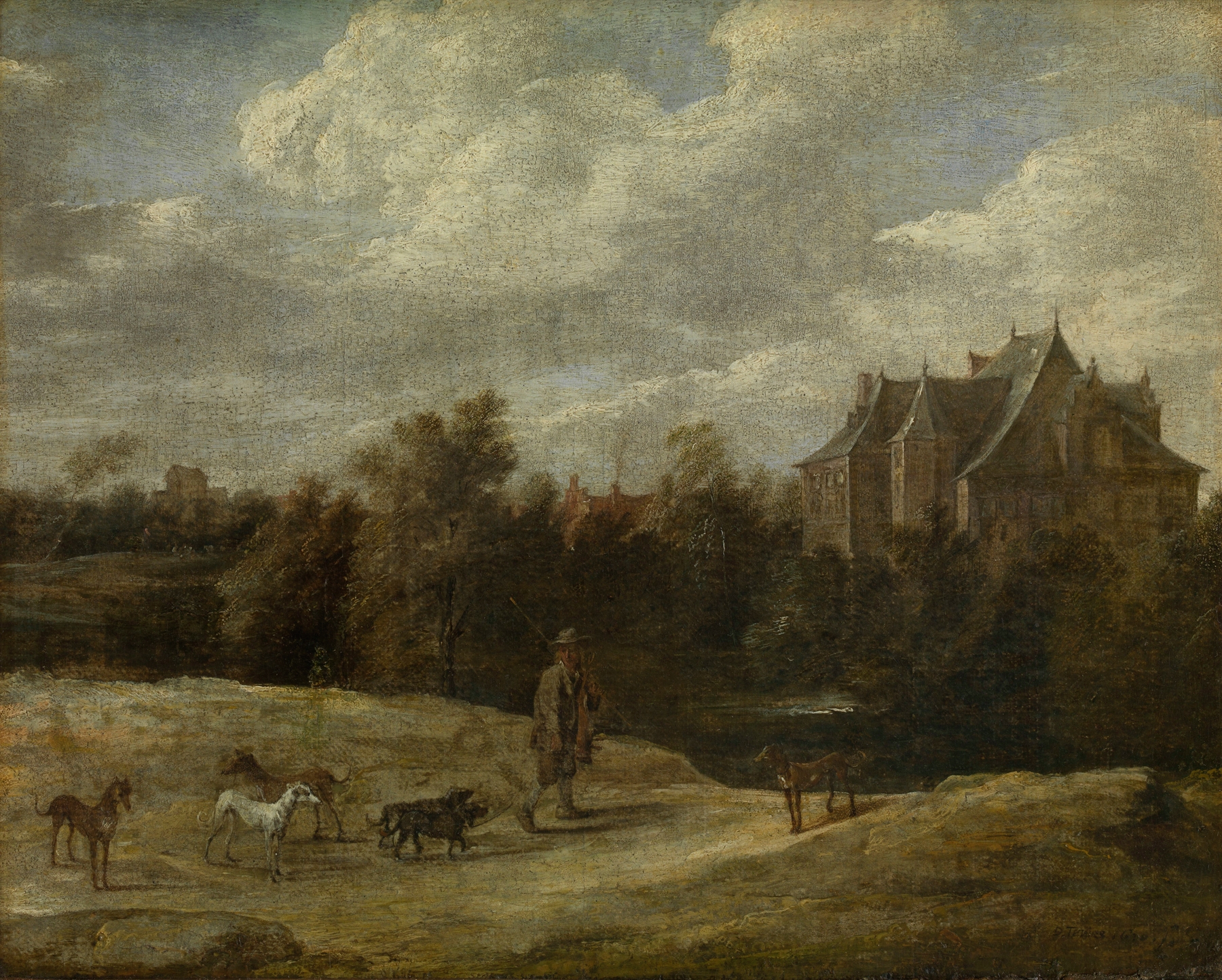
“To paint is to remember what time wants us to forget.” In a world that rushes forward, art becomes a vessel for preserving fleeting moments, capturing the essence of life as it ebbs and flows. Look closely at the foreground, where the figures are joyfully immersed in their task, their faces illuminated by the warm, golden light. The vineyard stretches behind them, a lush tapestry of greens and deep purples, hinting at the bountiful harvest. Notice how the artist employs rich, earthy tones to conjure an atmosphere of abundance and joy, with the gentle play of light creating a soft glow that envelops the workers like a comforting embrace.
Yet, amid this celebration lies a tension between labor and leisure, as the rhythm of harvest echoes the relentless passage of time. The tools scattered about speak of toil, while the carefree postures of the figures suggest a momentary escape from the burdens of their labor. Each detail, from the delicate leaves to the overflowing baskets, serves as a reminder of the cycle of life — a balance between enjoyment and effort, mirroring the bittersweet nature of existence.
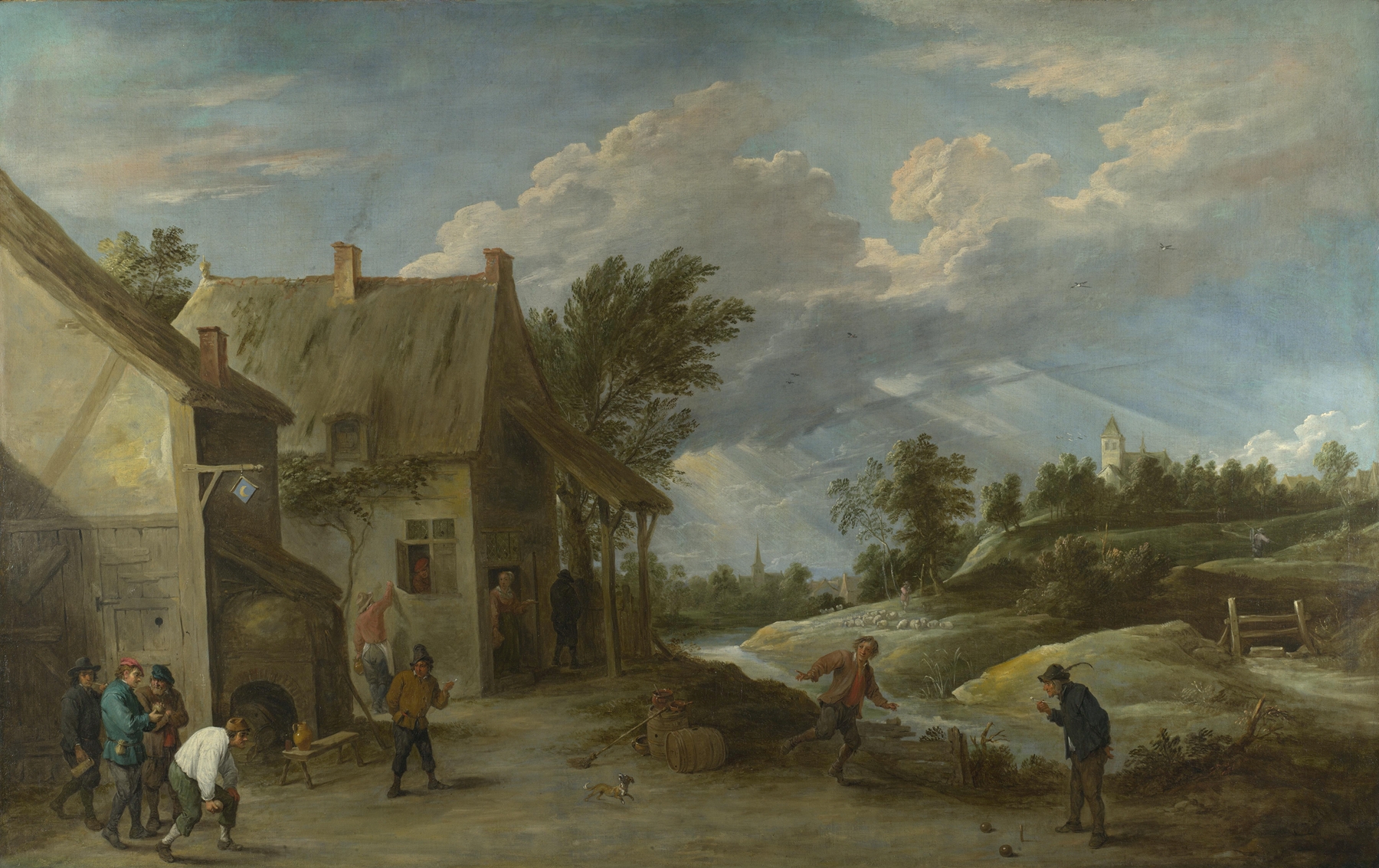
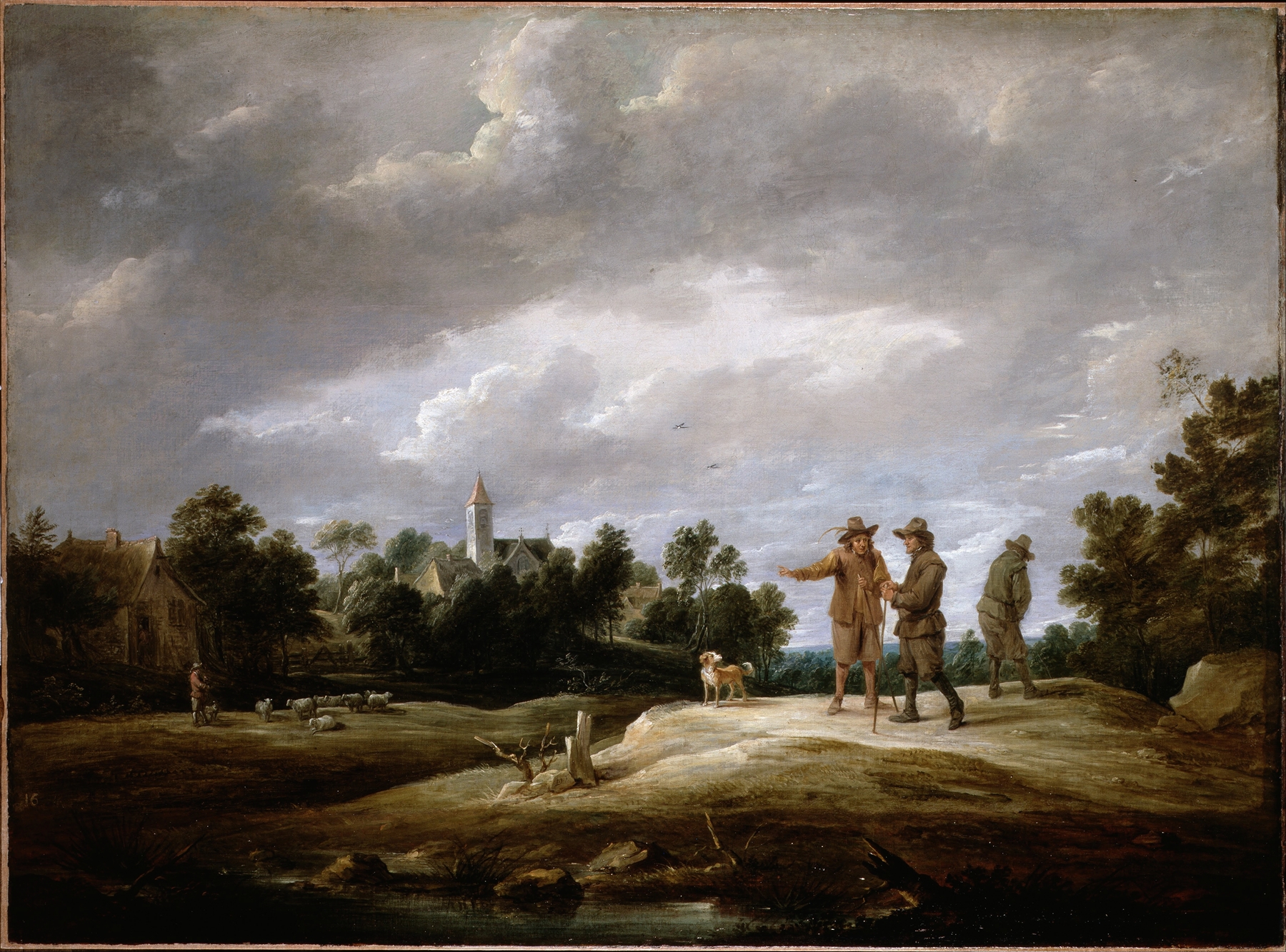
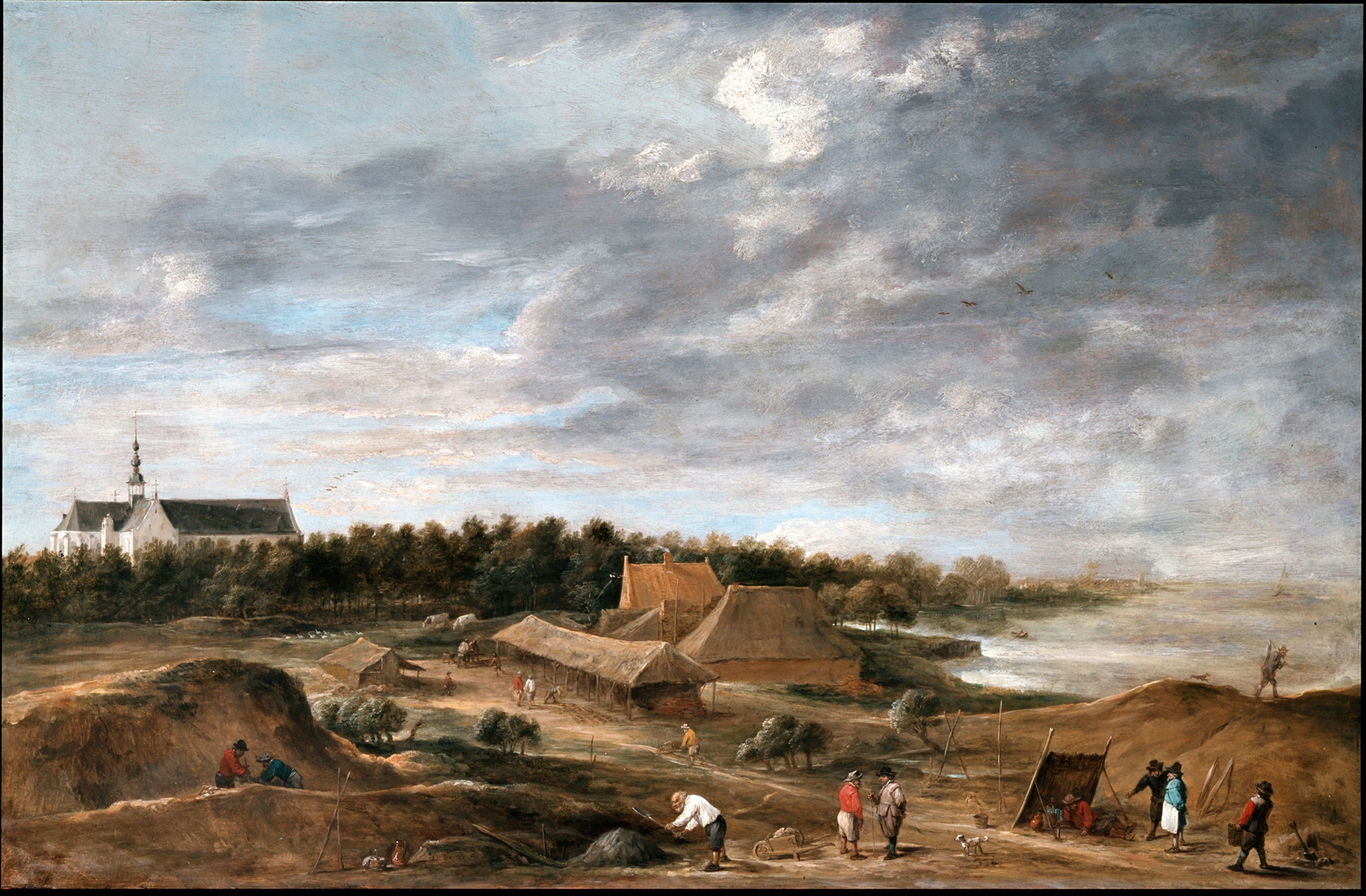
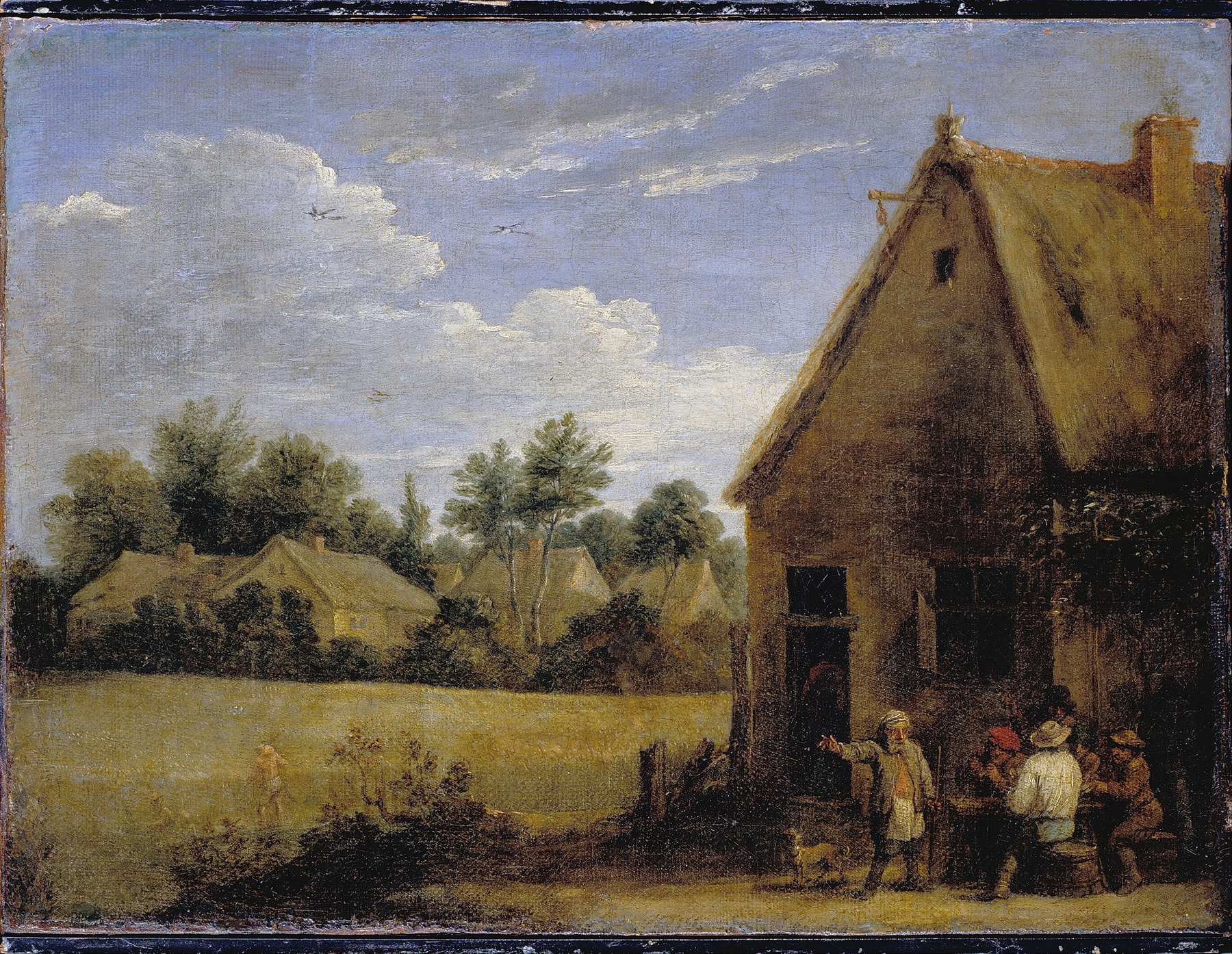
David Teniers the Younger painted this piece during the 17th century, a time when the Northern European art scene thrived with an interest in genre scenes and landscapes. Working in Antwerp, he became known for his ability to blend realism with vivid color, reflecting the social dynamics and agricultural practices of his time. This painting, like many others, illustrates not only the joy of harvest but also an enduring relationship with nature and labor, resonating through the ages.