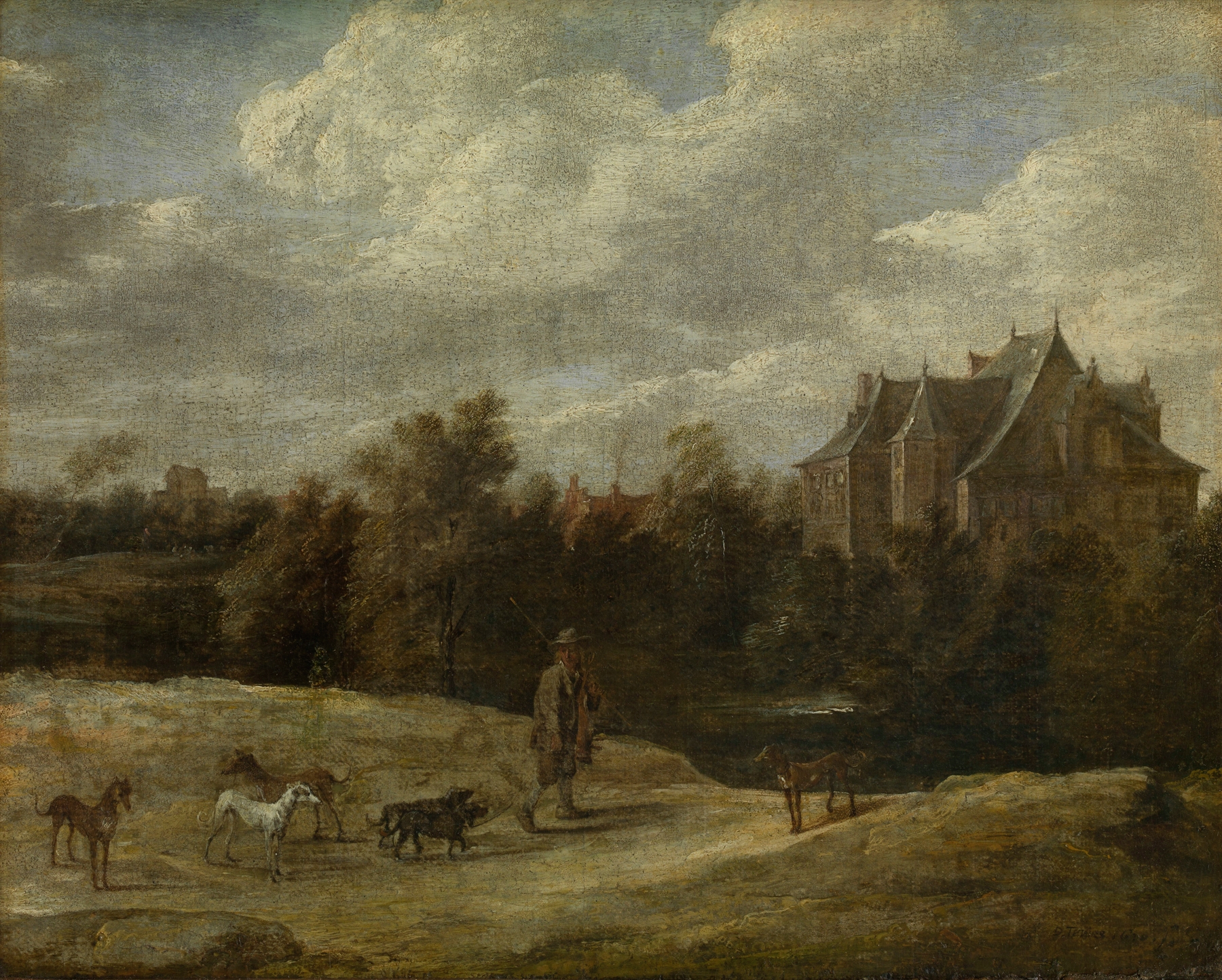
Brickmakers near Hemiksem — History & Analysis
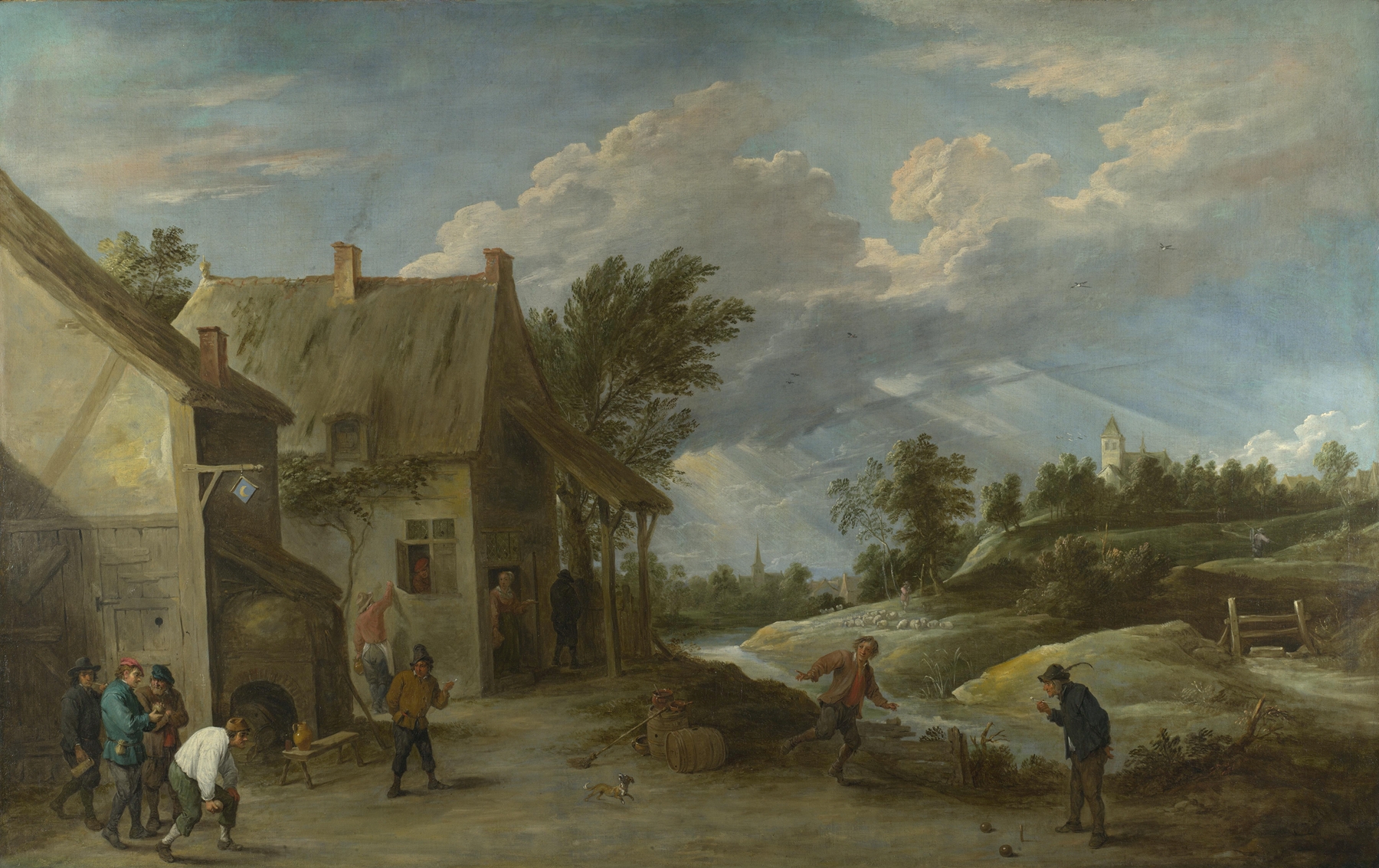
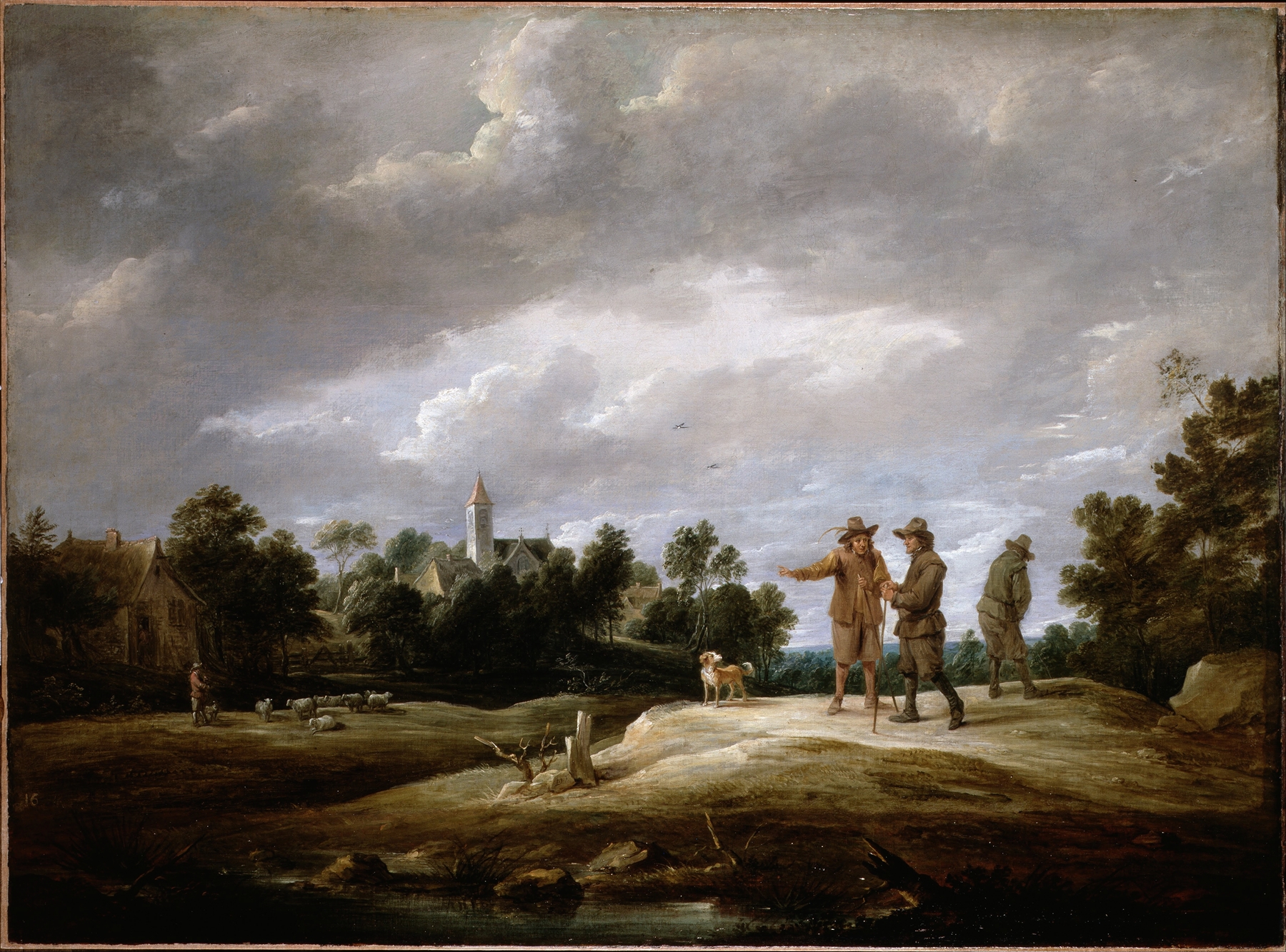
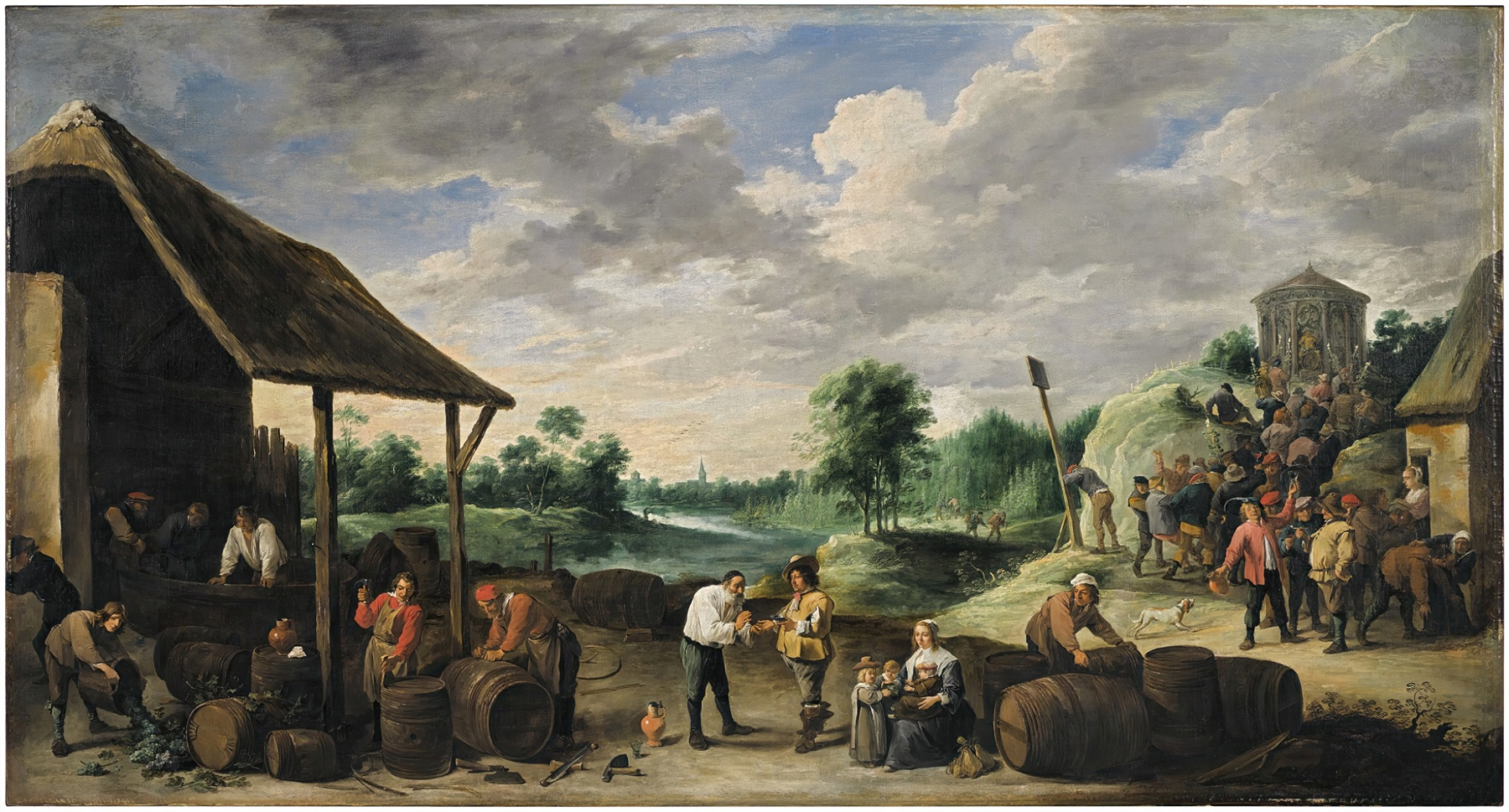
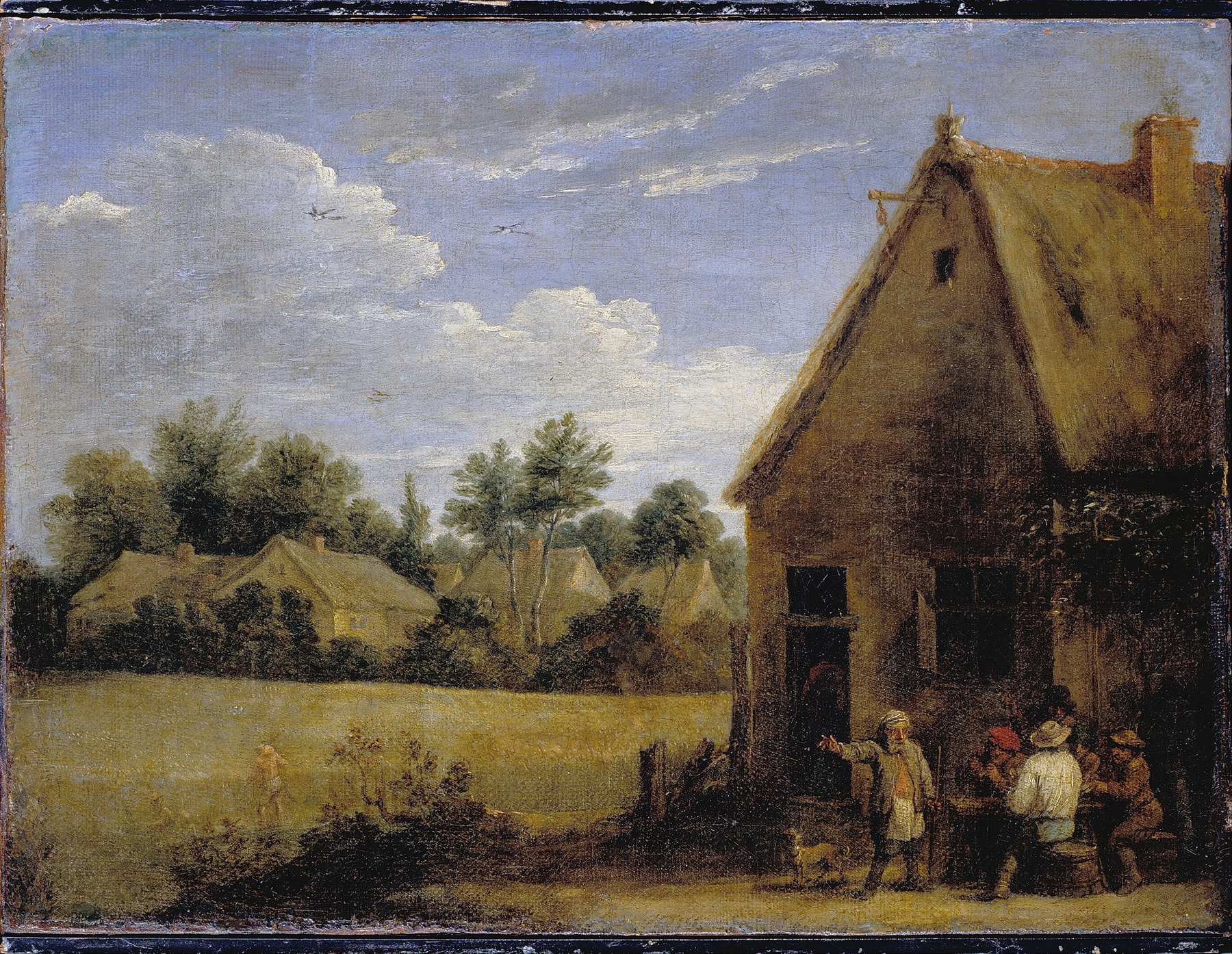
Can paint confess what words never could? The rhythm of labor breathes life into the canvas, capturing the essence of human toil as hands mold clay into bricks, each gesture a testament to perseverance. Look to the left at the figure bent over, diligently working the rich, dark earth. The interplay of light and shadow highlights the contours of their muscular hands, while the subtle palette of earthy tones—itself a work of art—evokes a sense of grounding.
Notice how the scattered tools and half-formed bricks lay strewn about, invoking a moment of stillness amidst the chaos of labor, each detail meticulously rendered to draw the viewer into this industrious world. Beneath the surface, the painting contrasts the serenity of nature with the intensity of manual labor. The lush green background speaks to life and growth, yet the figures are immersed in a world defined by sweat and effort. This juxtaposition reflects the tension between the natural and the man-made, inviting viewers to ponder the cycle of creation and the true cost of progress.
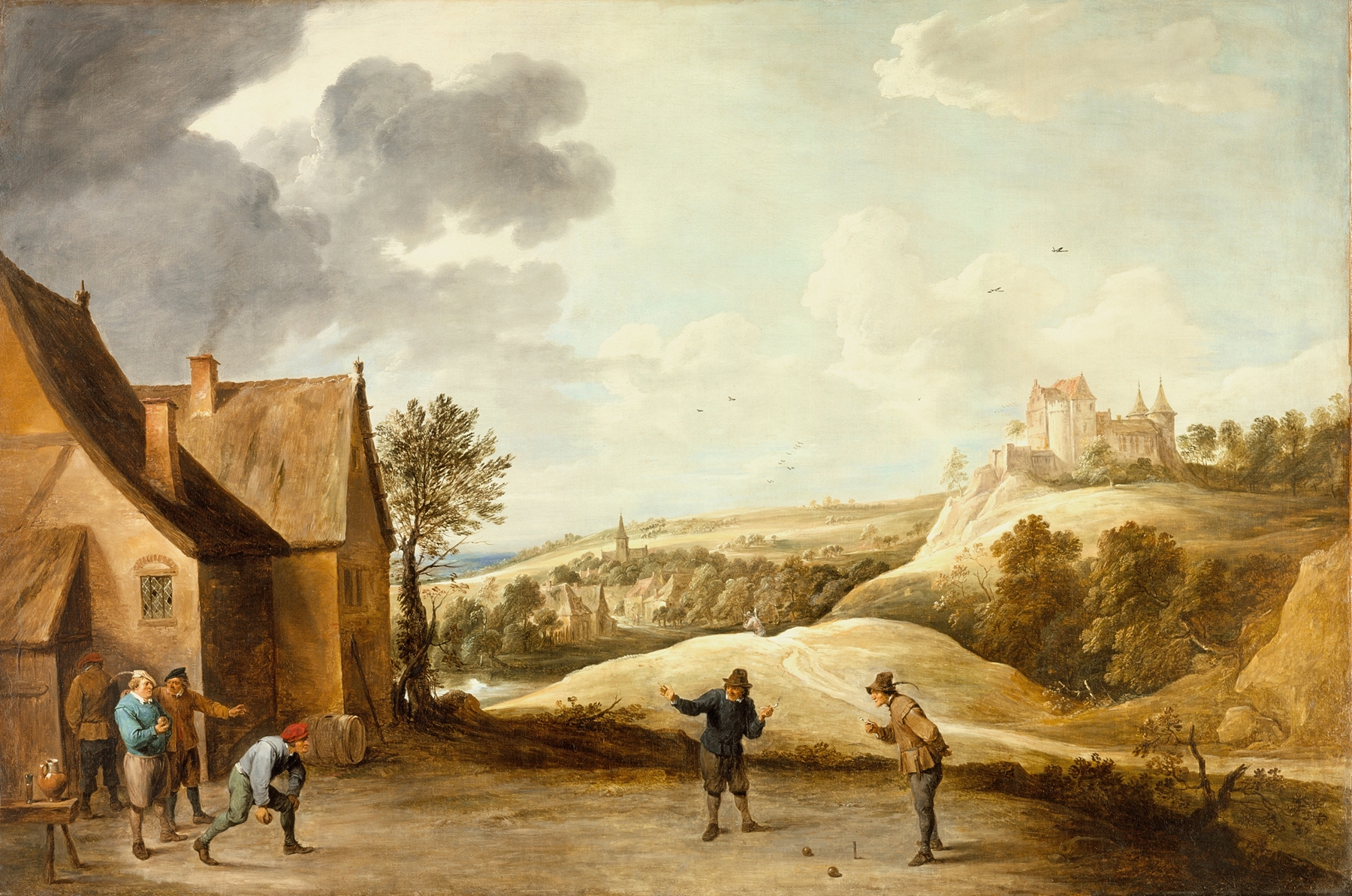
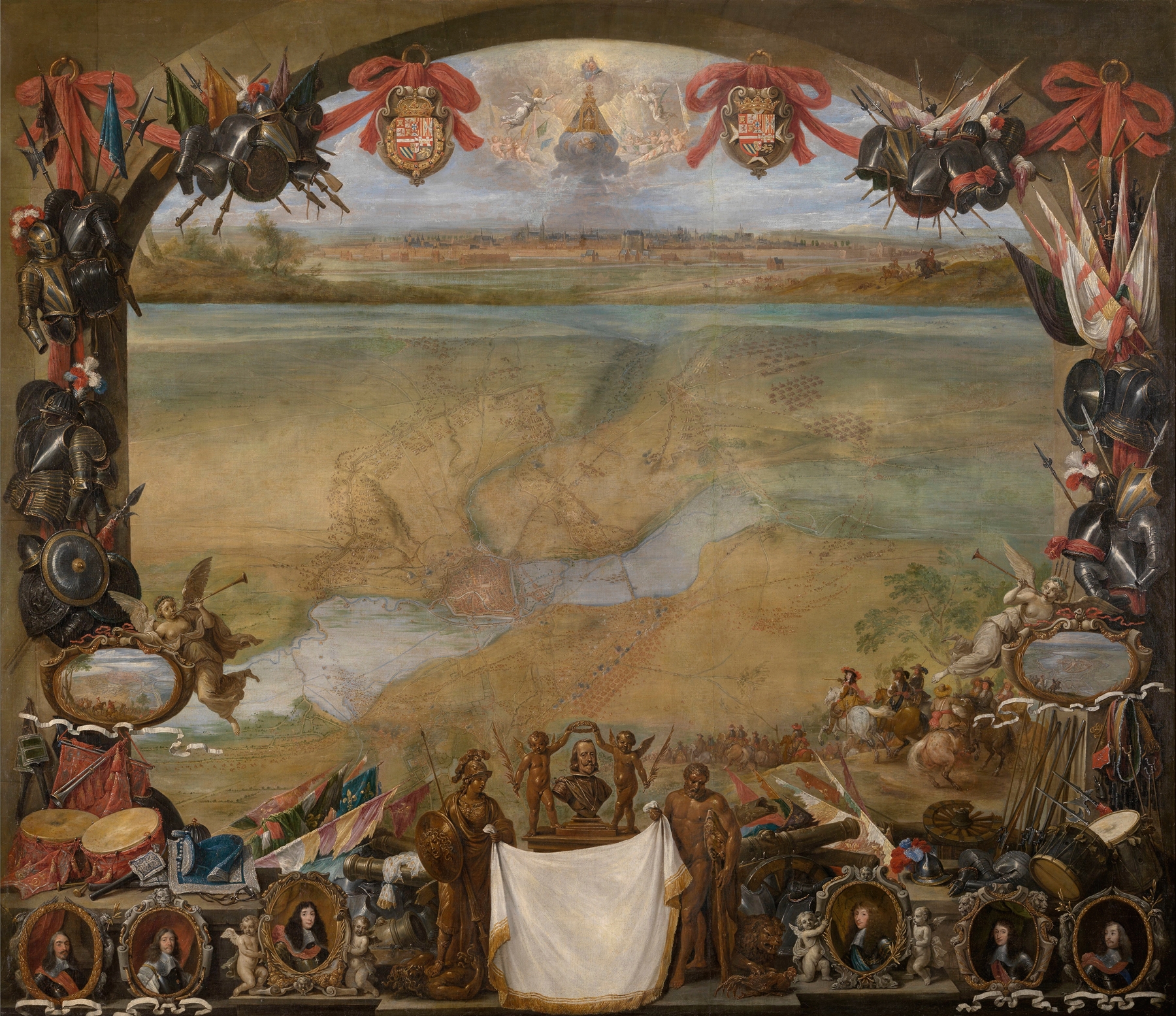
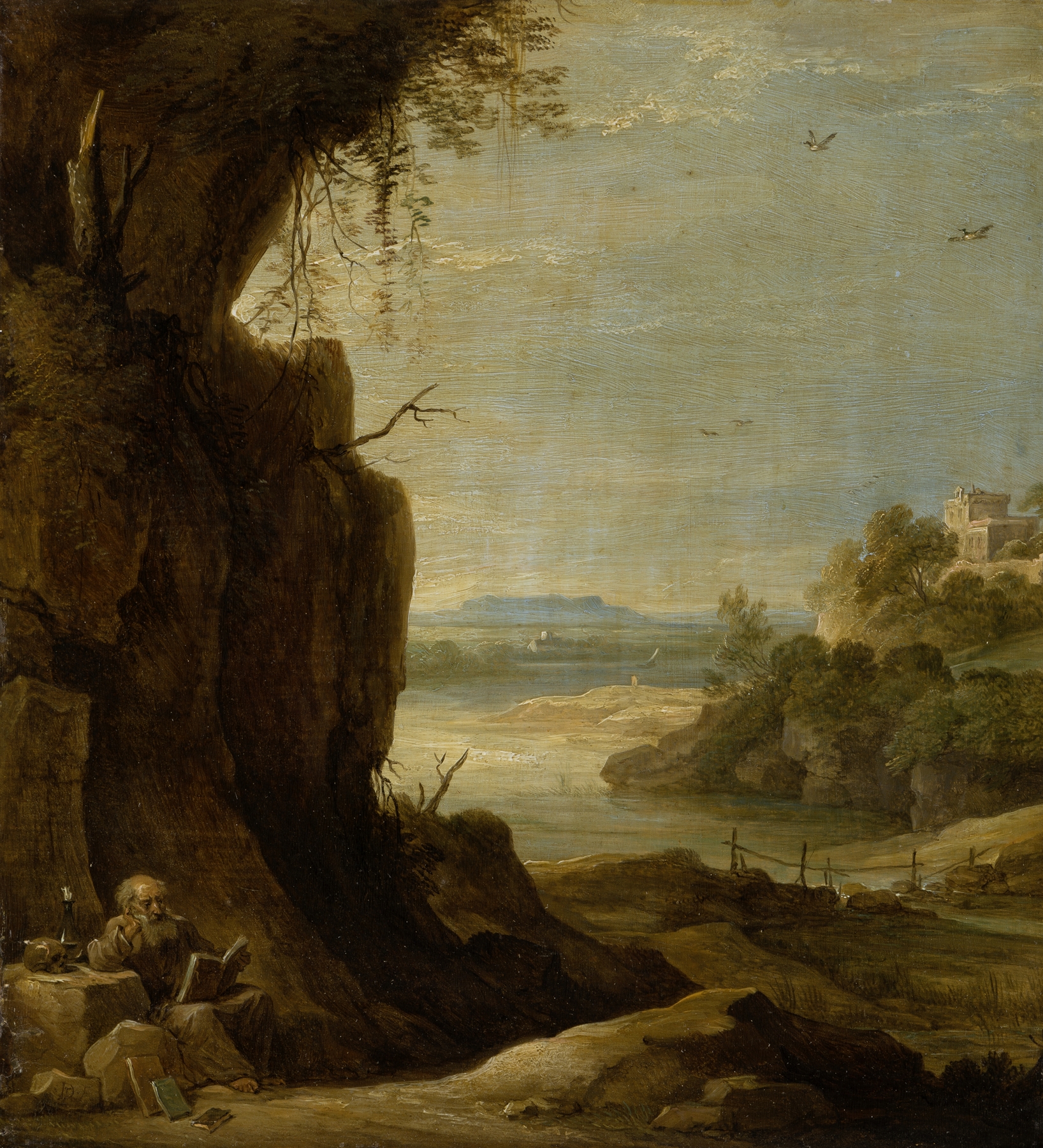
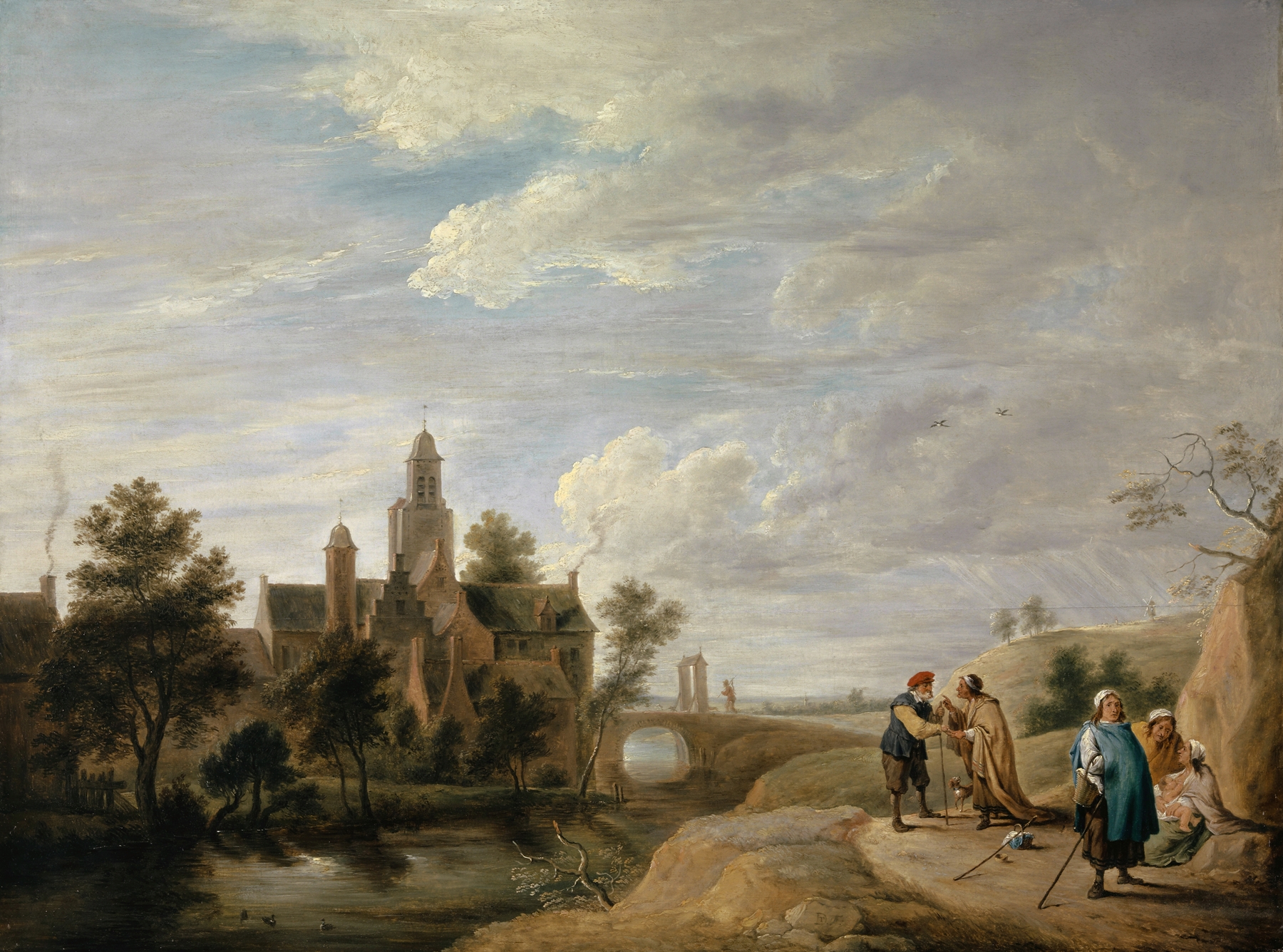
The movement of the workers, their bodies captured in mid-action, pulsates with vitality, suggesting that every brick forged is a building block both literal and metaphorical. David Teniers the Younger painted this piece during a vibrant period in the 17th century, known for its flourishing artistic expression in Northern Europe. This era saw a growing interest in genre scenes that highlighted everyday life, and Teniers was deeply engaged in portraying the landscapes and laborers of his homeland. While the exact date of this artwork remains unknown, it reflects his dedication to exploring themes of work and the human spirit against the backdrop of his contemporary society.