Landscape with Staffage Figures — History & Analysis
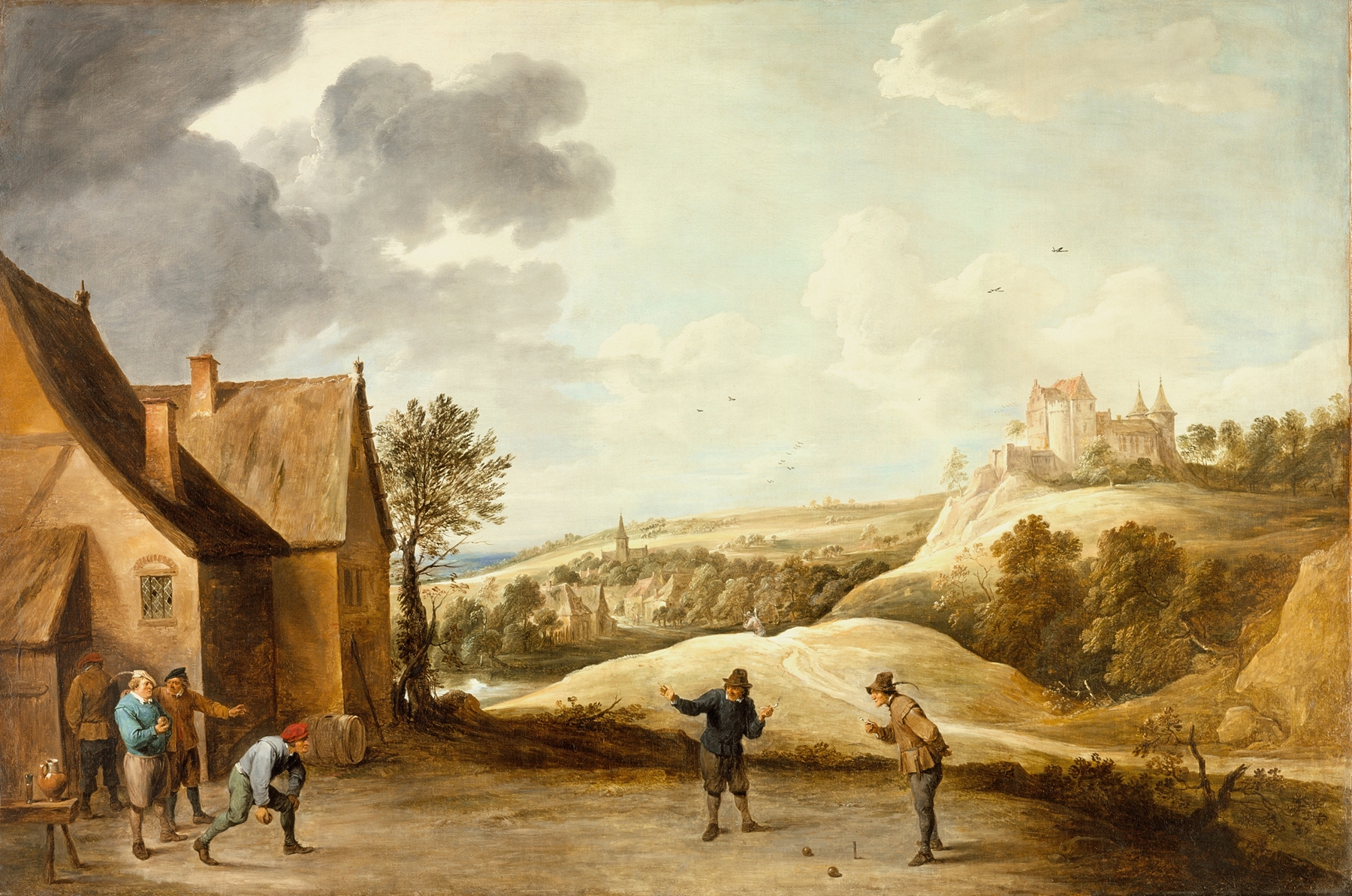
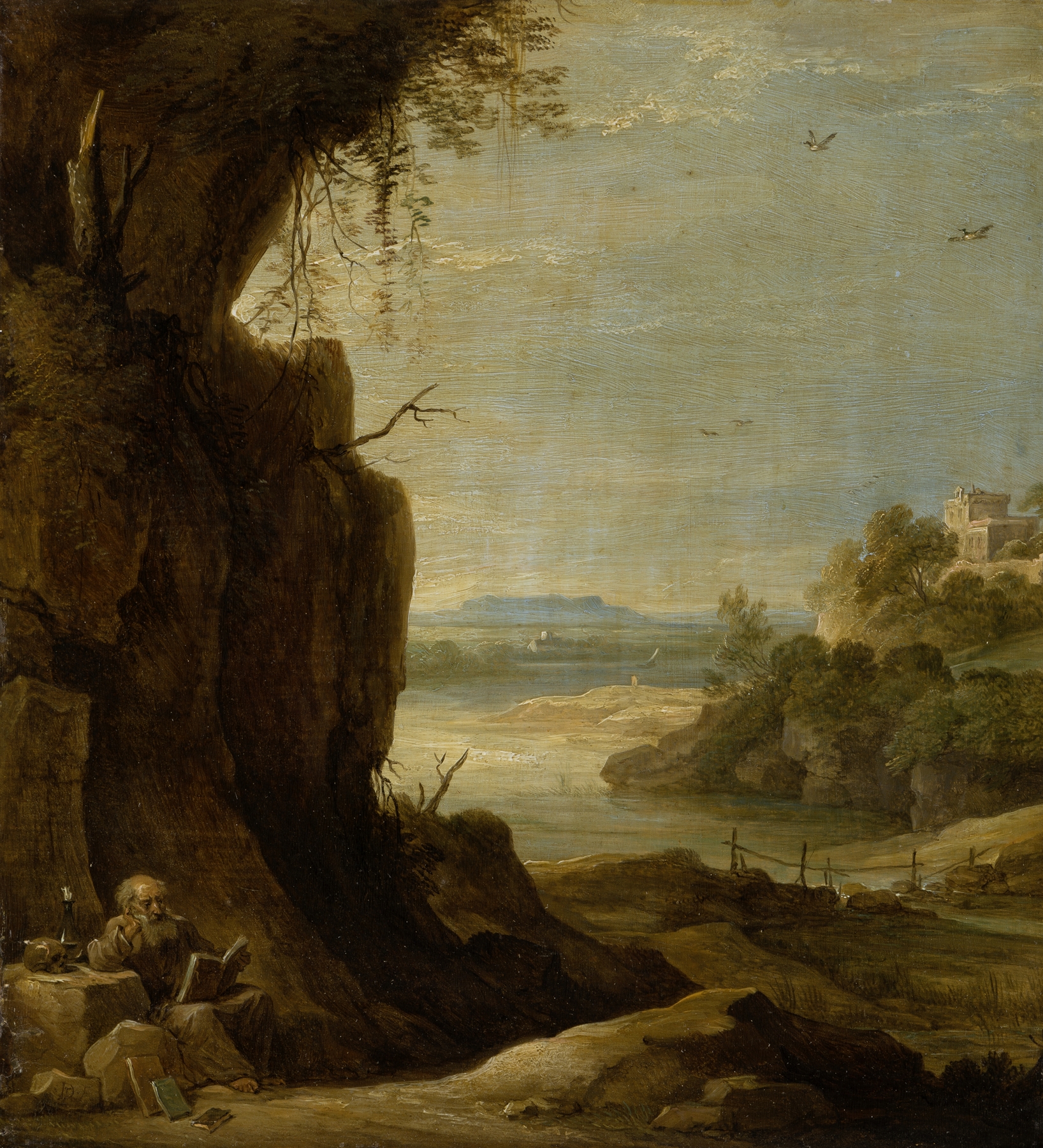
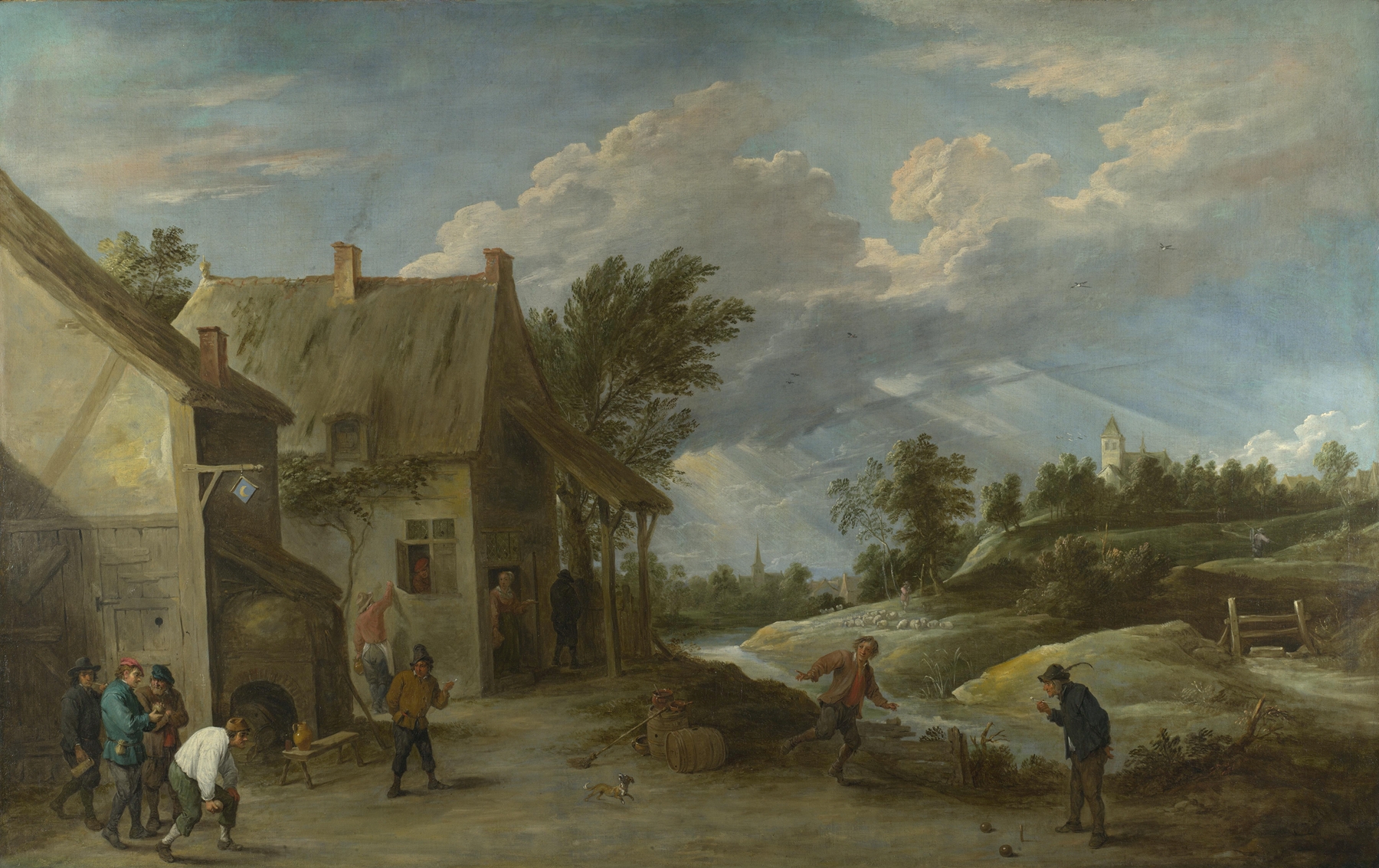
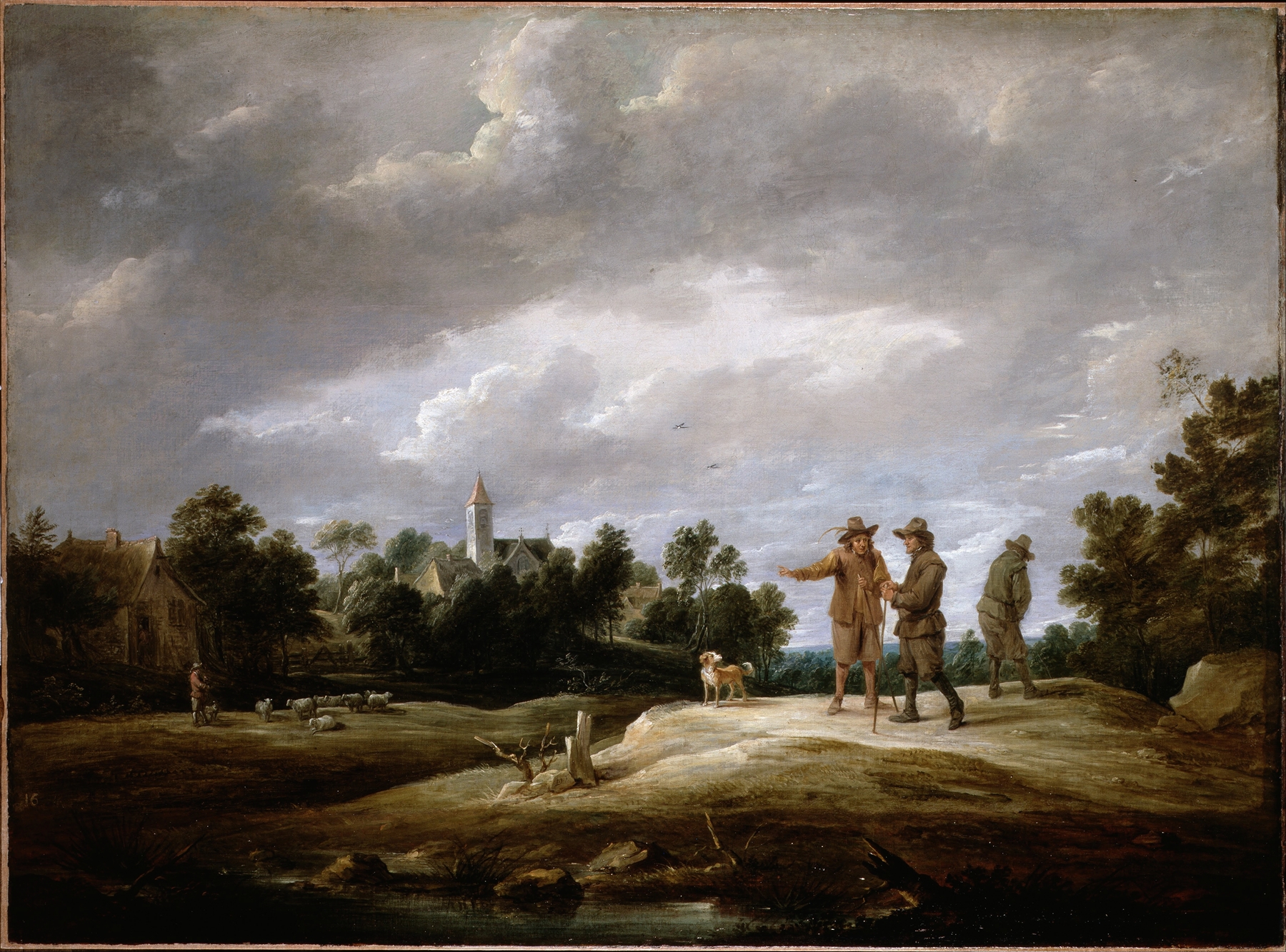
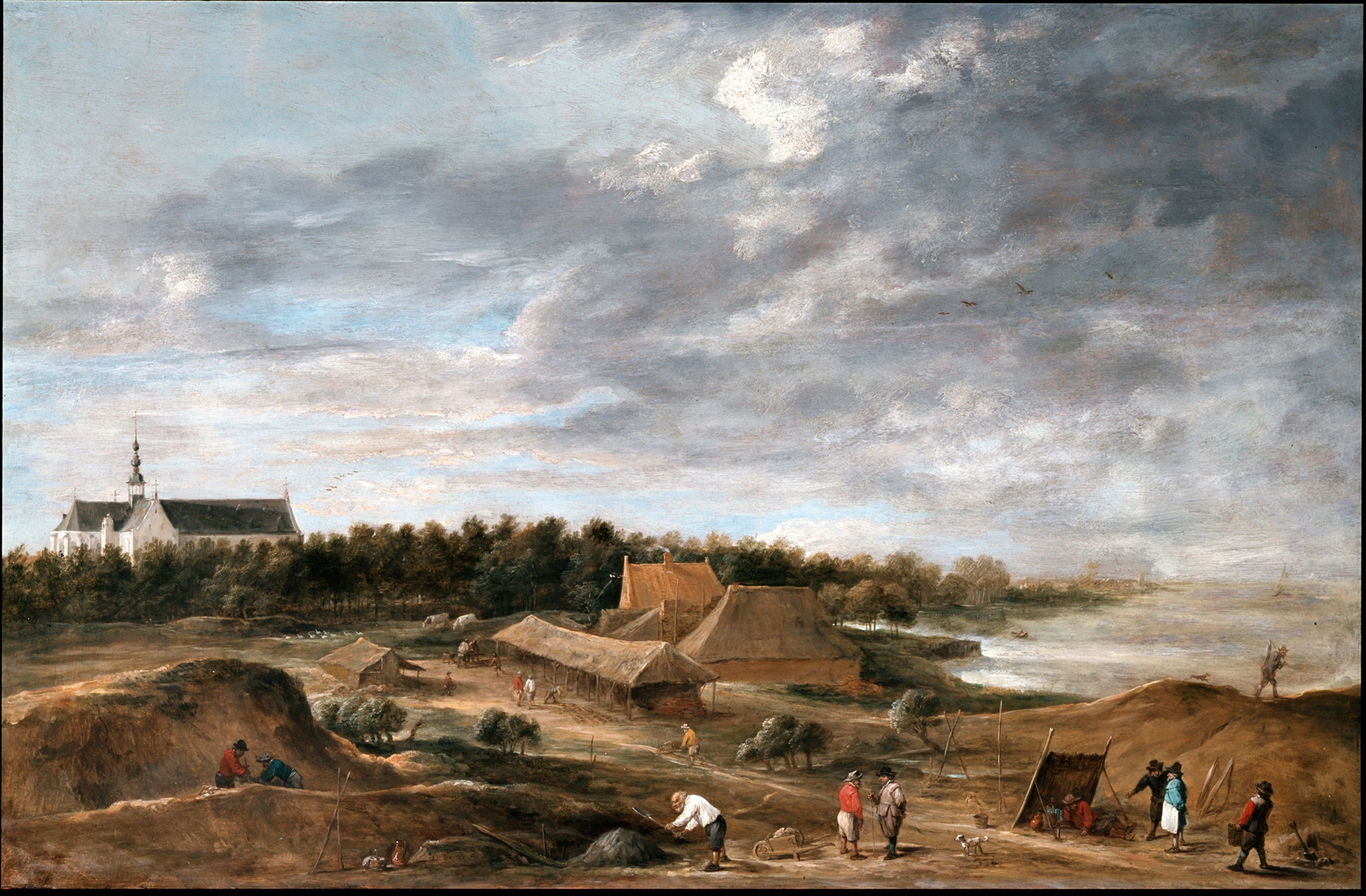
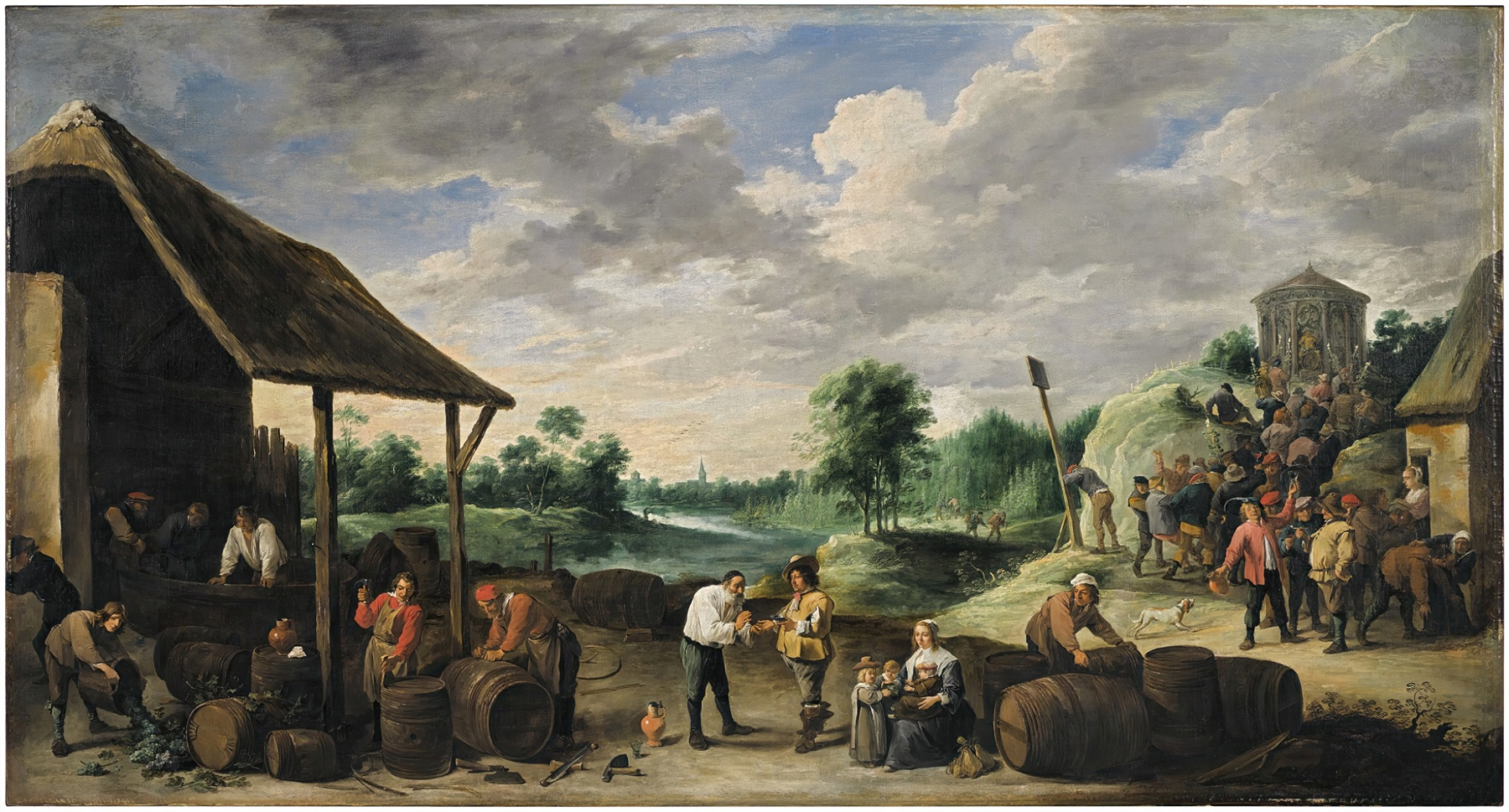
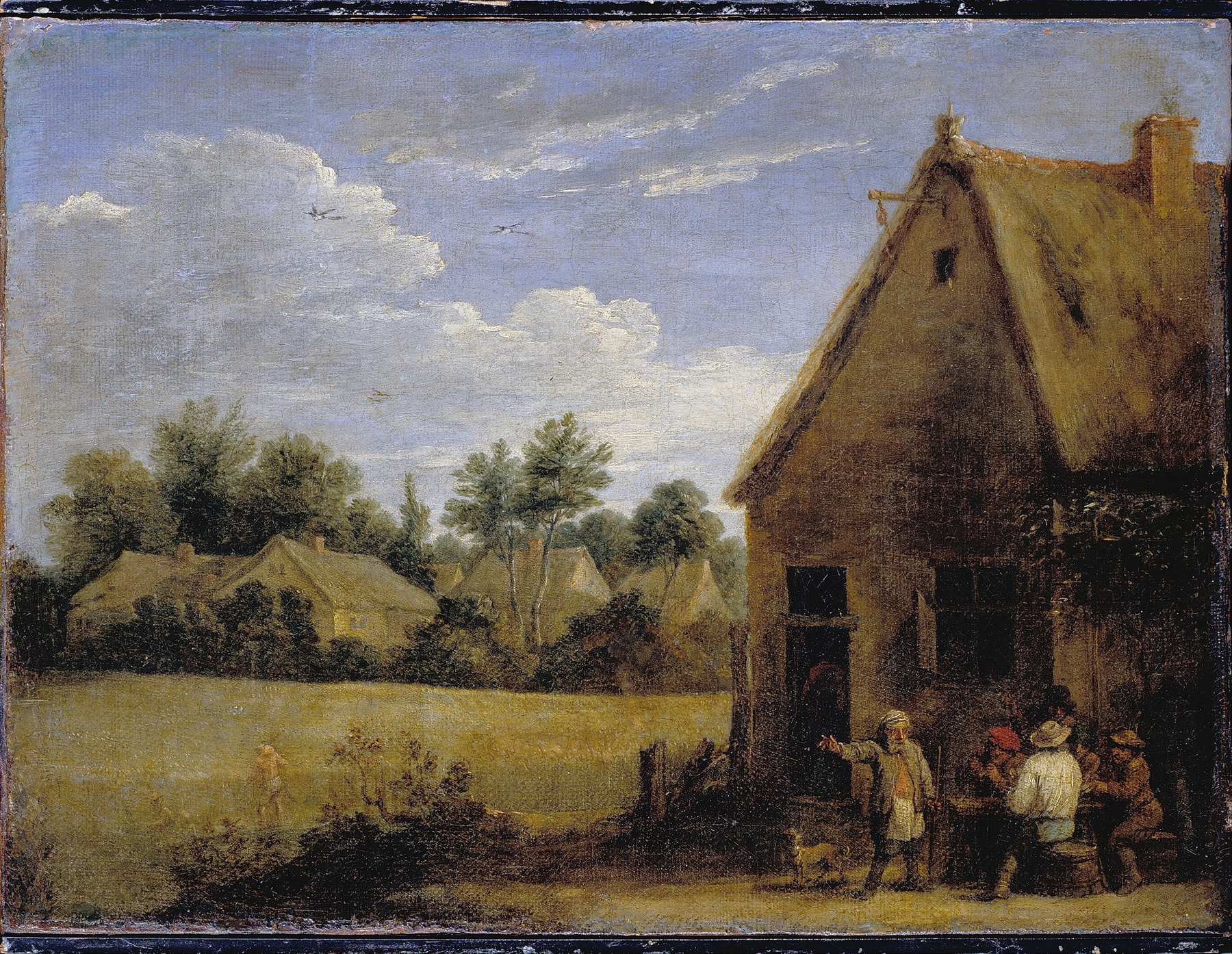
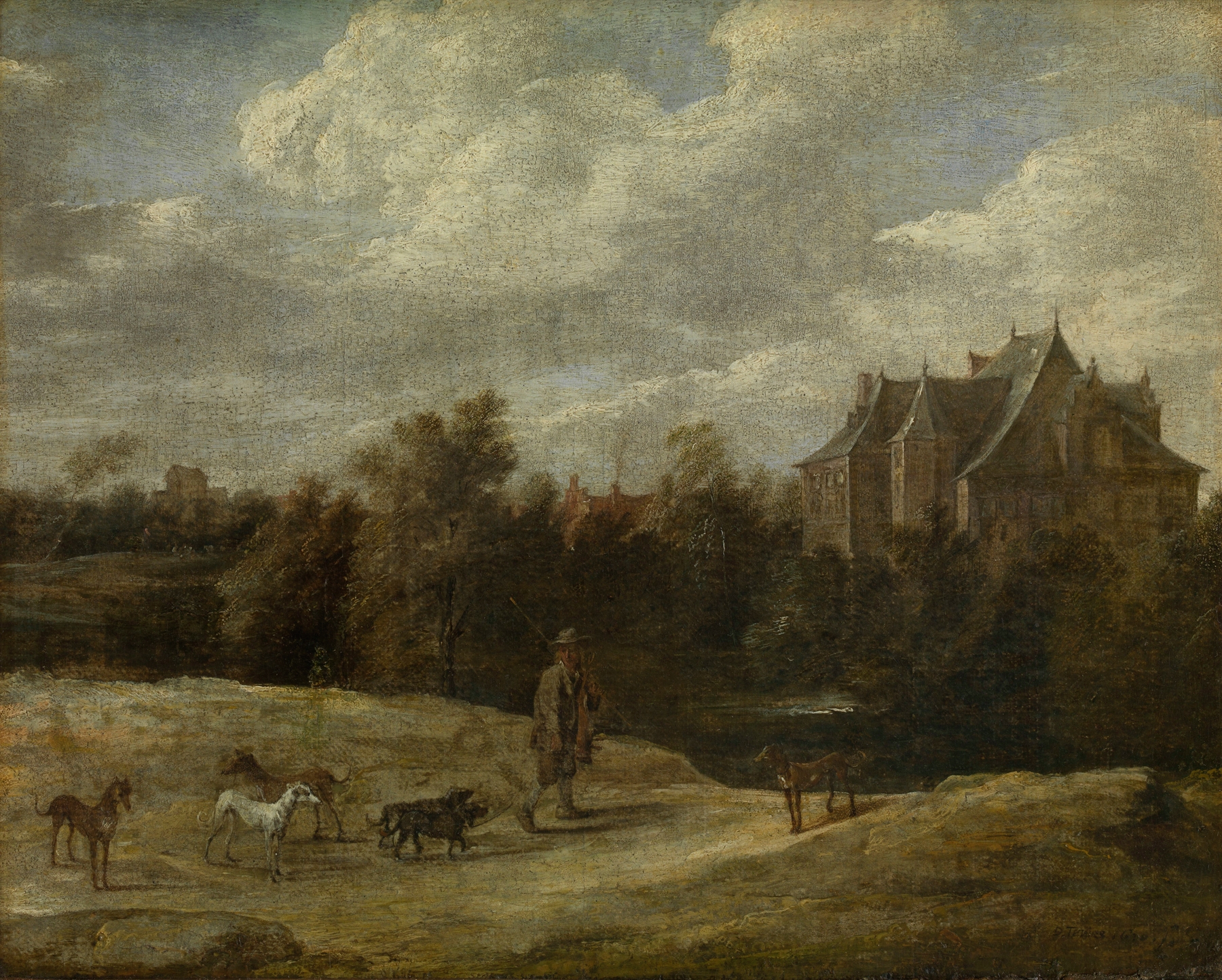
Who listens when art speaks of silence? In David Teniers the Younger’s Landscape with Staffage Figures, the stillness of the scene invites contemplation, drawing the viewer into a world filled with both serenity and subtle narratives. Look to the lower right at the gentle curve of the river, where figures pause in their tasks, their postures reflecting a quiet engagement with their surroundings. The soft greens and browns of the landscape are punctuated by splashes of color, as villagers in vibrant garments navigate the tapestry of nature.
Notice how the light dances across the leaves, illuminating the gentle contours of the hills and casting elongated shadows that anchor the figures in a delicate balance, creating a harmonious interplay between man and nature. In this painting, contrasts abound: the vibrancy of human life against the eternal backdrop of the landscape, the transient moments captured within the timelessness of the scenery. The figures, though small, hold a significance that hints at stories untold, as if they embody the essence of life itself amidst the grandeur of nature.
Their stillness is laden with emotion, suggesting not just a pause in their daily labor, but a shared moment of awe at the beauty surrounding them. During the years 1640 to 1650, Teniers painted this piece in Flanders, a time when the region was flourishing artistically, reflecting the Baroque movement's fascination with natural landscapes and daily life. As a leading figure in genre painting, Teniers sought to capture not just the external beauty of the world but also the intimate relationships between people and their environment, a vision that resonated deeply with the artistic currents of his time.