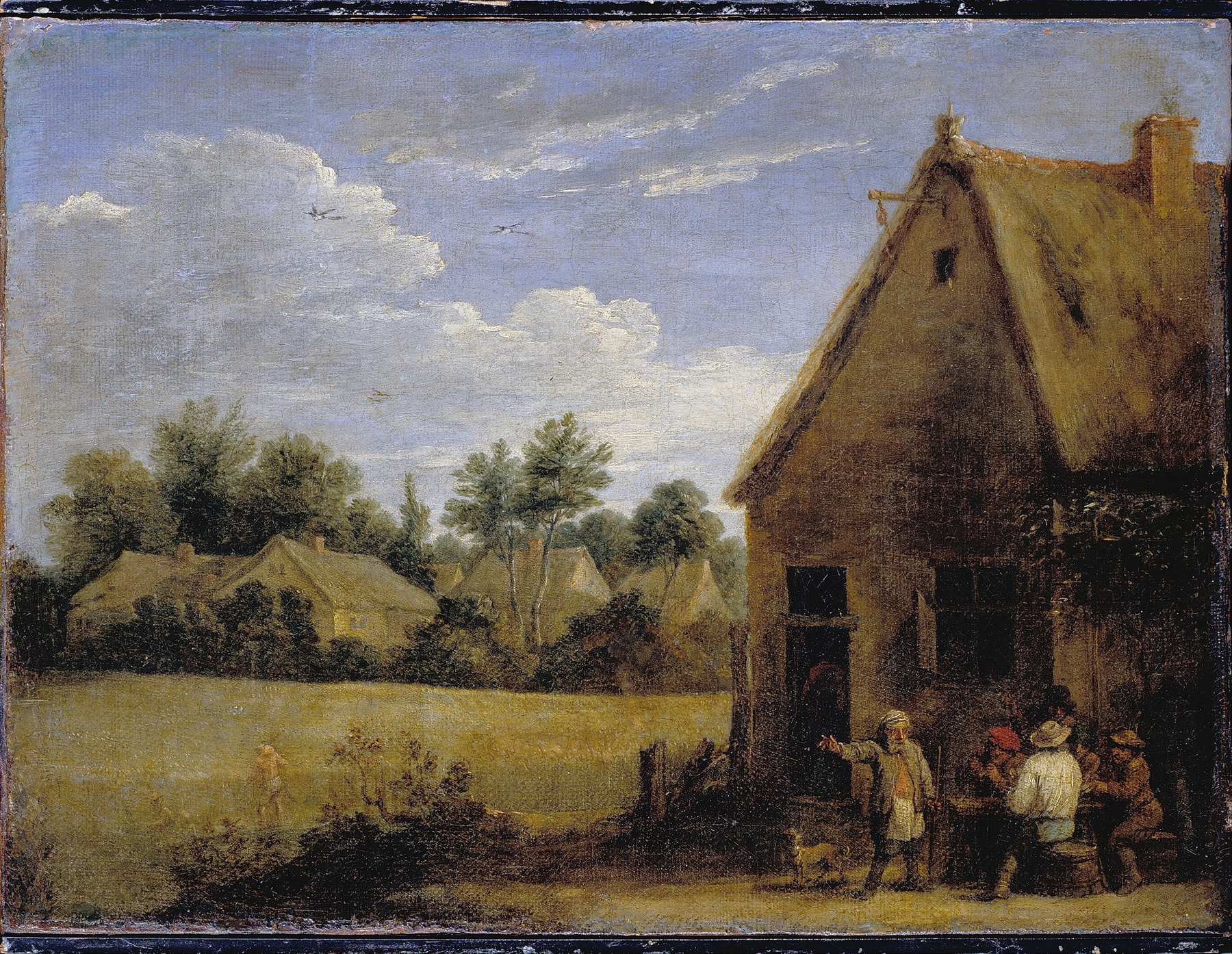
A Kermesse With Villagers Making Merry In A Town Square — History & Analysis
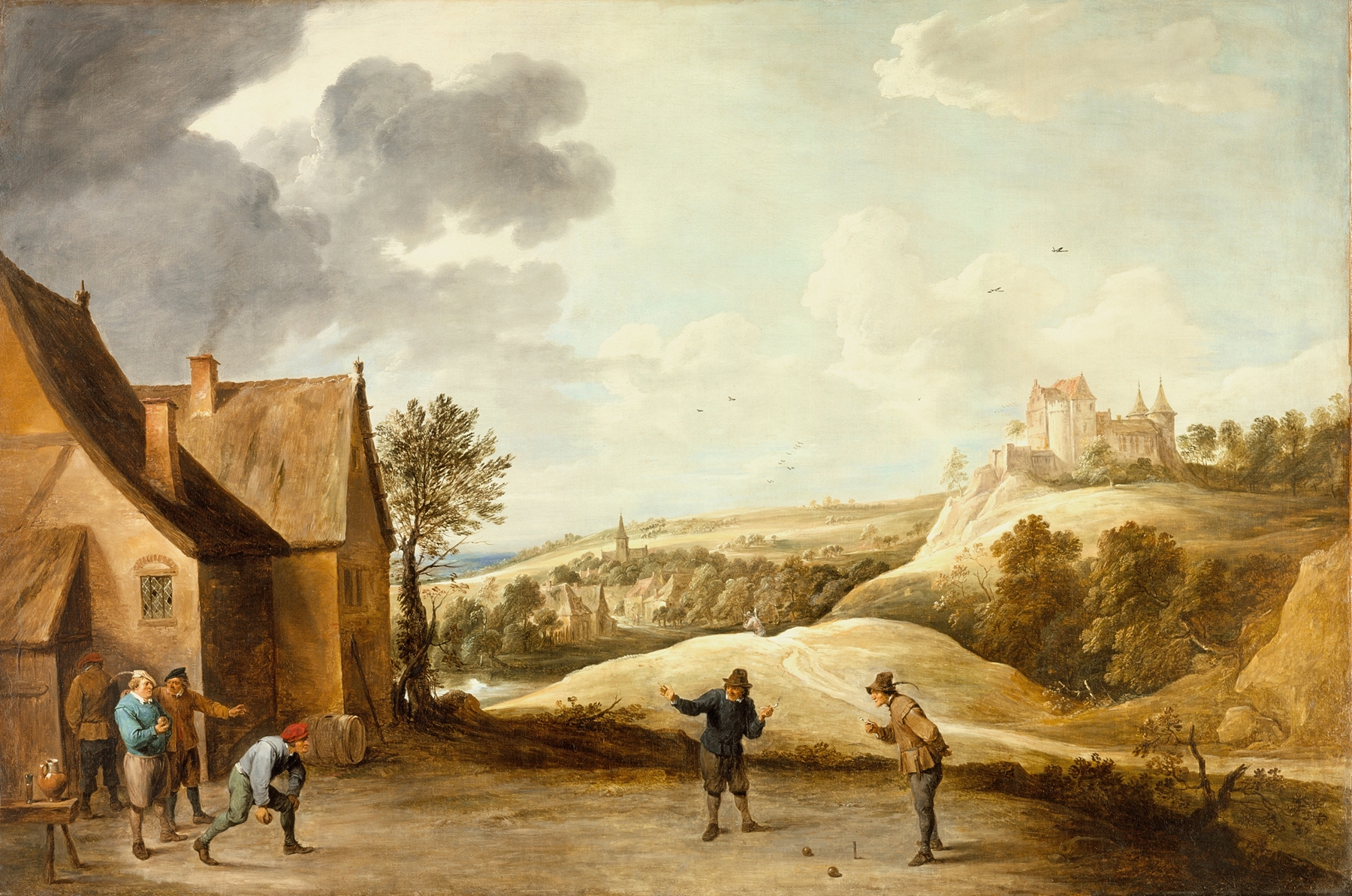
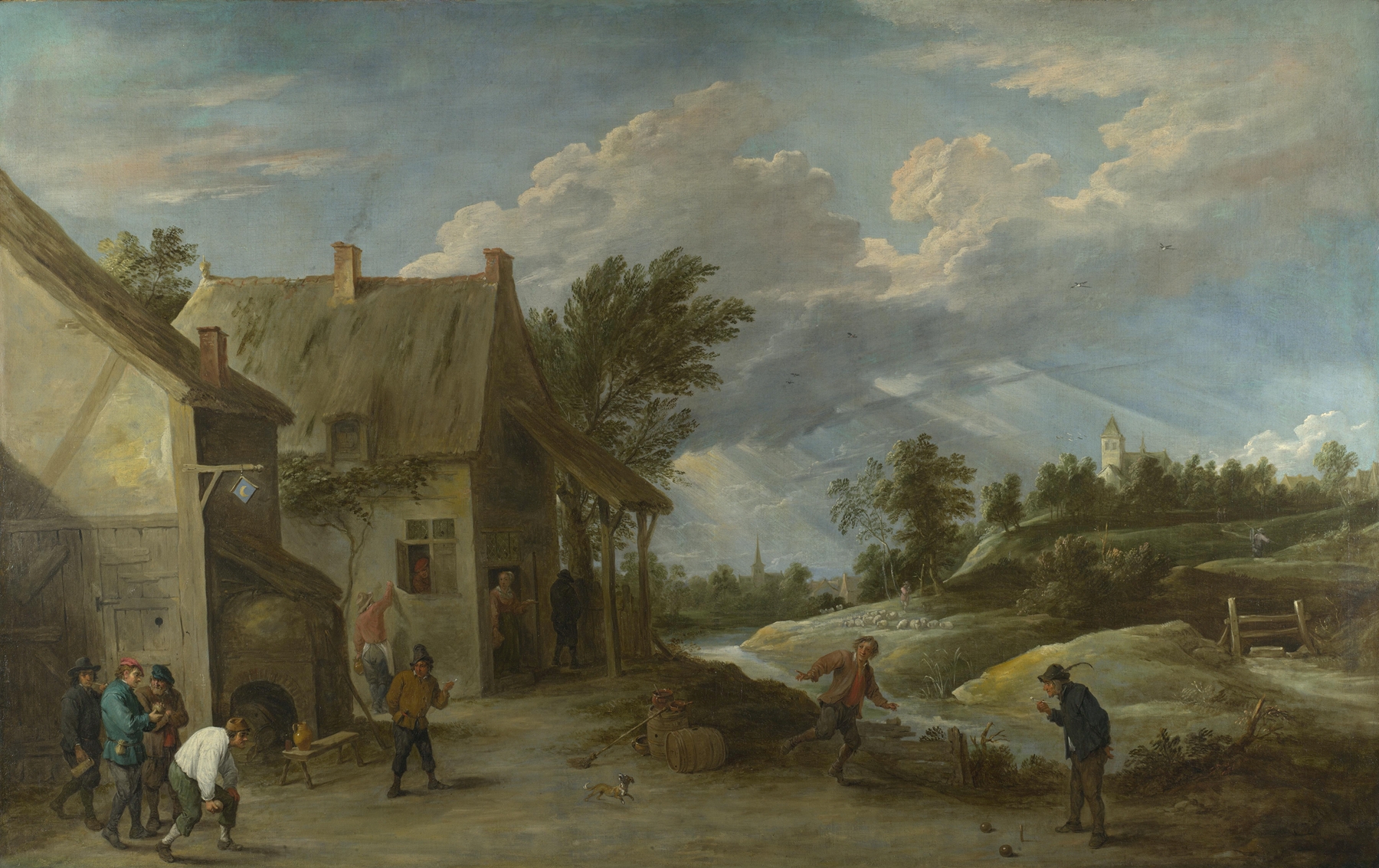
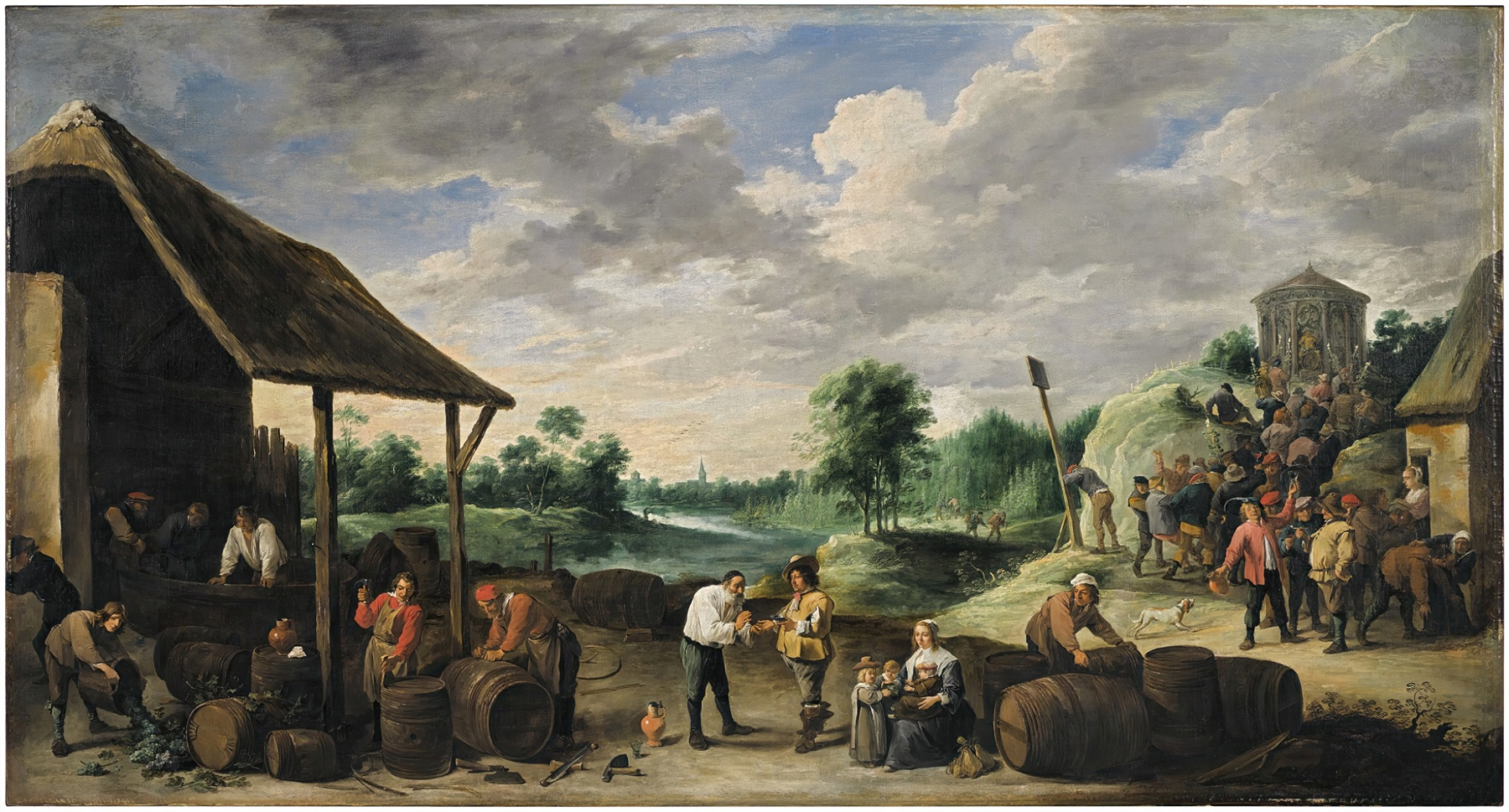
“Every brushstroke is a heartbeat remembered.” In a world painted with fleeting moments, how do we capture the essence of joy amidst the fragility of life? Look closely at the jubilant scene unfolding across the town square. Notice how vibrant colors dominate the canvas, the reds and yellows swirling together like laughter in the air. The merry villagers, with their expressive gestures, seem to dance as much as they drink.
The light, warm yet fleeting, cascades down from an unseen sun, illuminating pockets of revelry while casting long shadows that hint at the ephemeral nature of these shared moments. Amidst the celebration, hidden meanings emerge—a contrast between the carefree joy of the villagers and the somber undercurrents of life's transience. Each figure, lost in laughter, embodies the tension between revelry and the inevitable return to daily toil. The careful placement of a solitary figure in the background, gazing wistfully, invites contemplation of the fragility inherent in bliss, whispering that all joy is but a passing visitor in the human experience.
David Teniers the Younger painted this lively work during the mid-17th century, a time when the art of genre painting flourished in the Low Countries. As a notable figure in the court of Archduke Leopold Wilhelm in Brussels, Teniers often captured the vibrancy of peasant life. His works served not just as entertainments but as reflections of a society teetering between revelry and the stark realities of existence.