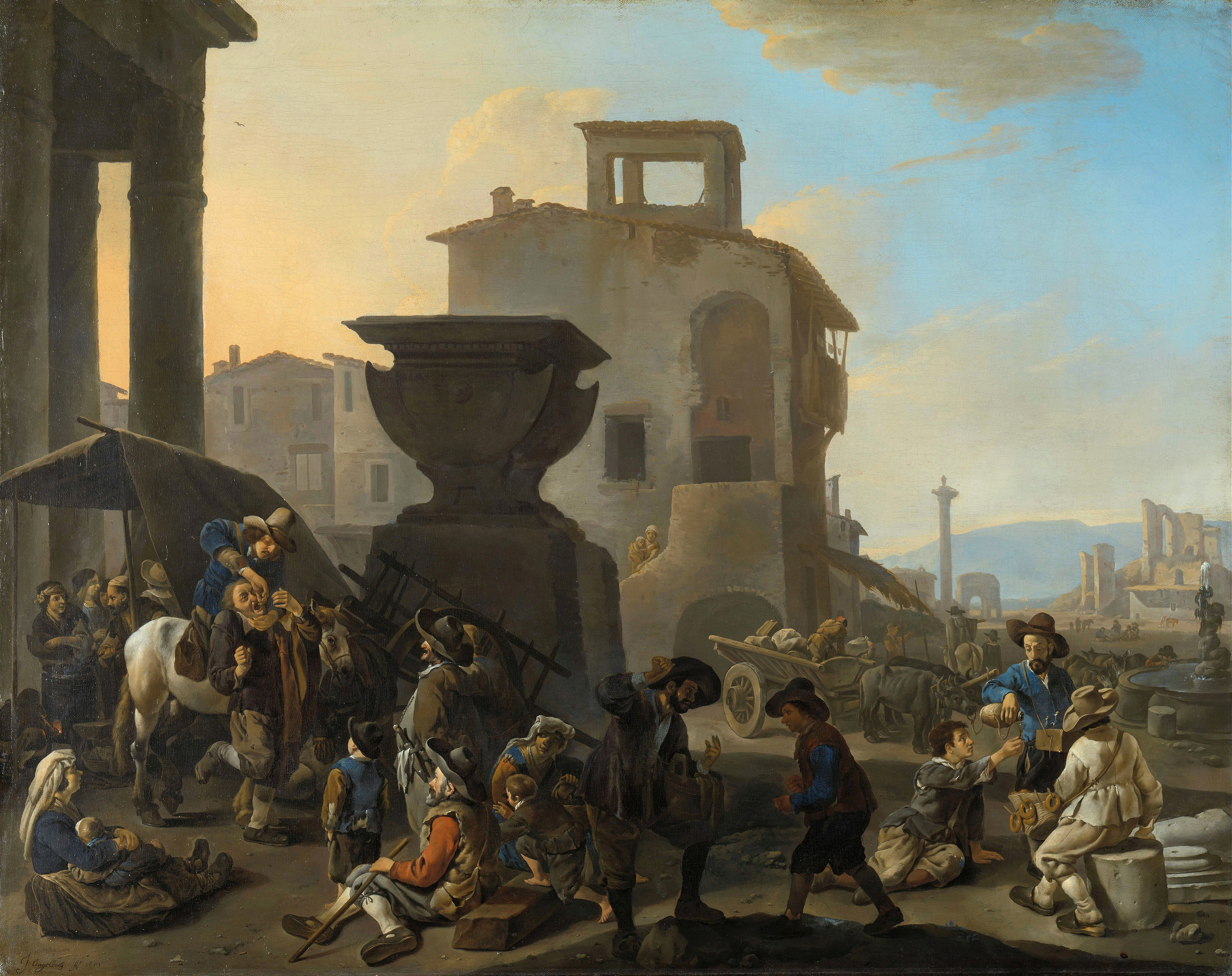
A military encampment, traditionally identified as the Siege of Antwerp — History & Analysis
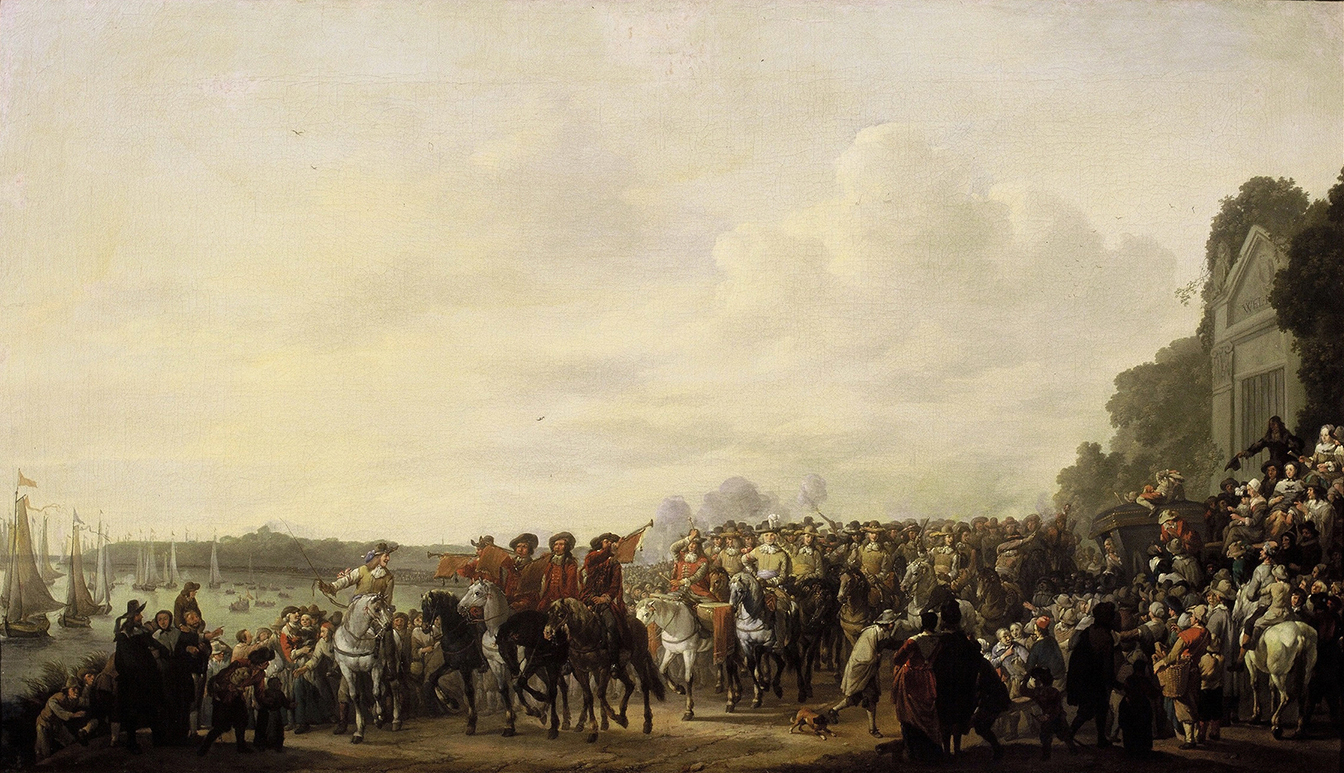
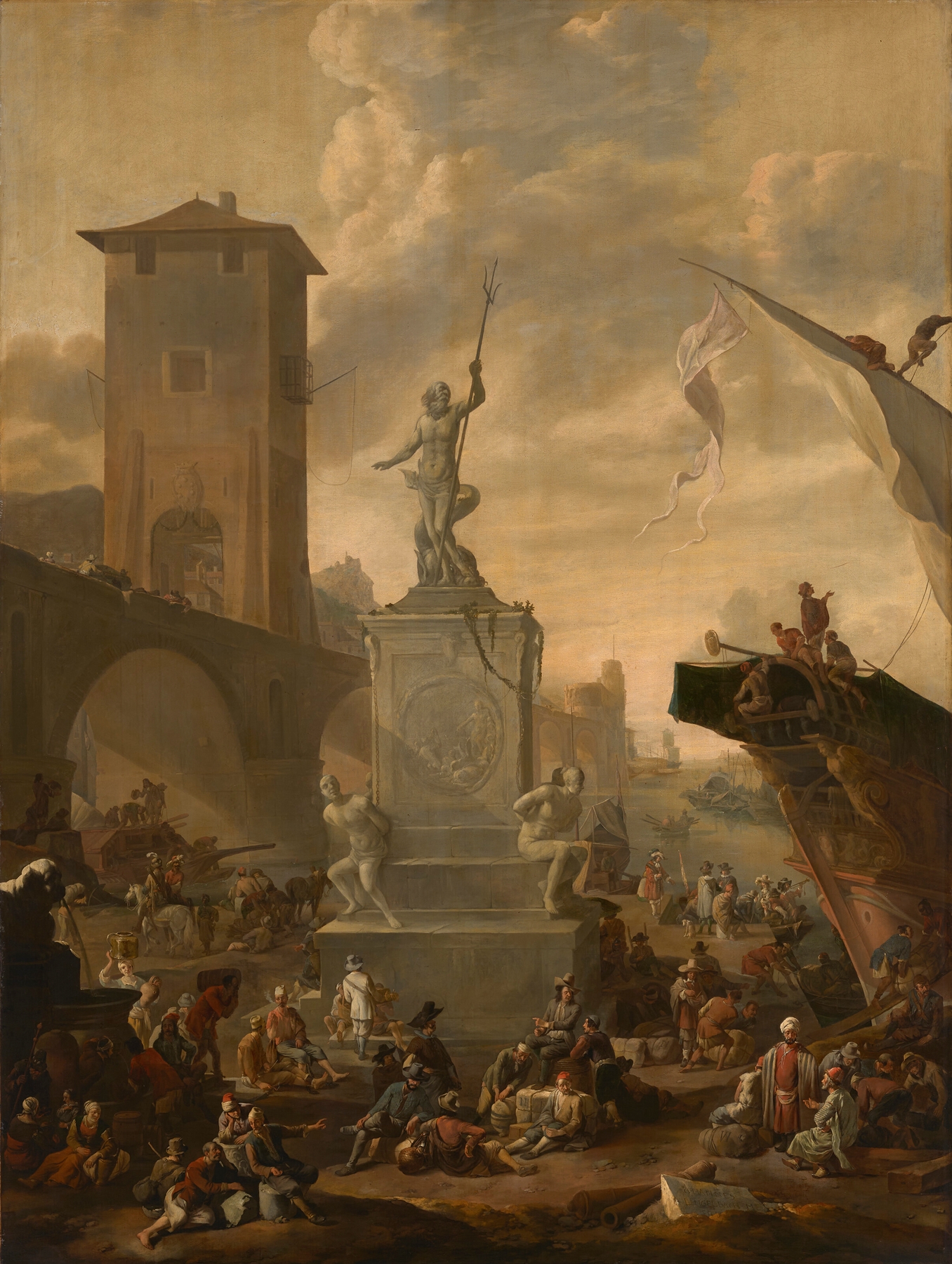
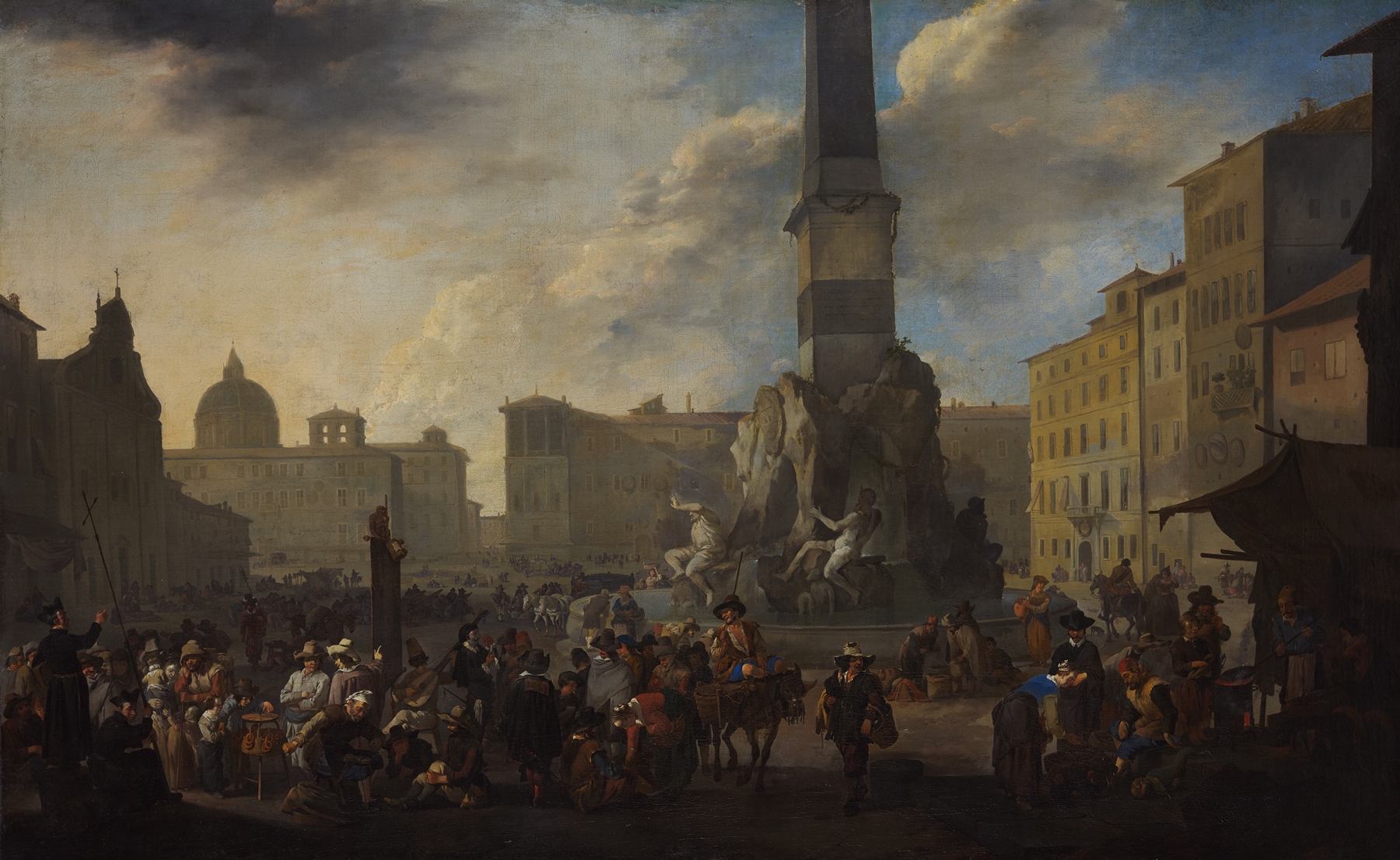
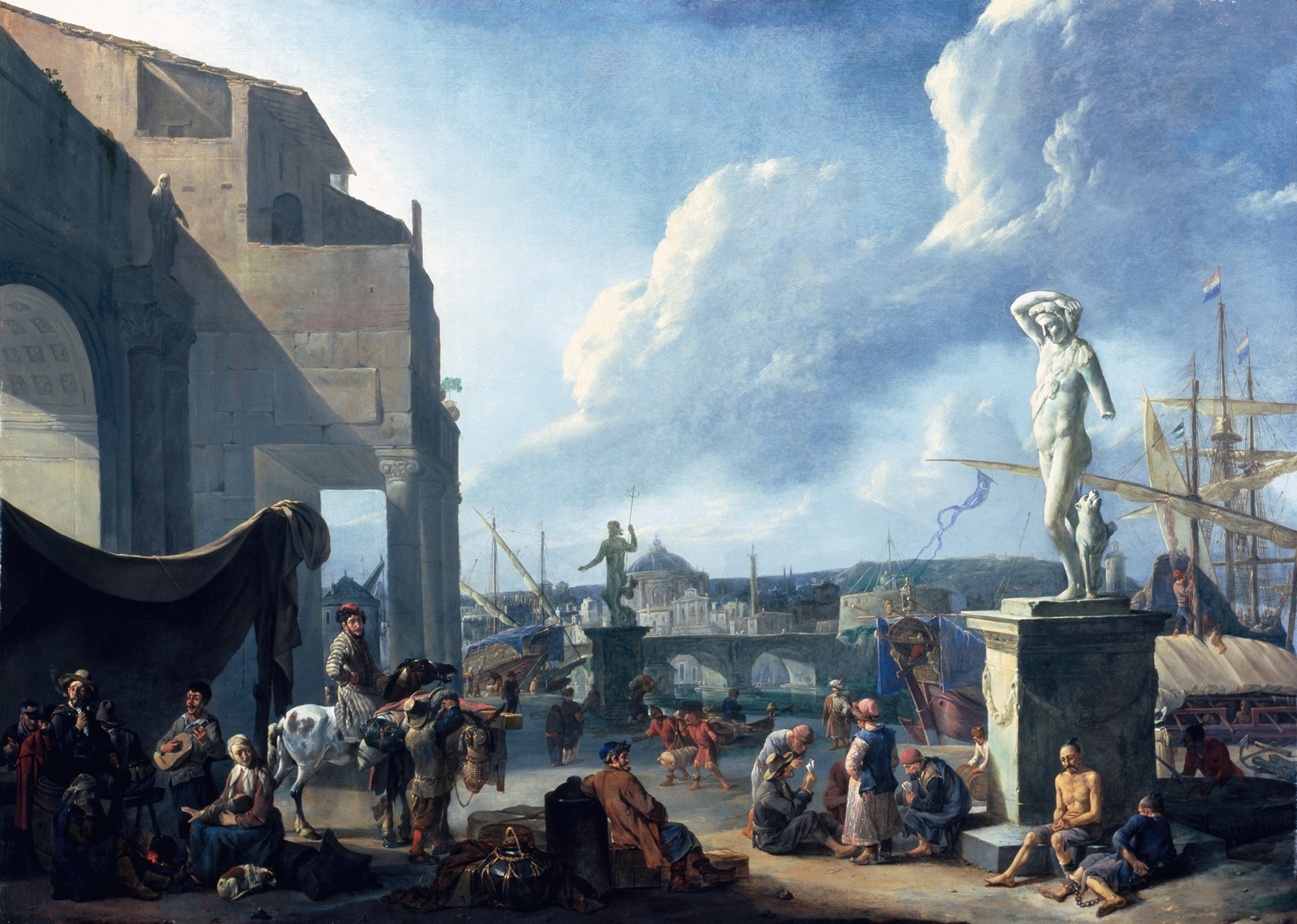
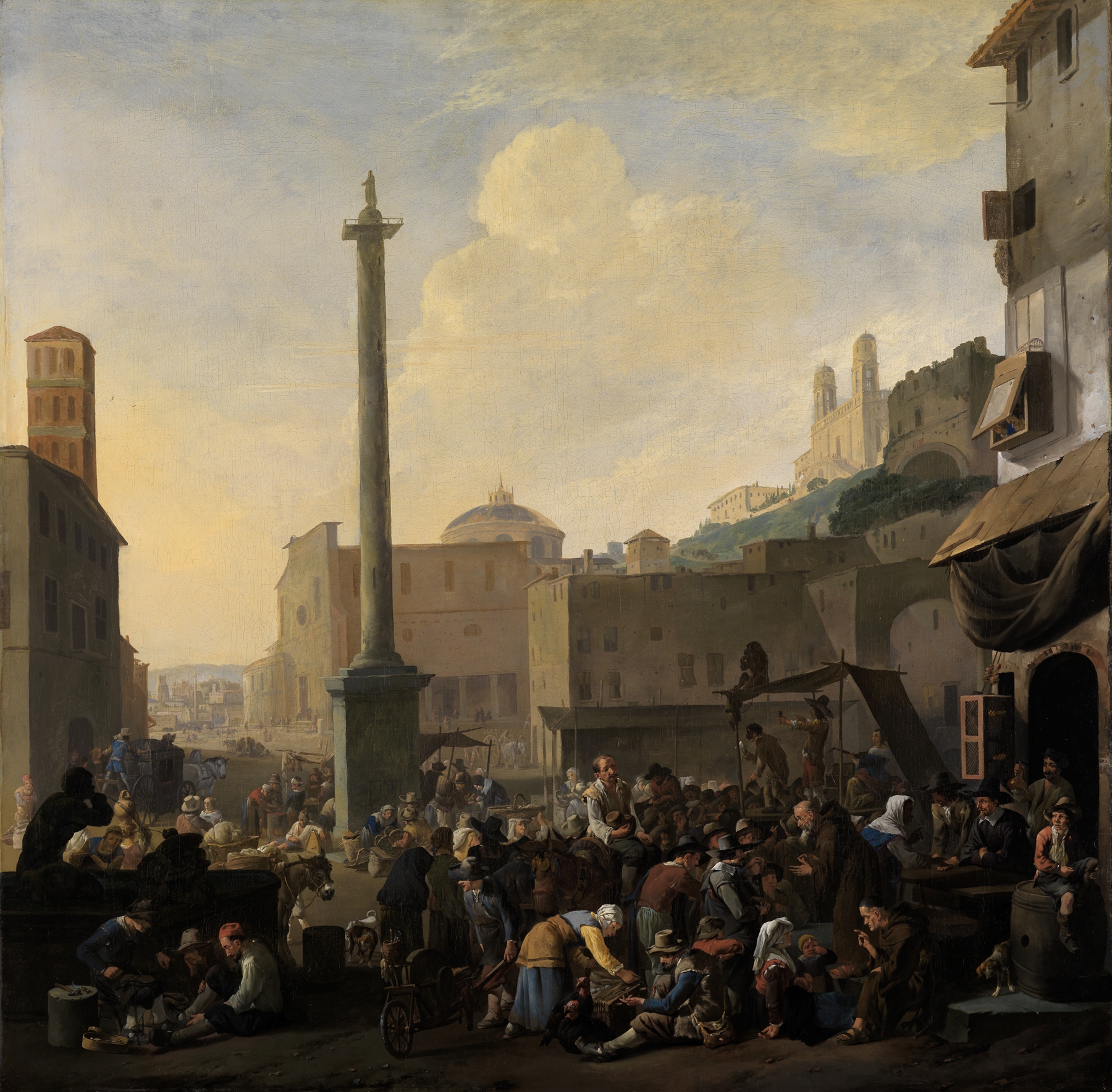
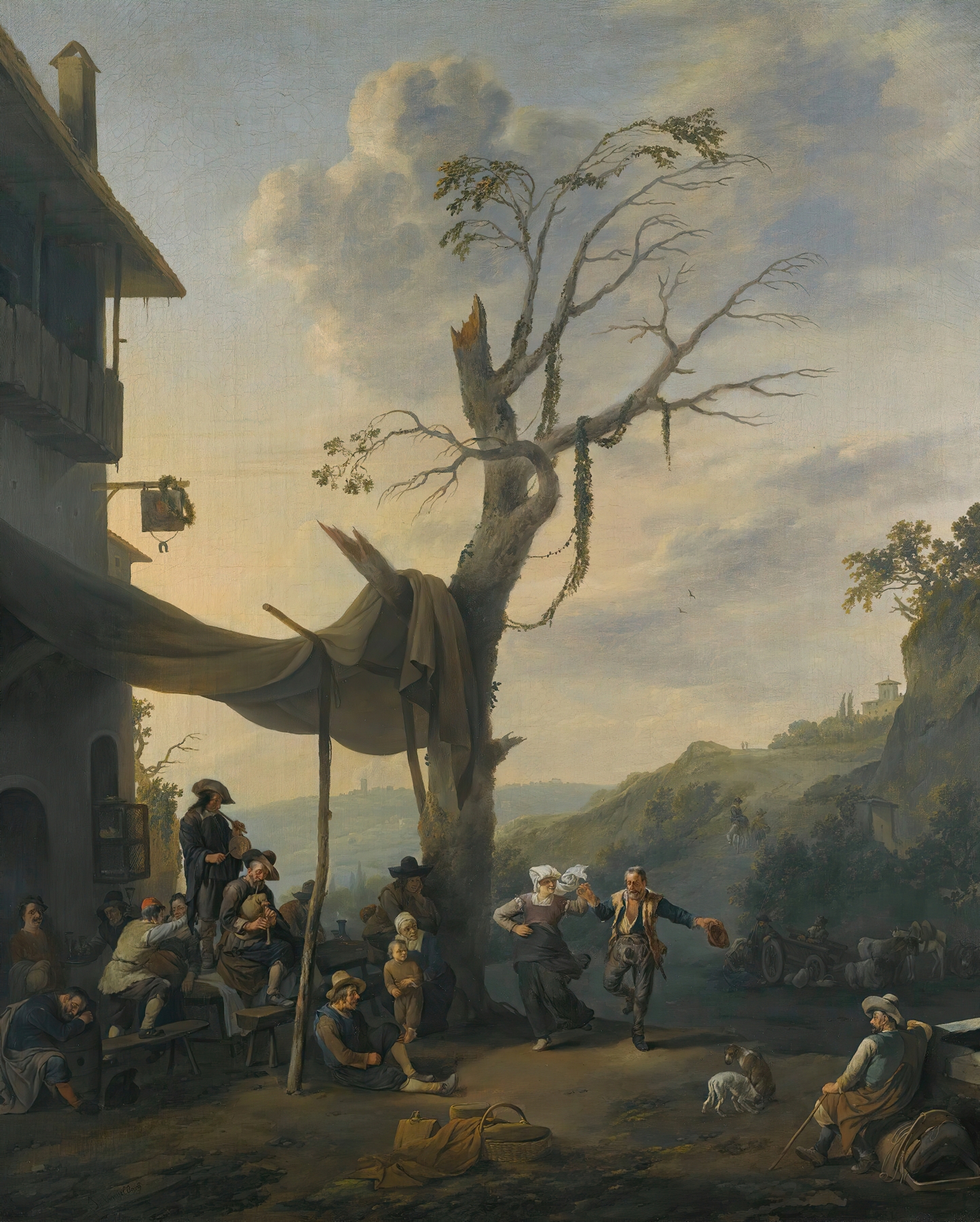
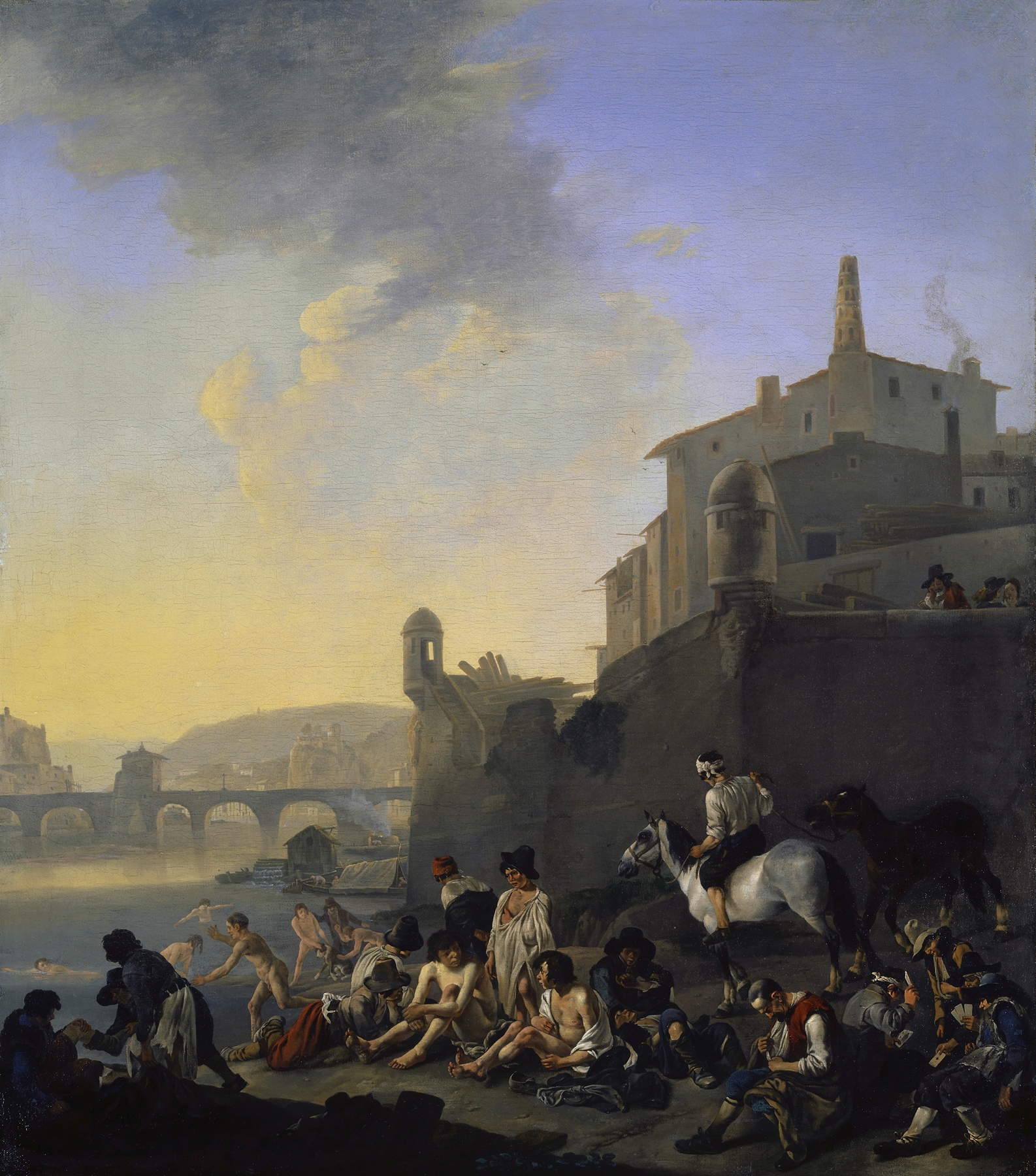
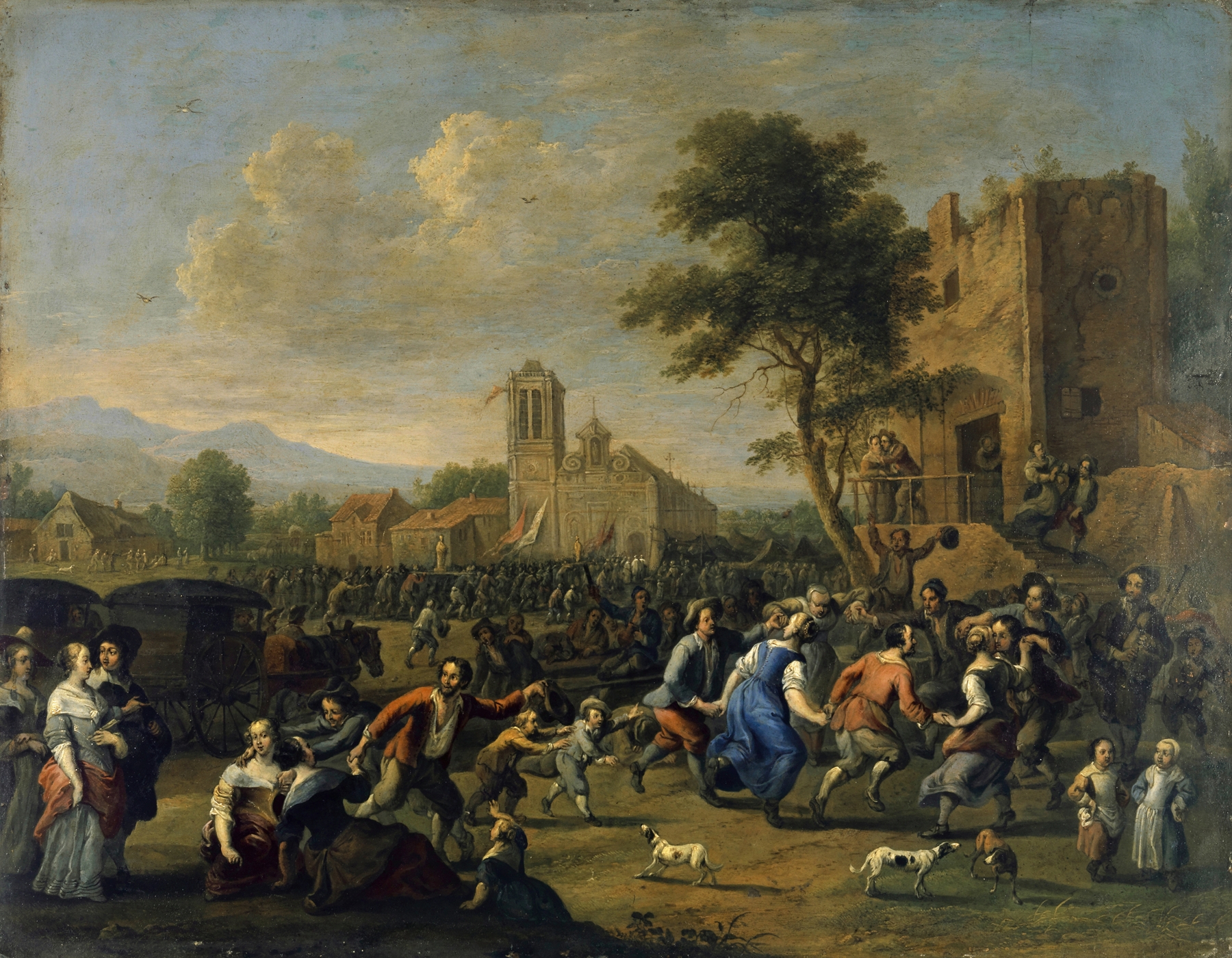
When did color learn to lie? In the world of art, the truth often lies hidden beneath layers of paint and emotion, waiting for revelation. Look toward the vibrant hues in this depiction of a military encampment. The earthy browns of the tents contrast sharply with the vivid greens of the landscape, inviting your gaze to explore the dynamic tension between nature and the human endeavor.
Notice how Lingelbach deftly captures the play of light across the canvas, illuminating figures engaged in their daily routines while shadows stretch ominously, hinting at the impending chaos of conflict. Beyond the surface, the painting reflects a moment of stasis before the storm. The soldiers, poised yet unhurried, embody both the camaraderie of shared purpose and the undercurrent of anxiety that accompanies war. The subtle details—a soldier's gaze toward the horizon, the careful placement of arms—whisper of fleeting moments before fate intervenes.
The encampment serves as both refuge and reminder of vulnerability, an intricate tapestry woven with the threads of hope and dread. Created in 1661, this artwork emerged during a turbulent time for Lingelbach, who was living in Amsterdam. The city was a hub of artistic innovation, yet the political landscape was fraught with conflict, particularly after the Dutch war against Spain. This setting influenced the artist's portrayal of military life, reflecting both the grandeur and the fragility of the human experience amidst the backdrop of siege and tension.