A Capriccio View of Rome with the Castel Sant’Angelo — History & Analysis
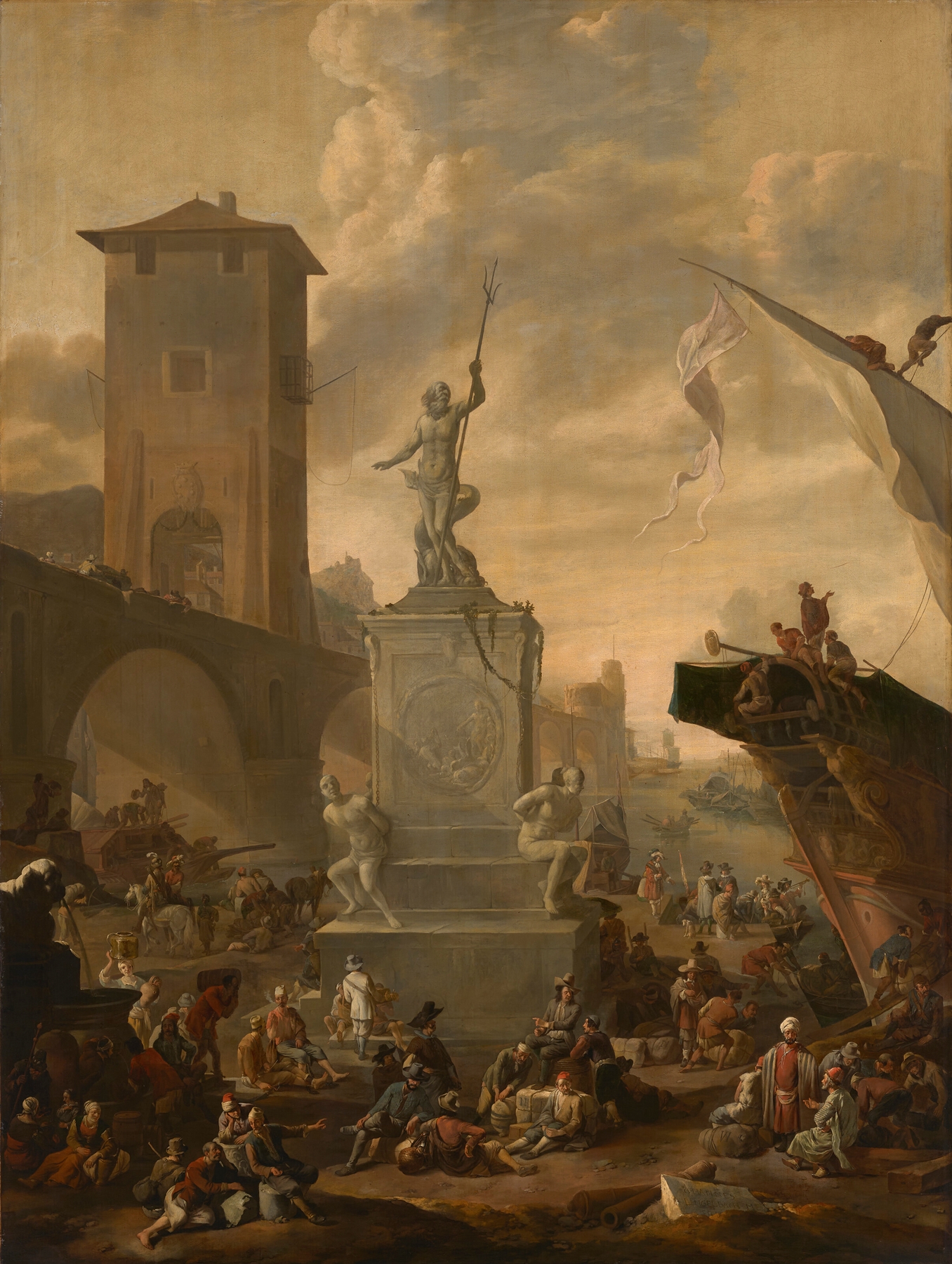
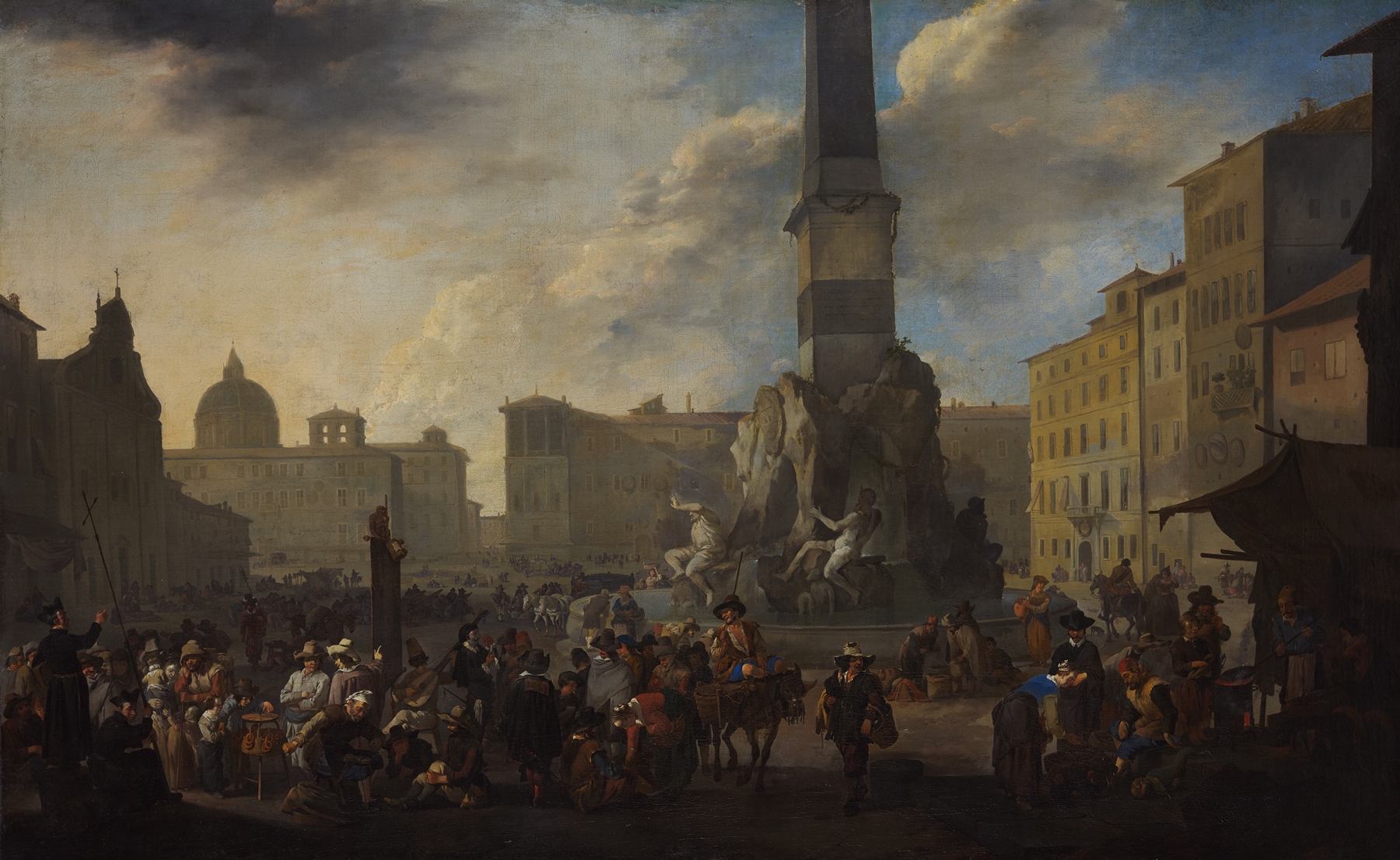
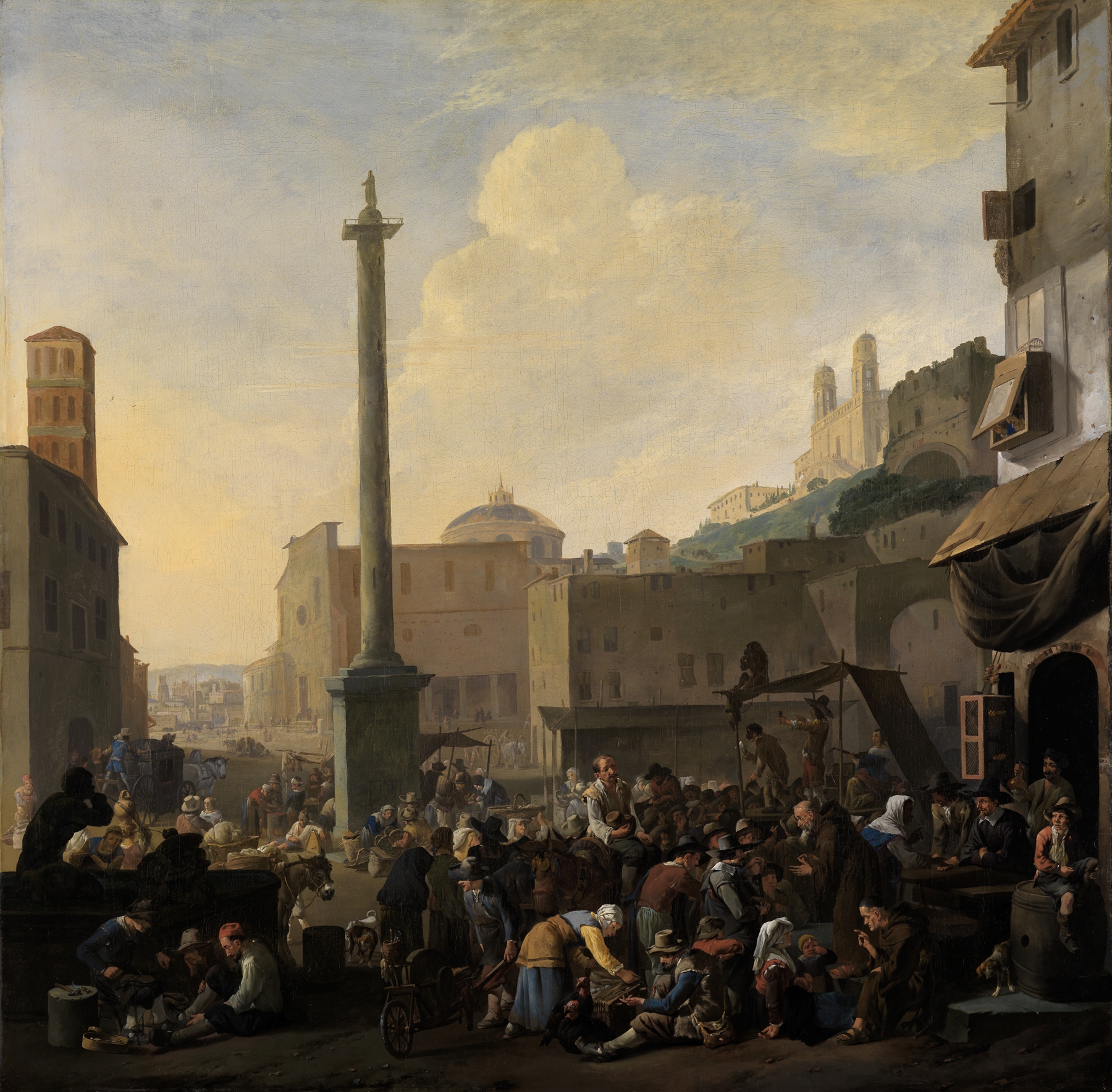
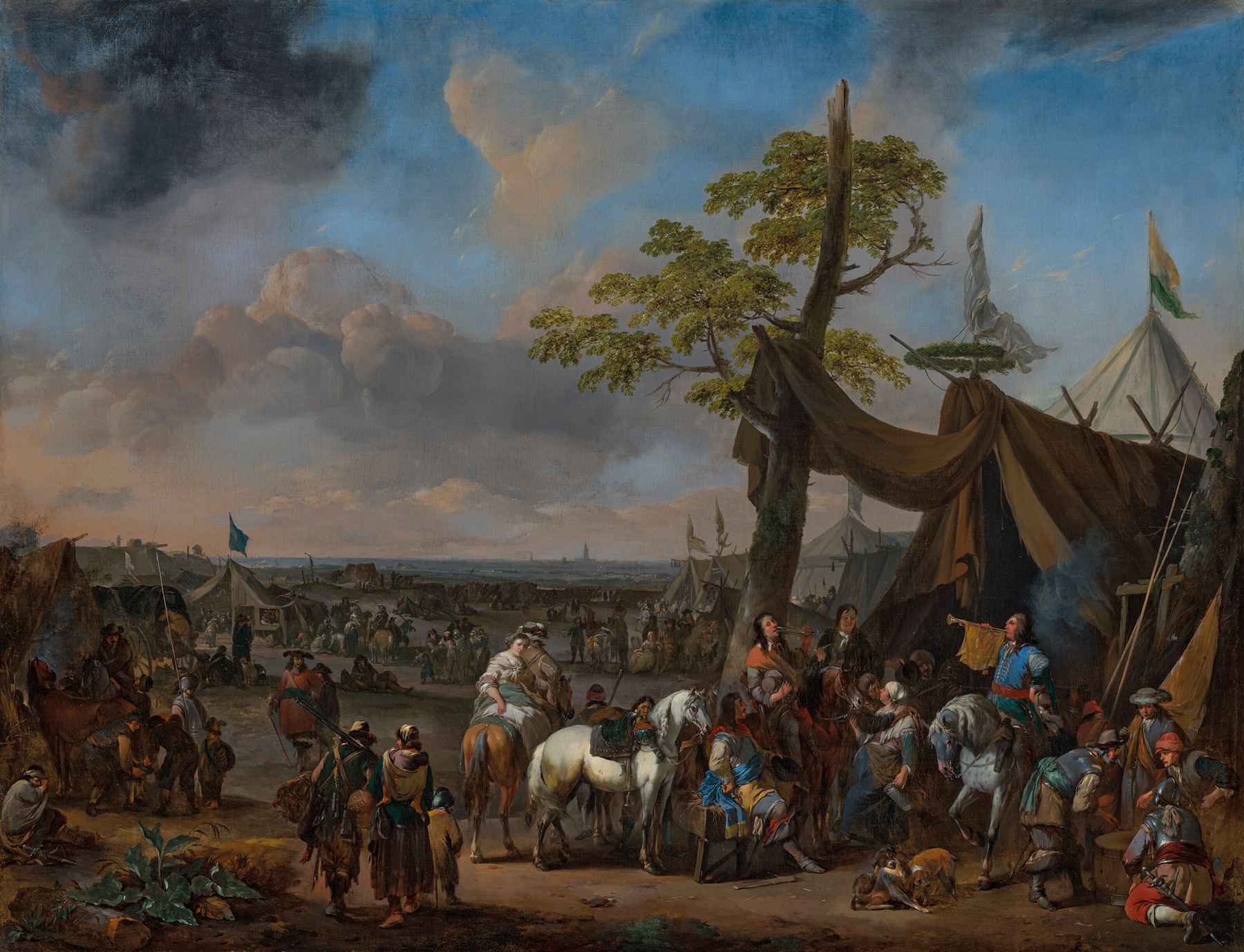
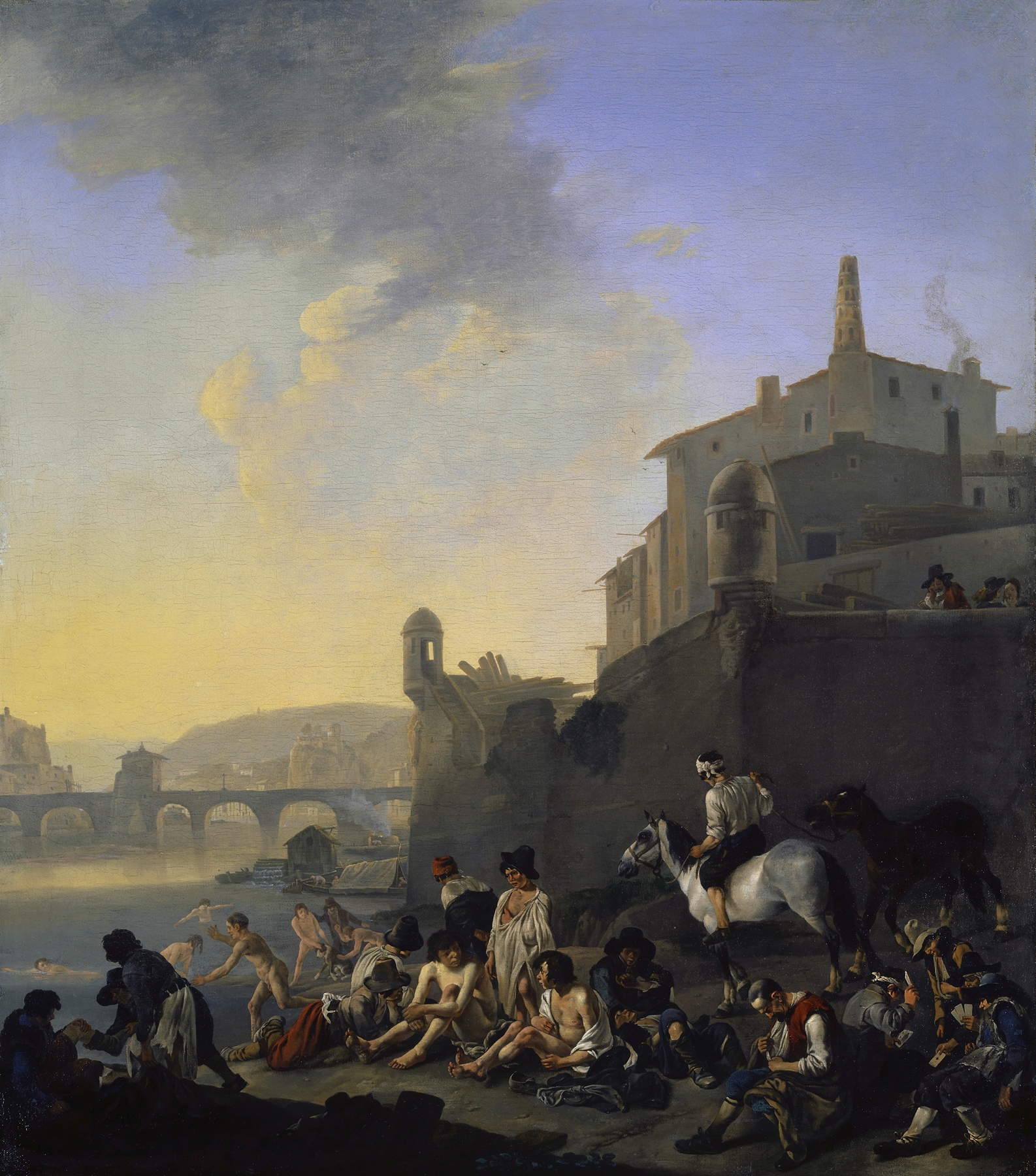
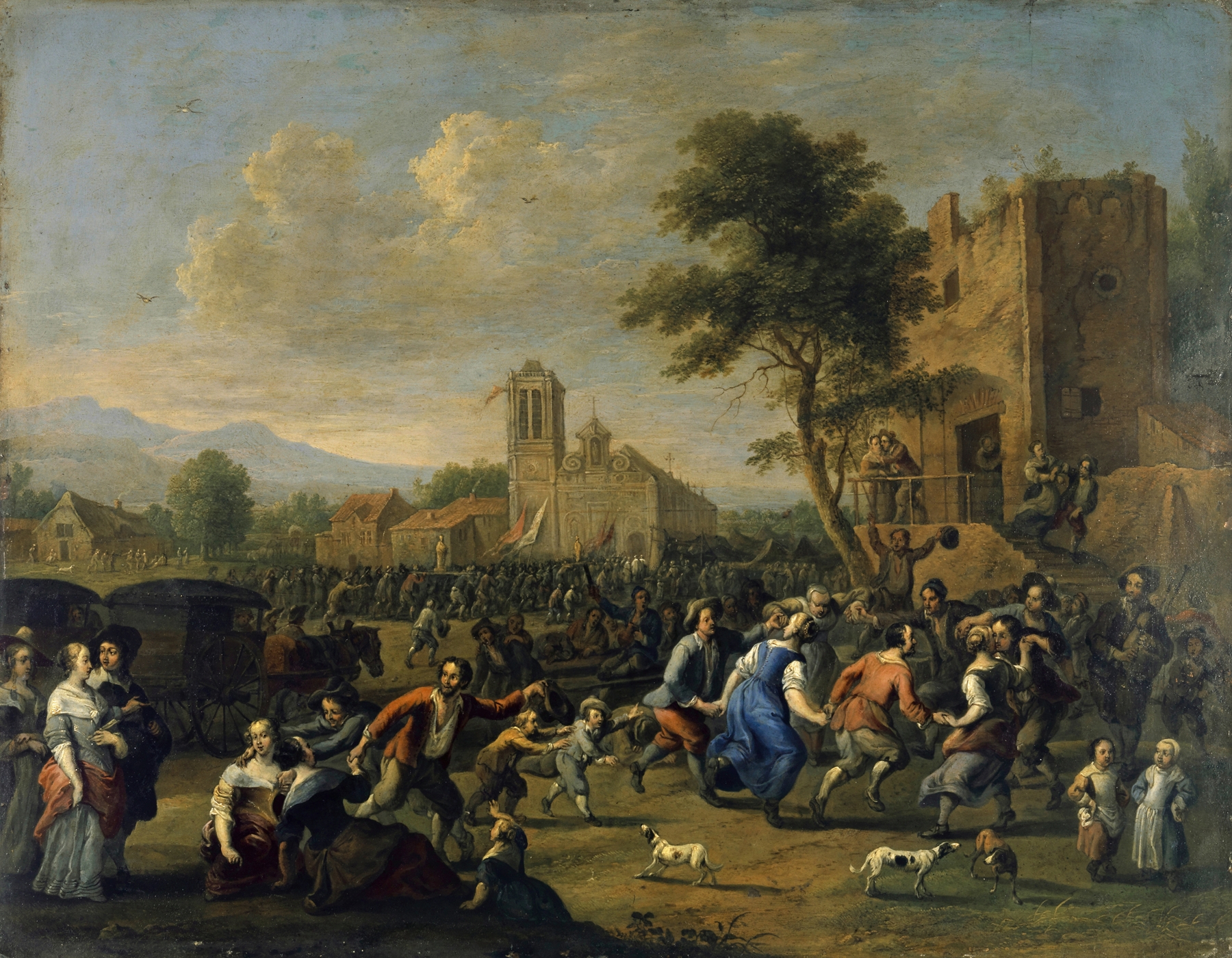
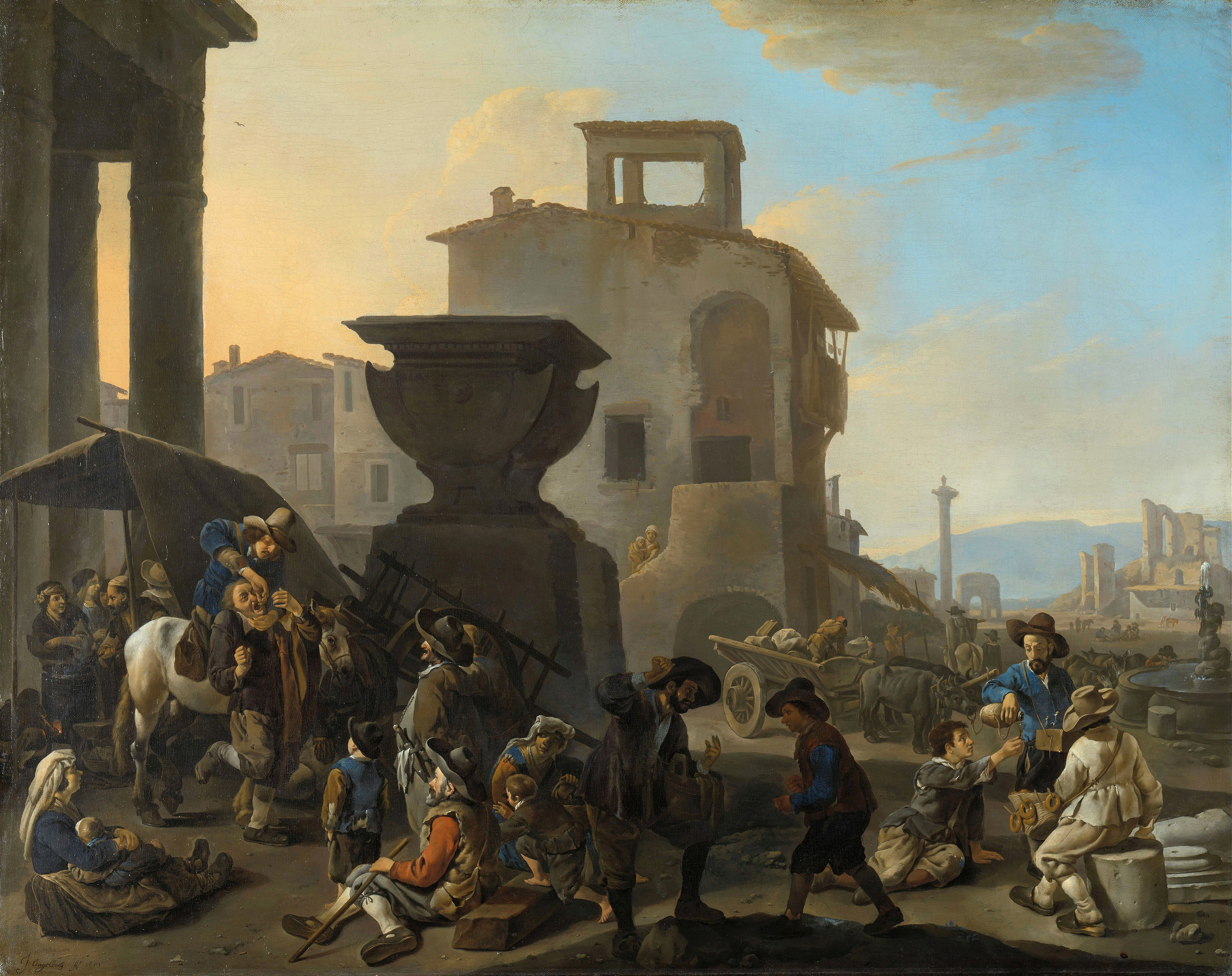
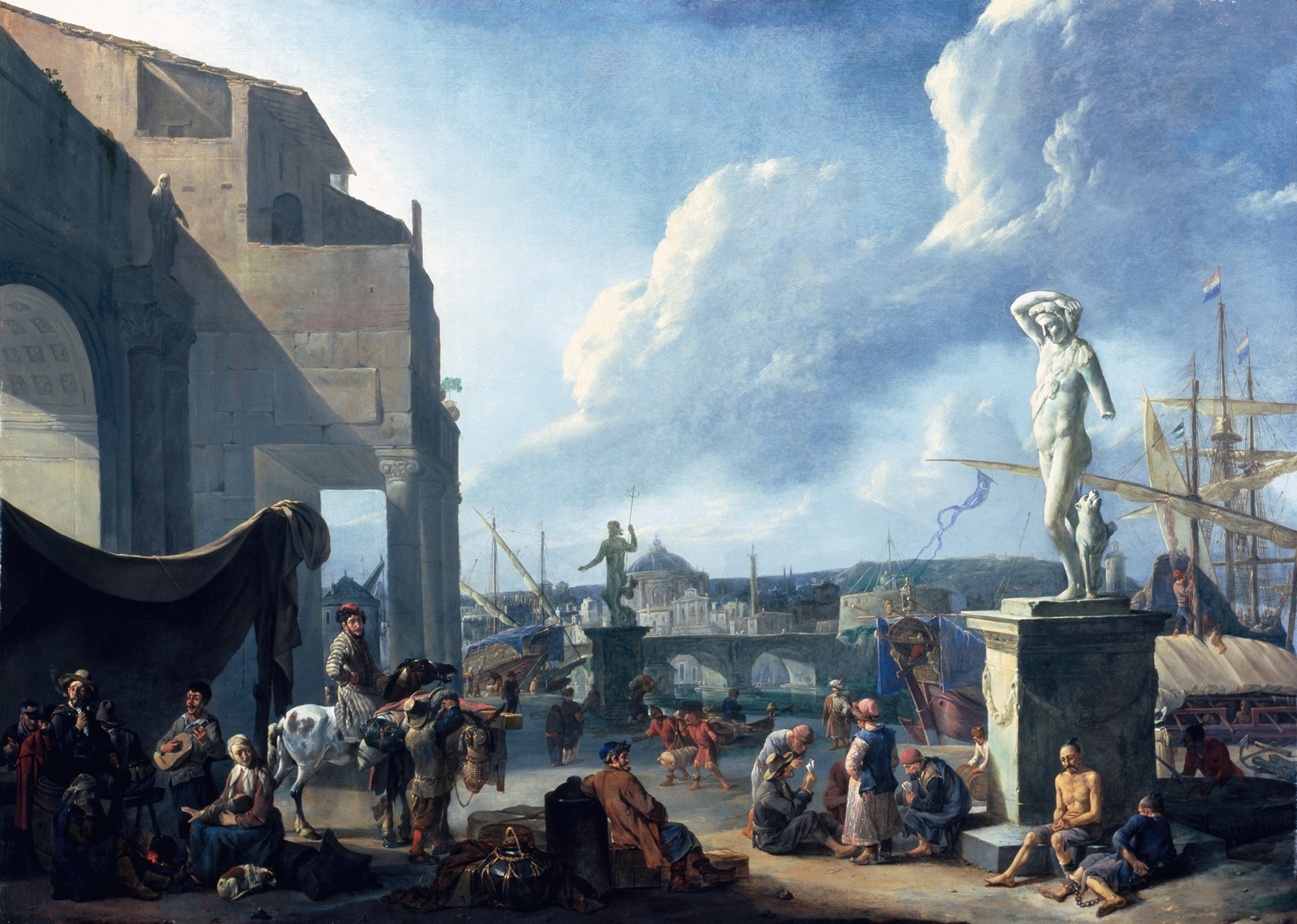
Could a single brushstroke hold eternity? In A Capriccio View of Rome with the Castel Sant’Angelo, the artist invites us to ponder the passage of time through an intricate dance of light and shadow. The painting reveals not just a scene, but a layered chronicle of history, architecture, and fleeting moments. Look to the center where the majestic Castel Sant'Angelo stands, its imposing presence dominating the landscape. The soft, warm hues of the sunset cast a gentle glow over the fortress, while vibrant blues and greens of the sky and water create a serene contrast.
Notice how the winding river reflects this harmony, serving as a mirror for both the structure and the ethereal atmosphere. The meticulous brushwork renders not just the physicality of the site, but the spirit of Rome, inviting viewers to explore each nuance of its storied past. Within the bustling backdrop of the city, subtle details emerge—figures in animated conversation, boats gently drifting, and the chiming of the evening bell. Each component contributes to an emotional tension: the urgency of life juxtaposed against the steadfastness of architecture. The juxtaposition of human activities and timeless structures evokes a sense of nostalgia, suggesting that while moments may fade, the essence of history remains eternal.
Lingelbach’s choice of composition, with its sweeping vistas and layered perspectives, deepens this exploration of time. Created in 1655, Lingelbach painted this work during a flourishing period for the Dutch Golden Age. Living in Amsterdam, he was influenced by the vibrant artistic community around him and the growing appreciation for landscapes and city views. At this time, Europe was engulfed in cultural exchanges, with artists increasingly inspired by the grandeur of Italy. This piece reflects not only his artistic vision but also the era's shifting perspectives on the relationship between people and places, weaving a timeless narrative through brush and canvas.