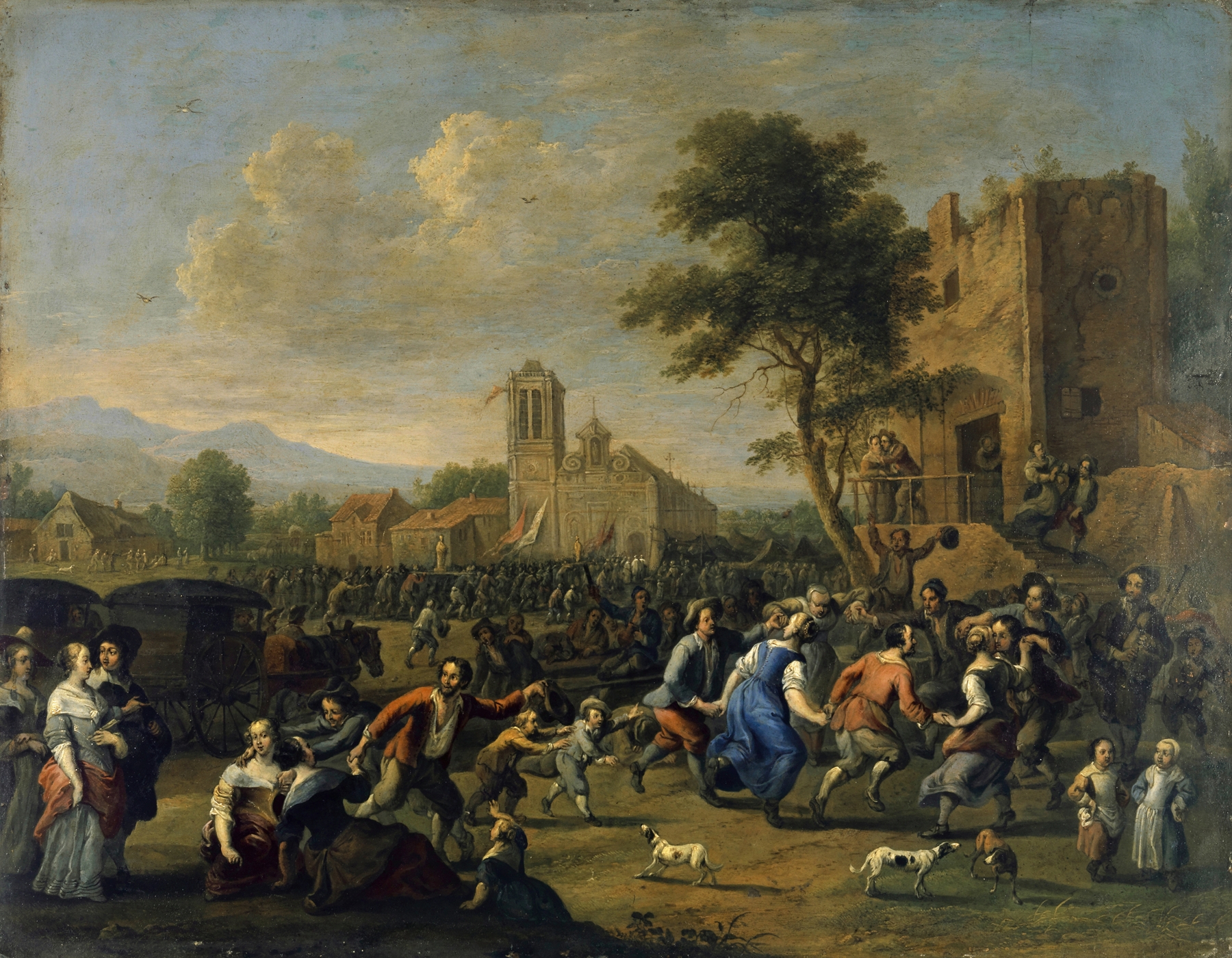
Italian Marketplace with a Quack Dentist — History & Analysis
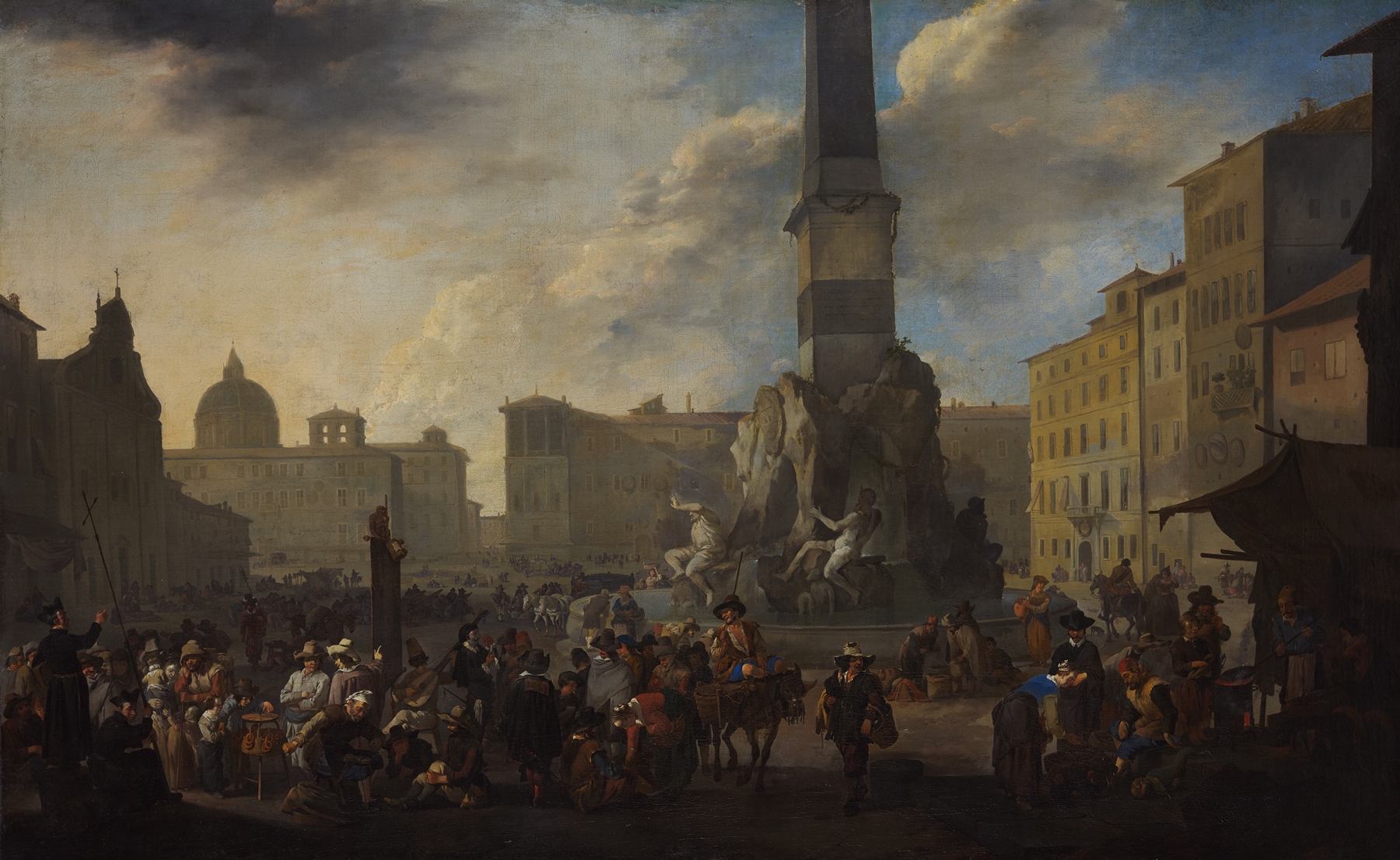
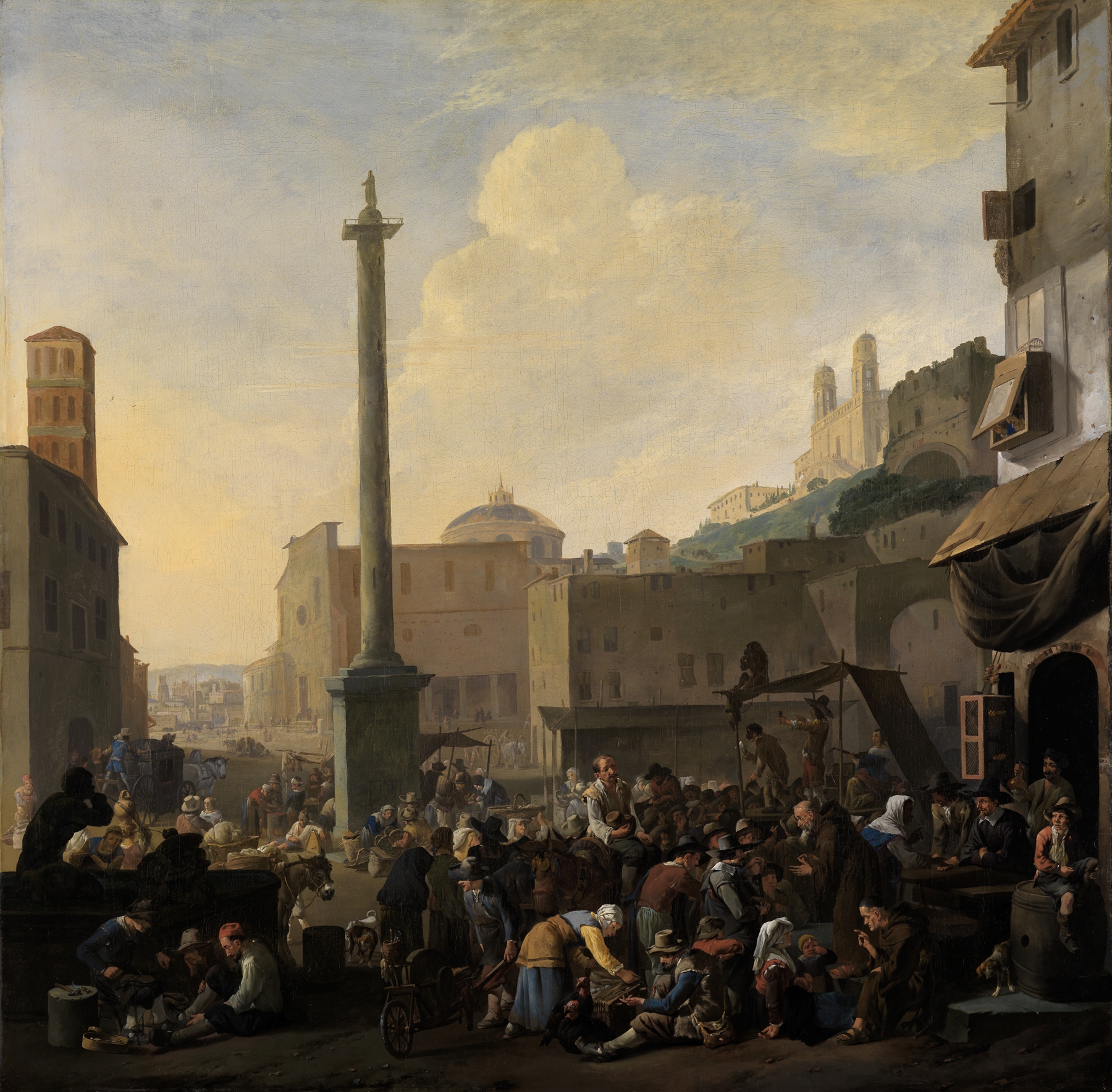
“The canvas doesn’t lie — it simply waits.” In the heart of Italy, where commerce and chaos intertwine, a moment of profound human experience unfolds. Here, amidst the clamor of the marketplace, a quack dentist performs his craft, beckoning the curious and desperate alike. The air thrums with tension, laughter, and the silent gasps of the onlookers as they witness the familiar dance of hope and folly. Look closely at the center of the composition, where the dentist stands, a brash figure draped in bright garments. The vibrant reds and yellows contrast sharply with the earthy tones of the surrounding crowd, drawing your gaze immediately.
Notice how the light spills from the left, illuminating his face while leaving the edges in shadow, emphasizing the duality of his character — both healer and charlatan. The gestures of the crowd, hands raised in curiosity or apprehension, add a dynamic layer to this vibrant scene. The painting captures more than a simple marketplace; it embodies the tensions of knowledge and belief in an age ripe for revolution. The quack's exuberance juxtaposes the skeptical expressions of onlookers, hinting at the age-old struggle between truth and deception. Amidst the lively chaos, the artist invites contemplation on the nature of trust — in medicine, society, and oneself.
Here, the faces of the crowd tell stories of hope and dread, illuminating the fragile balance of human experience. In 1651, while residing in Amsterdam, Lingelbach painted this scene during a time when Europe was grappling with scientific advancements and shifting societal norms. The Age of Enlightenment was dawning, and artists like him were influenced by both the burgeoning interest in realism and the complexities of human behavior. Amidst this backdrop, Italian Marketplace with a Quack Dentist serves as a poignant reflection of an era on the brink of transformation.