Römische Marktszene — History & Analysis
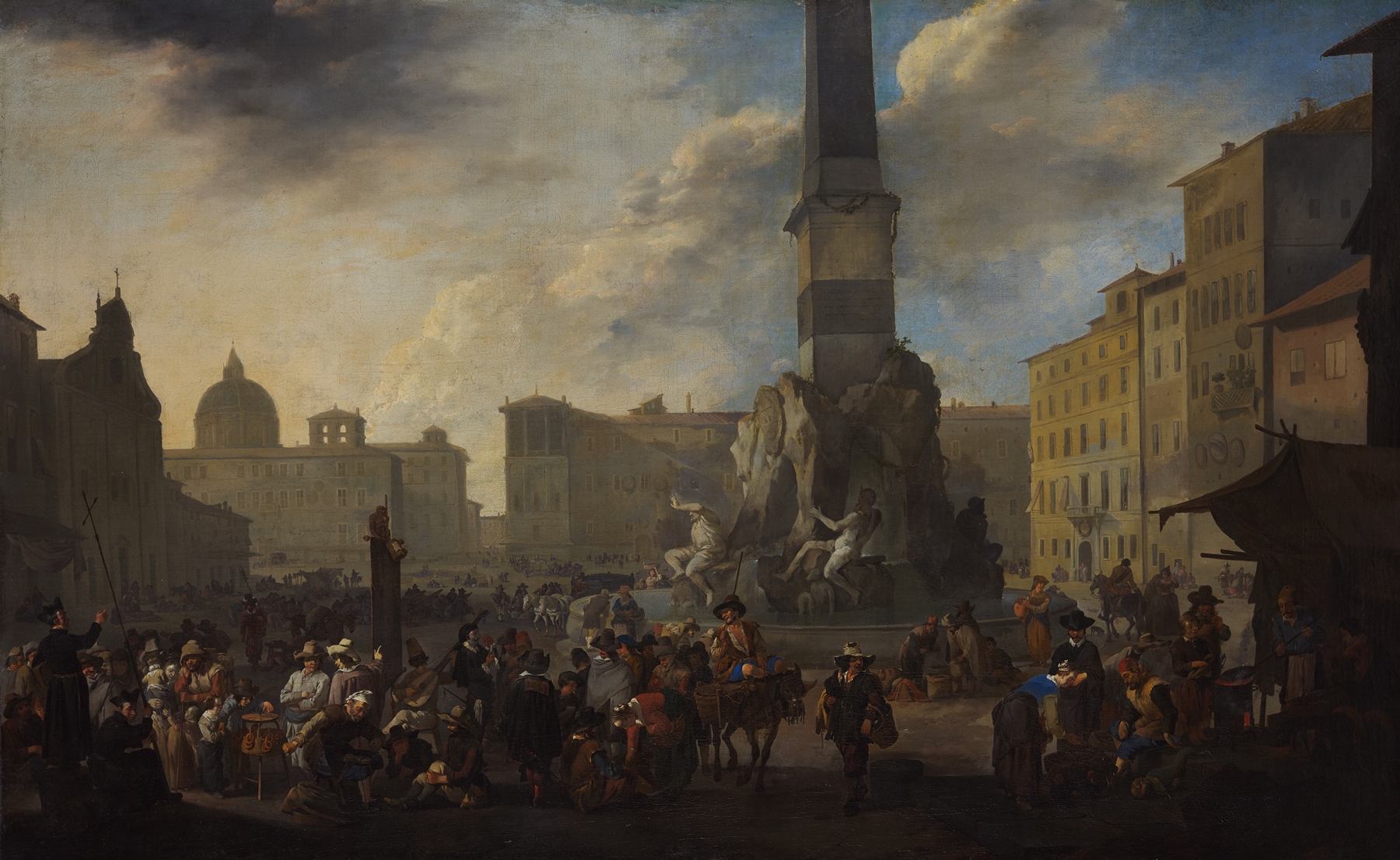
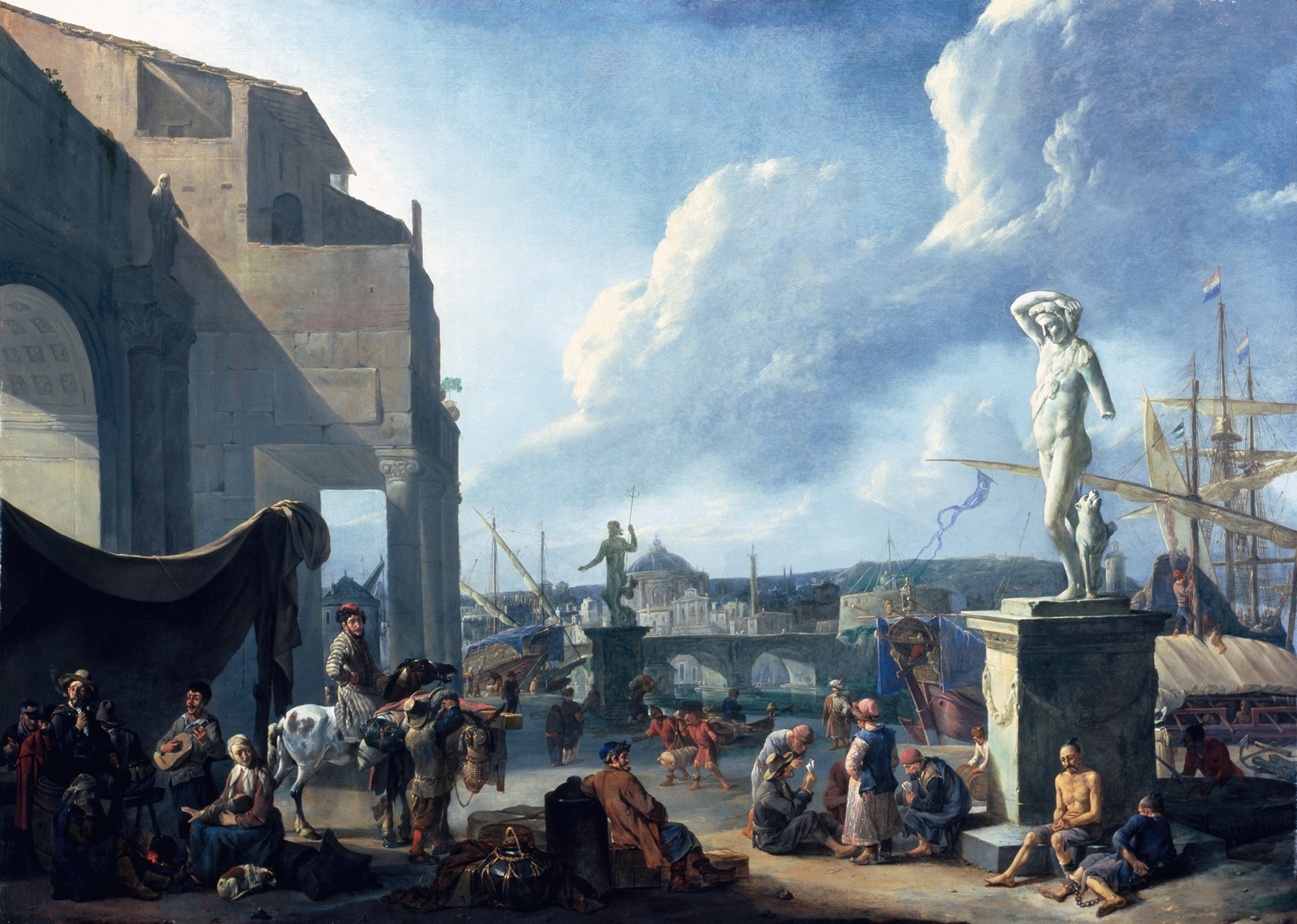
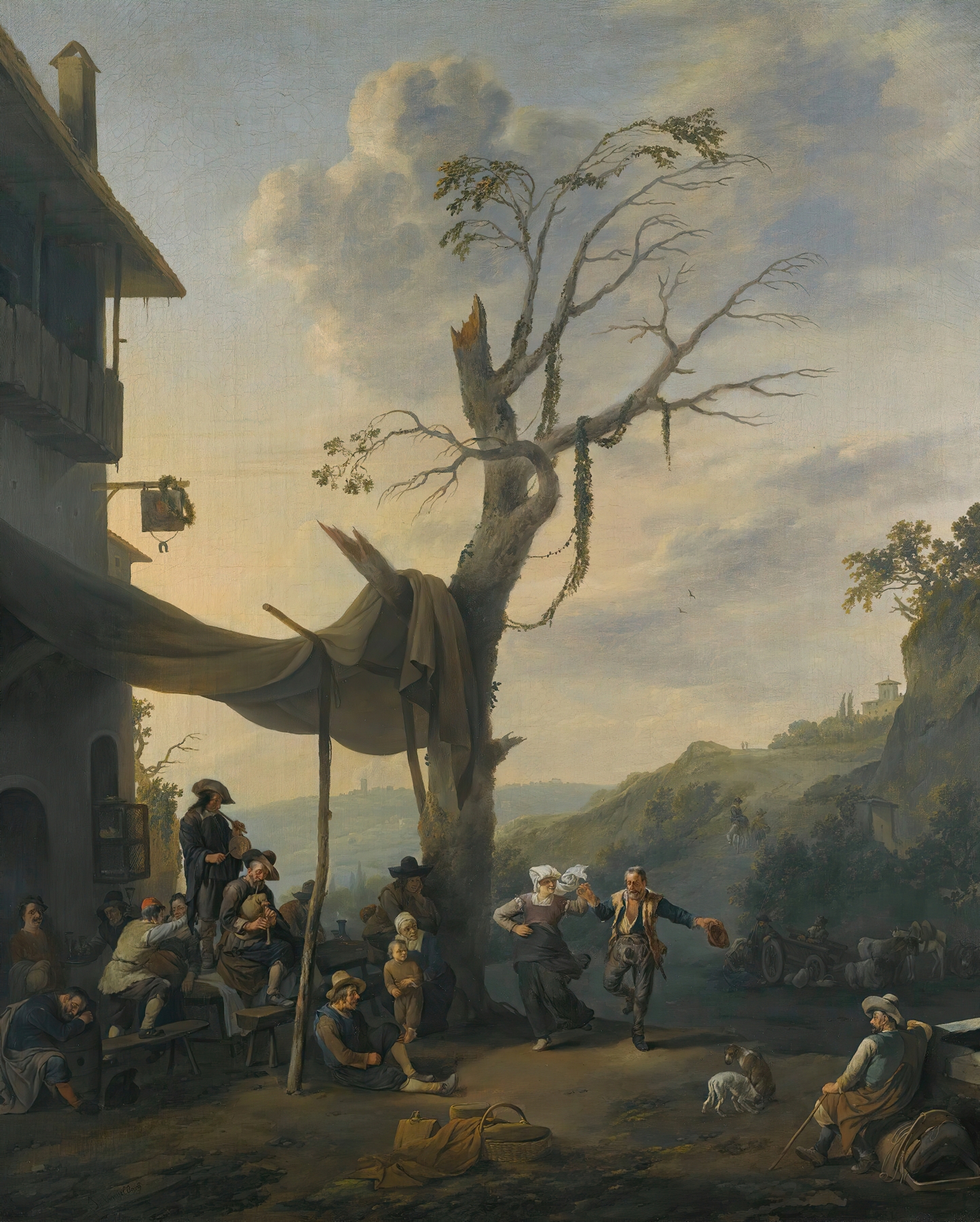
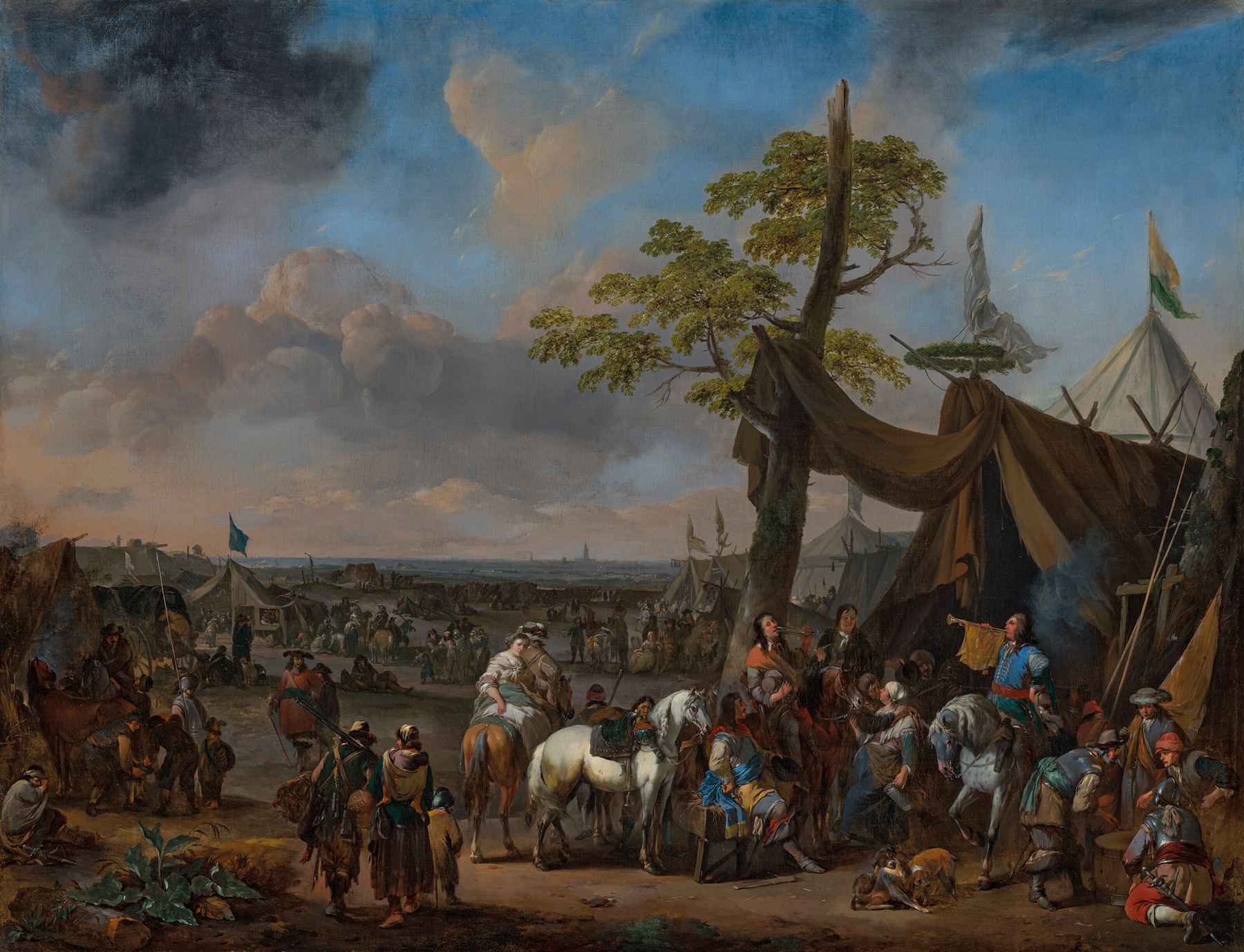
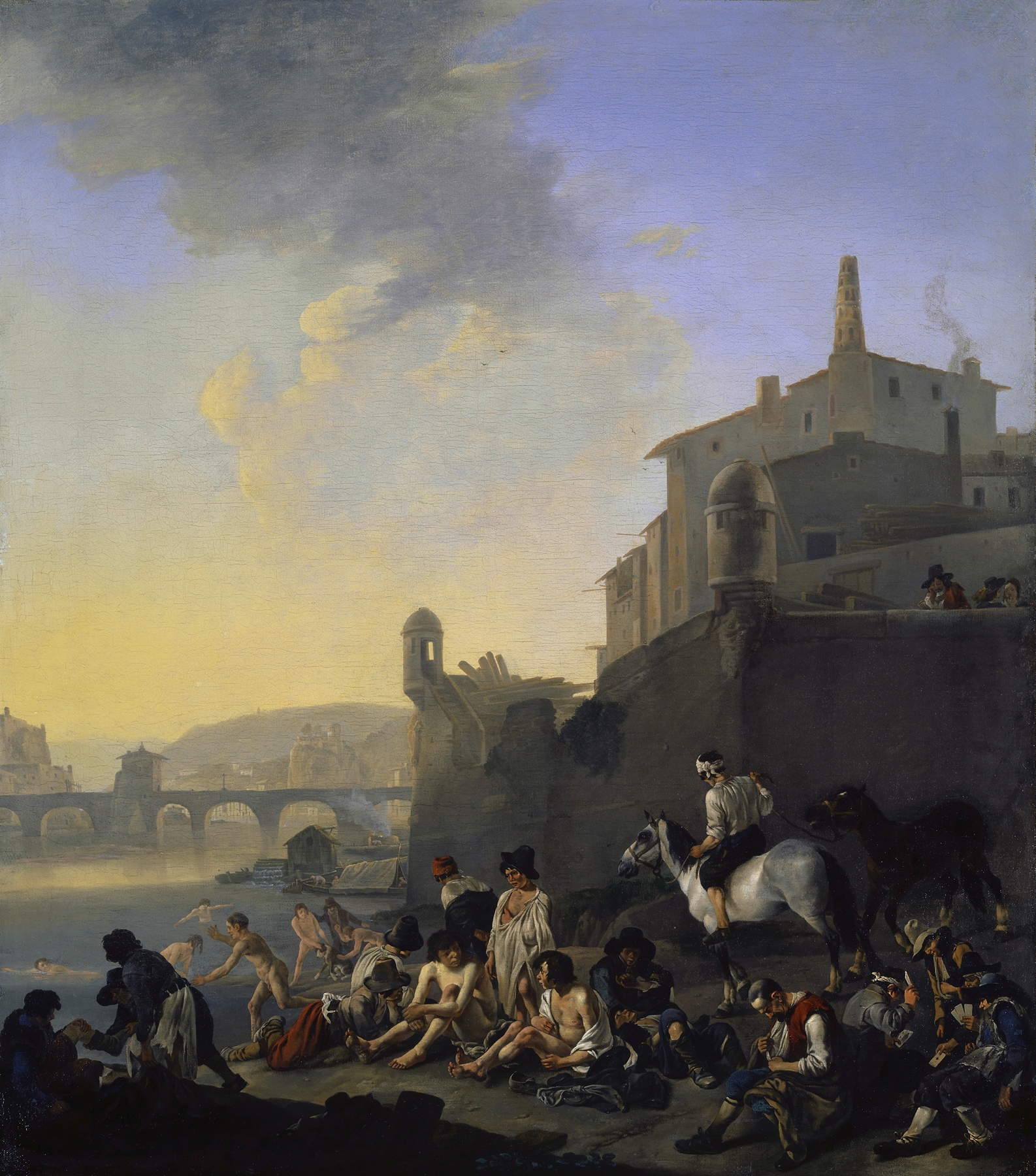
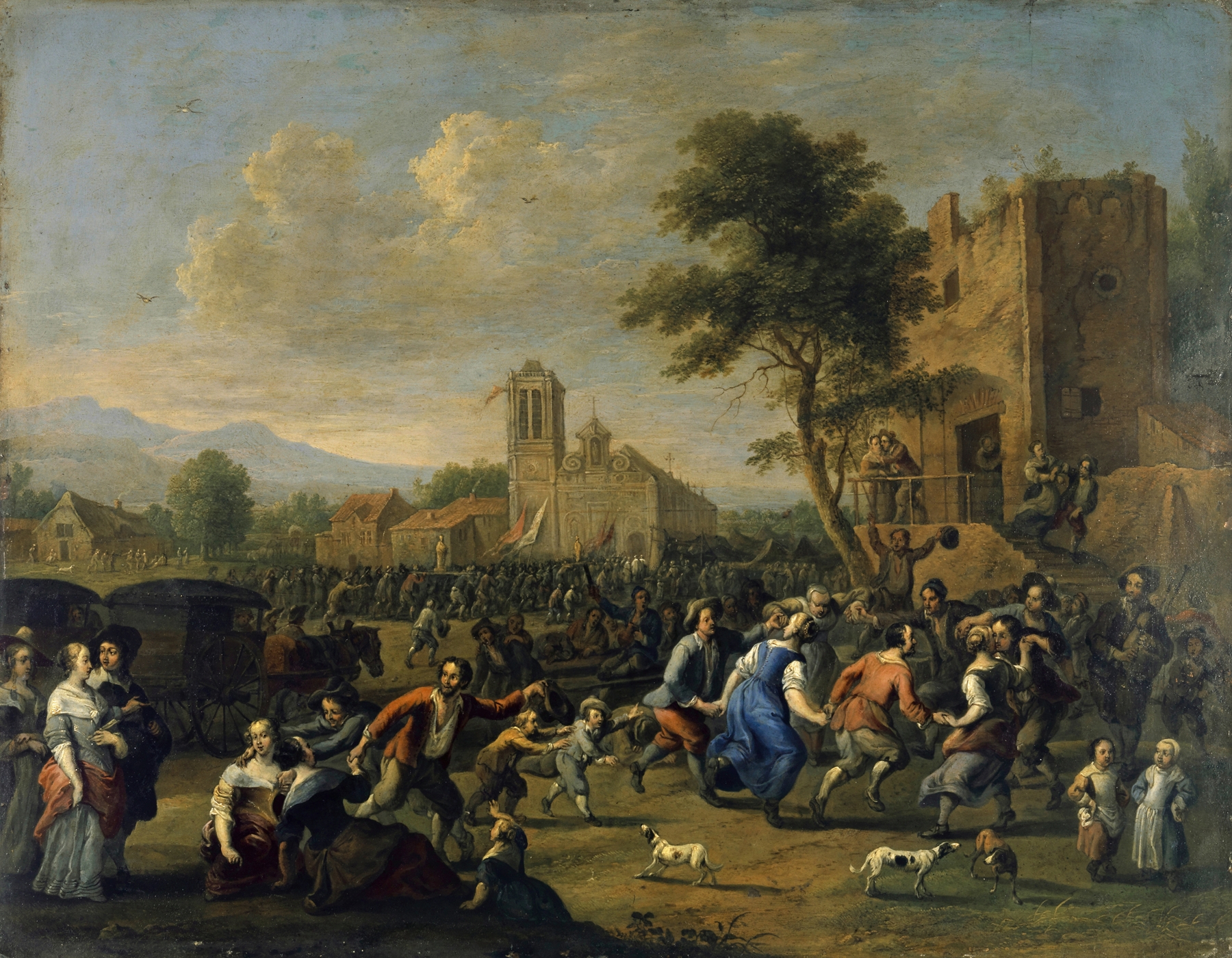
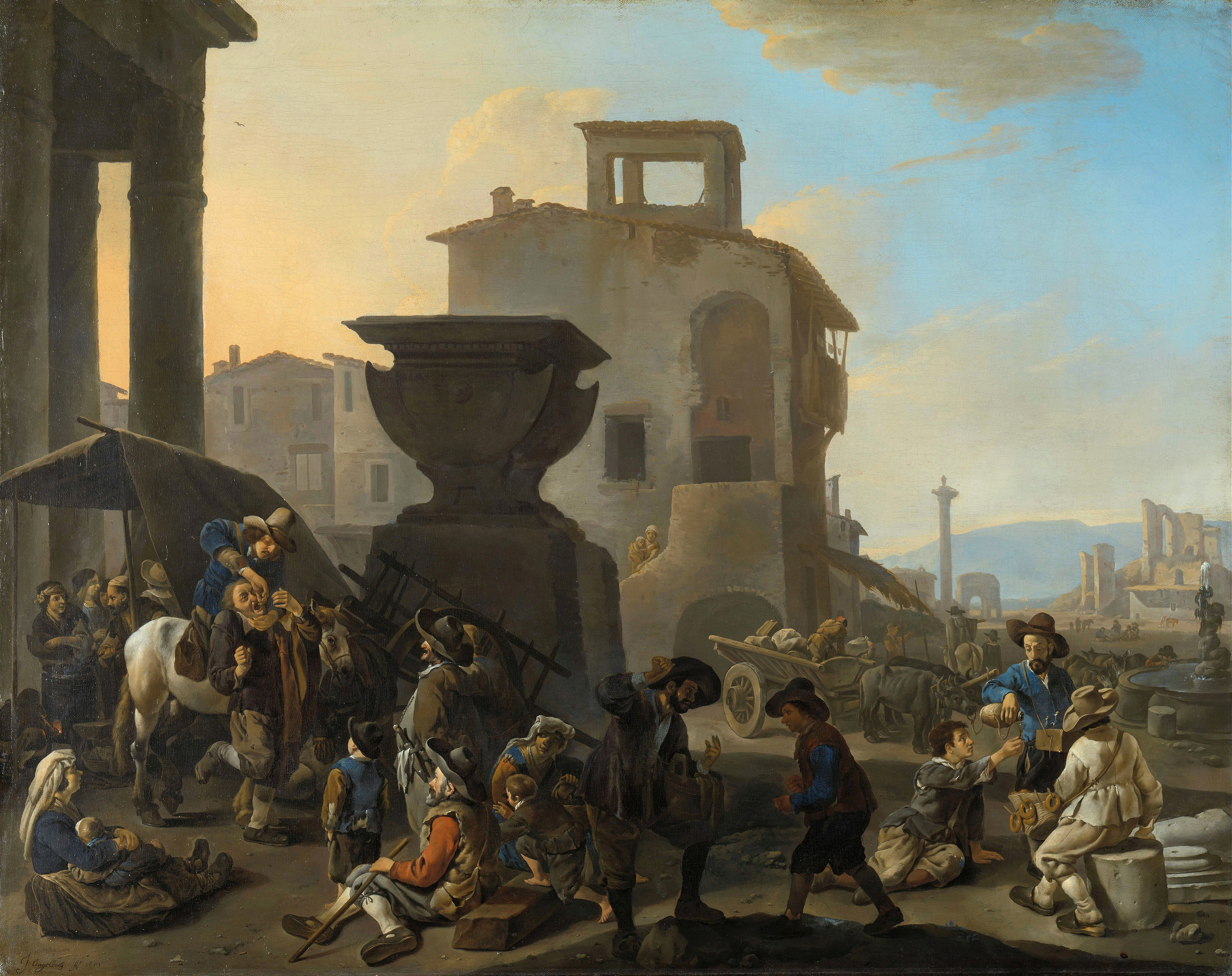
When did color learn to lie? In the heart of Römische Marktszene, vibrant hues dance with deception, transforming the ordinary into something extraordinary. Look to the center of the canvas, where a lively marketplace unfolds beneath a bright, azure sky. The intricate arrangement of figures — merchants, townsfolk, and curious onlookers — creates a dynamic rhythm, drawing the eye through a tapestry of colors.
Notice how the sunlight cascades over the scene, casting warm glows on fabrics and skin, while shadows linger in the folds of garments, creating a play of light that heightens the vibrancy of each character's expression and engagement. Yet, amidst this picturesque chaos, underlying tensions emerge. The juxtaposition of the joyful interactions at the market stalls with the solitary figure lurking in the background hints at layers of social commentary. The artist masterfully portrays the transformation of everyday life into a spectacle, prompting viewers to question the authenticity of the scene.
Are these moments genuine connections, or mere performances for the observer, masked by the brightness of color and activity? Johannes Lingelbach painted Römische Marktszene between 1650 and 1670, during a period when the Dutch Golden Age was flourishing. Living in Amsterdam, he was influenced by the vibrant market culture and the burgeoning interest in genre scenes. This artwork reflects not only his skill in capturing the essence of bustling life but also the socio-economic realities of his time, where the ordinary was often idealized for enjoyment and contemplation.