A River Scene — History & Analysis
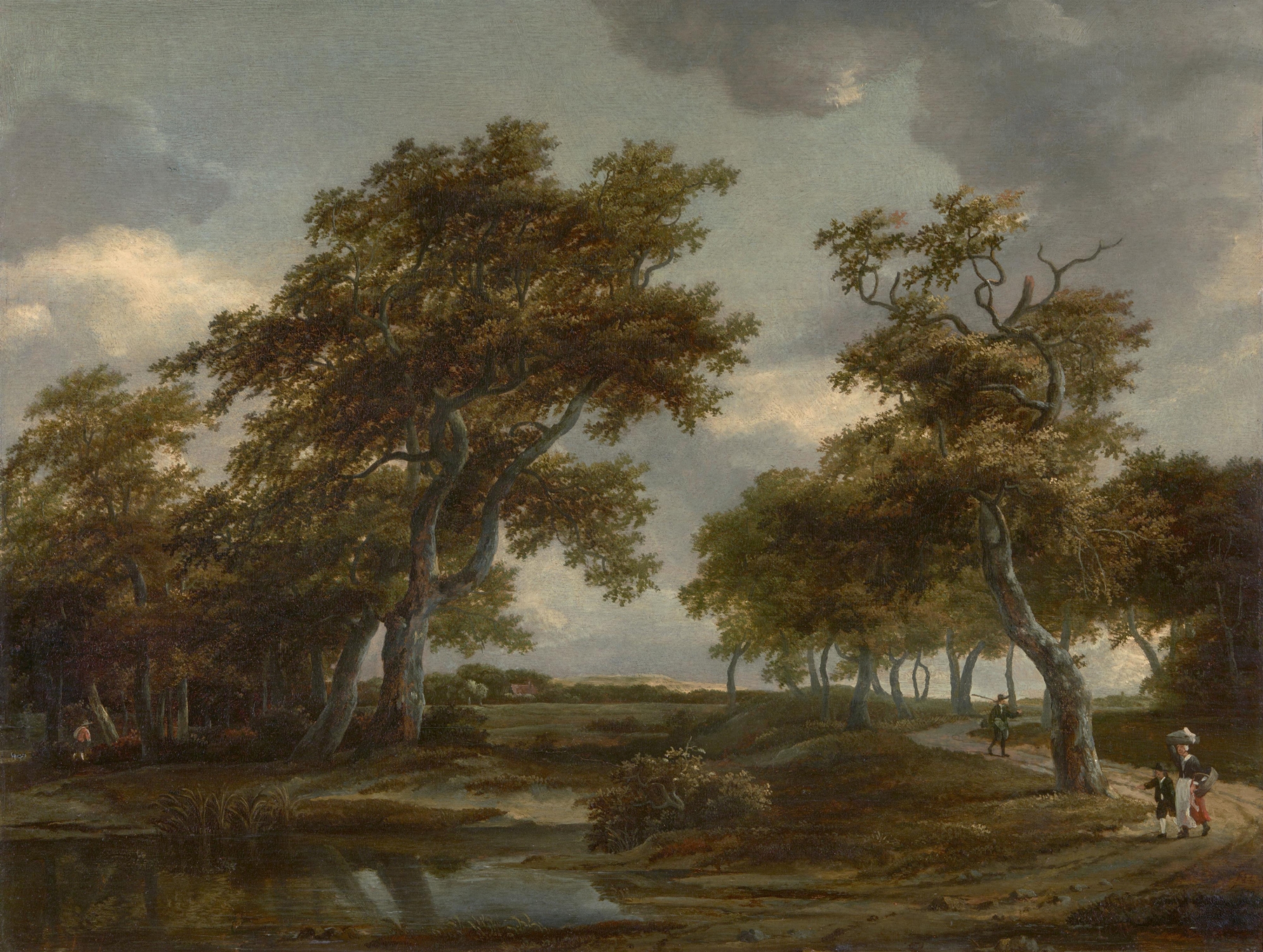
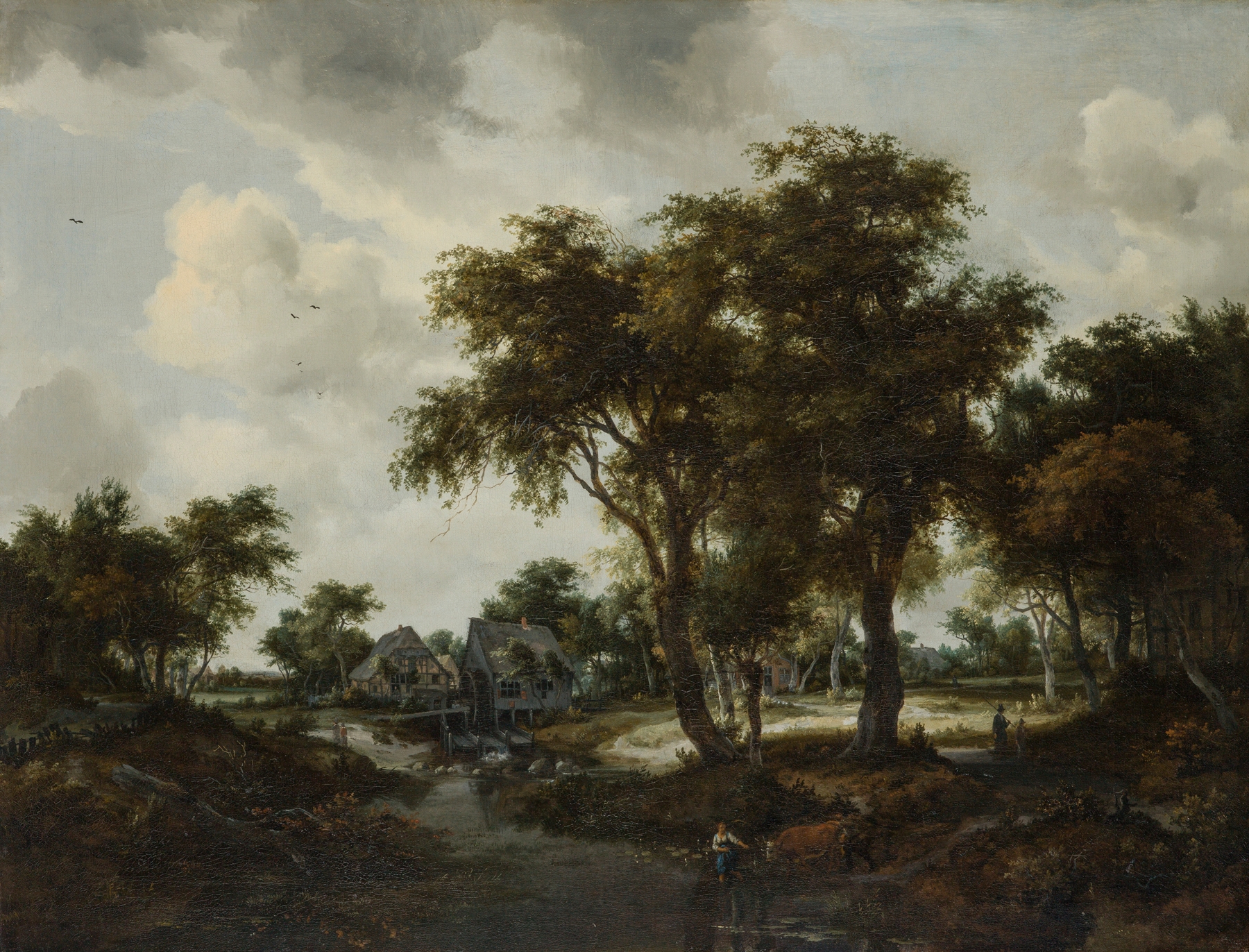
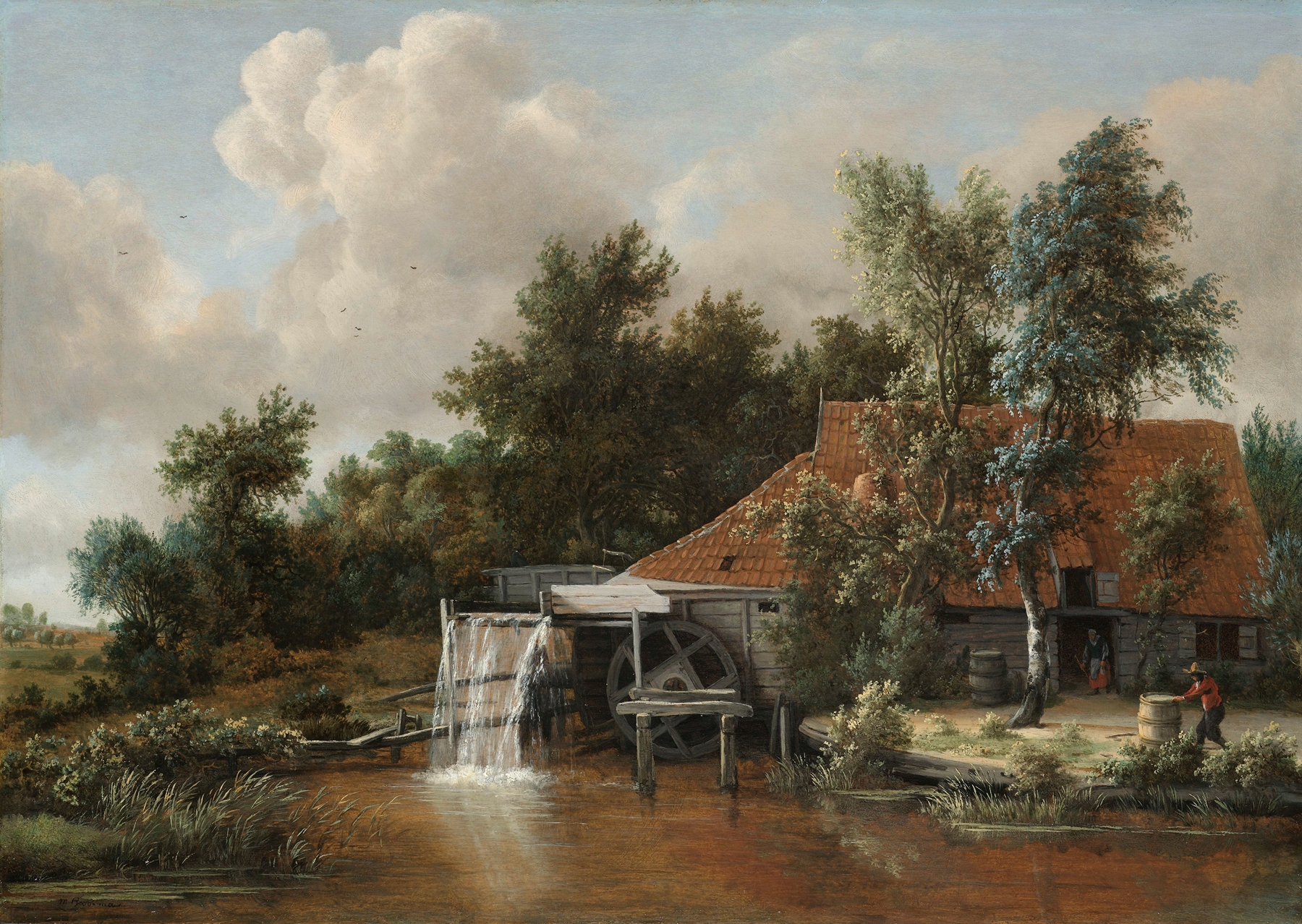
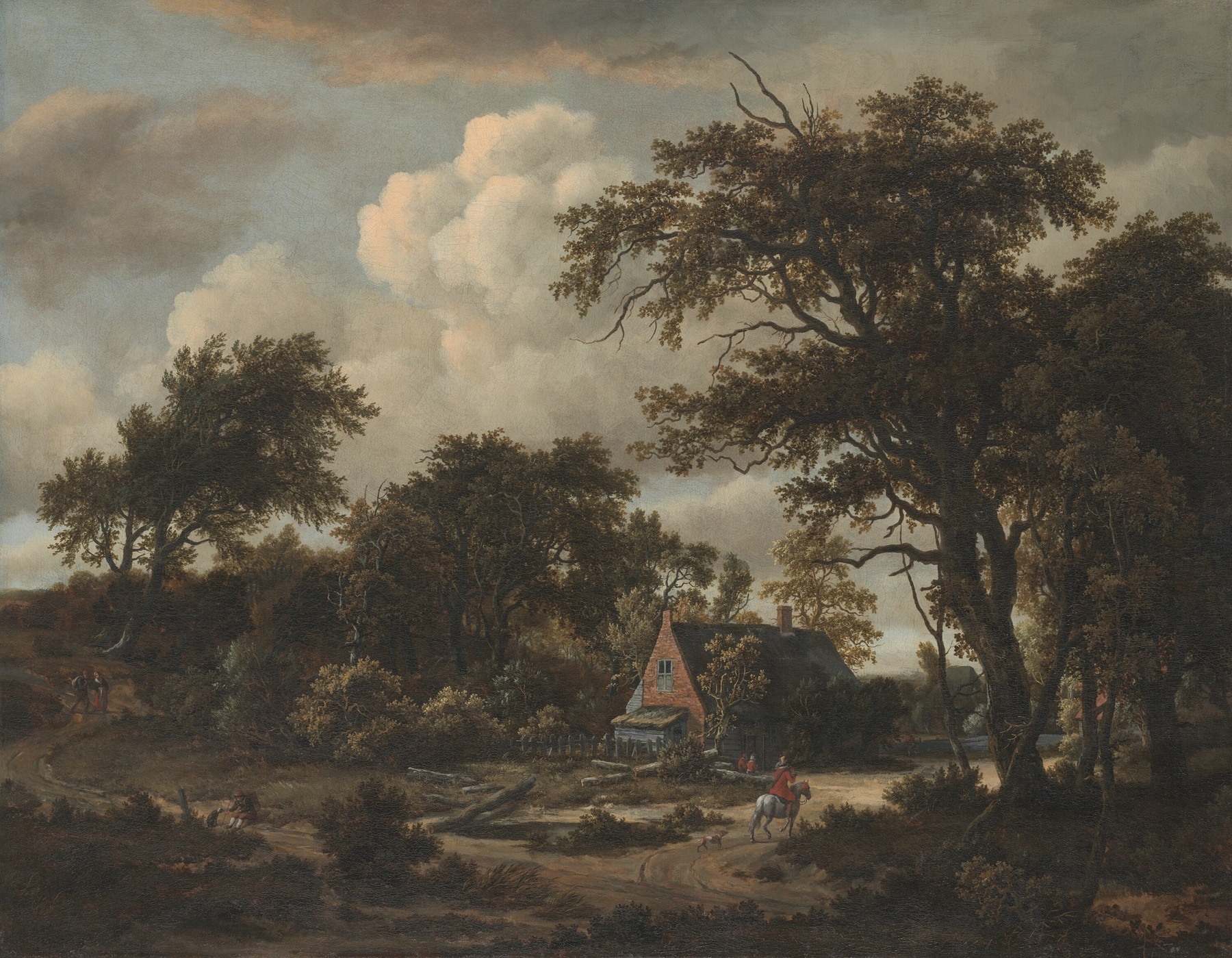
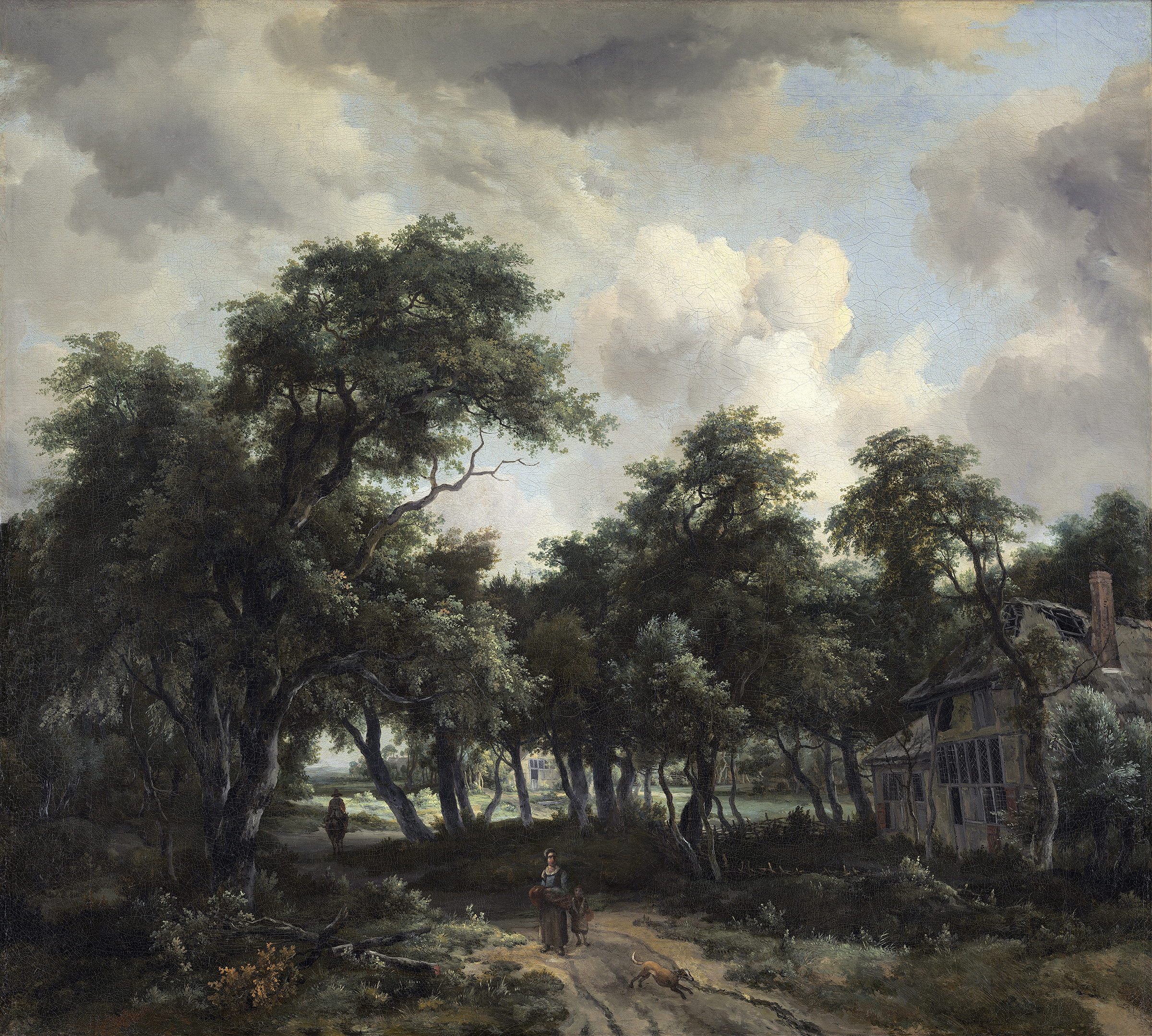
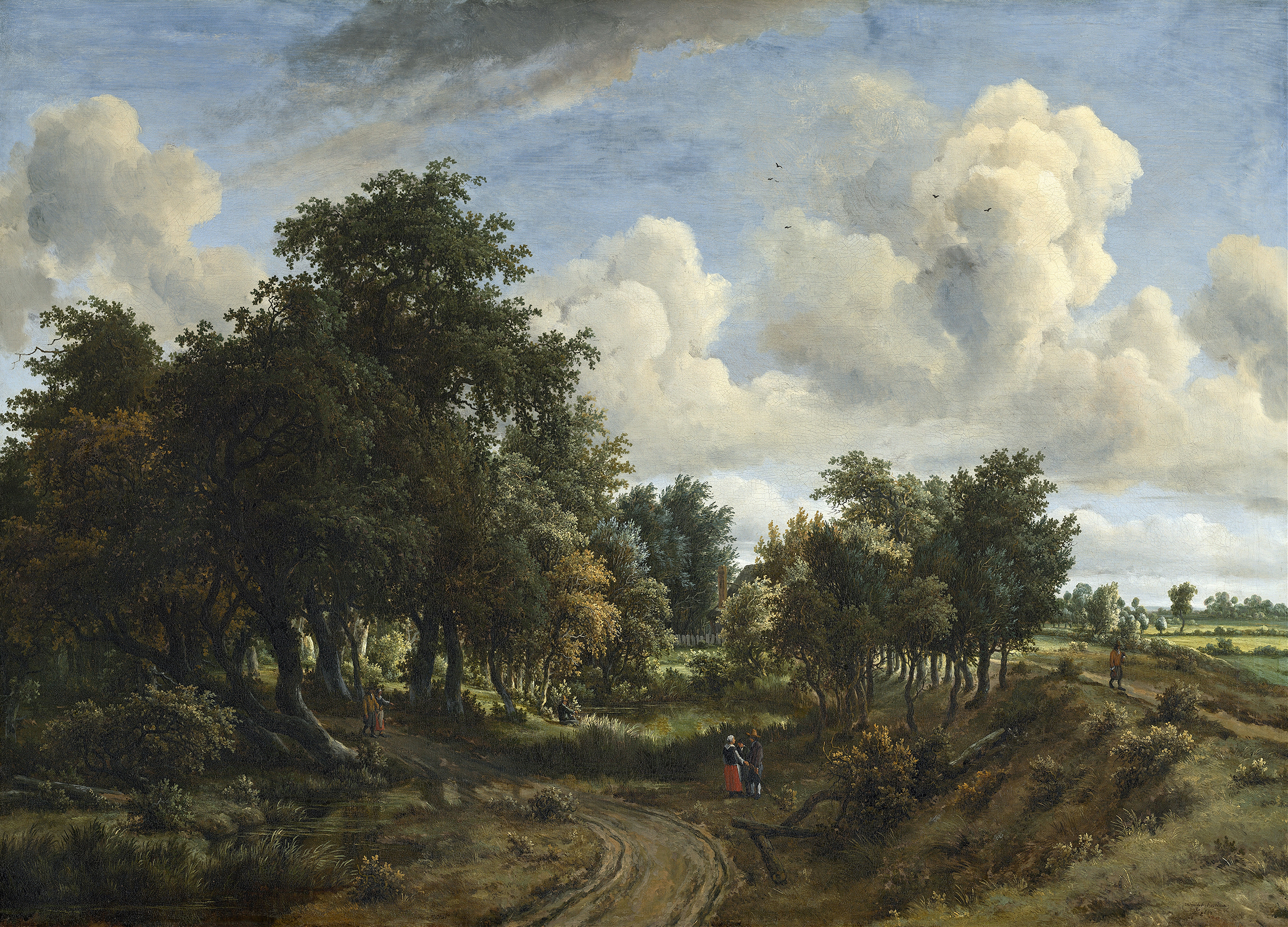
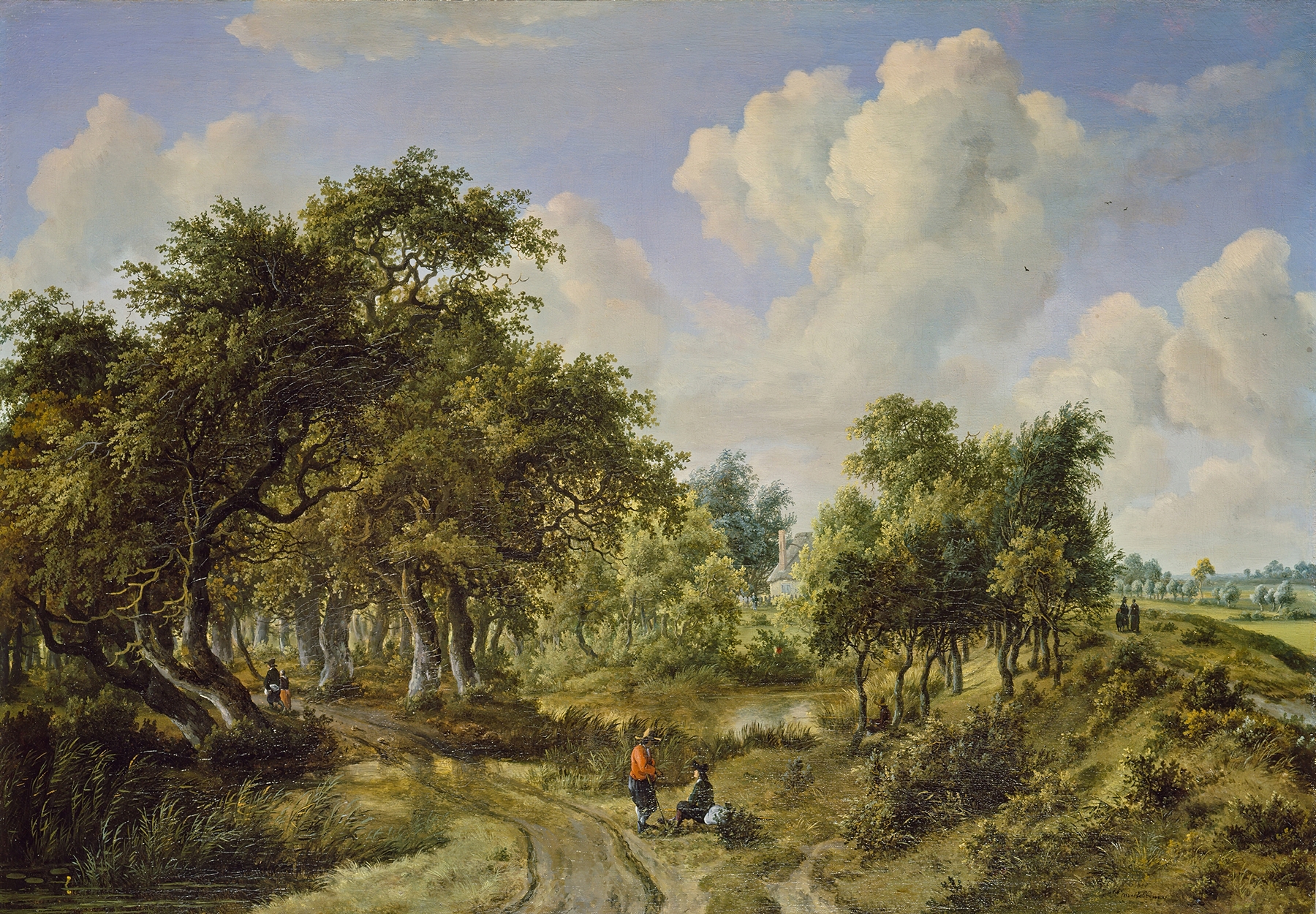
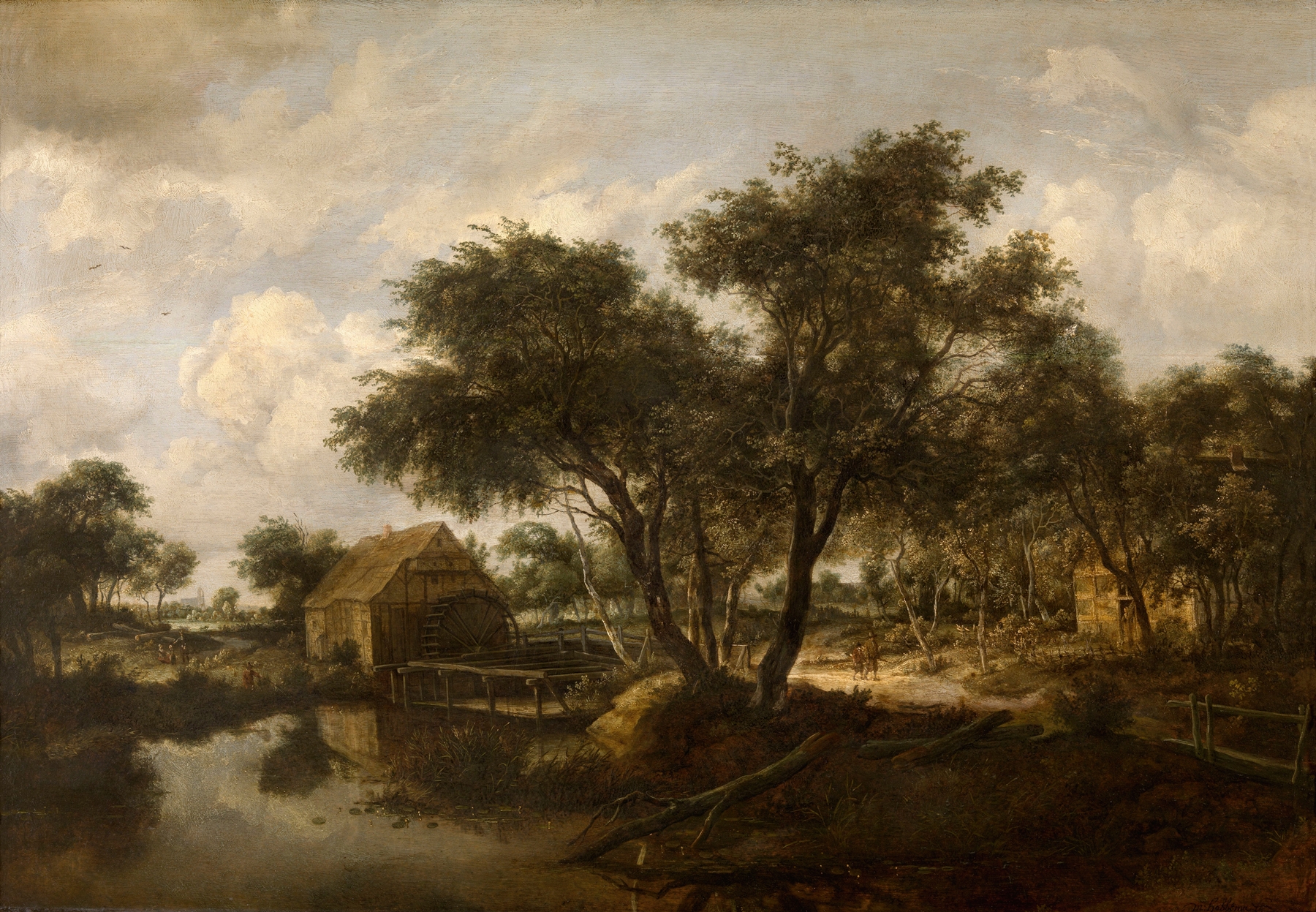
“Every silence here is a confession.” In this tranquil yet poignant moment captured by the artist, decay whispers through the landscape, revealing the passage of time along the riverbanks. The serene water flows gently, reflecting the lush foliage and the distant trees that stand like sentinels to a fading past. Focus on the calm surface of the river, where the soft ripples break the reflections of the overhanging branches. Notice how the golden light filters through the leaves, casting dappled shadows on the water, inviting the viewer to linger. The warm earthy tones of the landscape contrast subtly with the cooler greens, creating a sense of harmony that belies the underlying decay that permeates the scene.
The careful brushwork enhances the textures of the foliage and the weathered structures along the banks, leading the eye deeper into the serene yet melancholic composition. In this painting, the juxtaposition of vitality and decay becomes evident in the aging trees and the gentle erosion of the riverbanks. The presence of a small, dilapidated building hints at human activity that once thrived in this idyllic setting. There’s a tension between the beauty of nature and the inevitable wear of time, encapsulated in the quietude of the scene.
Each element serves as a reminder of life's transience, urging the viewer to reflect on the beauty and fragility of existence. Meindert Hobbema created this work in 1658 while living in Amsterdam, a city thriving during the Dutch Golden Age. At this time, he was establishing his reputation as a landscape painter, focusing on the harmonious relationship between nature and human elements. The serene yet poignant quality of A River Scene reflects both his mastery of technique and the contemplative spirit of an era deeply connected to its surroundings.