A Riverside Inn — History & Analysis
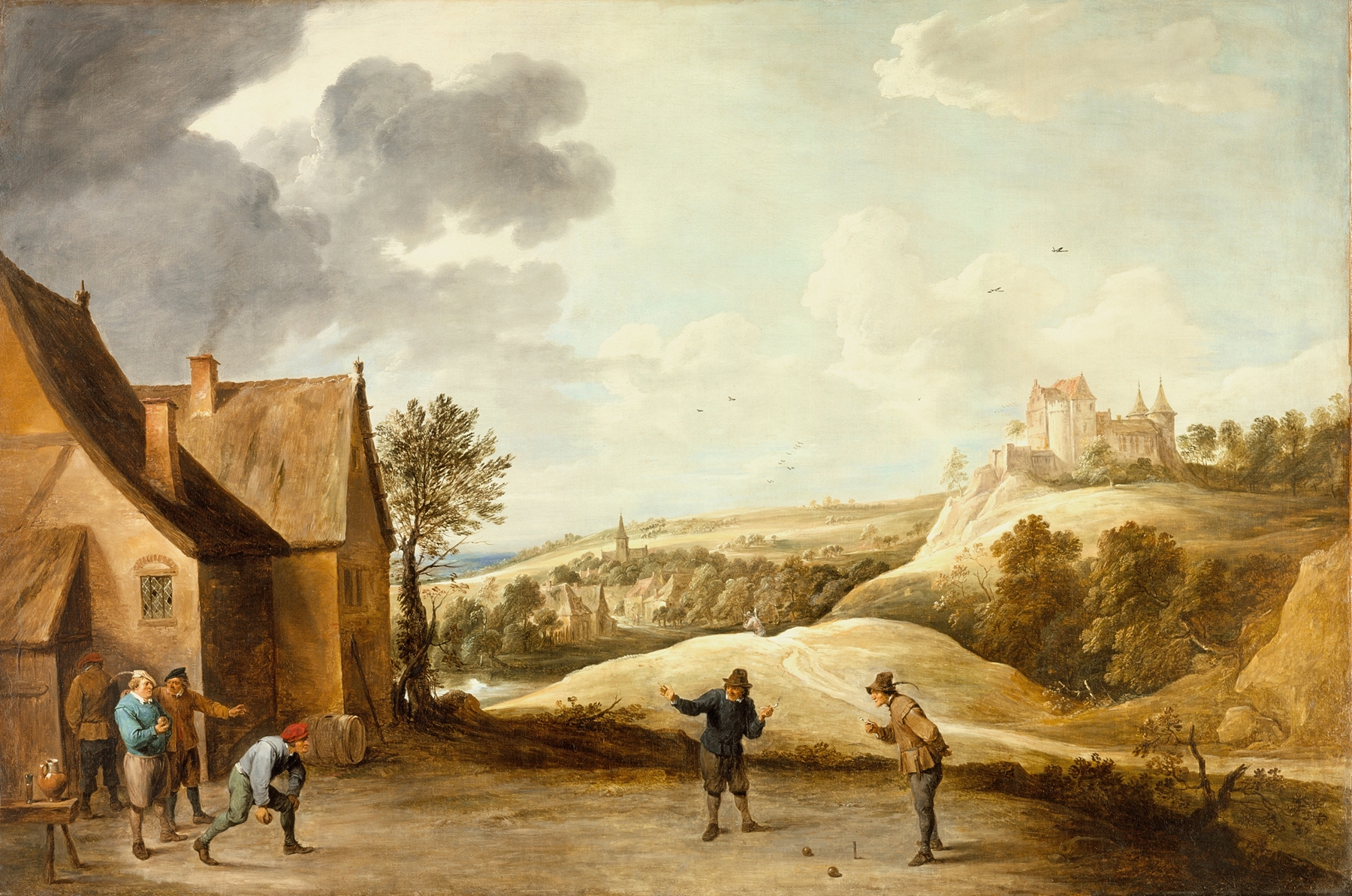
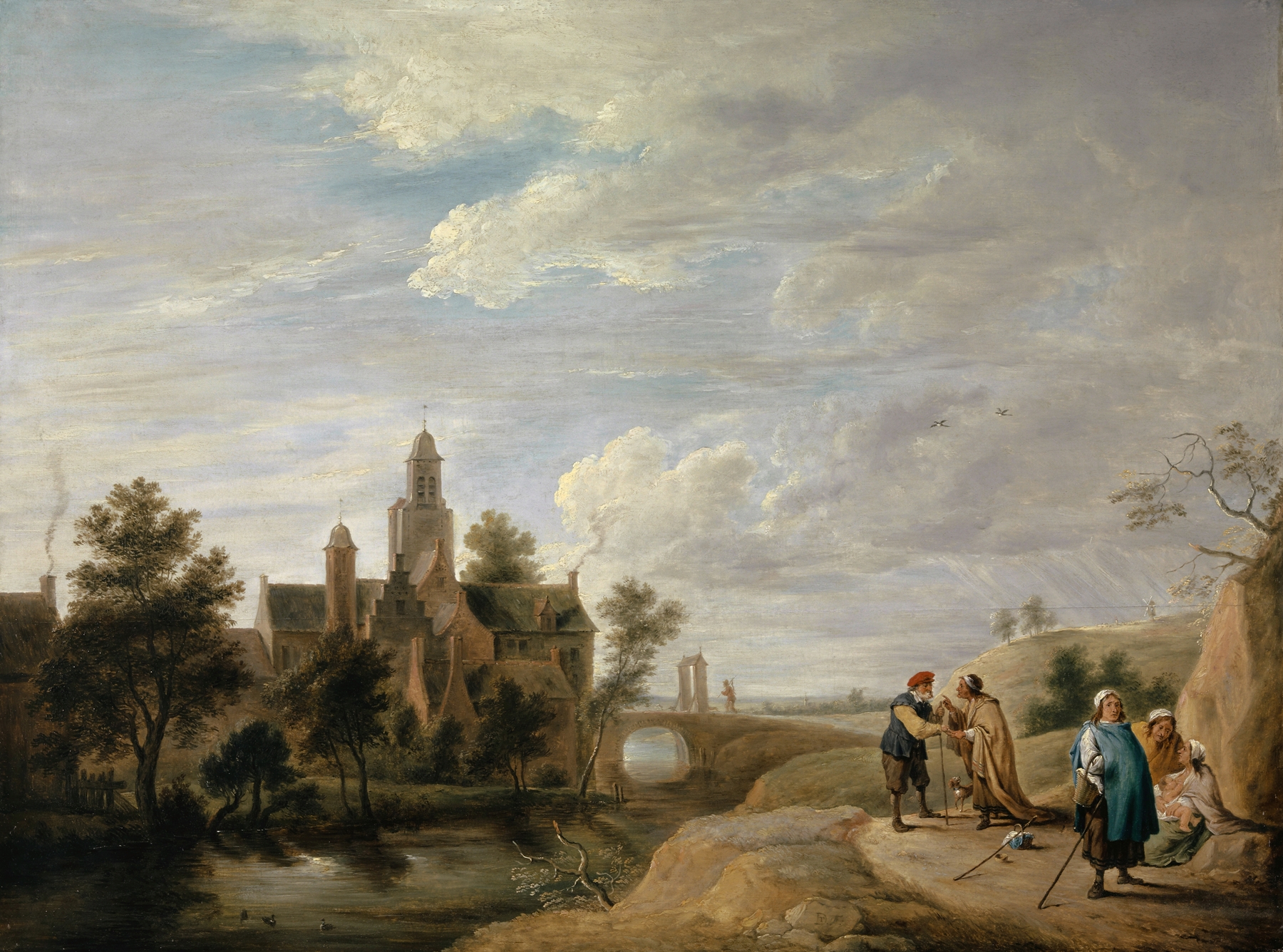
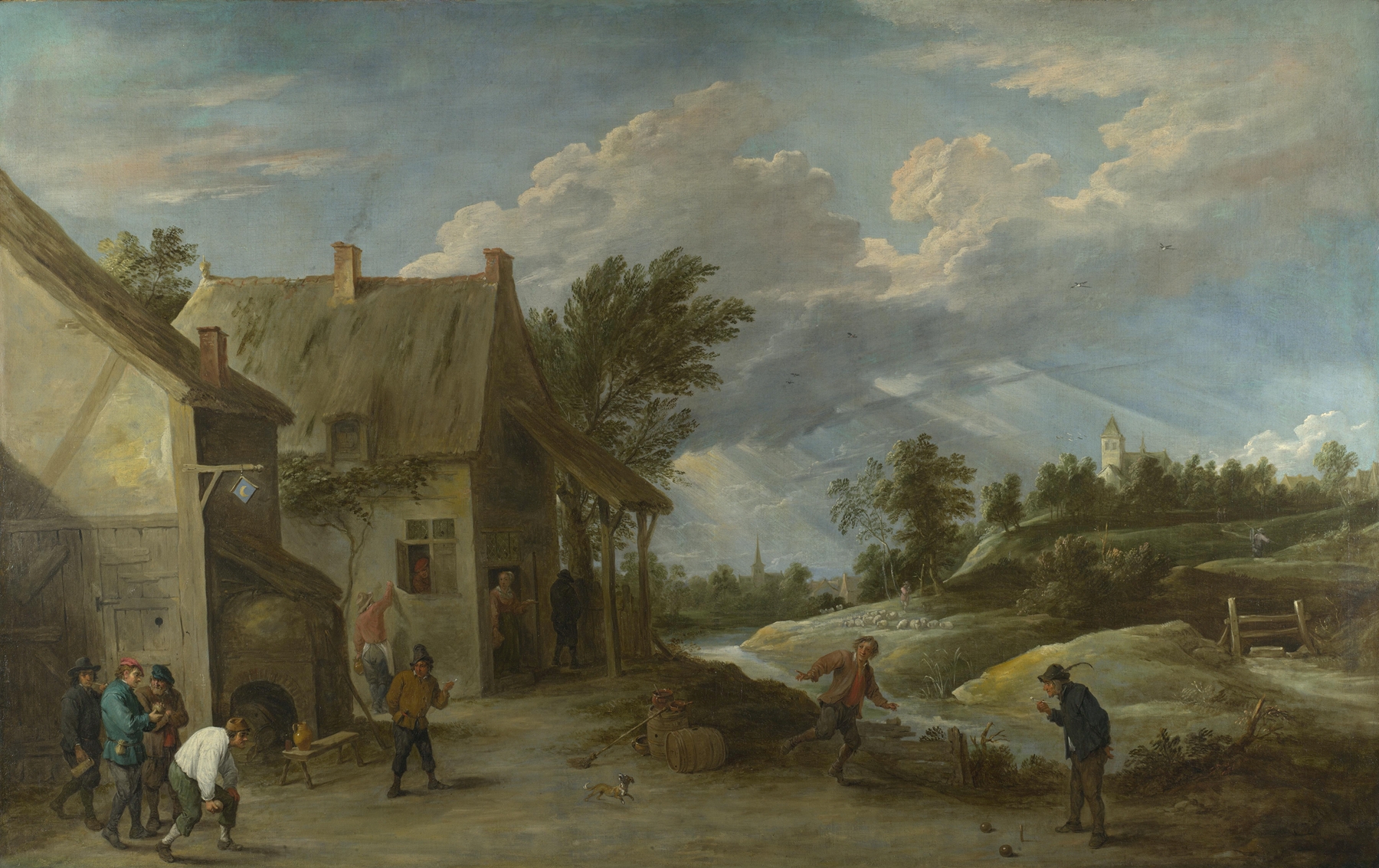
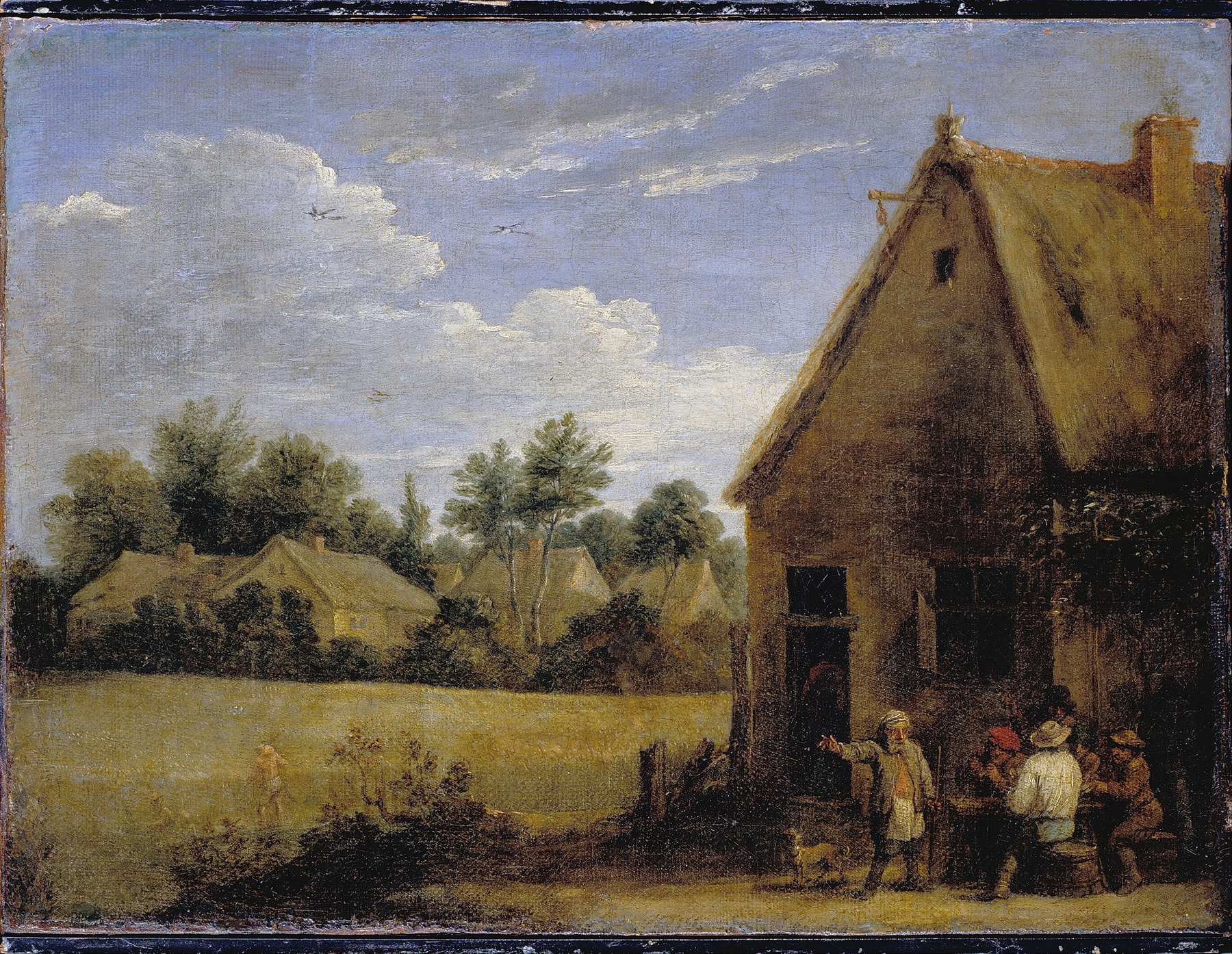
Can beauty exist without sorrow? In A Riverside Inn, David Teniers the Younger invites us to ponder this profound question amidst a scene of rustic charm and humanity. Look to the left at the inviting inn, its thatched roof beckoning weary travelers. The gentle curves of the river create a natural frame, guiding the eye toward the vibrant activity along the banks. Notice how the soft, dappled light dances across the scene, illuminating the figures engaged in laughter and leisure, while shadows hint at the untold stories of their lives.
The warm palette—earthy browns and lush greens—evokes a sense of serenity, yet contrasts with the darker undertones lurking in the edges, suggesting that joy and hardship often coexist. In this idyllic setting, the serene interactions hint at deeper emotional tensions. The merry groups seem oblivious to the fleeting nature of time, as the river flows steadily by—a metaphor for life’s transience. Subtle details, like the solitary figure apart from the revelry, echo a sentiment of isolation that pervades even the happiest moments.
This juxtaposition of gaiety and solitude encapsulates the essence of human experience, where laughter often conceals deeper sorrows. Created around 1645-1650, this work emerged during Teniers' period in Antwerp, where he was deeply influenced by the burgeoning interest in genre painting. At this time, the art world was shifting towards more intimate and relatable subjects, reflecting the daily lives of ordinary people. As Teniers navigated the demands of both patrons and the evolving art market, he crafted this piece, which captures not just a moment, but also the intricate dance between joy and melancholy in the human condition.