A Shell Crater — History & Analysis
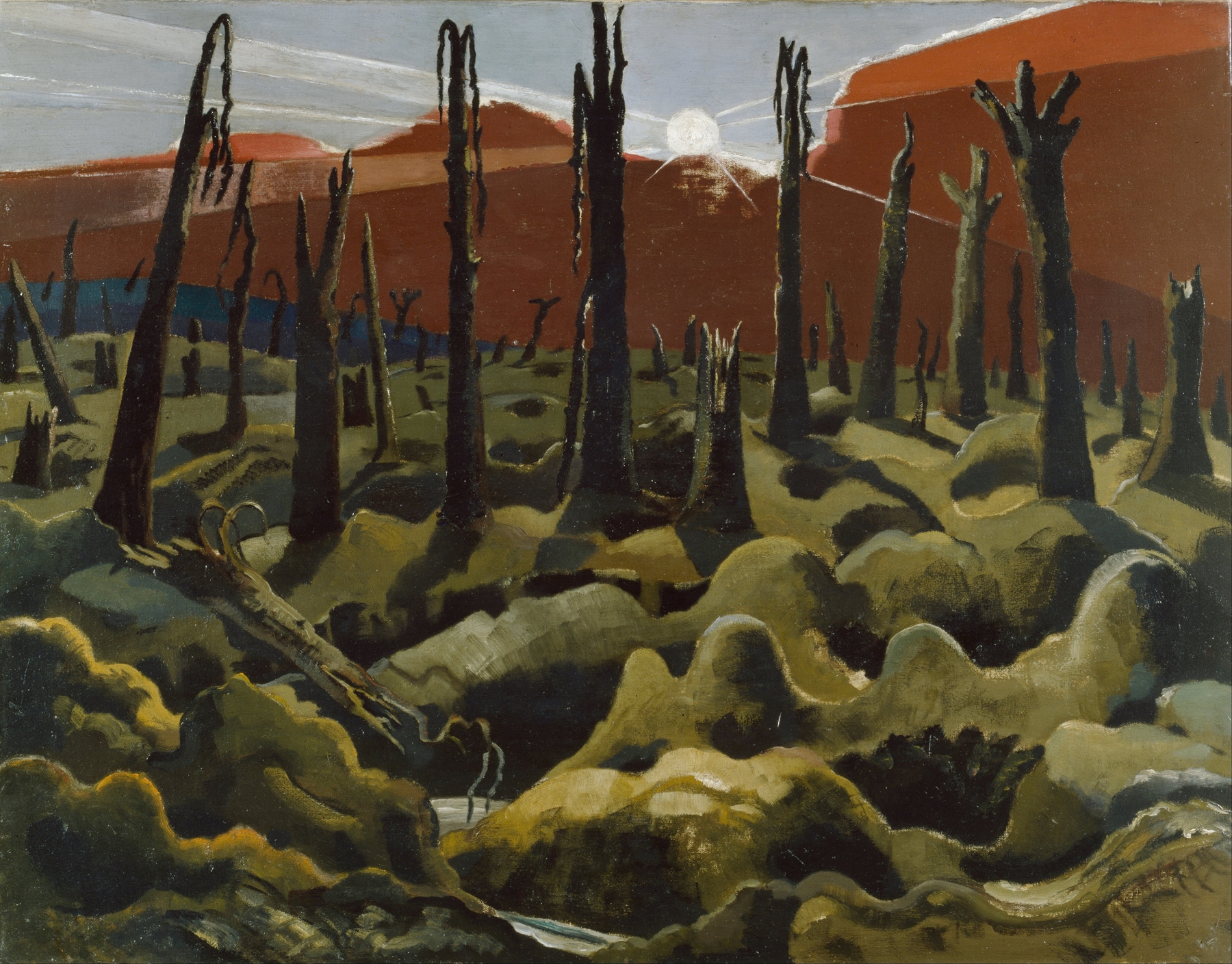
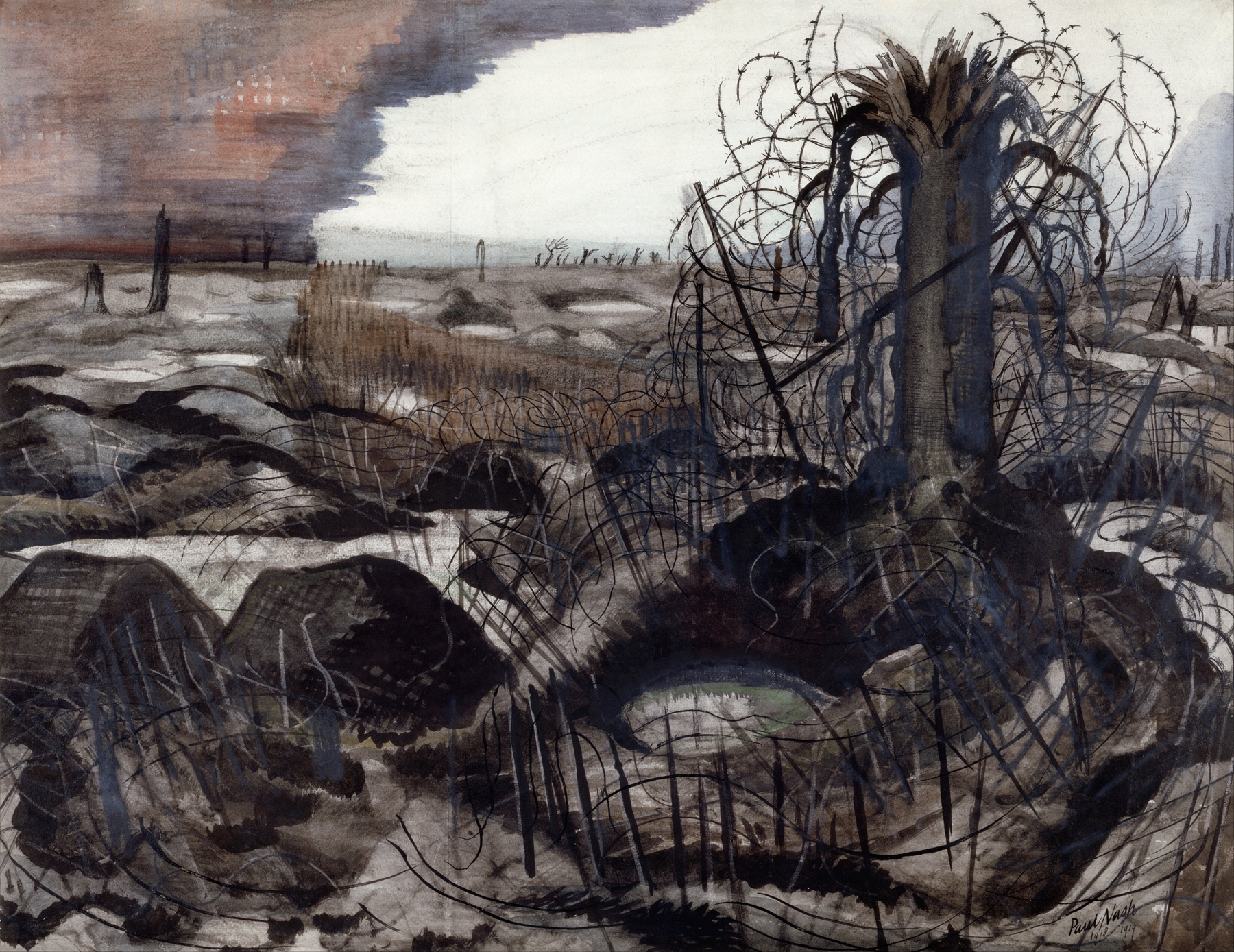
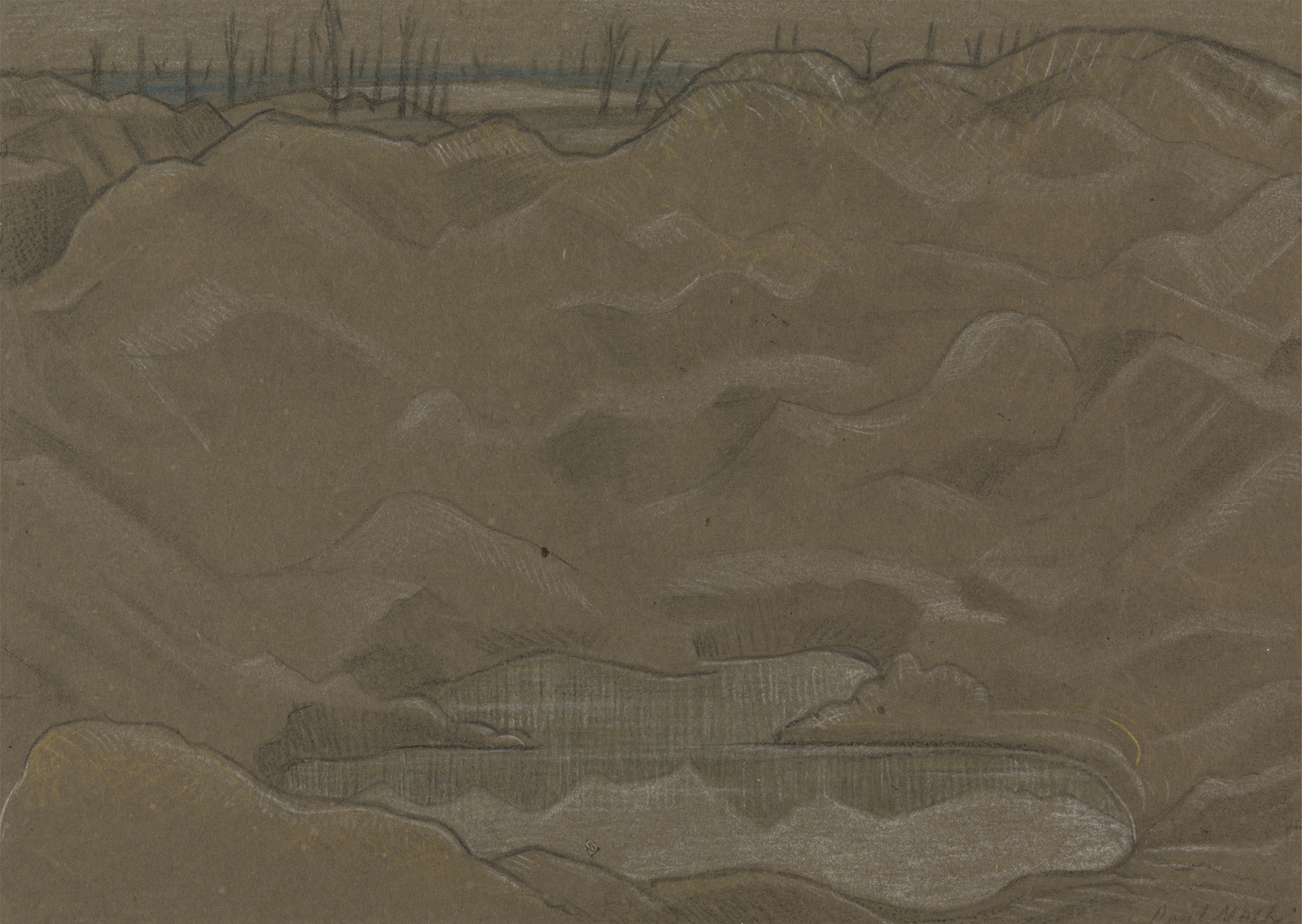
Did the painter know this moment would outlive them? In the aftermath of devastation, a single shell crater, carved from the earth, stands as both a wound and a witness, echoing the silent yet profound impact of war. Focus on the crater at the center of the canvas, where jagged edges catch the light and the soft, muted earth tones draw the eye. Surrounding it, the landscape blends into a palette of grays and browns, evoking a sense of desolation.
Notice how the contrasting textures—the roughness of the crater's walls against the smooth expanse of the sky—capture the raw intensity of the moment. This juxtaposition of life and destruction is palpable, enhancing the emotional weight of the scene. Beneath the surface, hidden meanings emerge. The crater represents not just a physical scar on the landscape, but a metaphor for loss and the fragility of existence.
The interplay of light and shadow reflects the duality of hope and despair, while the barren ground suggests both an end and a potential for rebirth. Each element within the composition subtly conveys the psychological toll of war, invoking contemplation on the human cost of conflict. In 1918, Paul Nash painted this piece amid the horrors of World War I, during a period when he was deeply engaged with the realities of battlefields and their aftermath. The painting captures not only his personal experience but also a significant shift in the art world, as artists began to confront and respond to the brutal realities of war, moving away from romanticized portrayals to more stark, emotional representations.