The Severn Bore near Pimlico Sands — History & Analysis
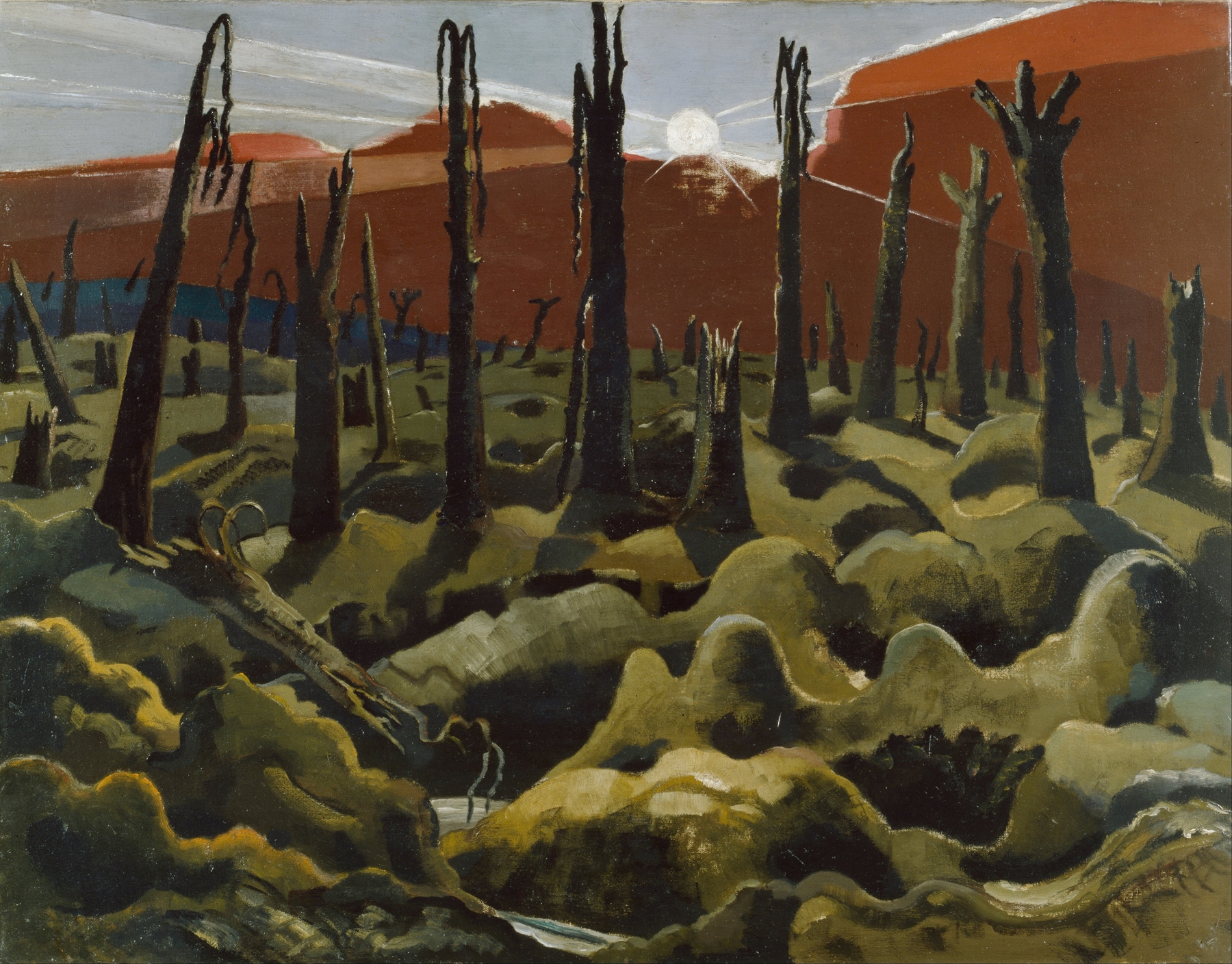
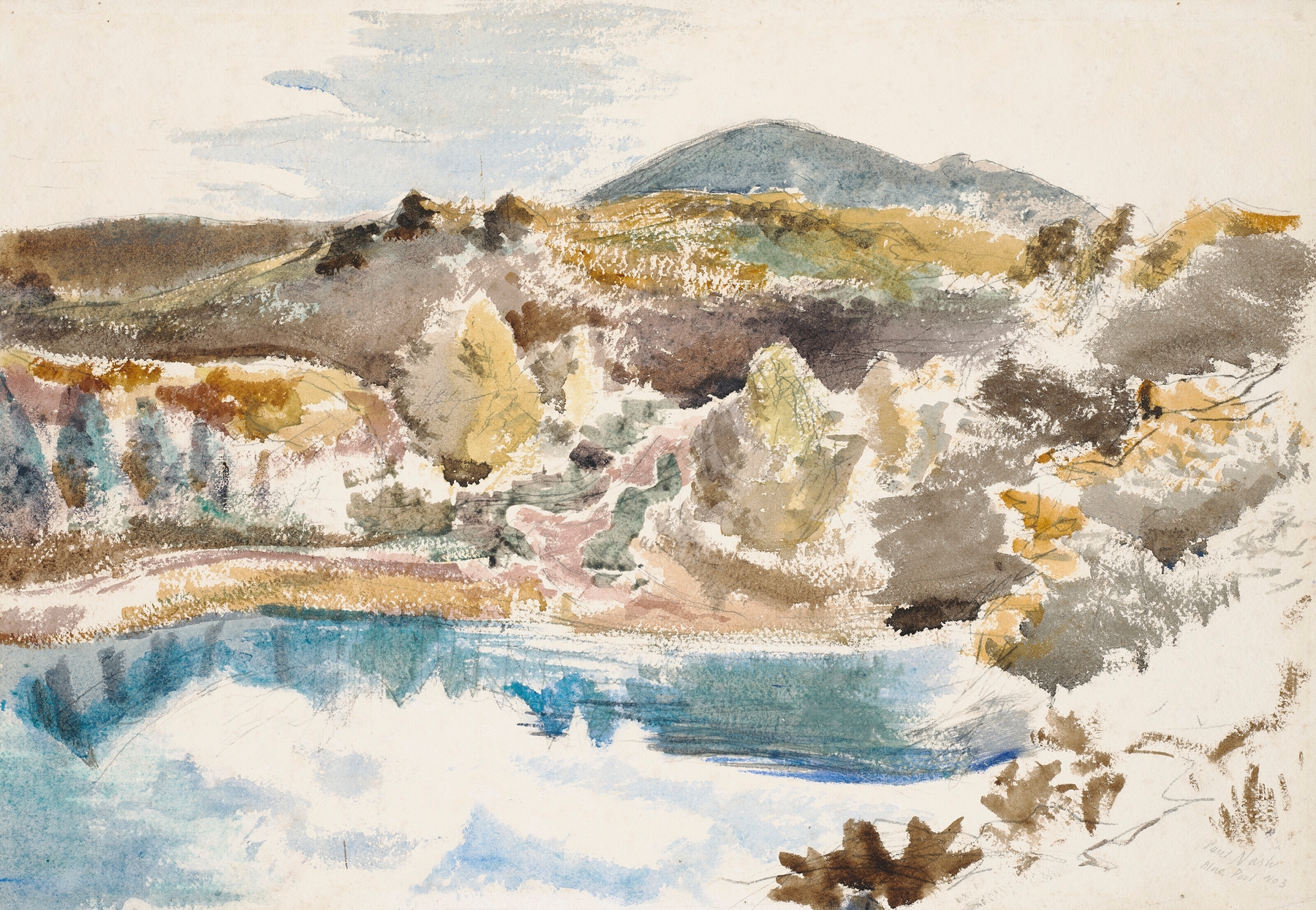
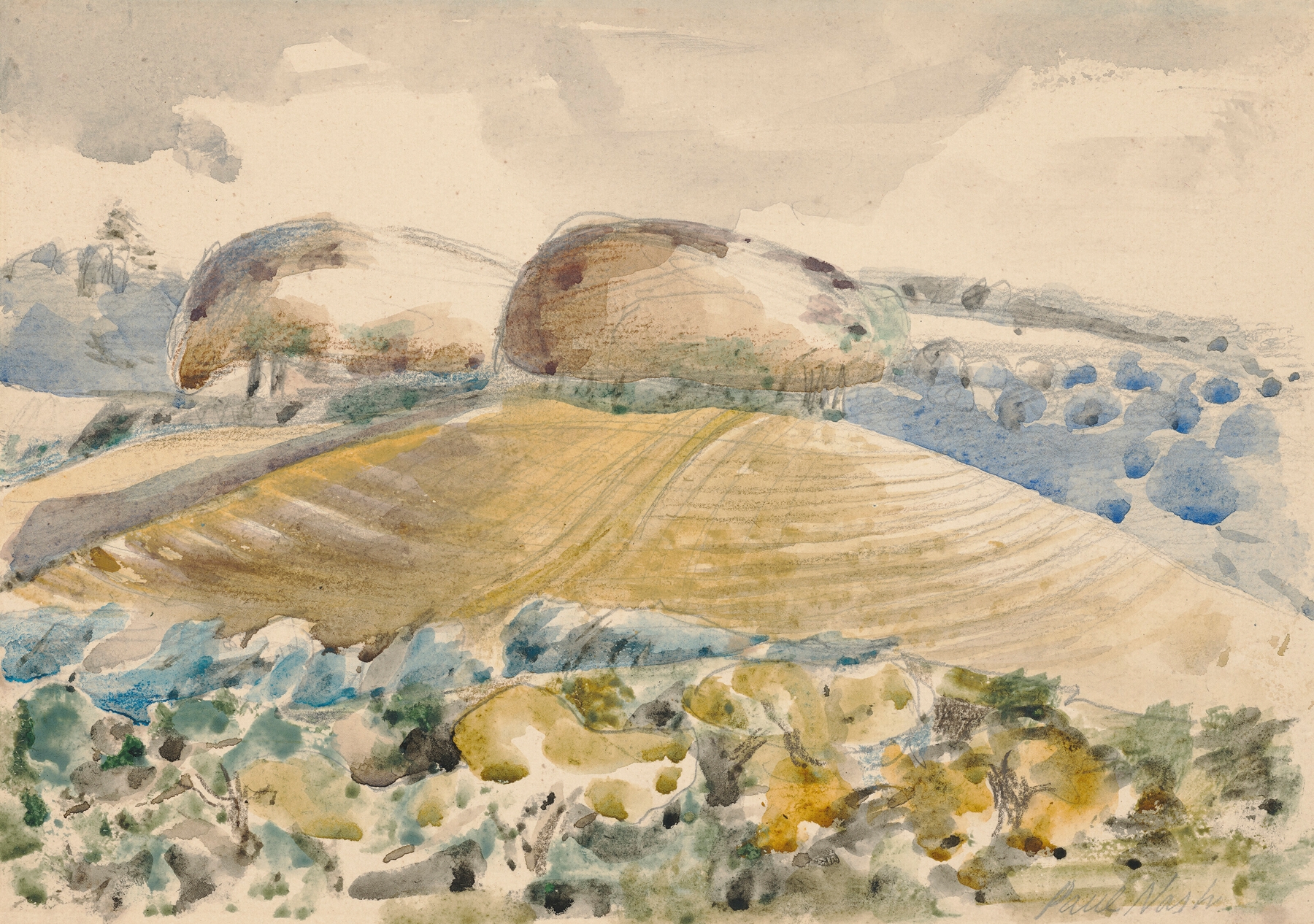
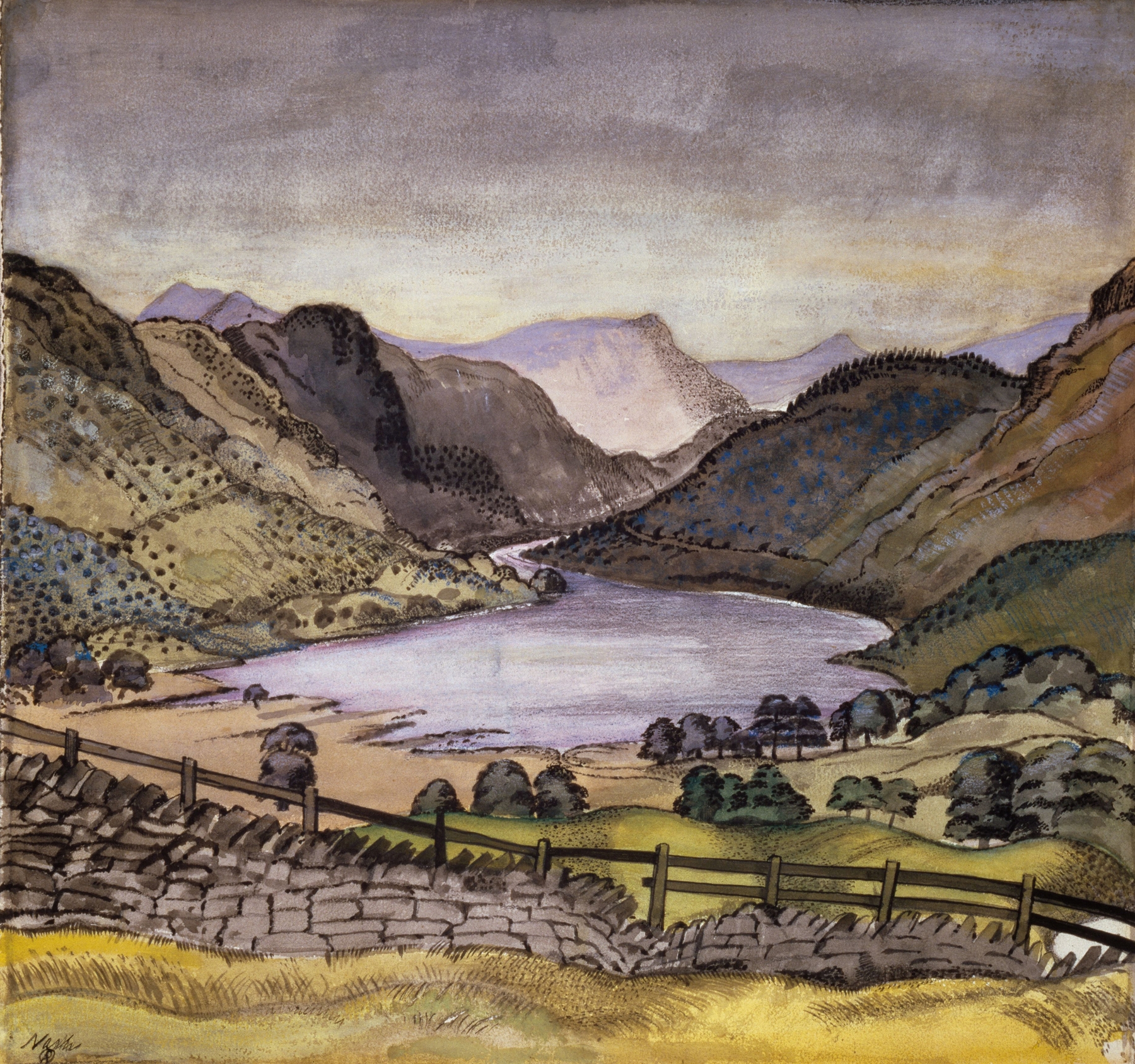
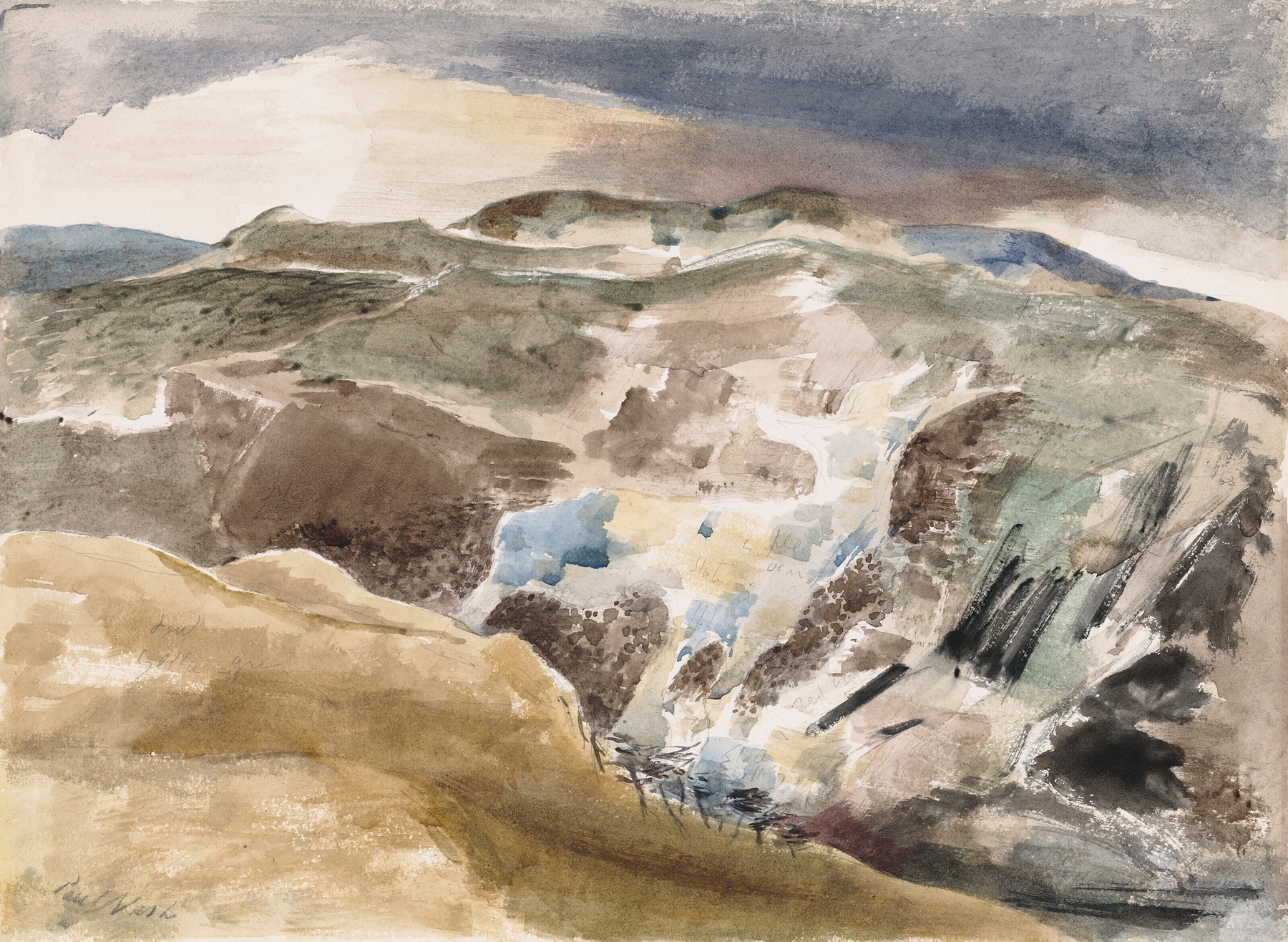
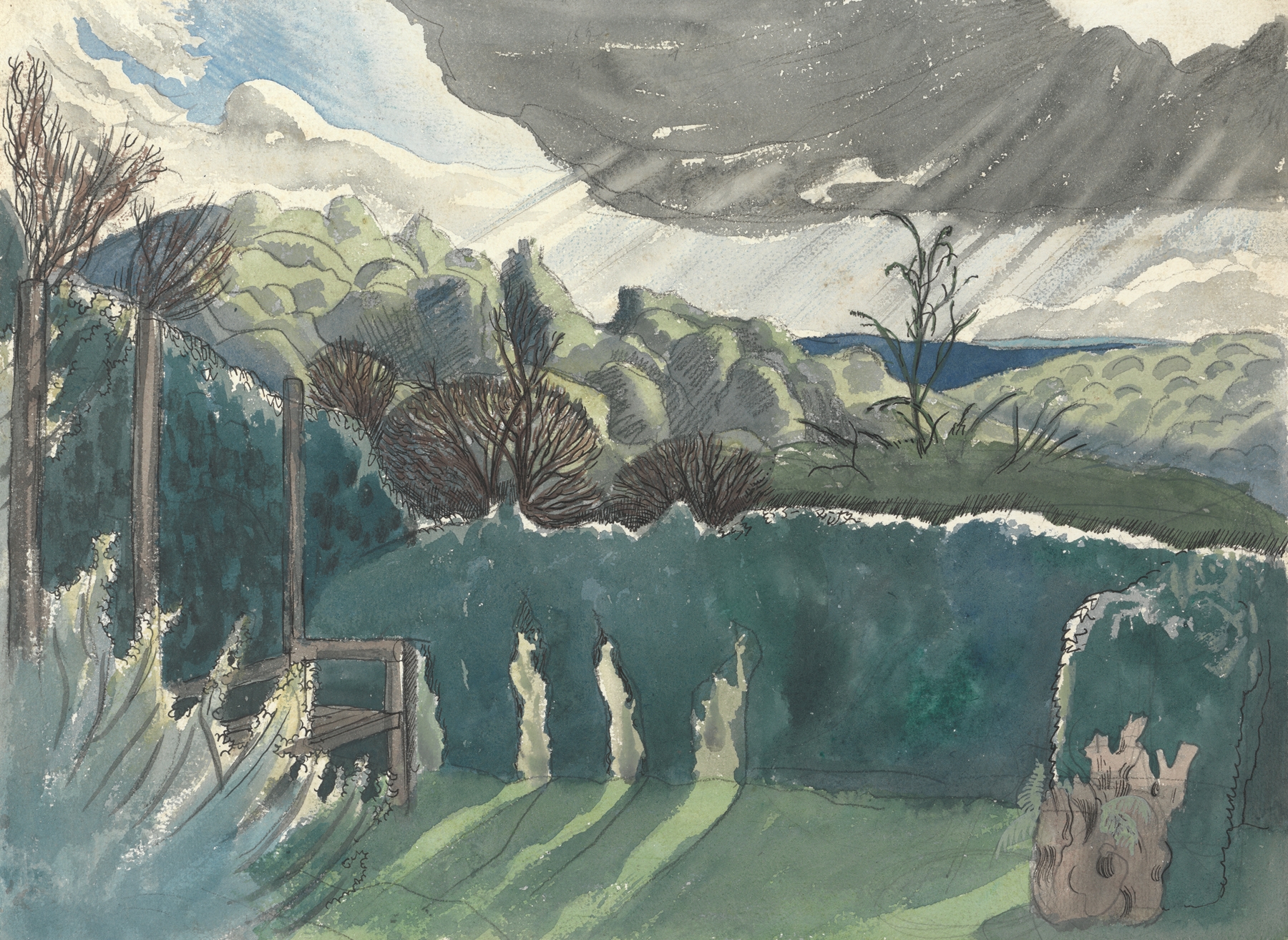
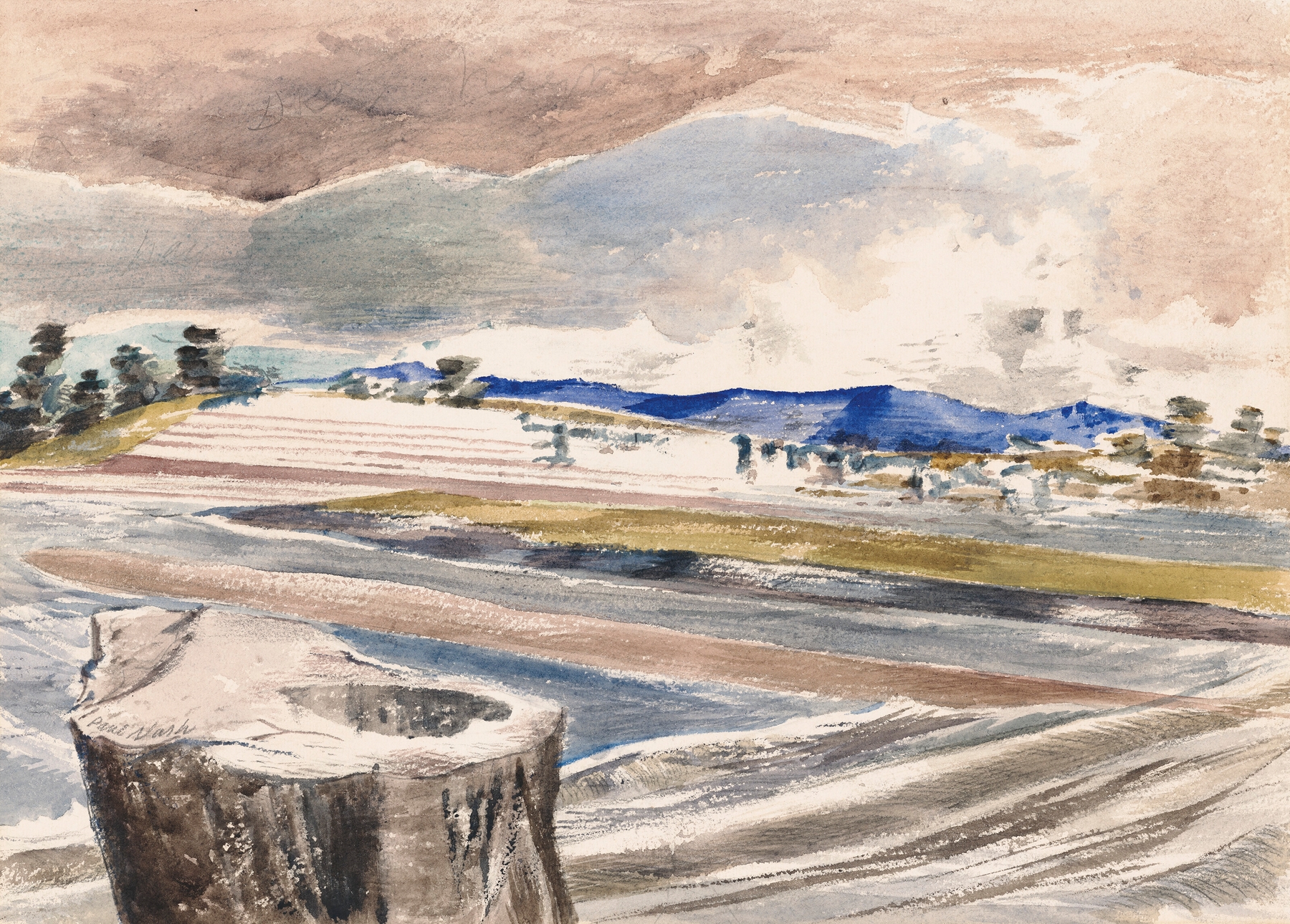
Can beauty exist without sorrow? In the quietude of The Severn Bore near Pimlico Sands, the answer lingers like a whisper over still waters. Look to the left at the soft, undulating banks, where muted greens and browns meld with the ever-changing hues of the river. The horizon stretches wide, inviting your gaze to wander along the water’s edge, where a solitary figure stands, silhouetted against the tranquil backdrop. Notice how the gentle brushstrokes capture the interplay of light and shadow, evoking a sense of stillness and reflection.
The subtle gradations of color seem to breathe life into the landscape, encouraging contemplation of the serene yet elusive nature of beauty. Within this calm, there lies an undercurrent of tension. The solitary figure may evoke both solitude and connection to nature, hinting at a profound introspection. The river's surface, though calm, suggests the hidden force of the bore—an unseen power lurking beneath the serene façade.
This contrast between tranquility and potential turbulence invites the viewer to ponder the duality of existence, where moments of peace often shadow deeper currents of emotion. In 1938, Paul Nash painted this piece while navigating the complexities of his artistic identity amid the tumult of a world inching toward conflict. Living in England, he was steeped in the surrealist movement, allowing nature's quiet beauty to influence his work. This painting reflects not just the landscape before him, but also the internal struggle of an artist caught between the sublime and the chaotic, capturing a moment of stillness before the storm.