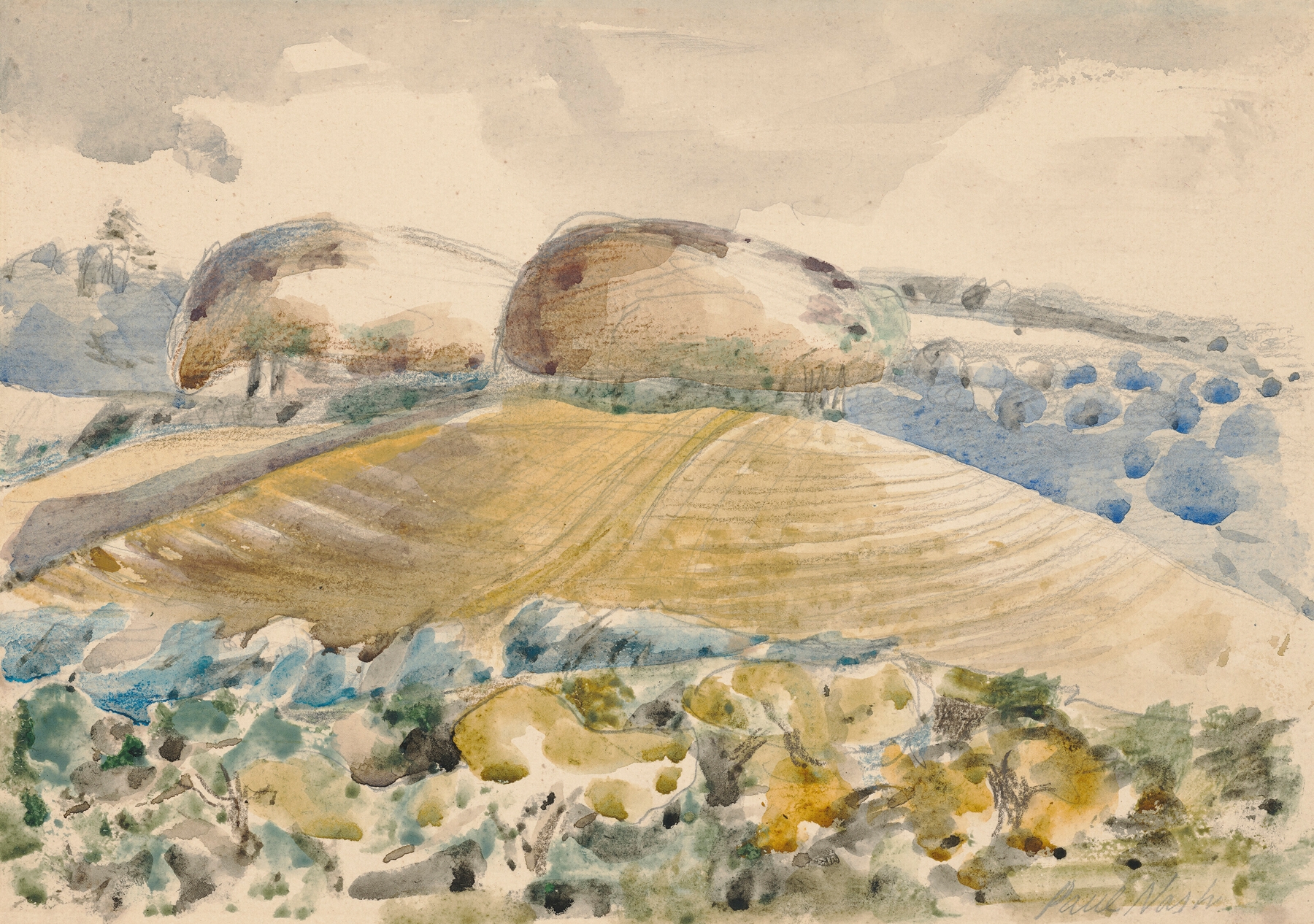
Landscape of the Wittenham Clumps — History & Analysis
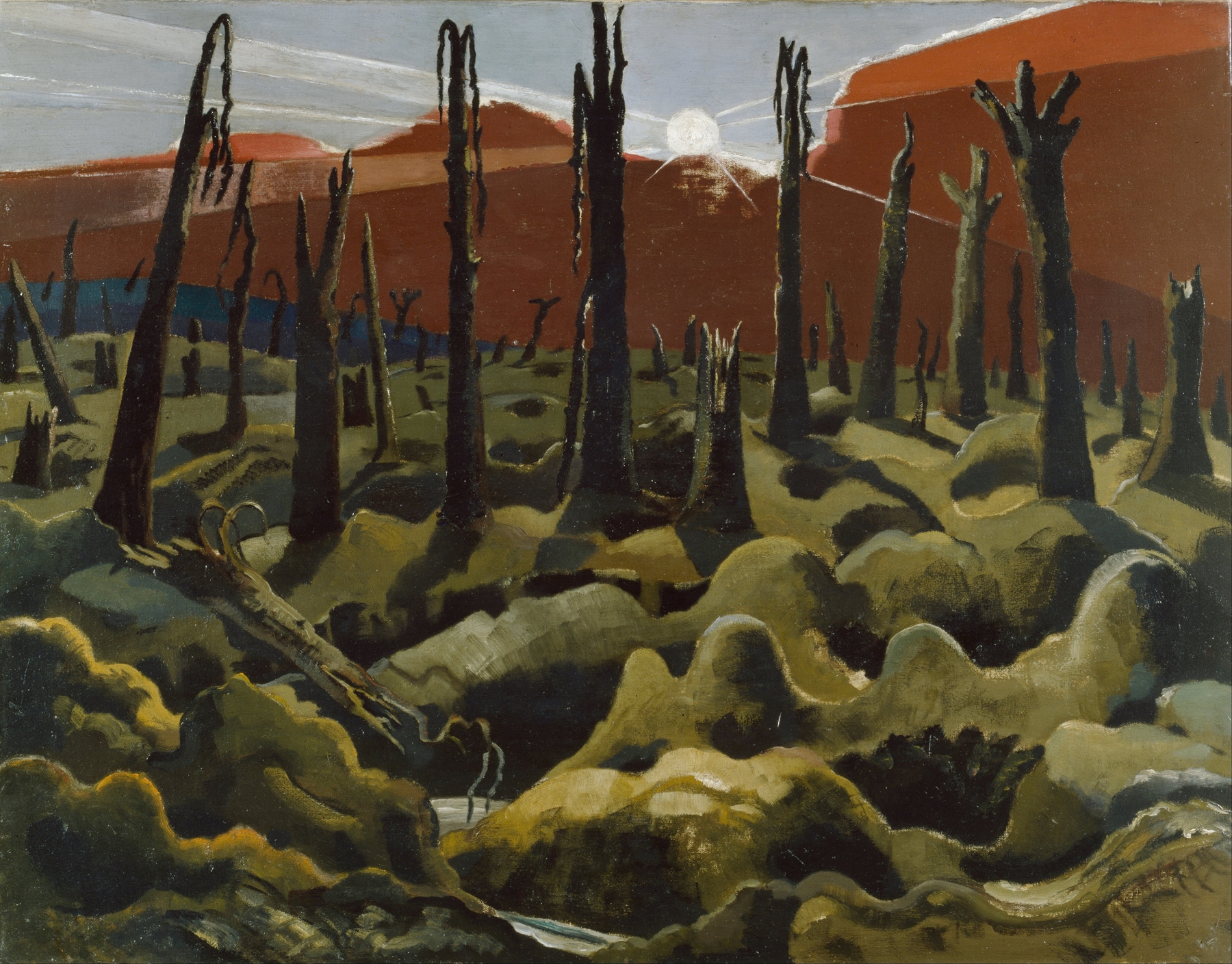
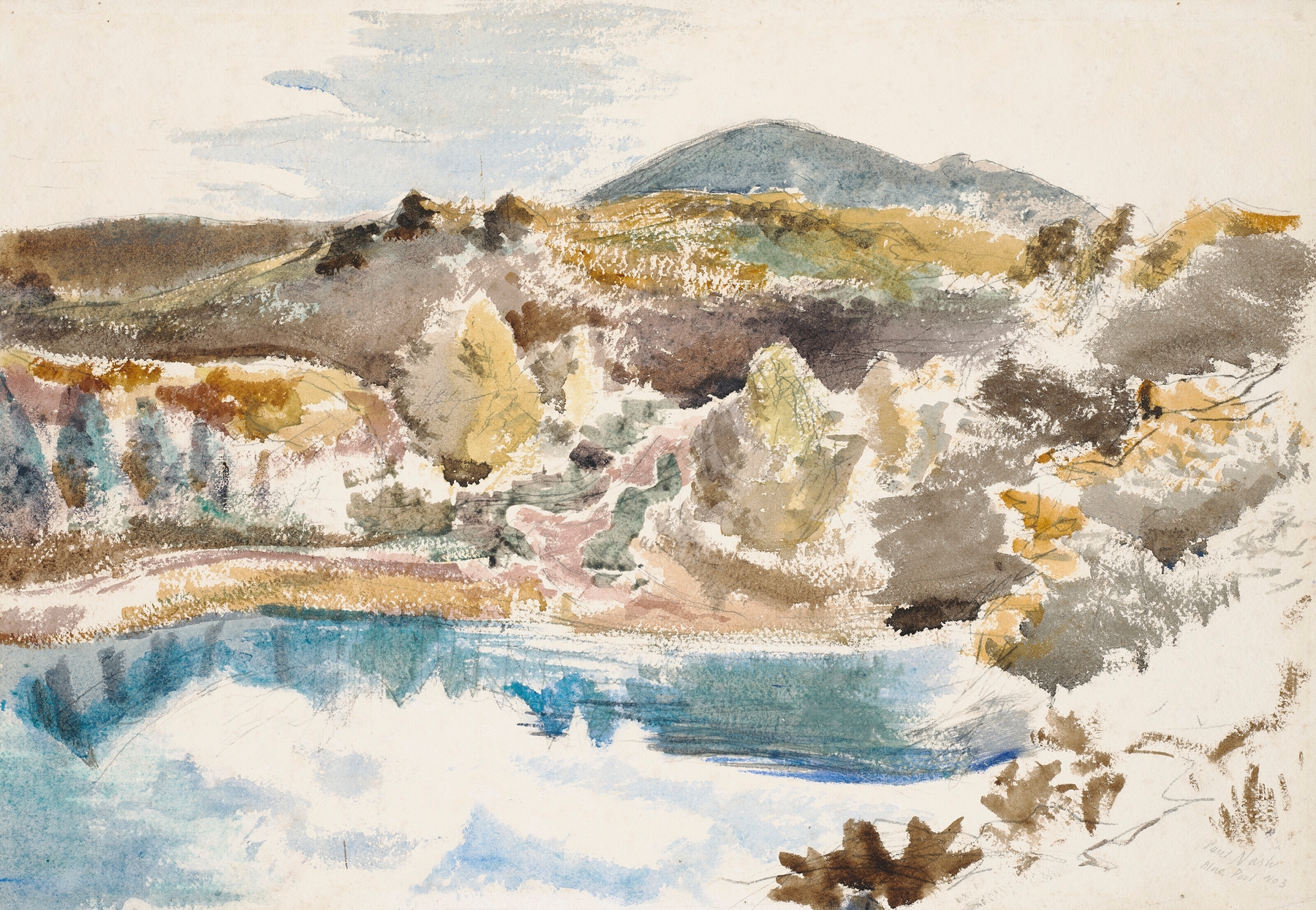
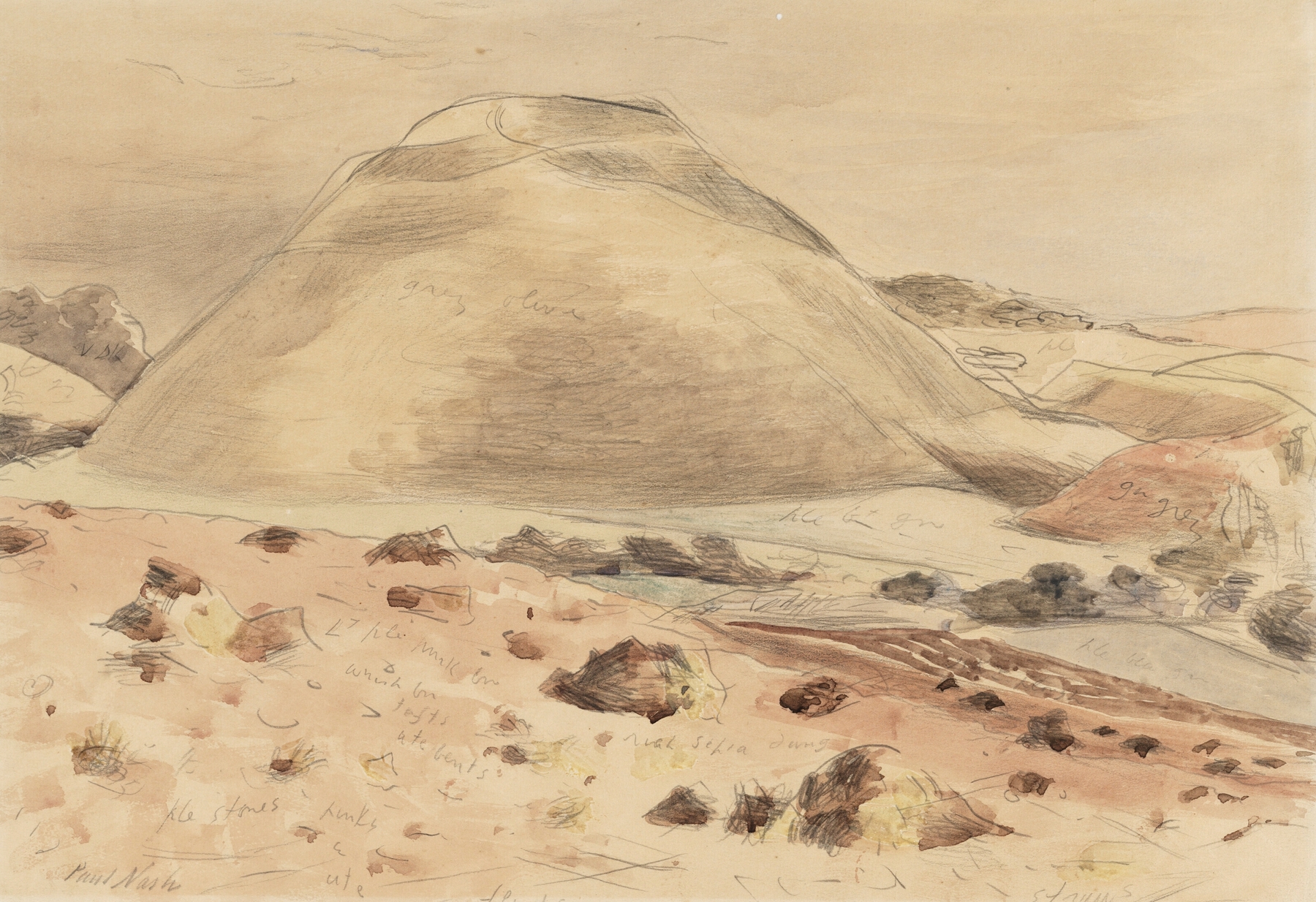
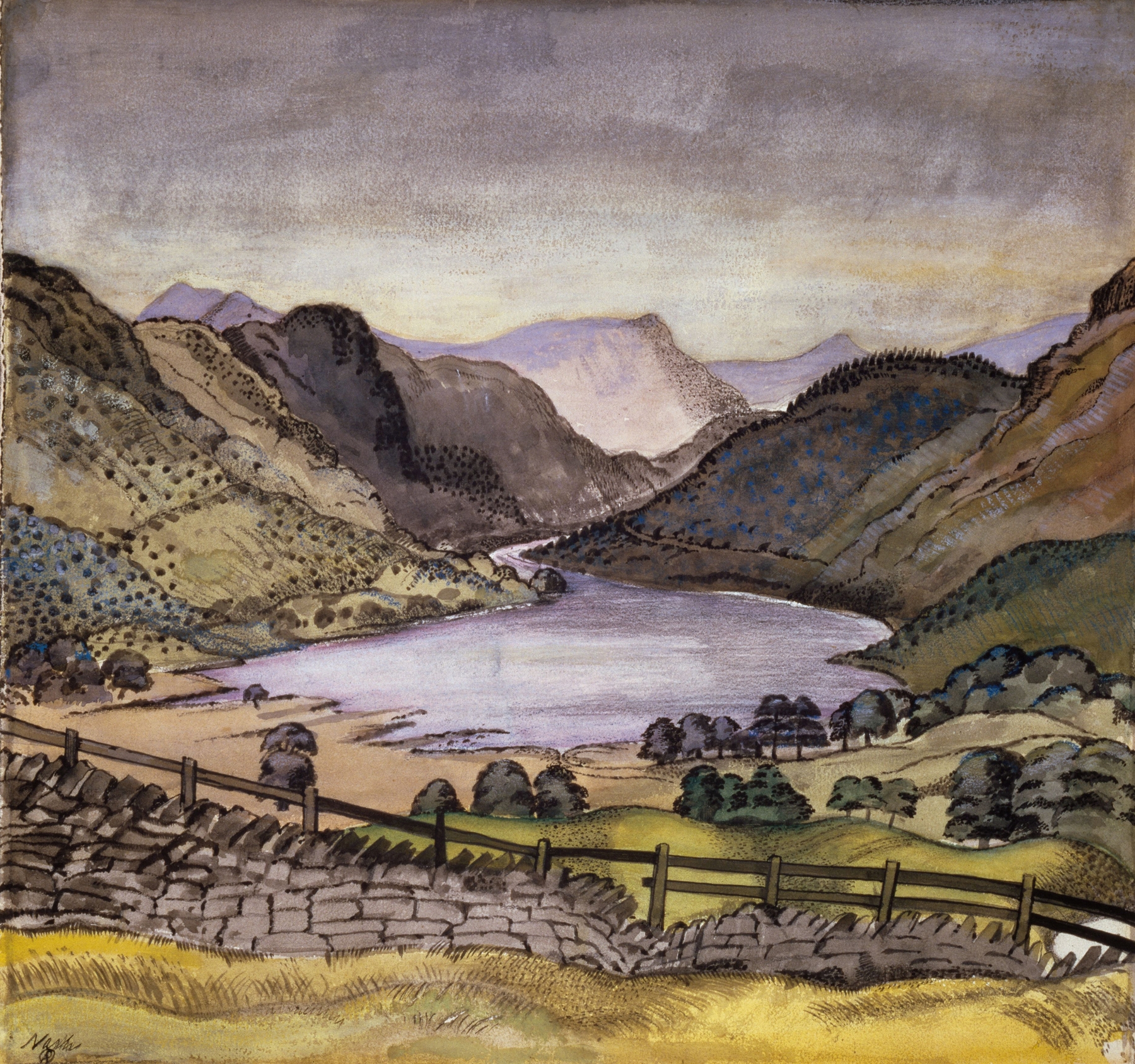
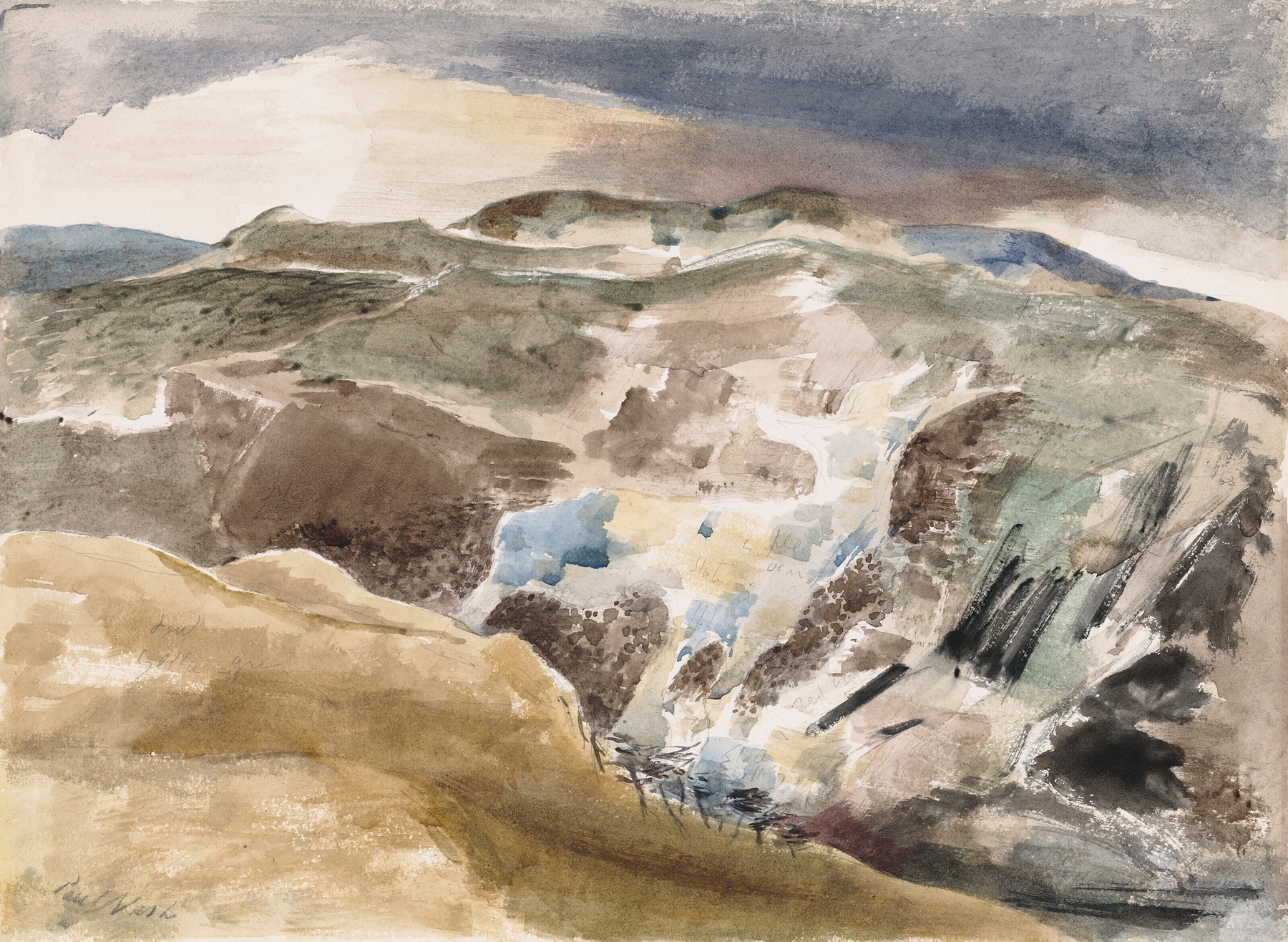
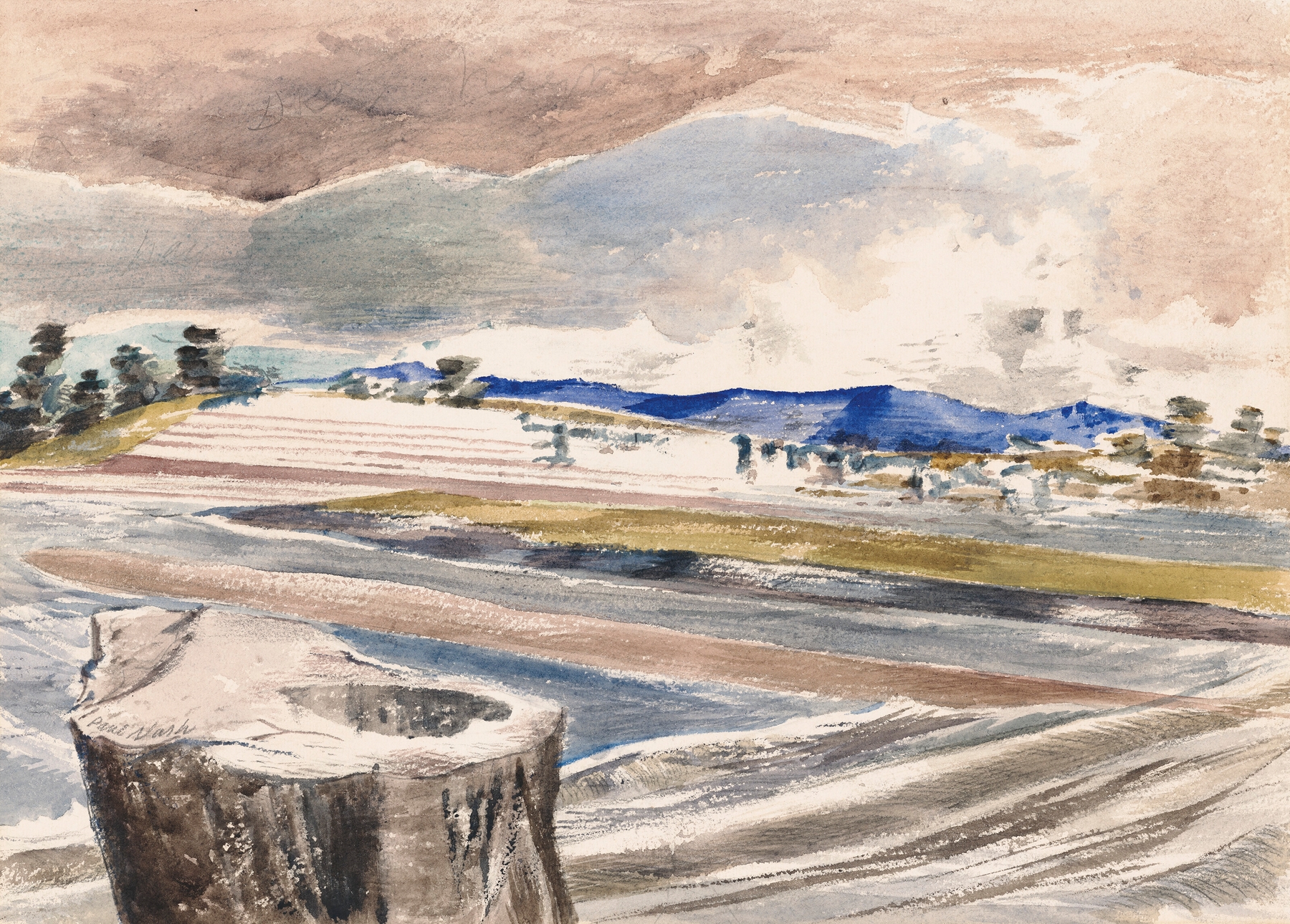
“The canvas doesn’t lie — it simply waits.” In a world marked by destruction and despair, how can nature reclaim its voice amidst the echoes of loss? This question lingers in the air, whispering of rebirth and renewal, urging us to seek solace in the gentle embrace of the landscape. Look to the horizon where the emerald hills rise and fall, their undulating forms gracefully framed by a sweeping sky. The muted palette of greens and earthy tones draws your eye, creating a harmonious interplay of light and shadow. Notice how the clouds hover, thick and textured, weaving a tapestry that blankets the scene, while patches of sunlight pierce through, illuminating the fertile ground below.
This careful orchestration of color and form invites contemplation, holding the viewer in a tranquil embrace. As you delve deeper into the artwork, the contrast between the vibrant life of the landscape and the ominous sky evokes a sense of tension. Each brushstroke hints at a struggle — the earth yearning for renewal while the heavens loom heavy with uncertainty. The Wittenham Clumps, emblematic of both permanence and change, stand as sentinels, witnessing the cycles of life and death, hope and despair.
Here, the interplay of nature’s resilience against the backdrop of a shifting world unfolds, speaking to the fragility of existence. In 1946, the artist painted this scene in the aftermath of World War II, a time when Europe was grappling with the remnants of conflict and the promise of reconstruction. Residing in England, Nash found inspiration in the familiar landscapes of his homeland, infusing his work with a deep sense of healing. As the art world began to explore new directions, his poignant reflections on nature served as both a testament to survival and a beacon for the future.