We are Making a New World — History & Analysis
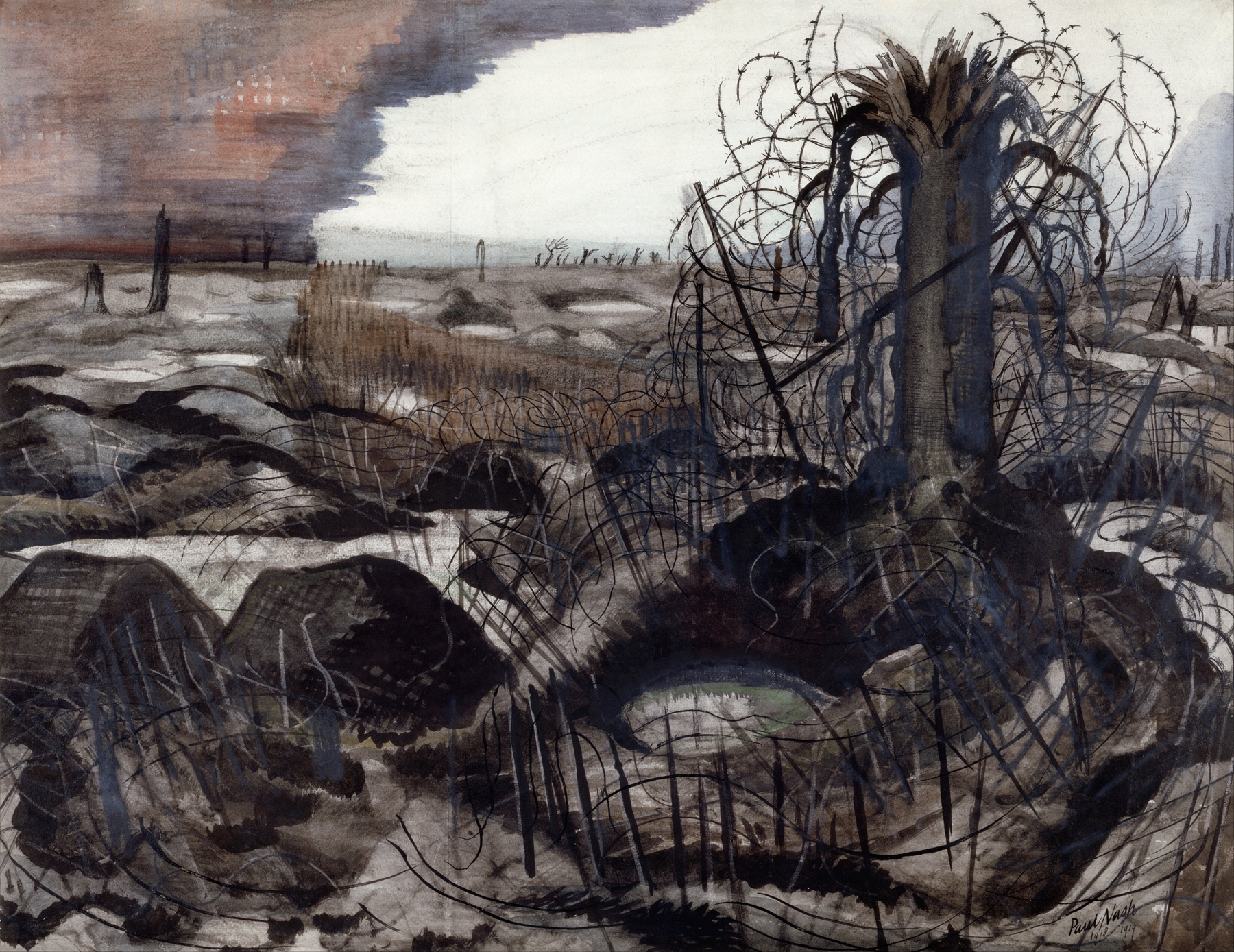
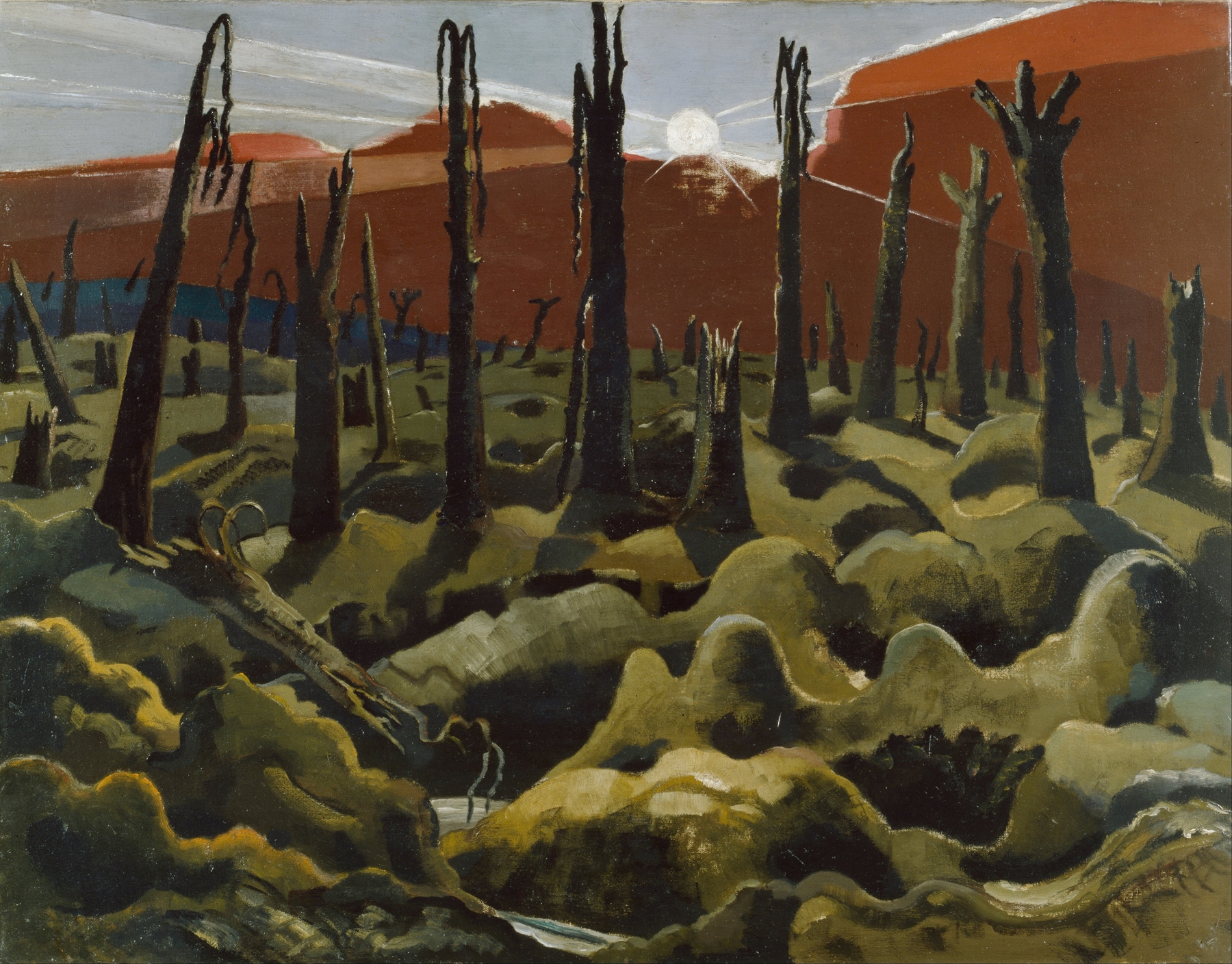
“Under the brush, chaos becomes grace.” In the aftermath of war, how does creation emerge from destruction, and what allegiances remain unbroken? At first glance, the composition draws the eye to a swirling amalgam of earth tones and vivid greens, where abstract forms challenge the boundaries of reality. Look closely at the center, where jagged shapes punctuate the canvas, creating an almost visceral tension that invites both curiosity and unease. The brushwork, vigorous yet deliberate, evokes a sense of motion, as if the landscape itself is in a state of constant rebirth, highlighting the paradox between chaos and regeneration.
Beneath the apparent vigor lies a poignant undercurrent of betrayal, as the vibrant colors clash with dark undertones, suggesting the duality of hope and despair. The juxtaposition of organic forms against a fragmented background speaks to a world struggling to reconcile its former self with the scars of war. This notion of transformation becomes even more significant, hinting at the betrayal of ideals in the face of brutal reality, as the land that once nurtured life now bears witness to its own desolation.
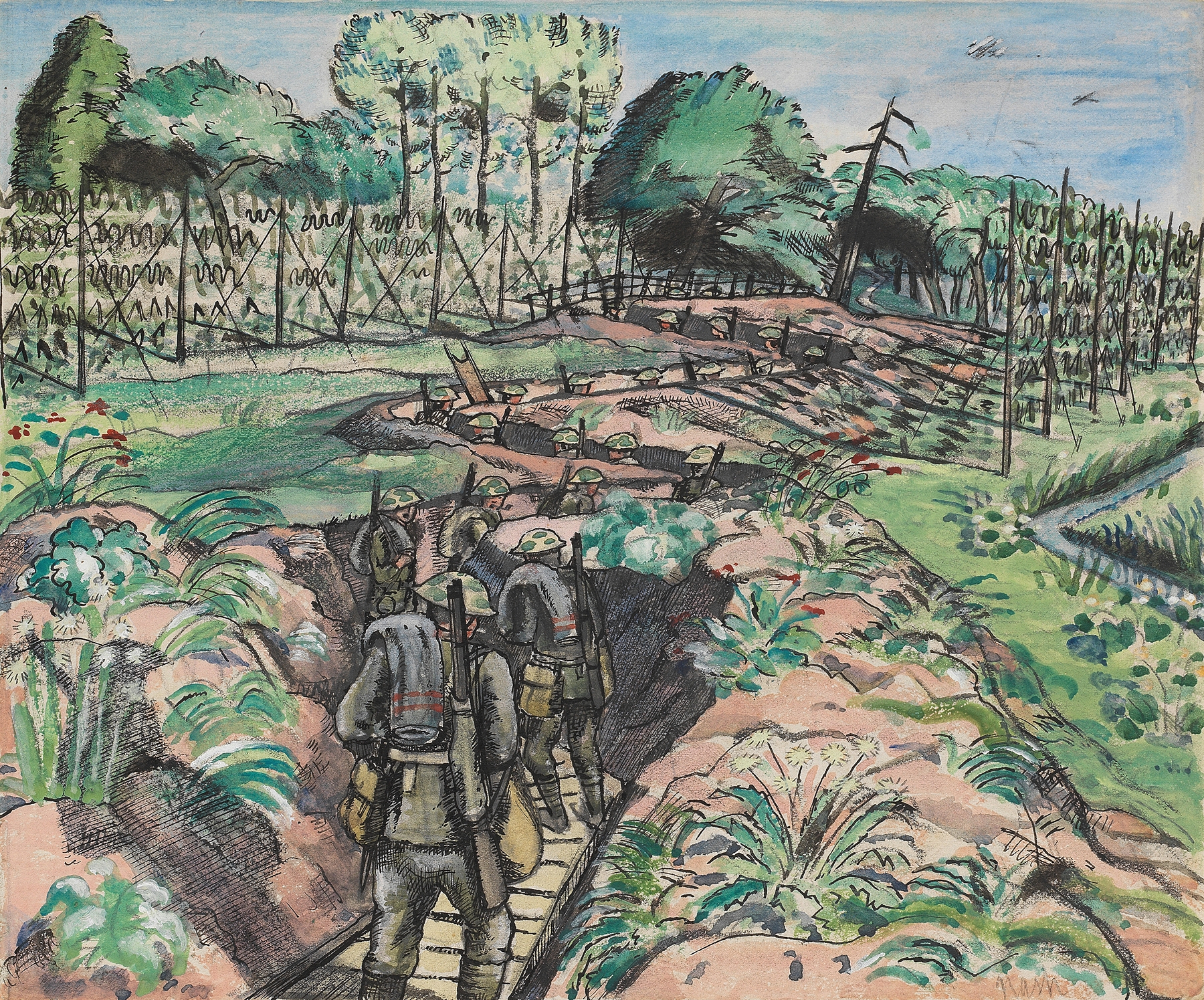
Paul Nash painted We are Making a New World in 1918, at a pivotal moment in art history marked by the lingering shadows of World War I. Residing in England, he was influenced by the tumult of his experiences on the battlefield, where he often found inspiration in the ruins of war-torn landscapes. This work reflects not only his personal journey of grappling with loss but also the collective struggle to envision a new future amidst the remnants of a shattered world.