The Blue Pool — History & Analysis
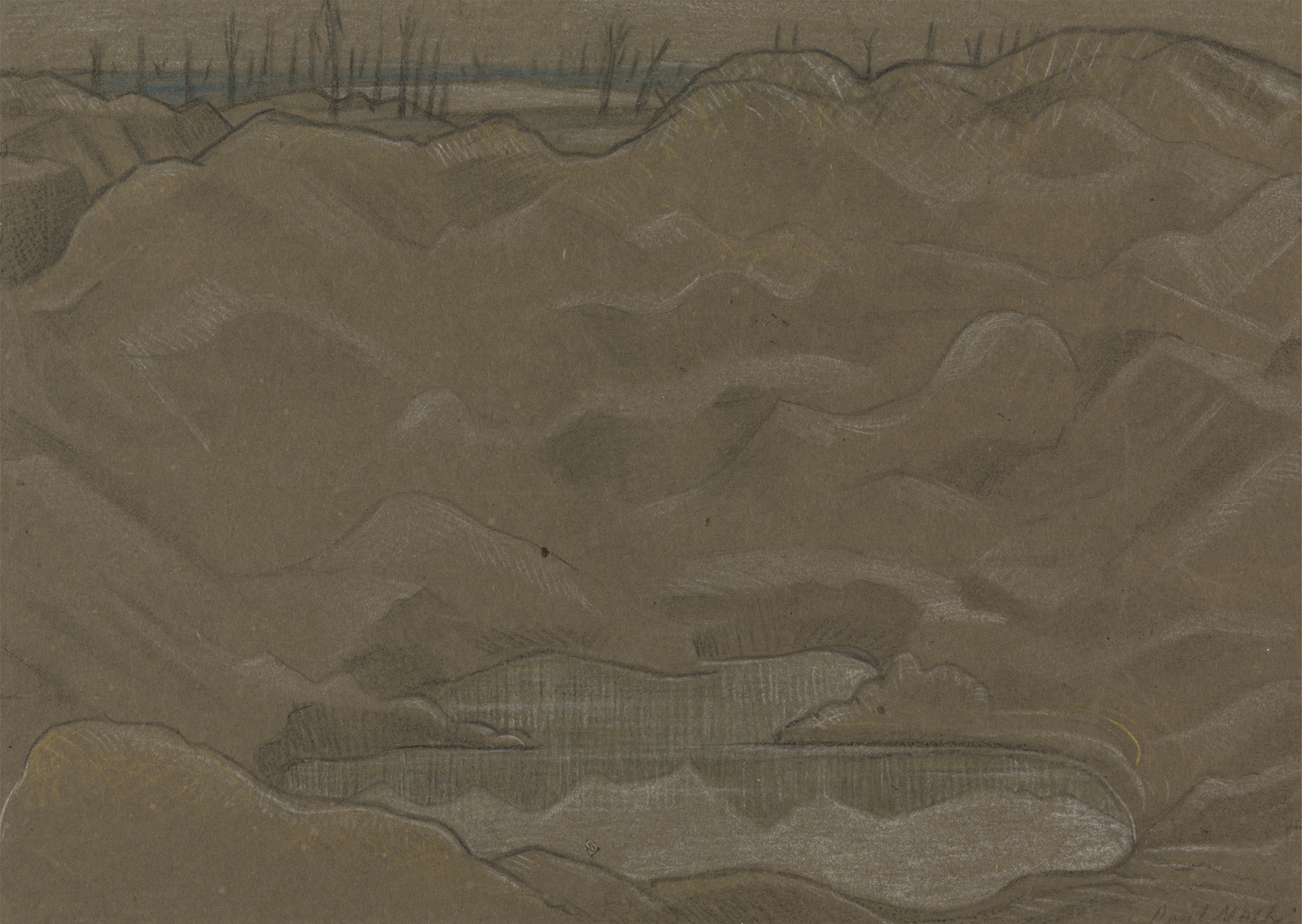
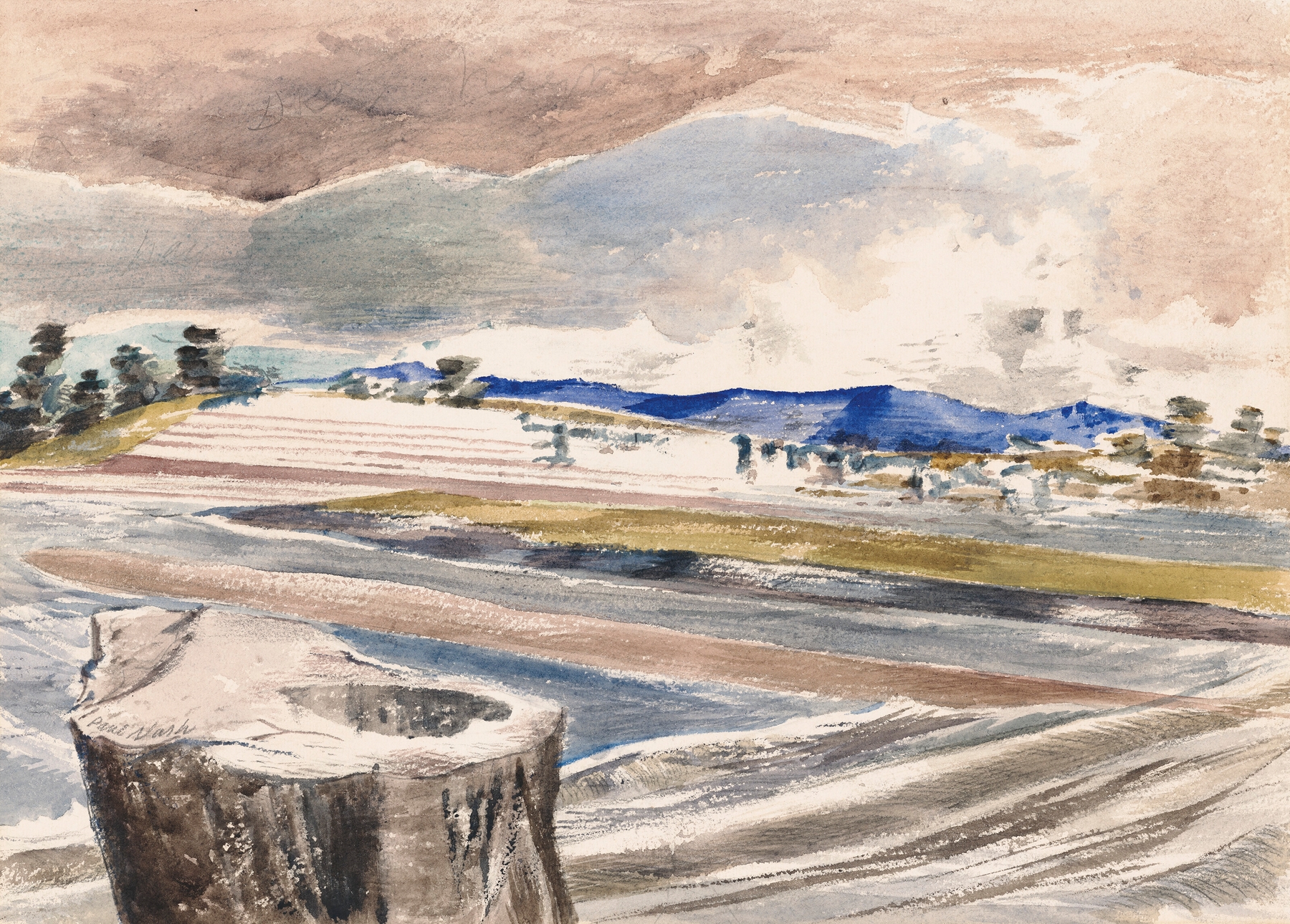
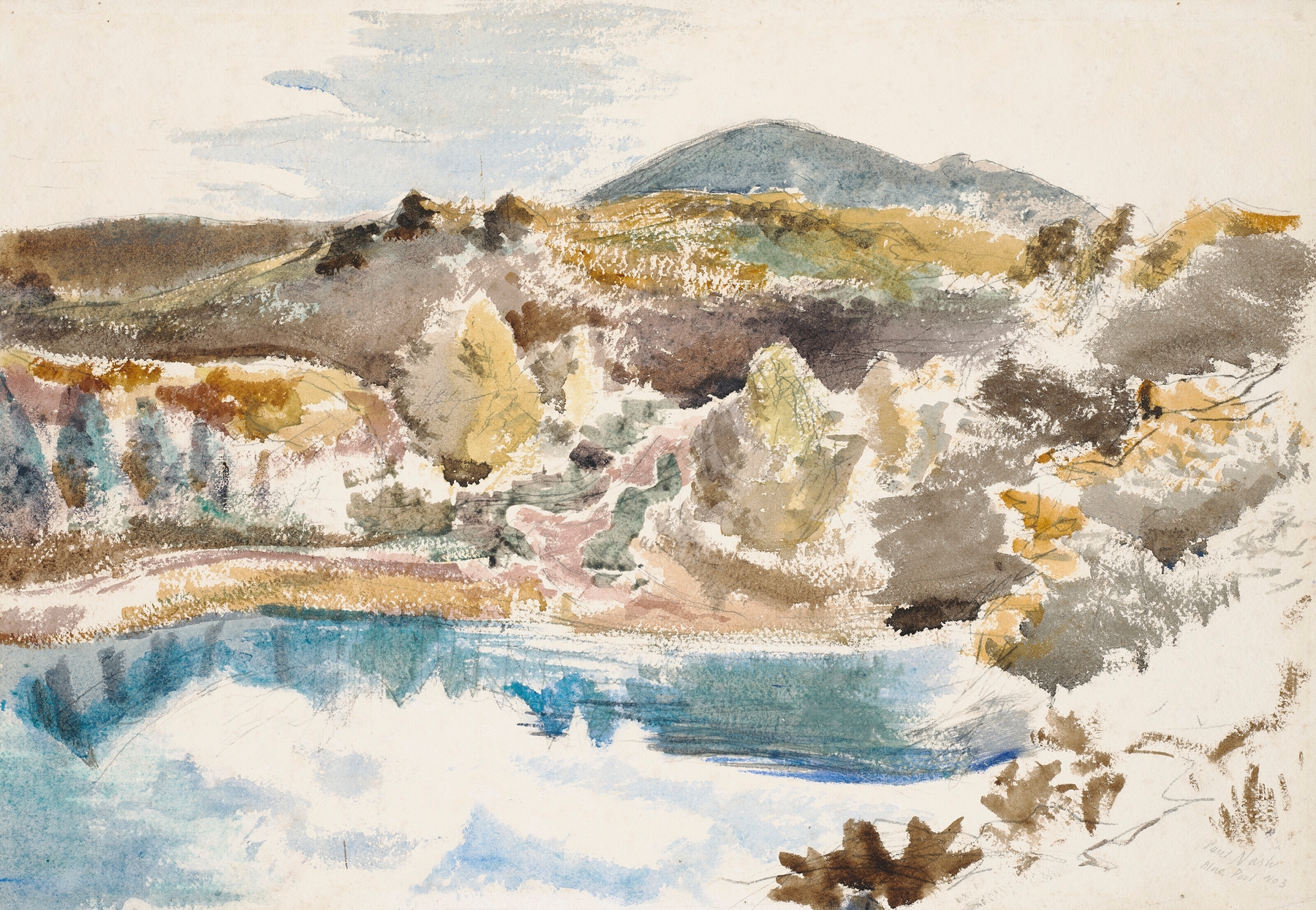
Is this a mirror — or a memory? In The Blue Pool, the canvas beckons us to explore the depths of sorrow as we confront the stillness of water surrounded by a haunting landscape. Look to the left at the tranquil water, its surface glimmering with shades of cobalt and cerulean that draw you in. The stark contrast of the dark, almost skeletal trees surrounding the pool amplifies the sense of isolation, making the vibrant blue all the more striking.
Notice how the light subtly dances on the water's surface, creating ripples that suggest movement, yet the atmosphere remains heavy, as if time has paused, enveloped in a melancholic embrace. Beneath the surface, this work speaks to the emotional weight of grief and loss. The juxtaposition of the serene water and the barren environment evokes a sense of longing, as if the pool itself is a reservoir of memories, holding secrets untold. The muted earth tones surrounding it suggest decay and the passage of time, while the vibrant blue serves as a stark reminder of what once was—perhaps a lost love or a forgotten joy.
Created in 1938, the artist painted this piece during a tumultuous period marked by rising tensions in Europe and personal challenges. Living in England, Paul Nash found himself wrestling with his own experiences of war and personal loss, which deeply influenced his work. As a prominent figure in the Surrealist movement, he sought to capture the haunting beauty of landscapes that mirrored the inner turmoil of the human experience.