Silbury Hill — History & Analysis
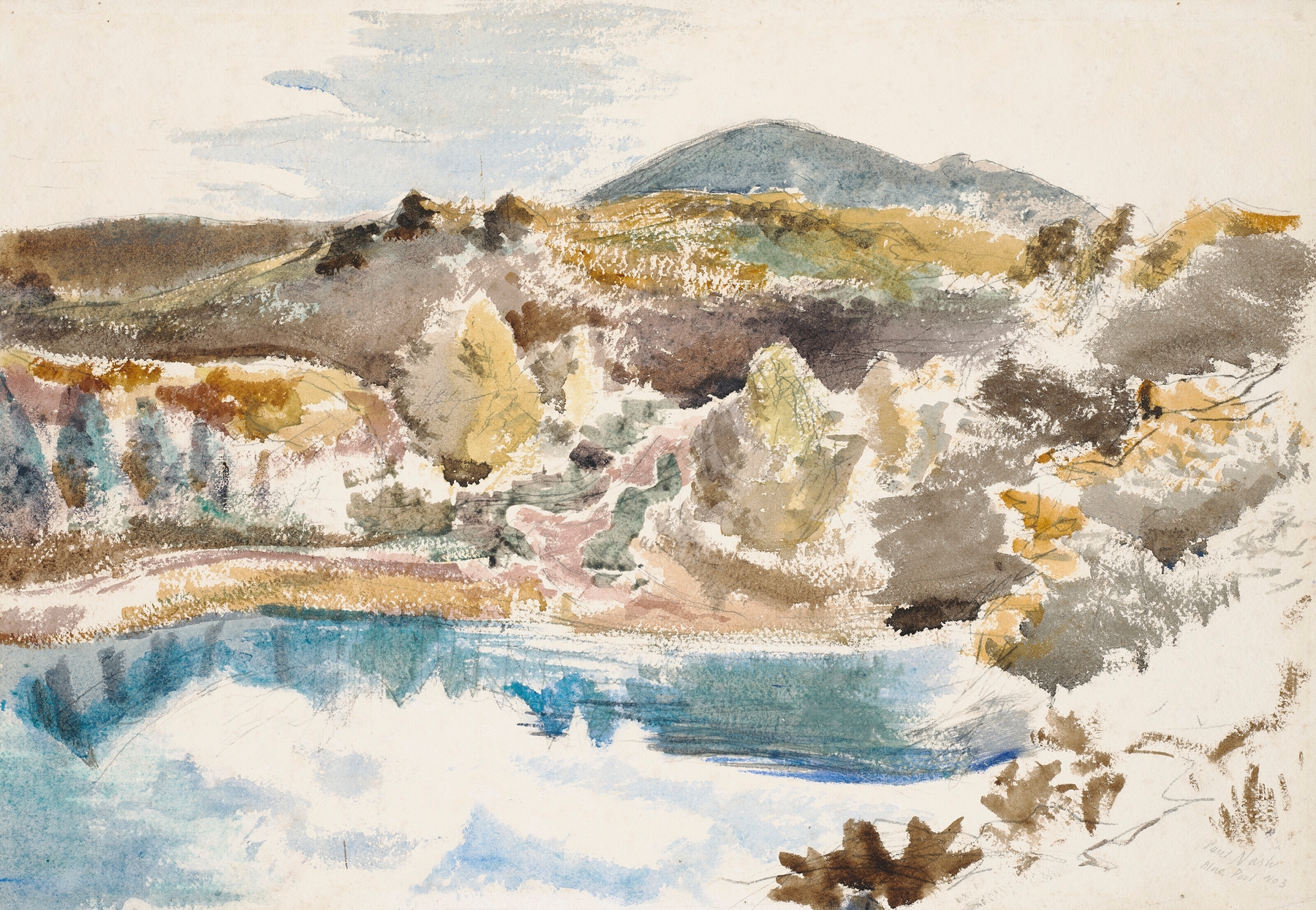
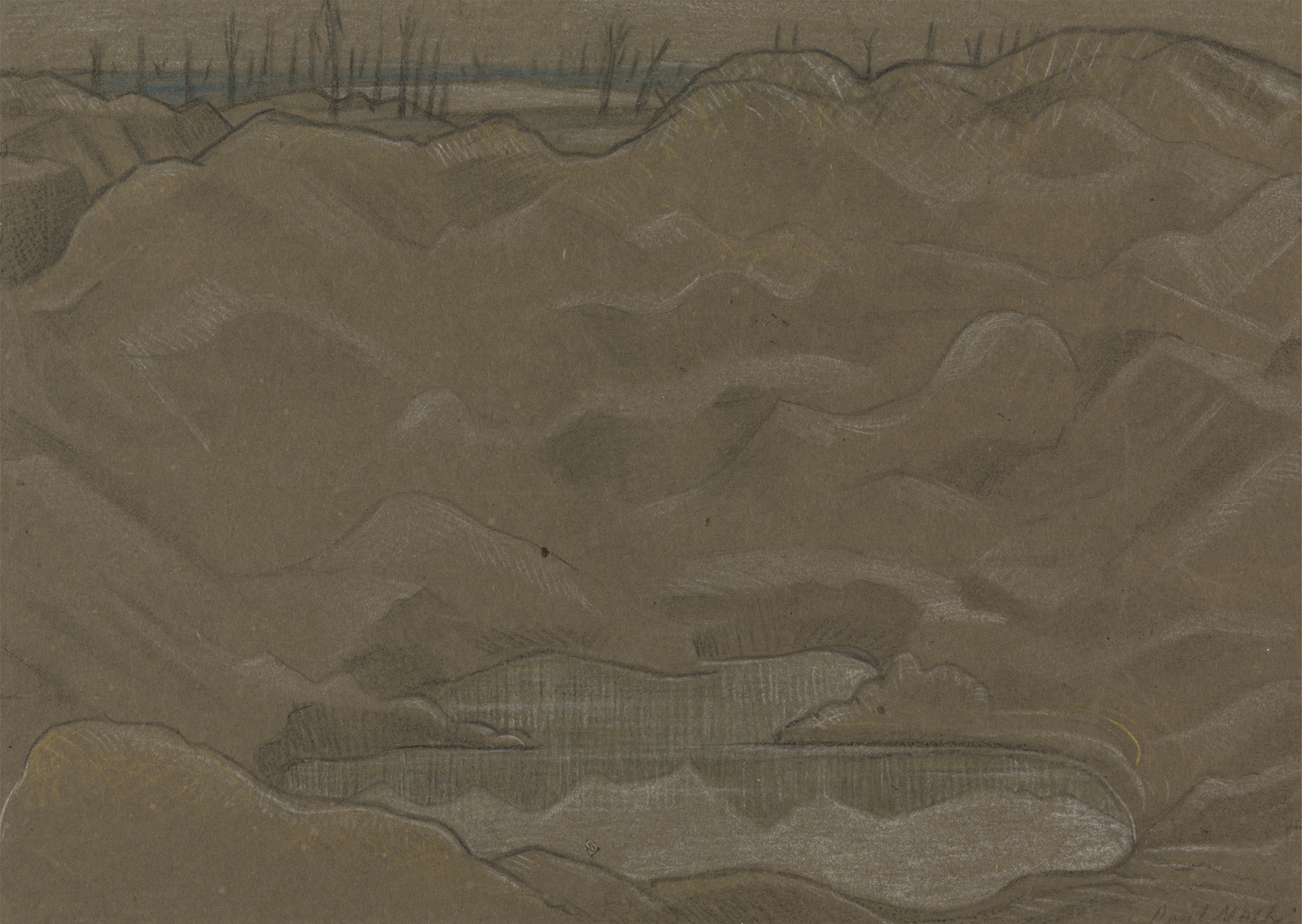
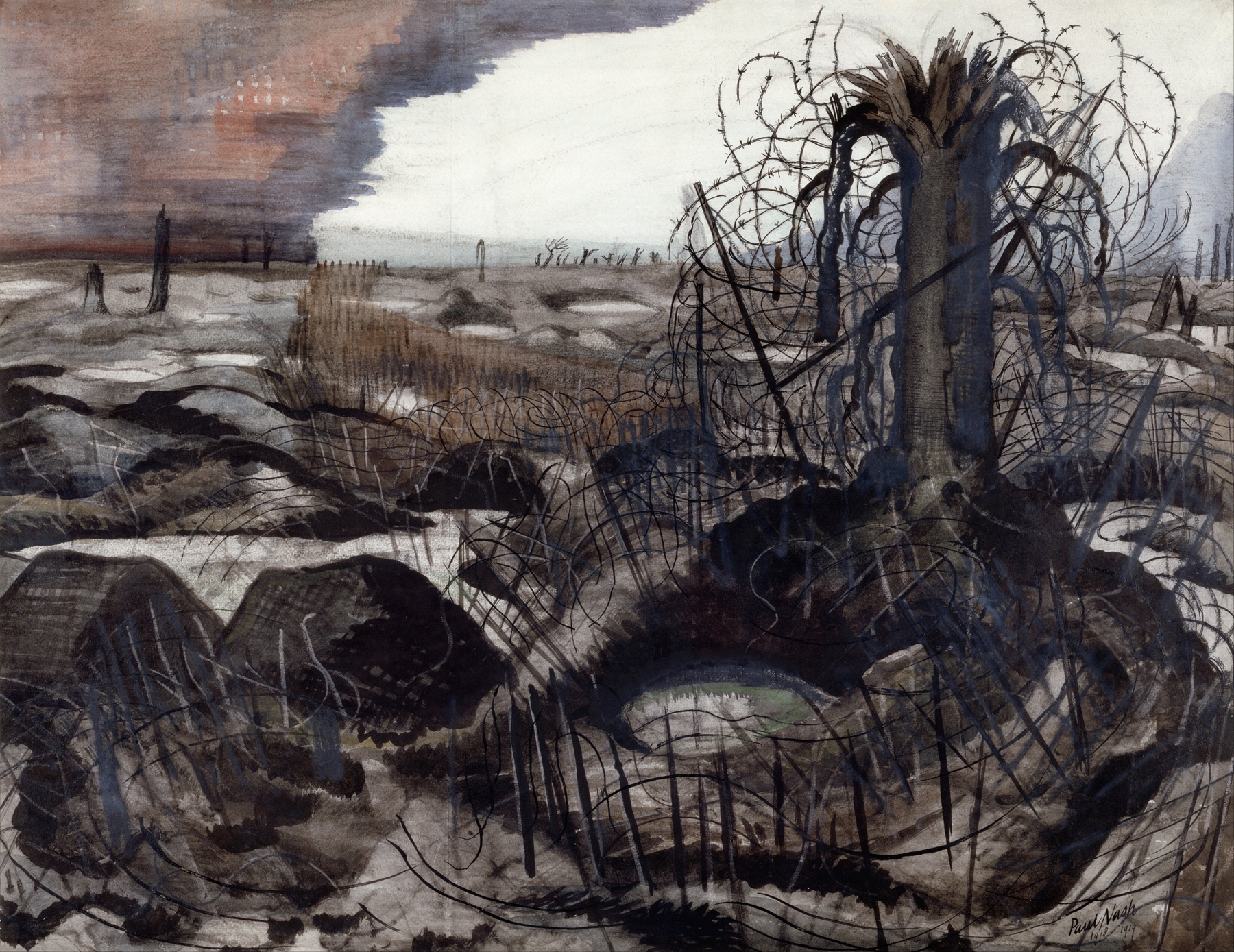
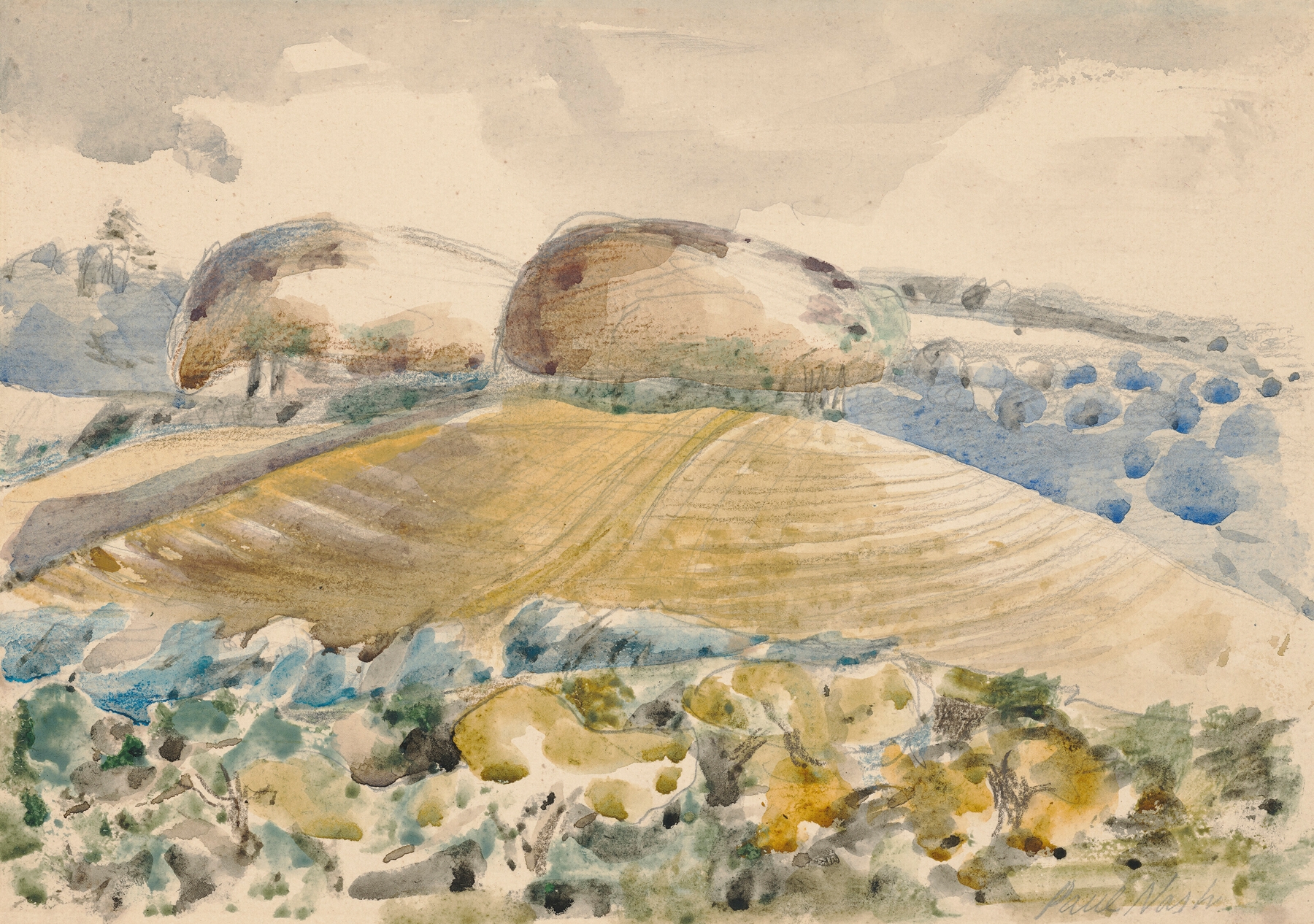
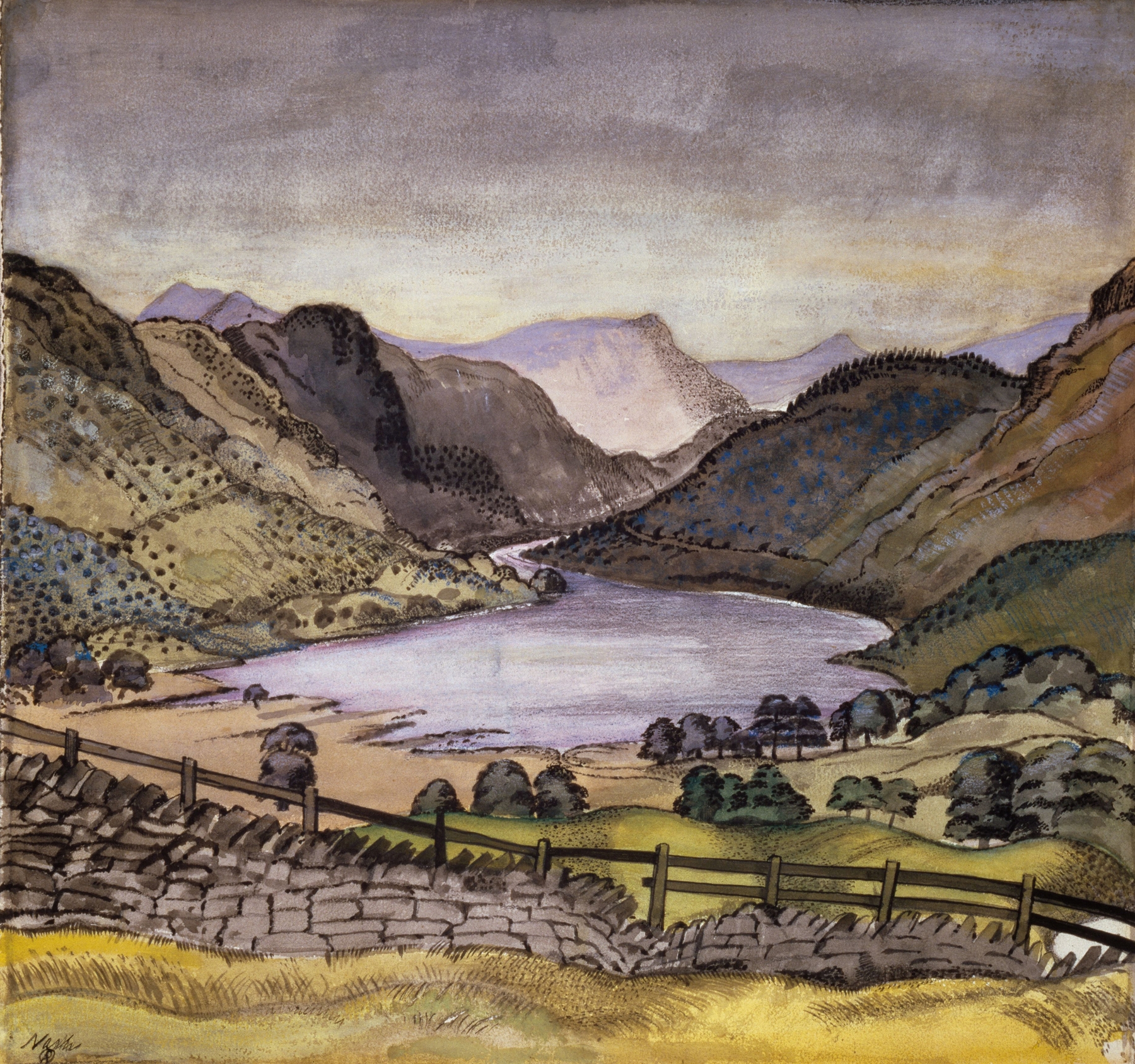
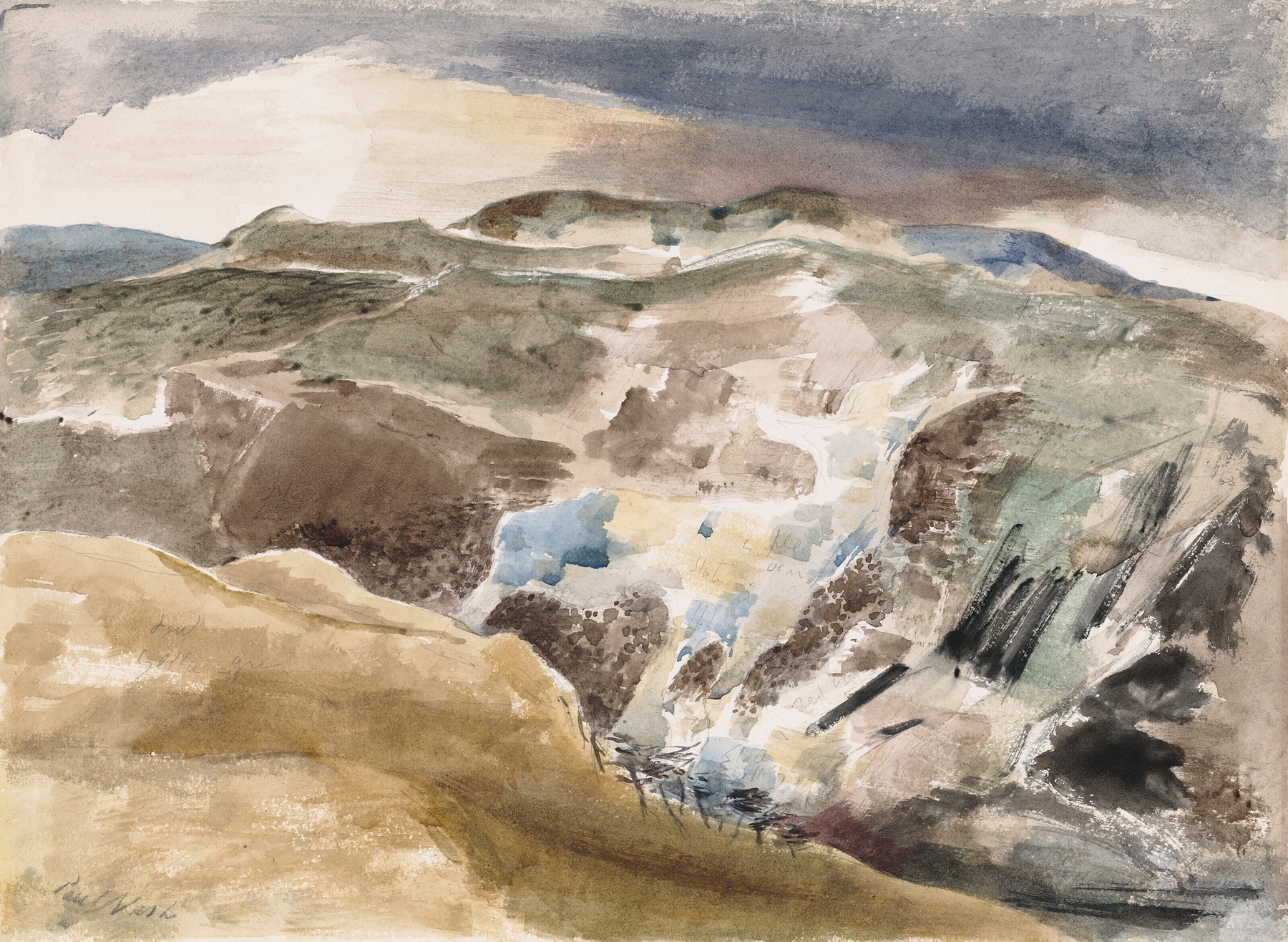
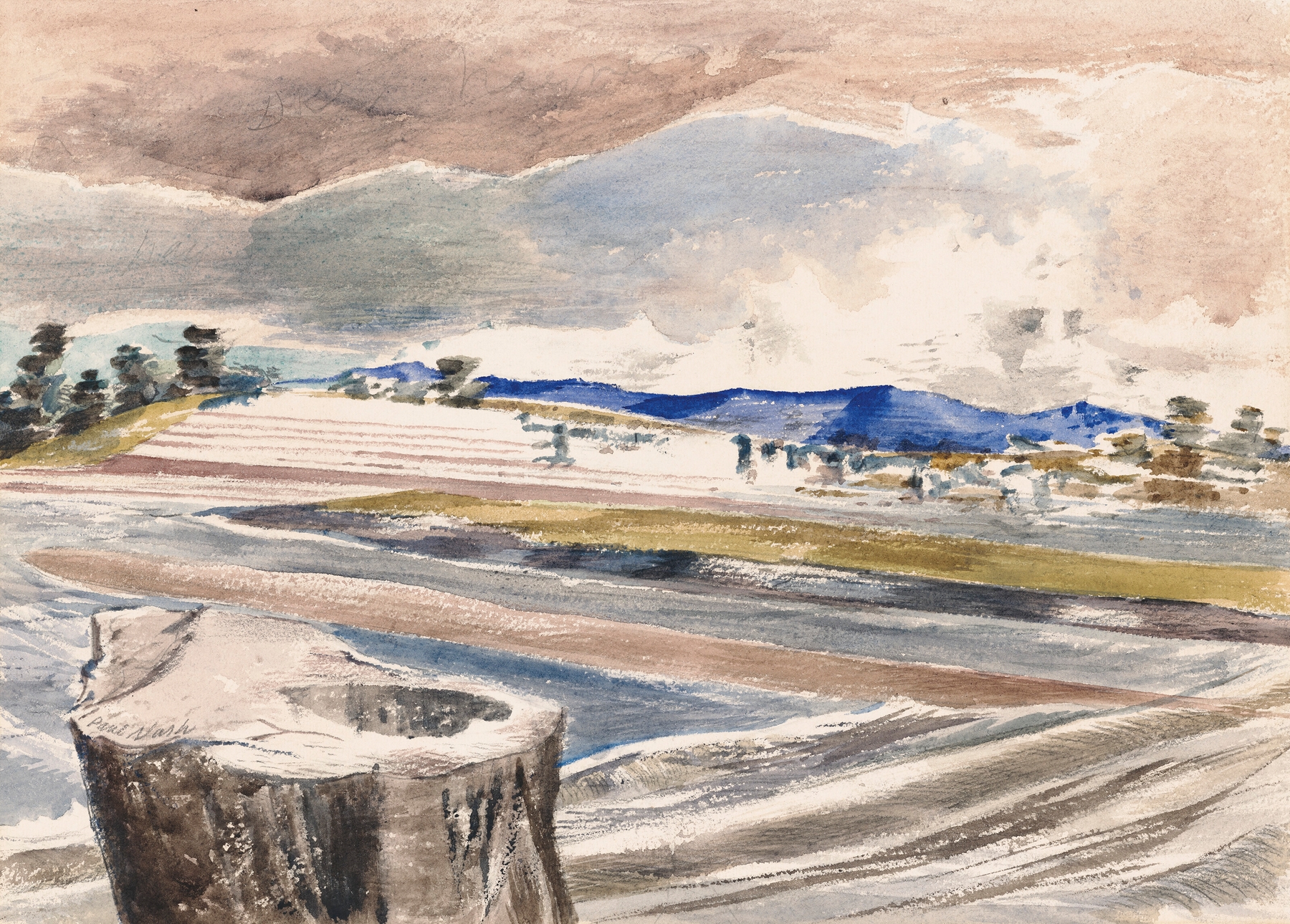
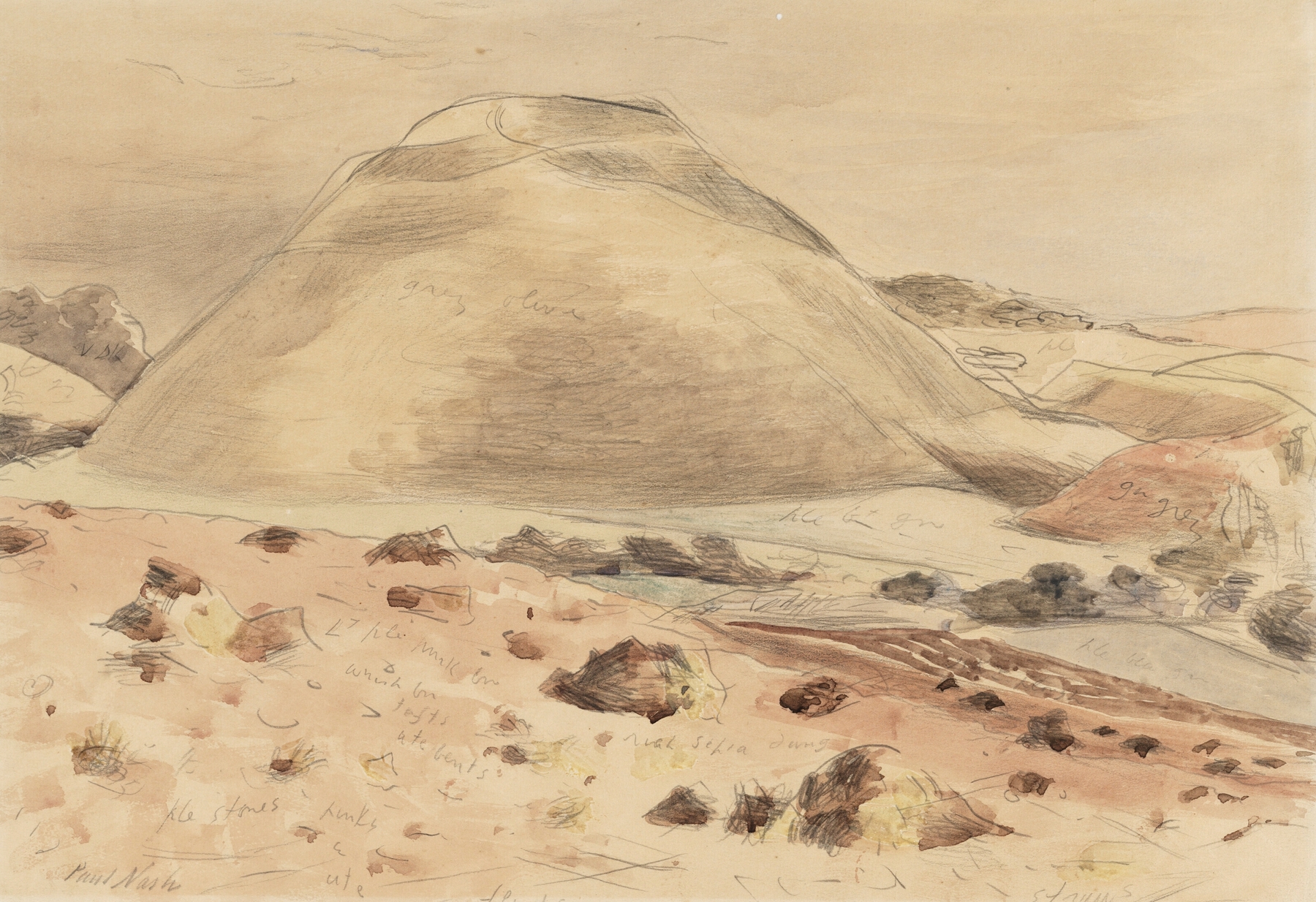
Where does light end, and longing begin? In Silbury Hill, an echo of solitude is etched into the landscape, inviting contemplation and quiet reverie. The stillness of the scene resonates like a whispered secret, prompting us to explore the delicate interplay between nature and human emotion. Focus first on the hillock, a dominant yet enigmatic presence at the center of the canvas. Its muted greens and browns blend harmoniously with the sky, while the soft, warm light casts gentle shadows that evoke a sense of depth.
Notice how Nash’s brushstrokes in the foreground create a textured, almost tactile quality, grounding the viewer before they are drawn upward into the ethereal expanse. The horizon line blurs, hinting at the infinite beyond, suggesting both an end and a beginning in this quiet moment. Yet, within this peaceful landscape, an undercurrent of tension stirs. The solitary hill stands as a monument to isolation, a relic of an ancient past that echoes the loneliness of the present. The fading light suggests the encroachment of dusk, serving as a metaphor for the fleeting nature of connection and memory.
Each detail, from the sparse vegetation to the distant clouds, mirrors an emotional landscape, reflecting not just the physical space but also an intangible sense of yearning. In 1935, Paul Nash painted Silbury Hill during a time of personal introspection and national uncertainty. Living in England amid the looming shadows of war, he sought solace in the landscapes of his homeland, capturing their essence while navigating his own feelings of displacement. The work stands not only as a testament to his artistic evolution but also as a poignant reflection of the complexities of human experience within the larger tapestry of history.