A Summer Day — History & Analysis
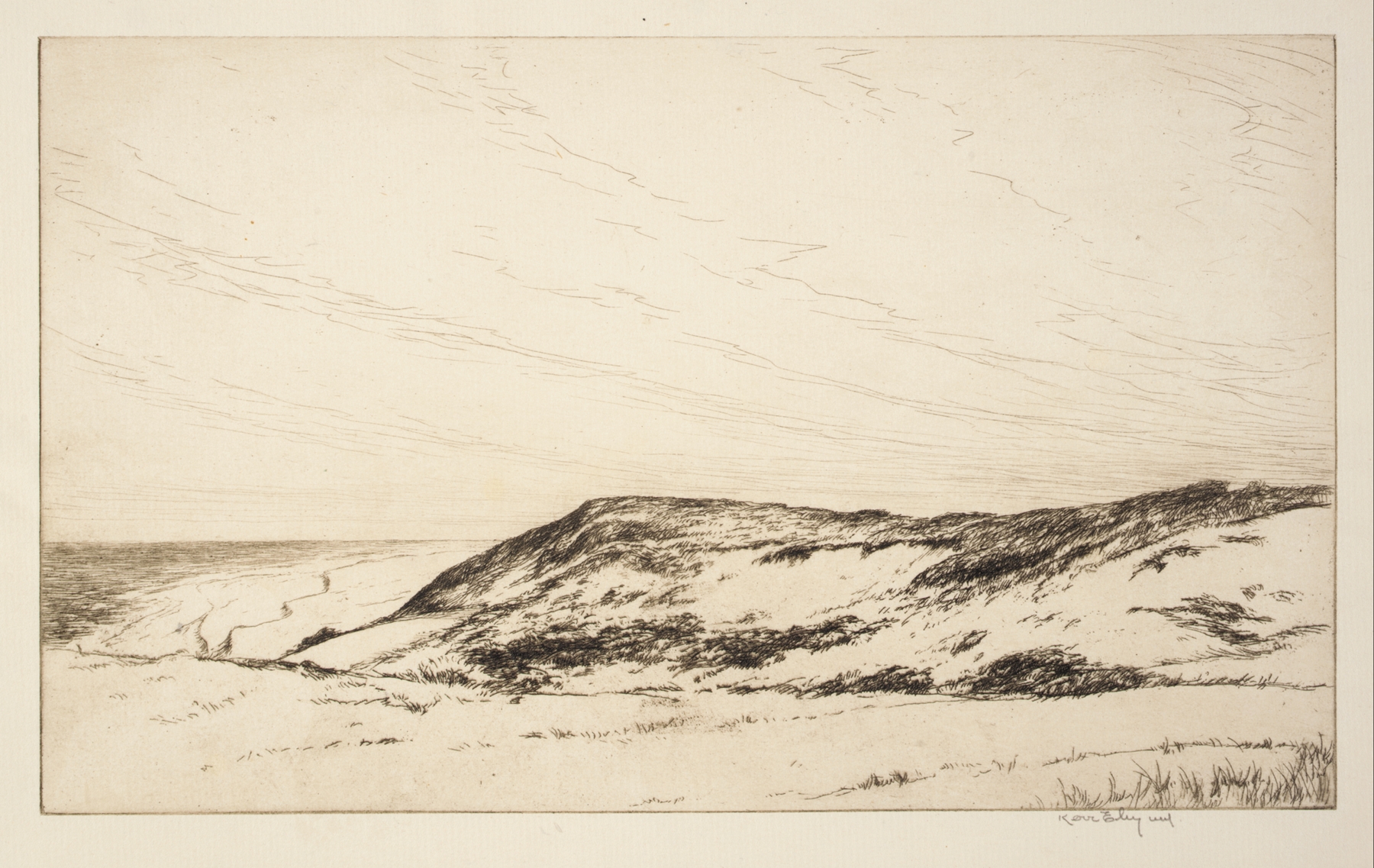
Where does light end, and longing begin? In the soft embrace of summer, the boundaries blur, revealing a world teetering on the brink of madness. Look to the left at the gentle sway of the grass, each blade kissed by sunlight. The warm hues of gold and green dance together, inviting the viewer into a tranquil yet charged space.
Notice how the soft strokes create an almost palpable warmth, while the distant horizon melts into a gradient of blues, infusing the scene with an air of longing. The composition draws the eye across the canvas, where the harmonious blend of color and technique reflects both serenity and an underlying tension. Delve deeper into the interplay of light and shadow, which tells a story of fleeting moments—ephemeral and yet haunting. The juxtaposition between the vibrancy of the foreground and the cool, distant background hints at a deeper emotional dissonance, a haunting reminder of the passage of time.
The almost surreal representation of nature speaks to the fragility of happiness, suggesting that in this idyllic setting, madness lurks just beneath the surface, waiting to disrupt the perfect summer day. During the late 1920s to 1940s, the artist found himself navigating a world grappling with the aftermath of war and societal change. Working primarily in the U.S., Eby’s experiences and observations of a rapidly evolving society influenced his artistic journey. This period marked a time of introspection, where the artist sought solace in nature while simultaneously confronting the complexities of human emotion and the chaos of his surroundings.