A Summer Landscape — History & Analysis
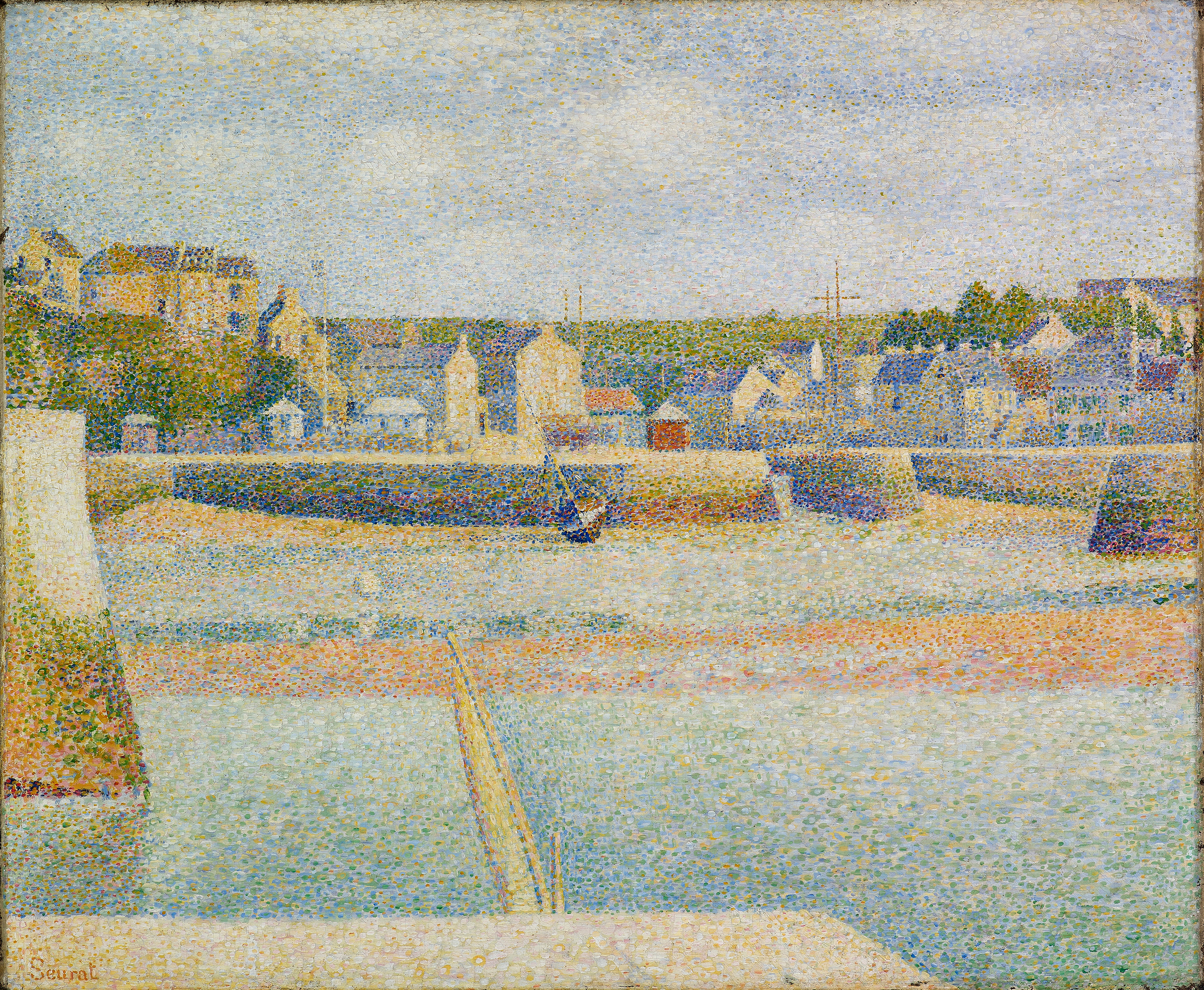
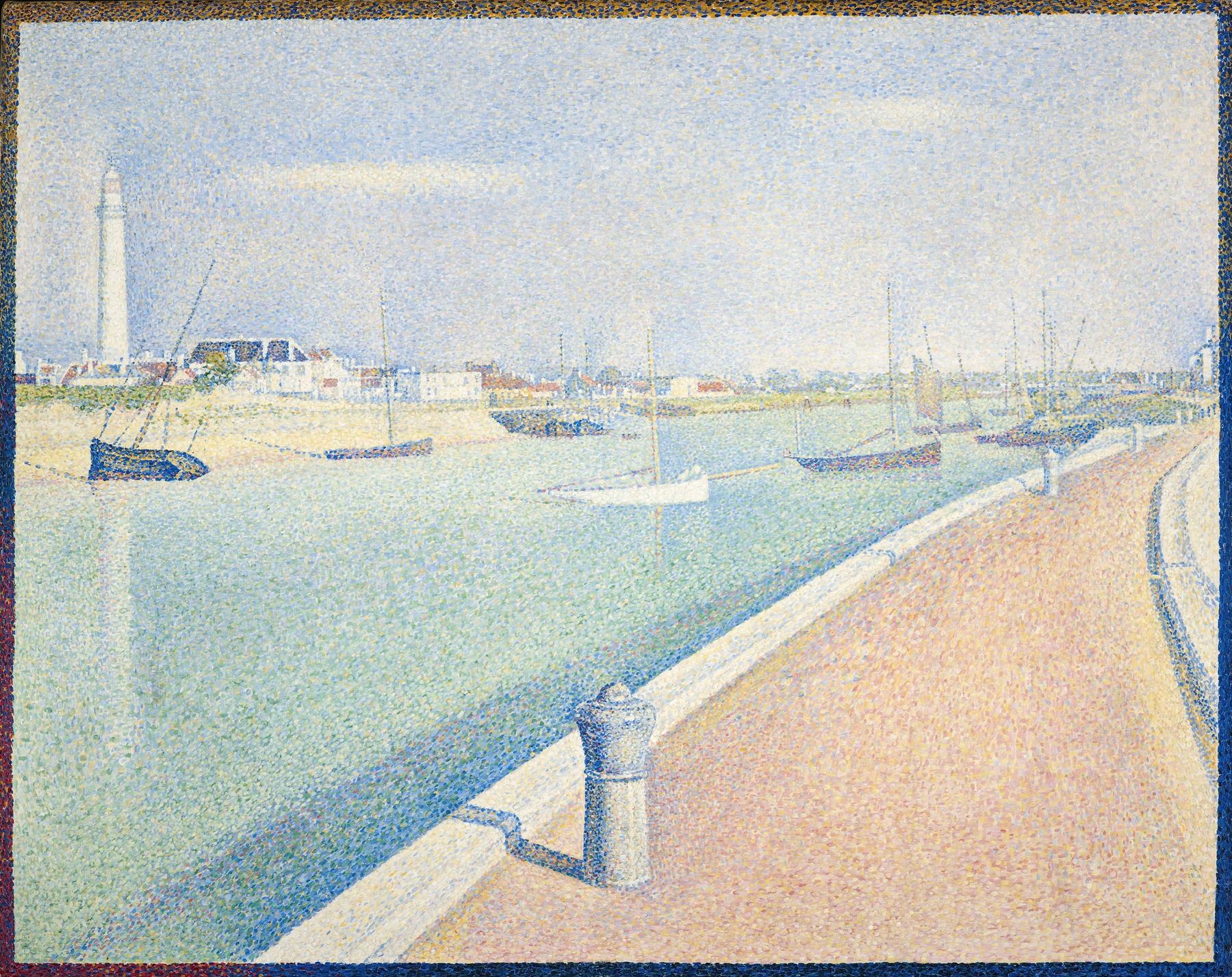
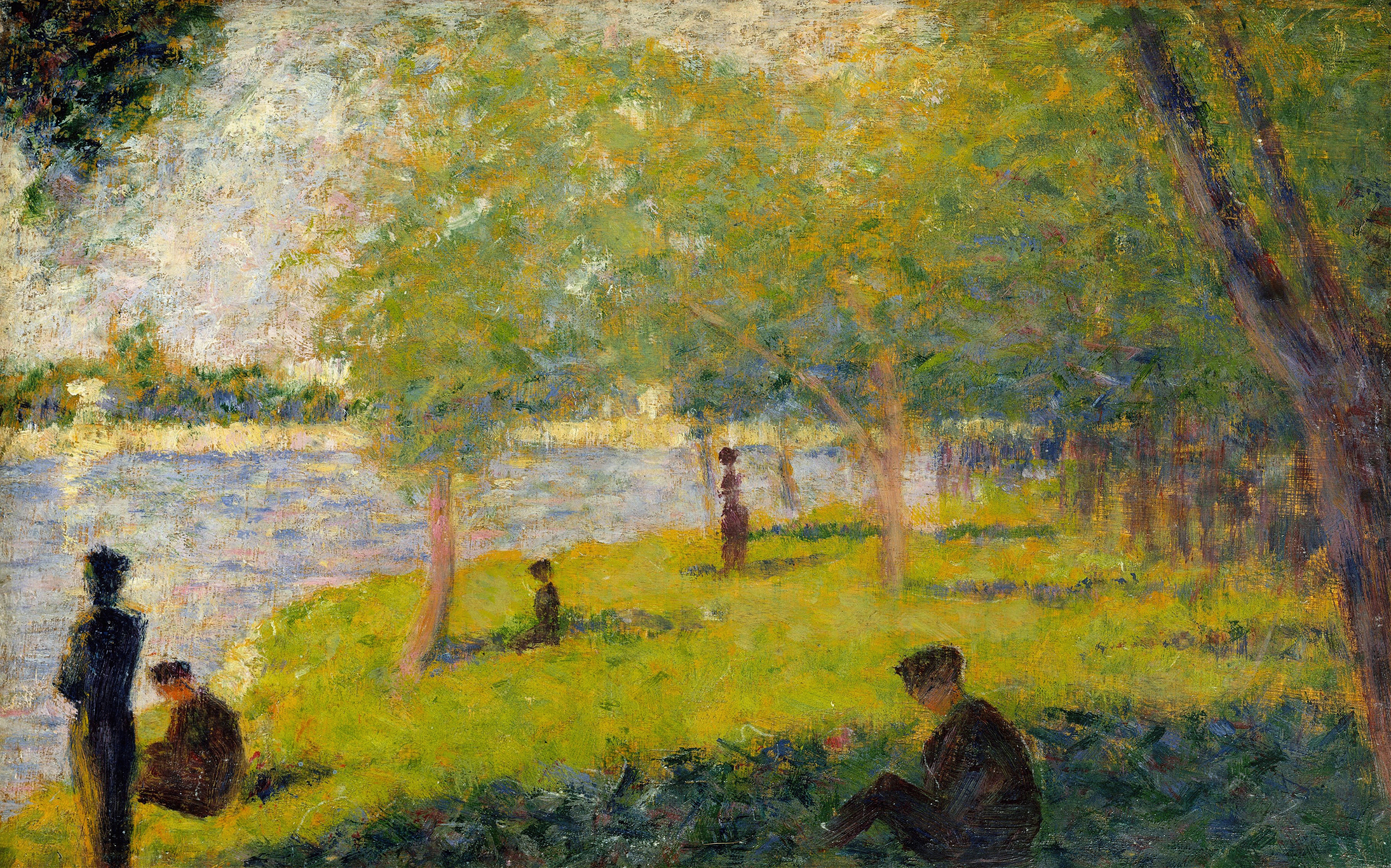
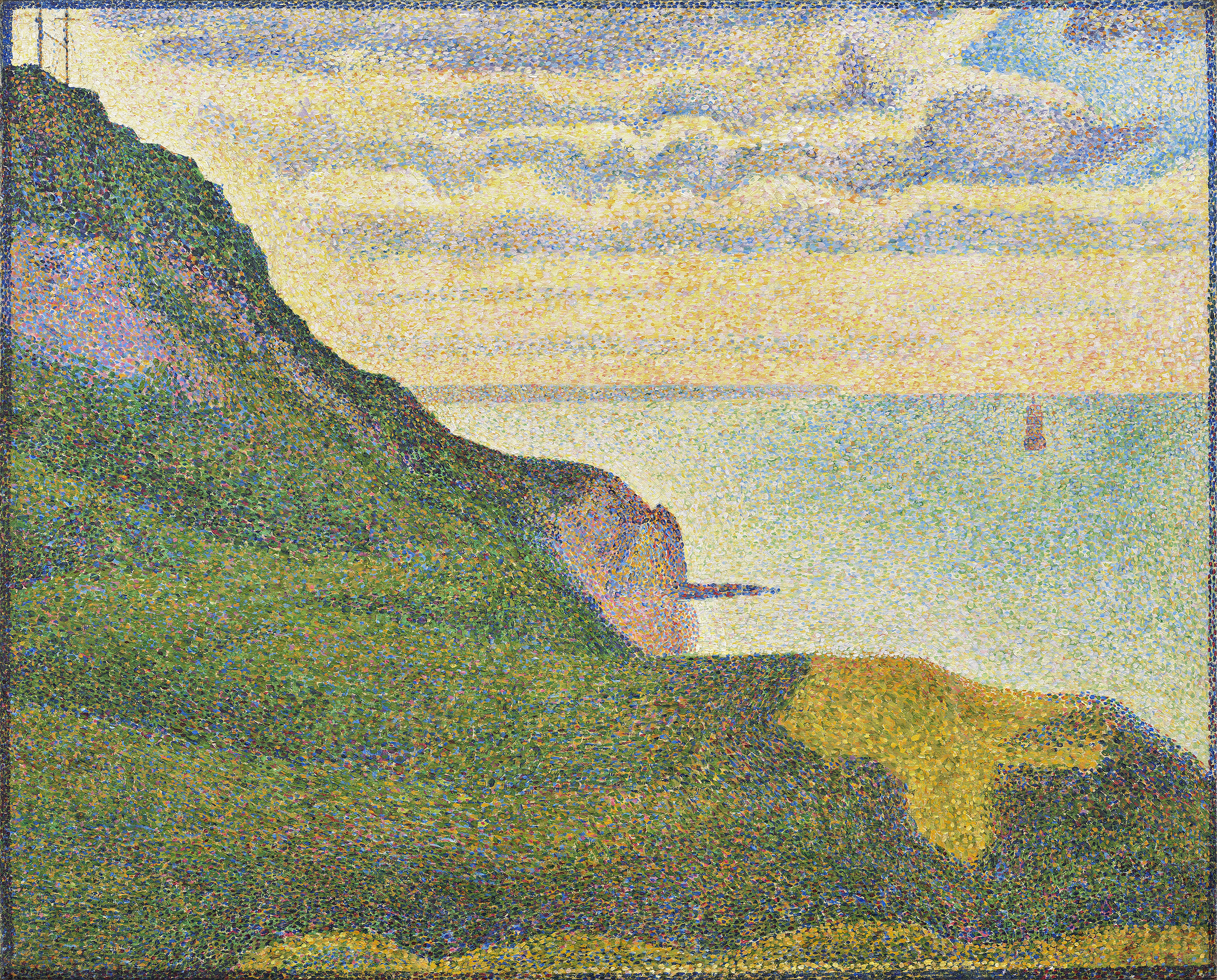
What if silence could speak through light? In A Summer Landscape, the chaos of nature is harmonized into a serene tableau, inviting the viewer to contemplate the interplay between stillness and movement. Look to the left at the gentle undulation of the hills, where the vibrant greens are punctuated by dappled sunlight. Notice how the pointillist technique creates a shimmering effect on the canvas, each dot of color meticulously applied to build a scene that breathes life.
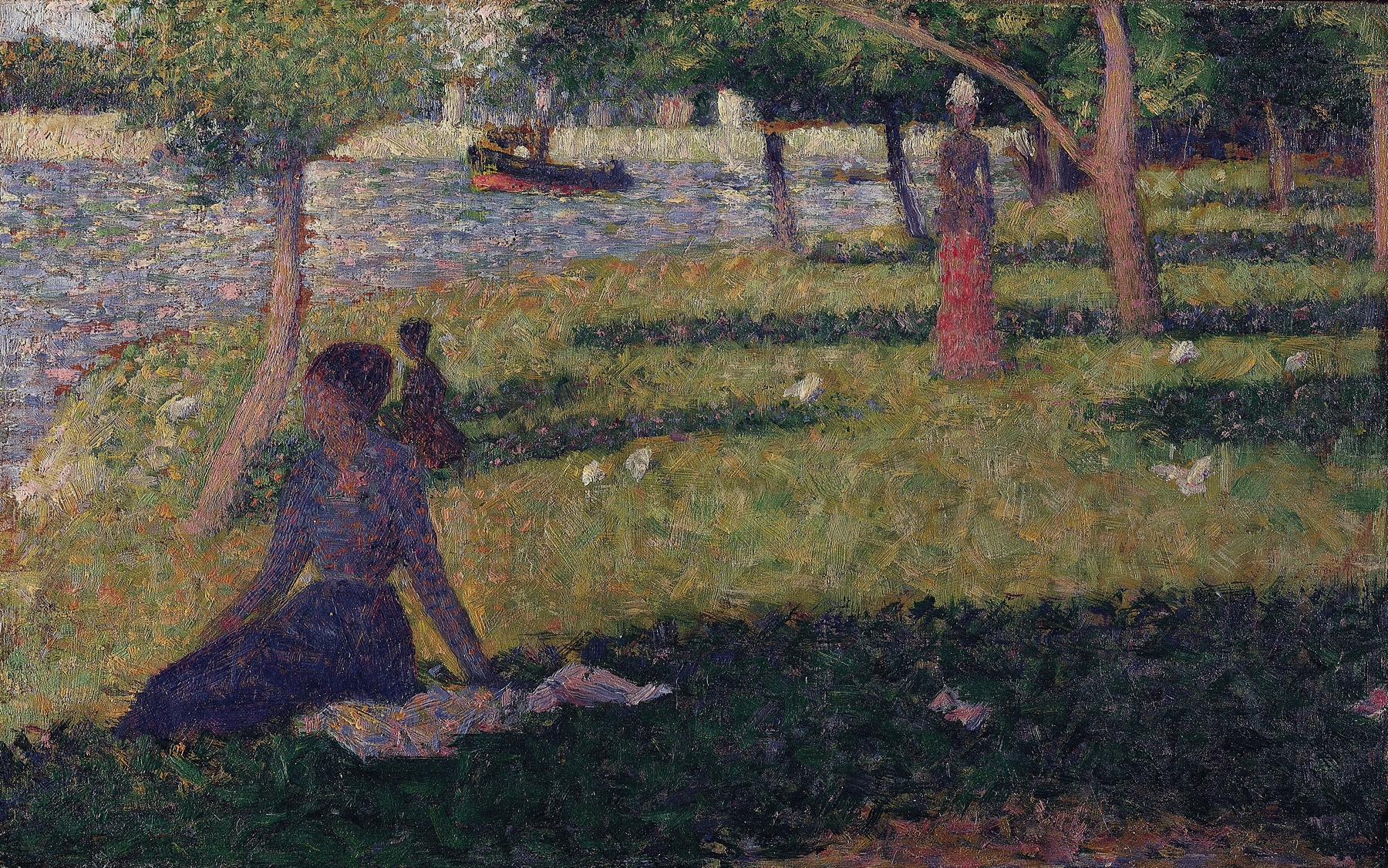
The sky, awash in soft blues and whites, mirrors the tranquility below, while a lone figure in the distance seems to pause, capturing a moment of introspection amidst the landscape’s splendor. Within this serene facade, deeper tensions arise. The contrast between the busy brushstrokes in the lush foreground and the calmness of the sky suggests an underlying chaos, as though nature’s energy is both captivating and overwhelming. The choices of color and light reflect not only the warmth of summer but also evoke a fleeting sense of time, hinting at the transitory beauty of life itself.
The solitary figure, seemingly lost in thought, amplifies this emotional resonance, embodying the balance between solitude and the overwhelming vastness of nature. Painted in 1883, A Summer Landscape emerged during a pivotal moment in Georges Seurat’s career, as he was developing his distinctive pointillist style. This period was marked by a shift in the art world towards modernism, where artists began to explore new techniques and perspectives. Working in Paris, Seurat sought to capture the essence of contemporary life, transforming both personal and collective experiences into his distinctive visual language.