The Channel of Gravelines, Petit Fort Philippe — History & Analysis
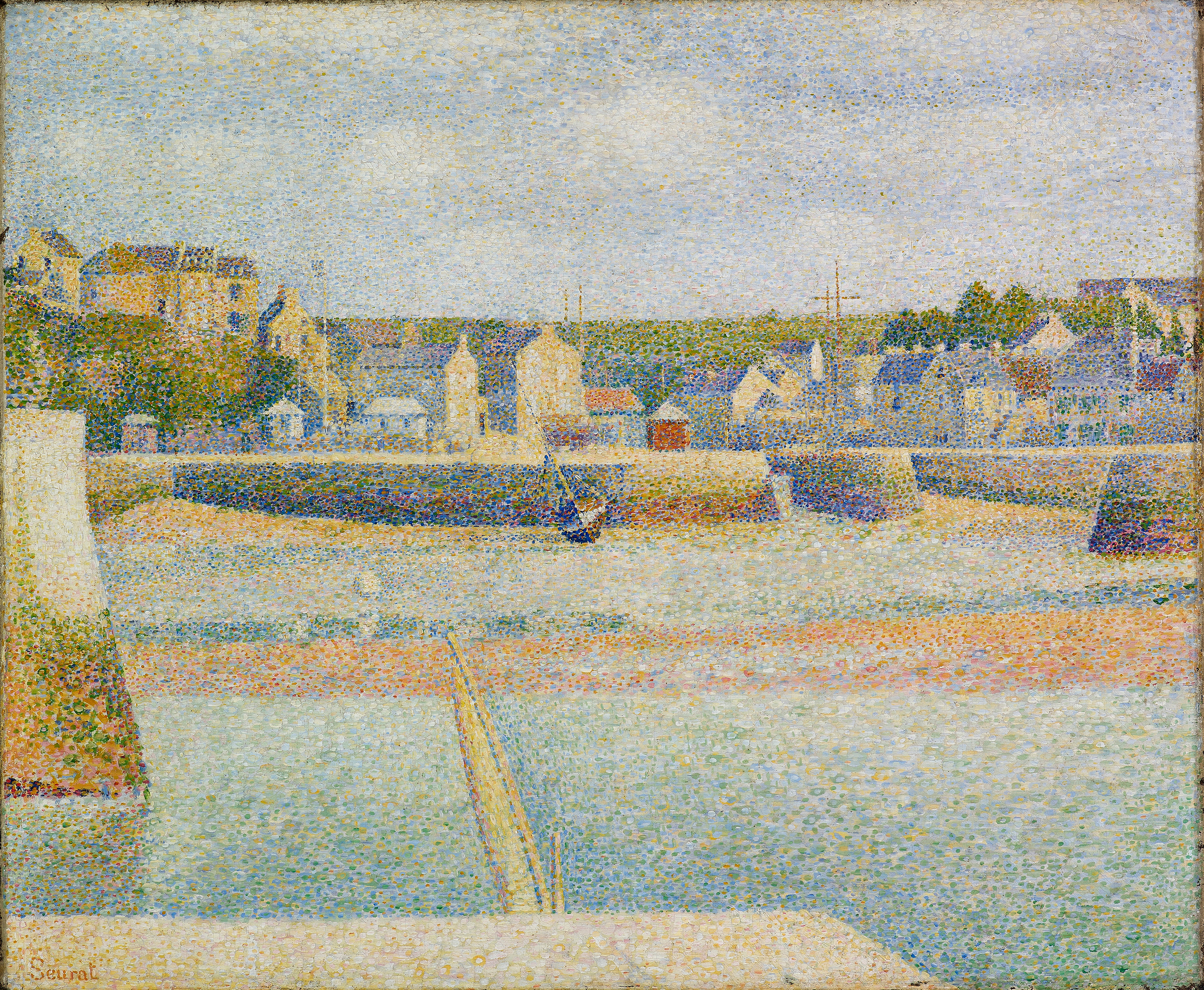
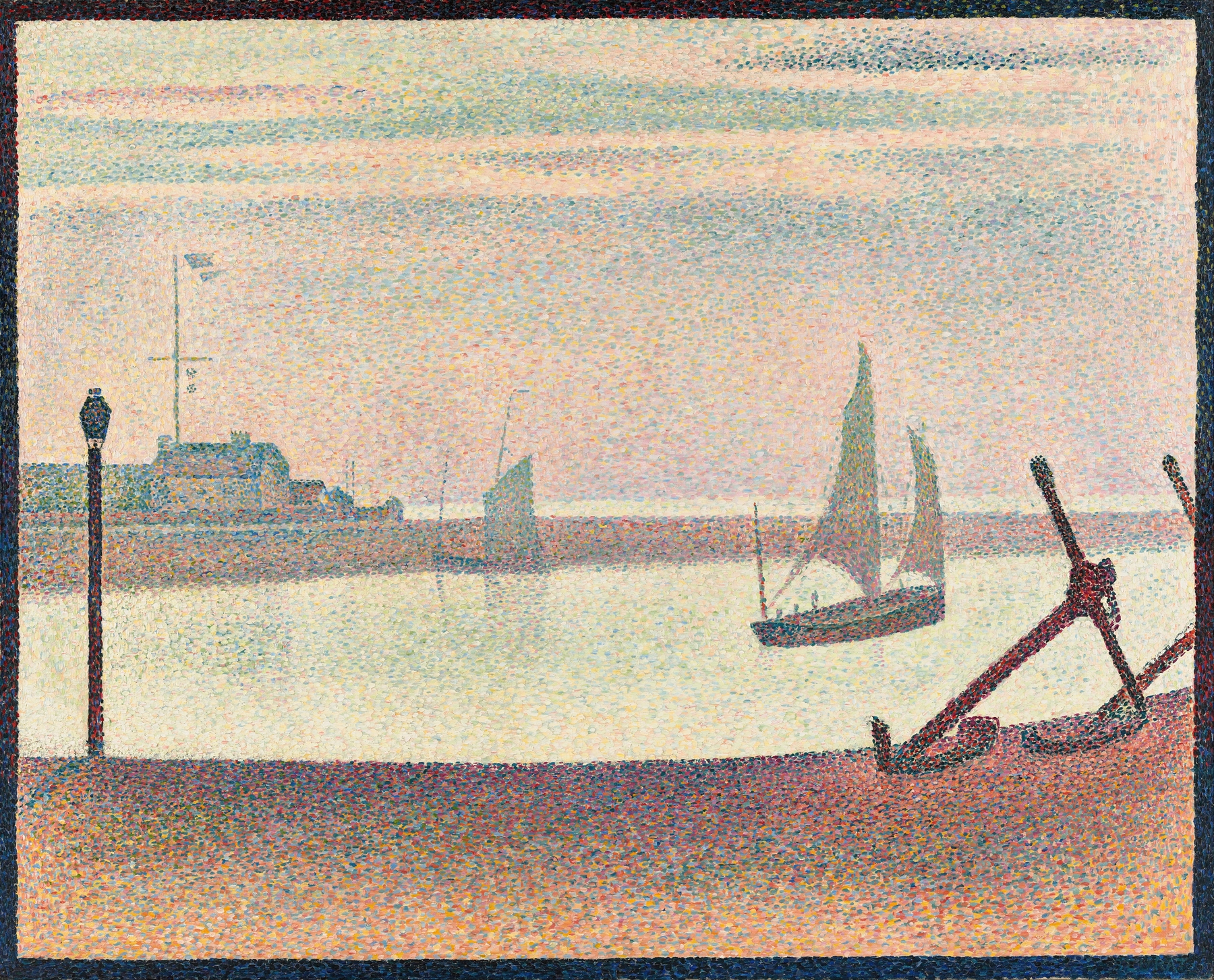
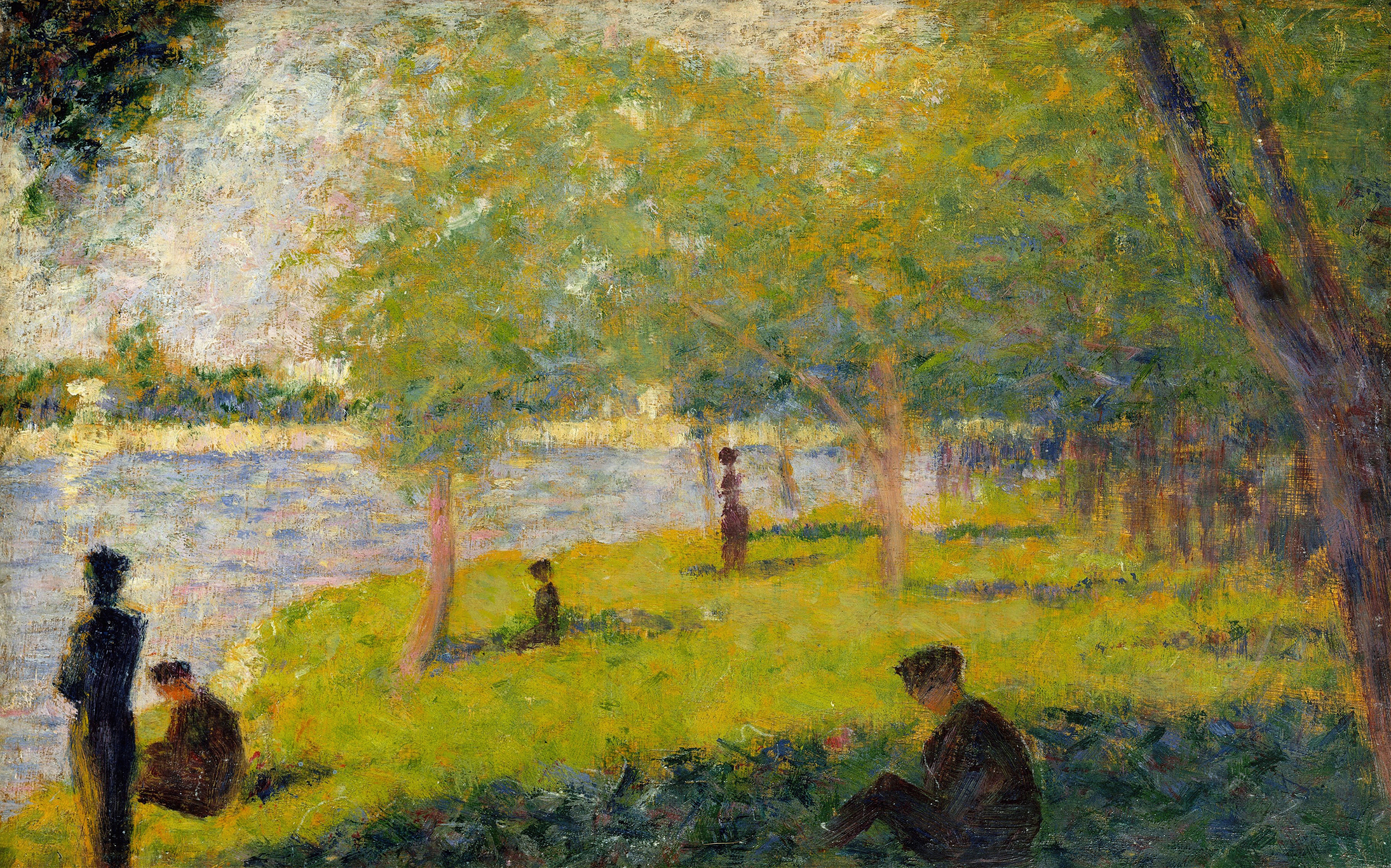
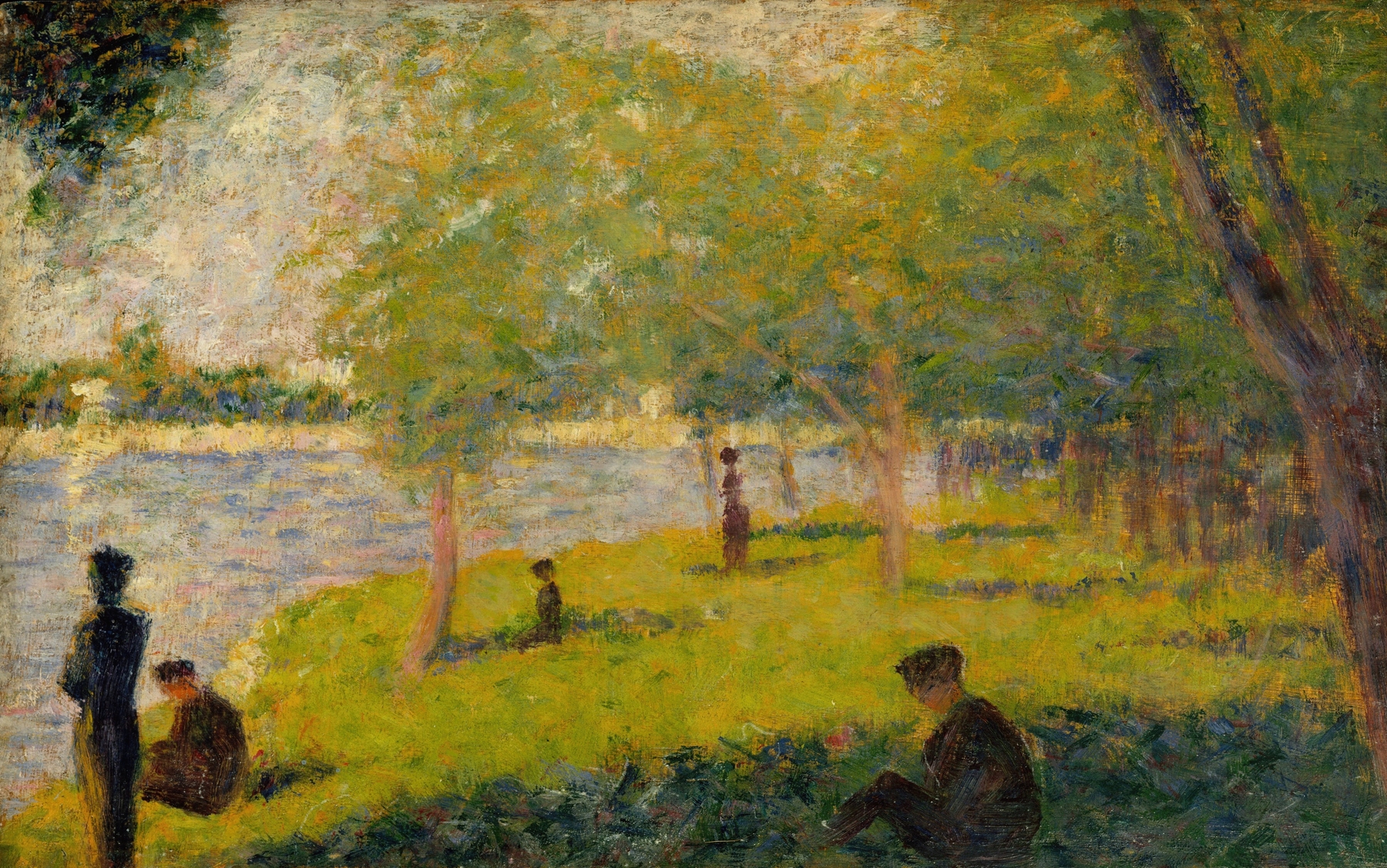
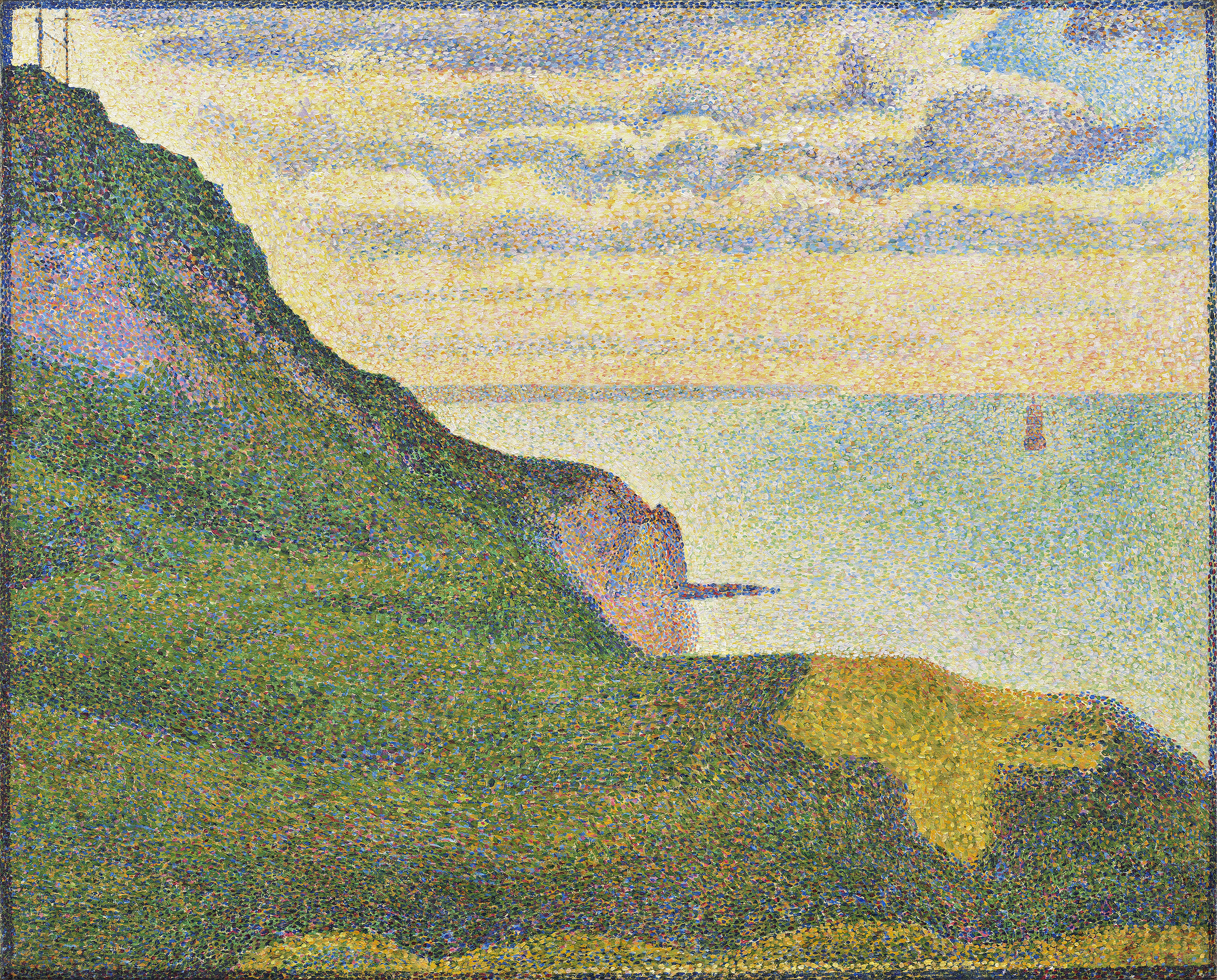
“The canvas doesn’t lie — it simply waits.” In stillness, it holds the echoes of time, inviting us to wander through its depths of nostalgia and memory. Look closely at the horizon, where the sea lapping against the shore whispers stories of mariners and the passage of days. The gentle waves of blue meld seamlessly into the muted earth tones of the gravelly beach, creating a tranquil yet dynamic interplay of color. Notice how tiny dots of color, characteristic of the artist’s technique, coalesce into a vivid landscape that feels alive and breathing, capturing the essence of warm sunlight spilling over the scene.
Upon further inspection, the lone figure in the foreground stands sentinel, embodying solitude and contemplation against the expansive backdrop of nature. This juxtaposition reveals a subtle tension between humanity and the vastness of the world, evoking a sense of yearning and reflection. The varying hues of the sky suggest the time of day, perhaps dawn or dusk, highlighting a fleeting moment that balances between hope and melancholy.
In 1890, Seurat painted this piece while immersed in his exploration of pointillism, a technique that meticulously applies color in small dots to achieve harmonious compositions. During this time, he sought to capture both the physical and emotional essence of his subjects, reflecting a shift in the artistic landscape towards more innovative forms of expression. This painting stands as a testament to his mastery and vision, encapsulating a moment of quiet introspection amidst a changing world.