A Sunday on La Grande Jatte — 1884 — History & Analysis
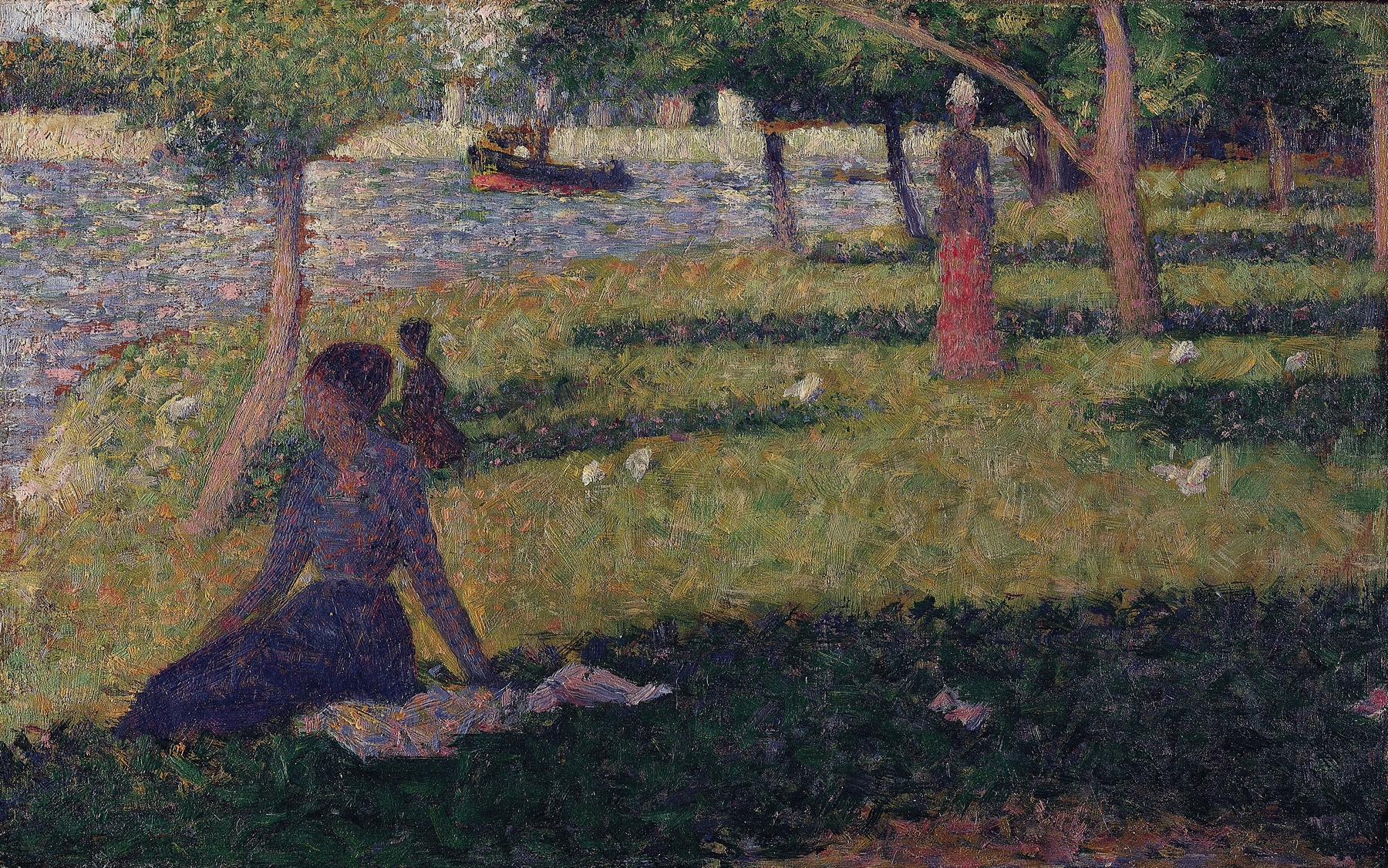
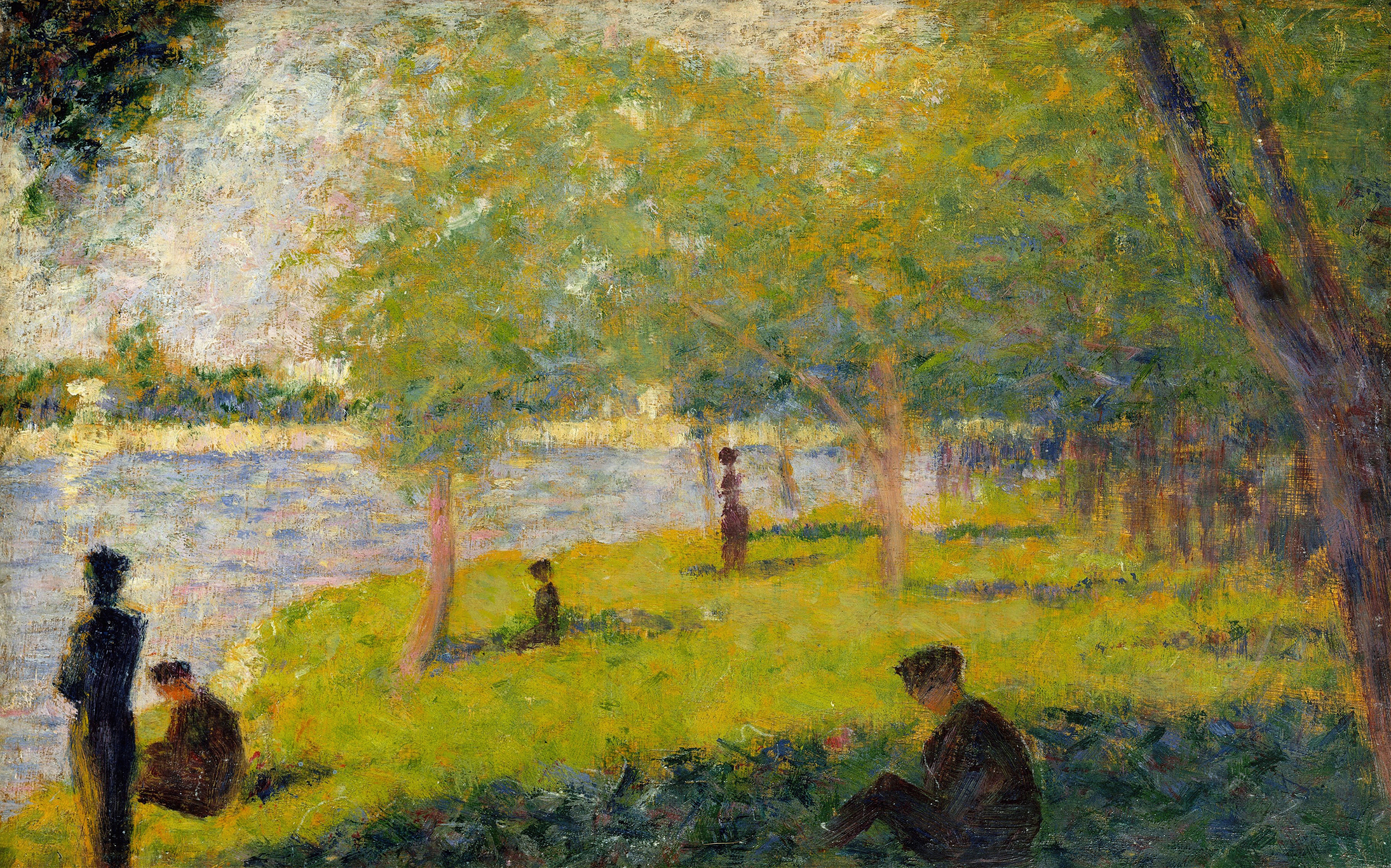
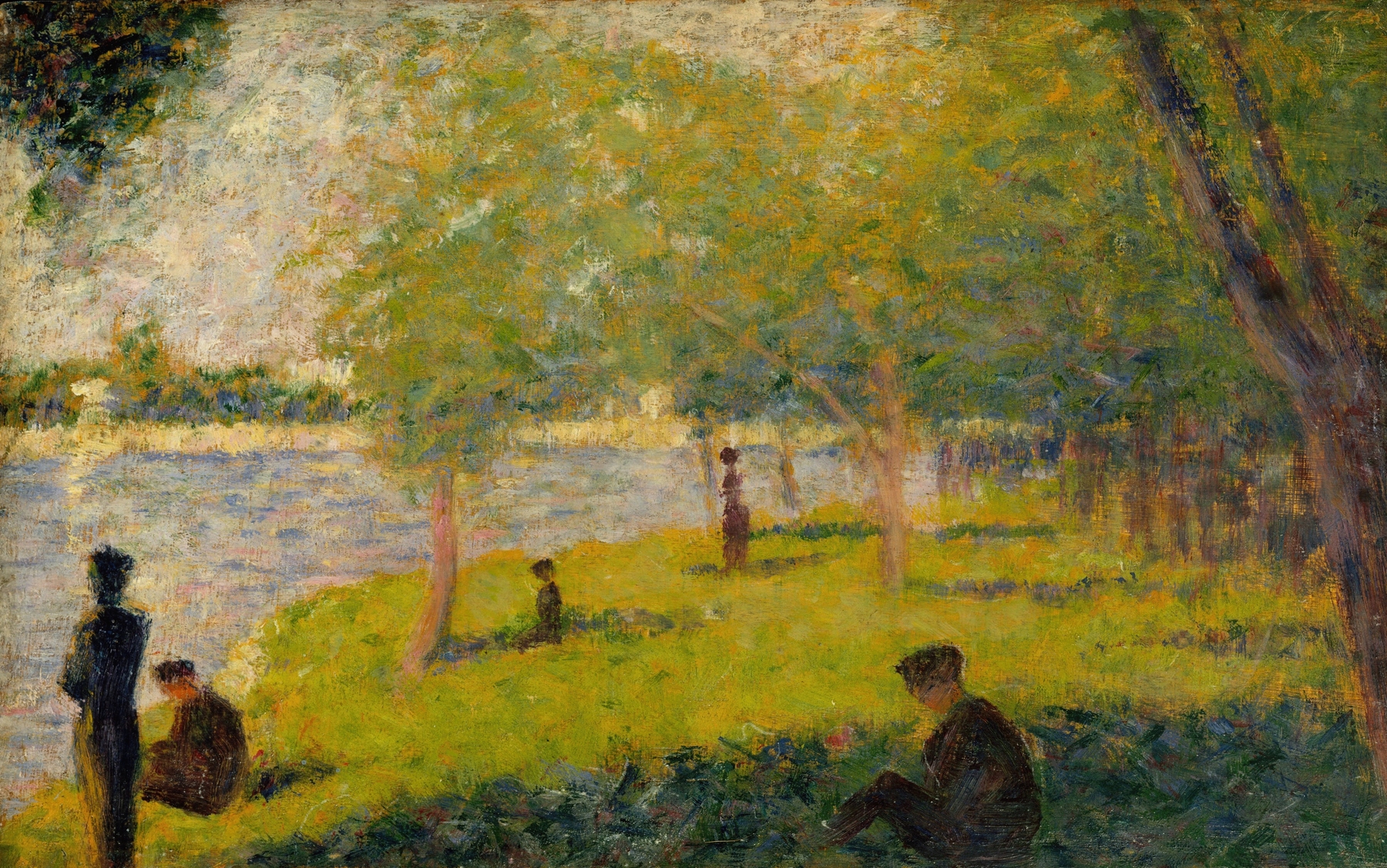
Did the painter know this moment would outlive them? The quiet, sun-drenched afternoon on the banks of the Seine invites viewers into a world that vibrates with life and stillness, a testament to the power of fleeting moments saved in paint. Look closely at the left side of the canvas, where dappled sunlight filters through the trees, casting playful shadows on the ground. The meticulously placed dots of color blend harmoniously, creating a sense of movement and vitality, drawing the eye across the scene.
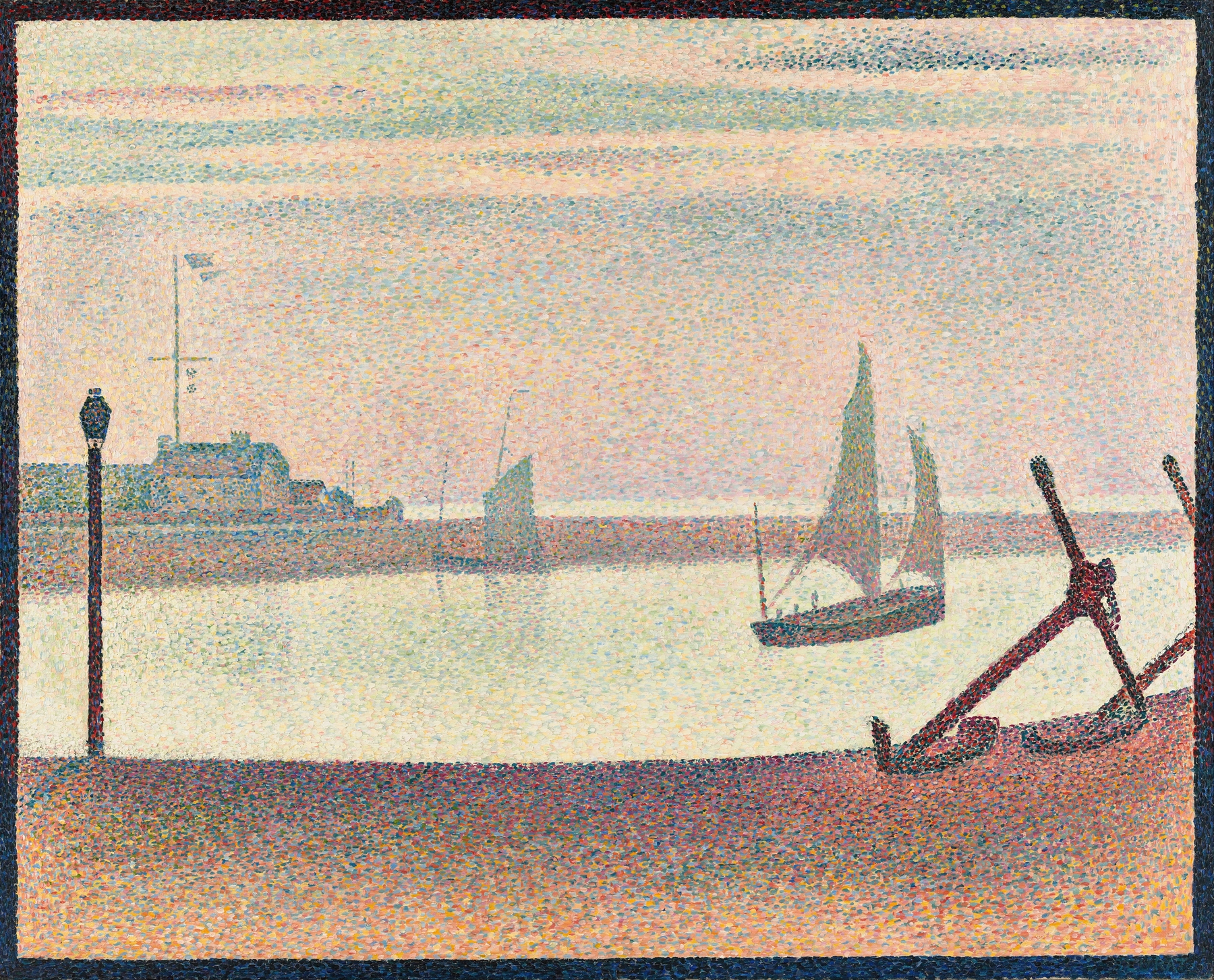
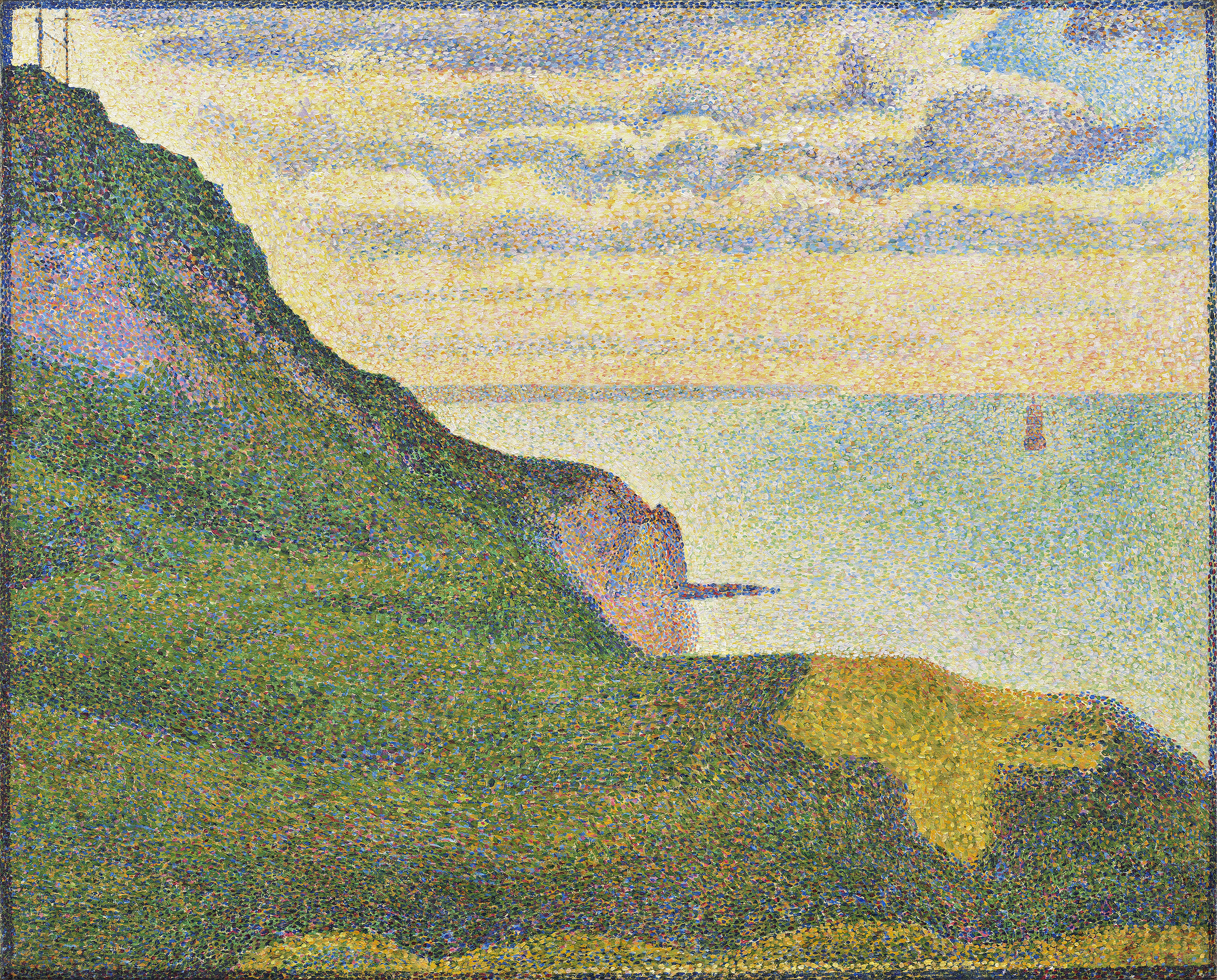
Notice the diverse array of figures, from elegantly dressed women to children at play, all anchored on a grassy bank — their expressions and postures encapsulating a serene yet dynamic tableau. The contrasts here speak volumes: the rigidity of the adults against the carefree abandon of the children, the stillness of the water juxtaposed with the animated conversations among picnickers. Each character contributes to a larger narrative about leisure and the social fabric of late 19th-century Paris. The meticulous pointillism method, with its tiny dots of color, invites contemplation and suggests a deeper interaction between individual and collective experience, evoking an emotional resonance that transcends time.
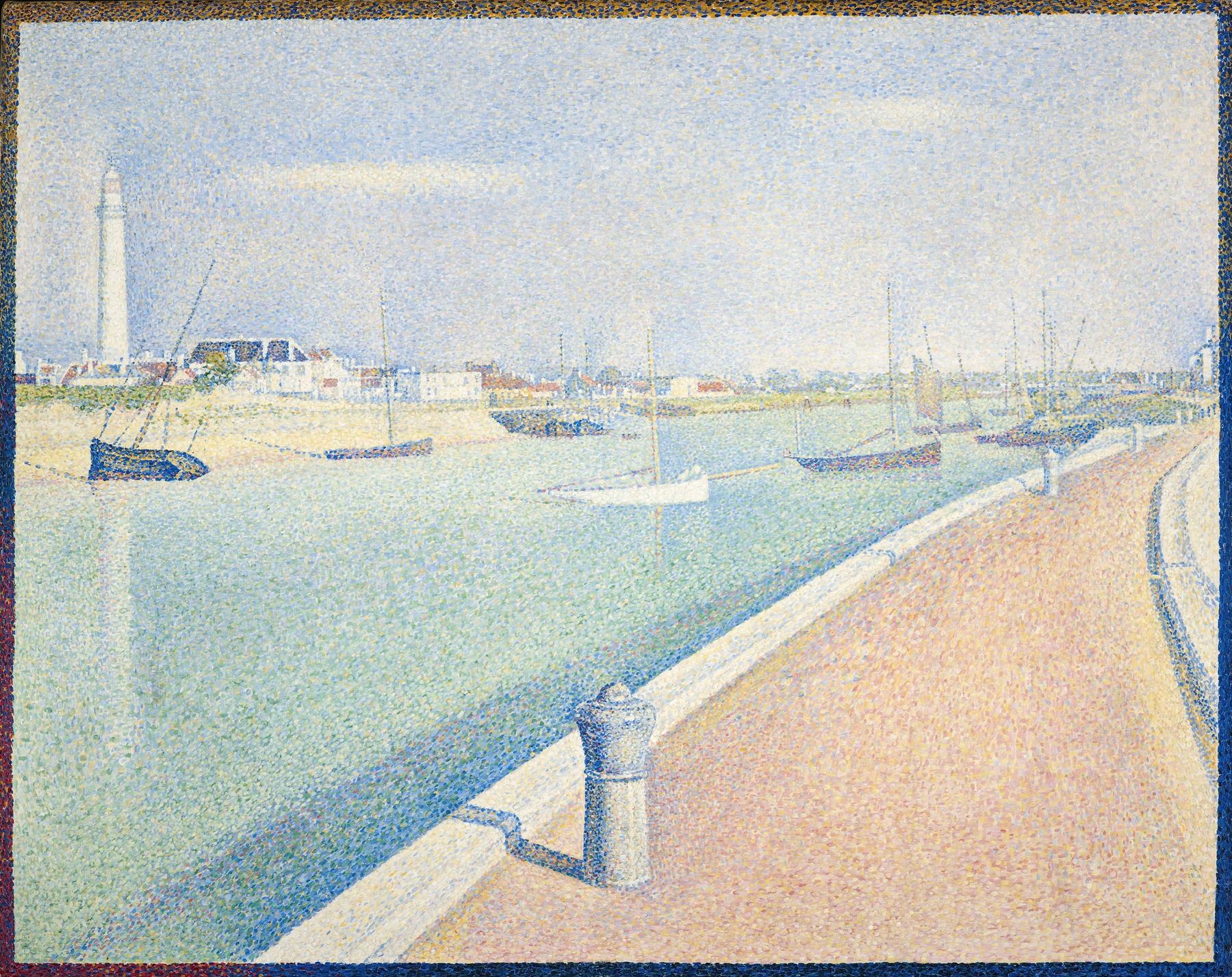
Georges Seurat painted this iconic piece between 1884 and 1886, a pivotal moment in his career as he pioneered the technique of chromoluminarism. Living in Paris during a time of industrial revolution and artistic change, he sought to capture the essence of modern life, forever altering the trajectory of Impressionism. The border added later in 1888-89 frames this microcosm of urban life, allowing it to stand as an enduring symbol of both leisure and artistry.