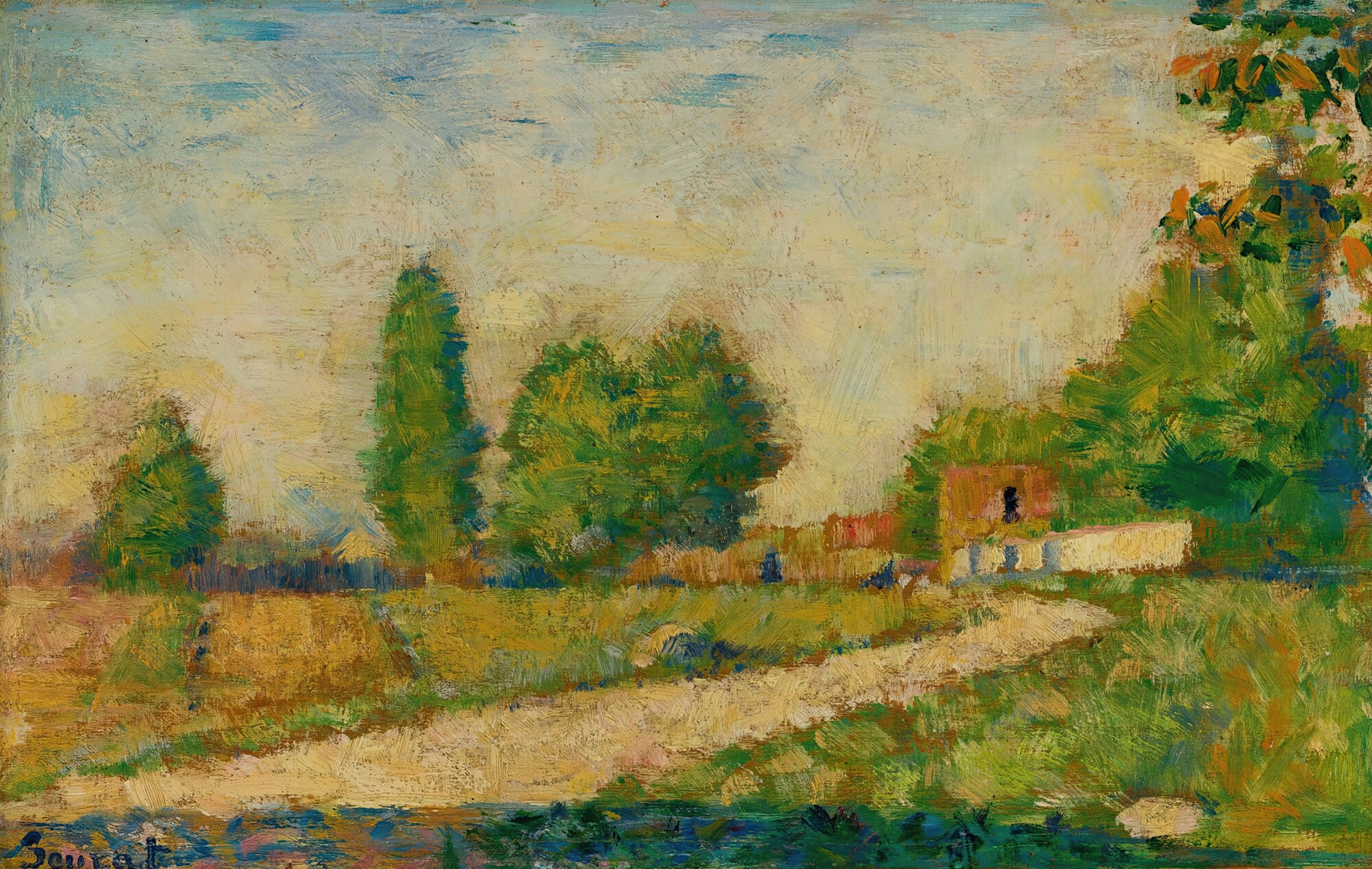
Oil Sketch for "A Sunday on La Grande Jatte — 1884" — History & Analysis
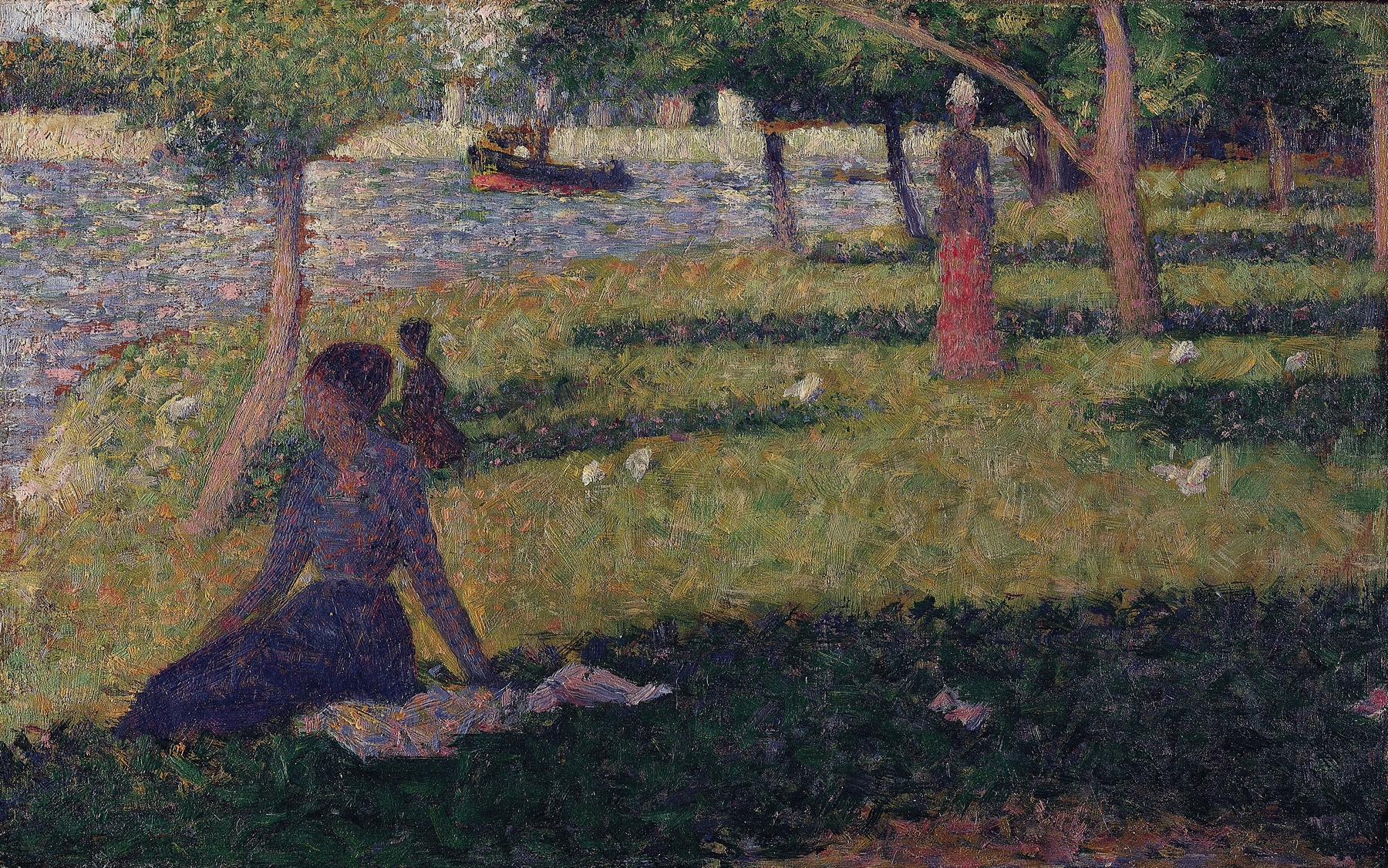
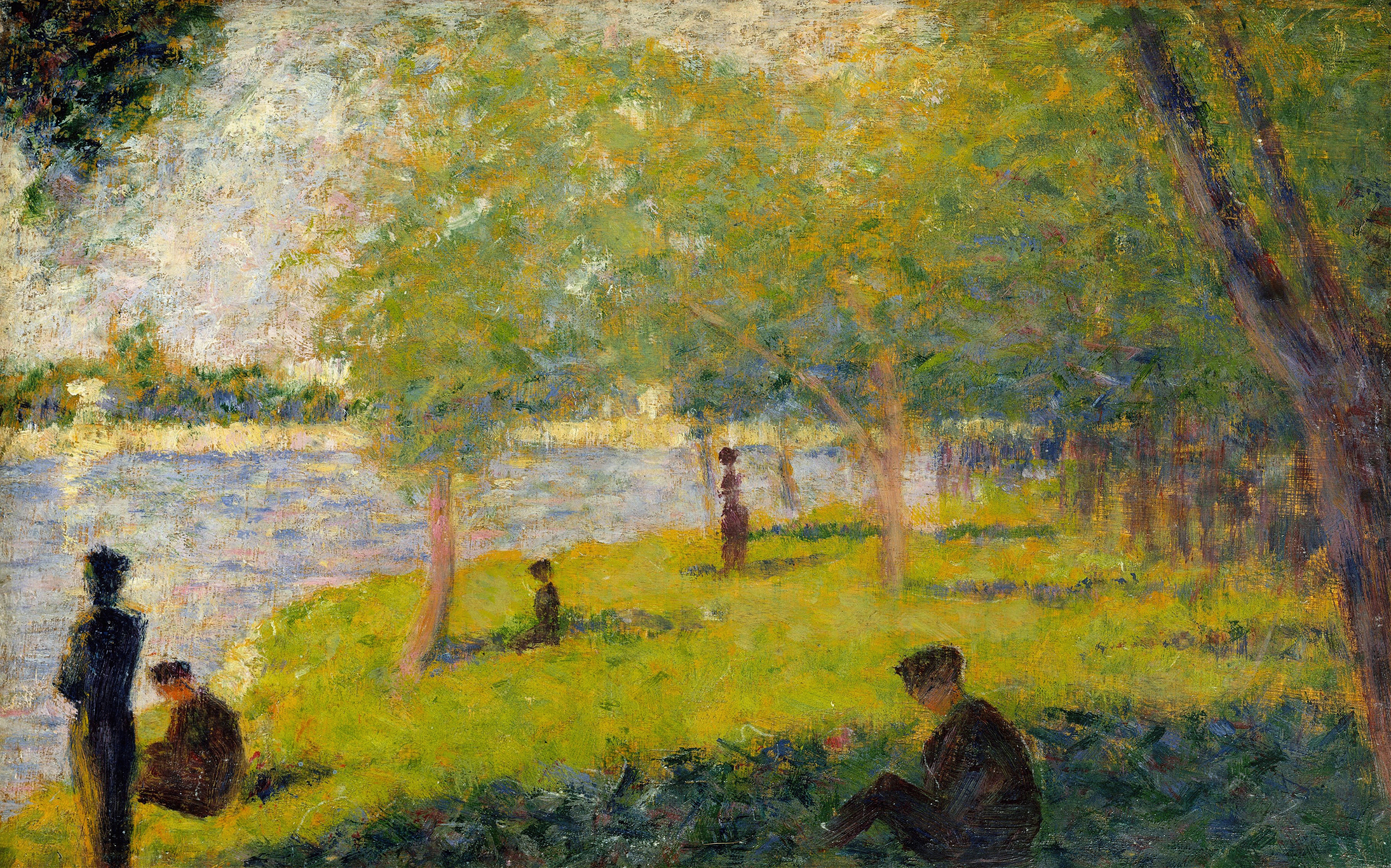
“Between color and silence, truth hides.” In the realm of art, few moments capture the essence of a burgeoning revolution quite like the oil sketch that paved the way for a monumental masterpiece. This intimate glimpse into the artist's process reveals not just a scene, but a quiet rebellion against the traditional norms of his time. Look closely at the luminous dots of color scattered across the canvas. The vibrant greens and soft blues draw your eye to the central figures, while the intricate play of light invites you to explore the subtleties of the composition. Each brushstroke is deliberate, part of a meticulous method that speaks to both the spontaneity and precision of Seurat's vision.
The arrangement of figures hints at a leisurely day, yet the tension in their postures suggests an undercurrent of something deeper. Beneath this idyllic surface lies a commentary on societal change. The juxtaposition between the serene setting and the meticulous intricacies of human interaction reveals a tension between leisure and the growing pressures of modernity. The varying sizes of the figures reflect class distinctions, while the dots themselves symbolize the fragmentation of society.
This sketch captures not just a moment, but the pulse of an era that hungered for new expression. In 1884, Seurat was immersed in the avant-garde movements that sought to redefine art, experimenting with technique and color theory as he developed his distinctive pointillism. Working in Paris during a time of societal transformation, he sought to capture the essence of contemporary life, ultimately laying the groundwork for one of the most iconic paintings in history. This piece stands as both an intimate study and a testament to an evolving artistic vision.