Au Bord Du Village — History & Analysis
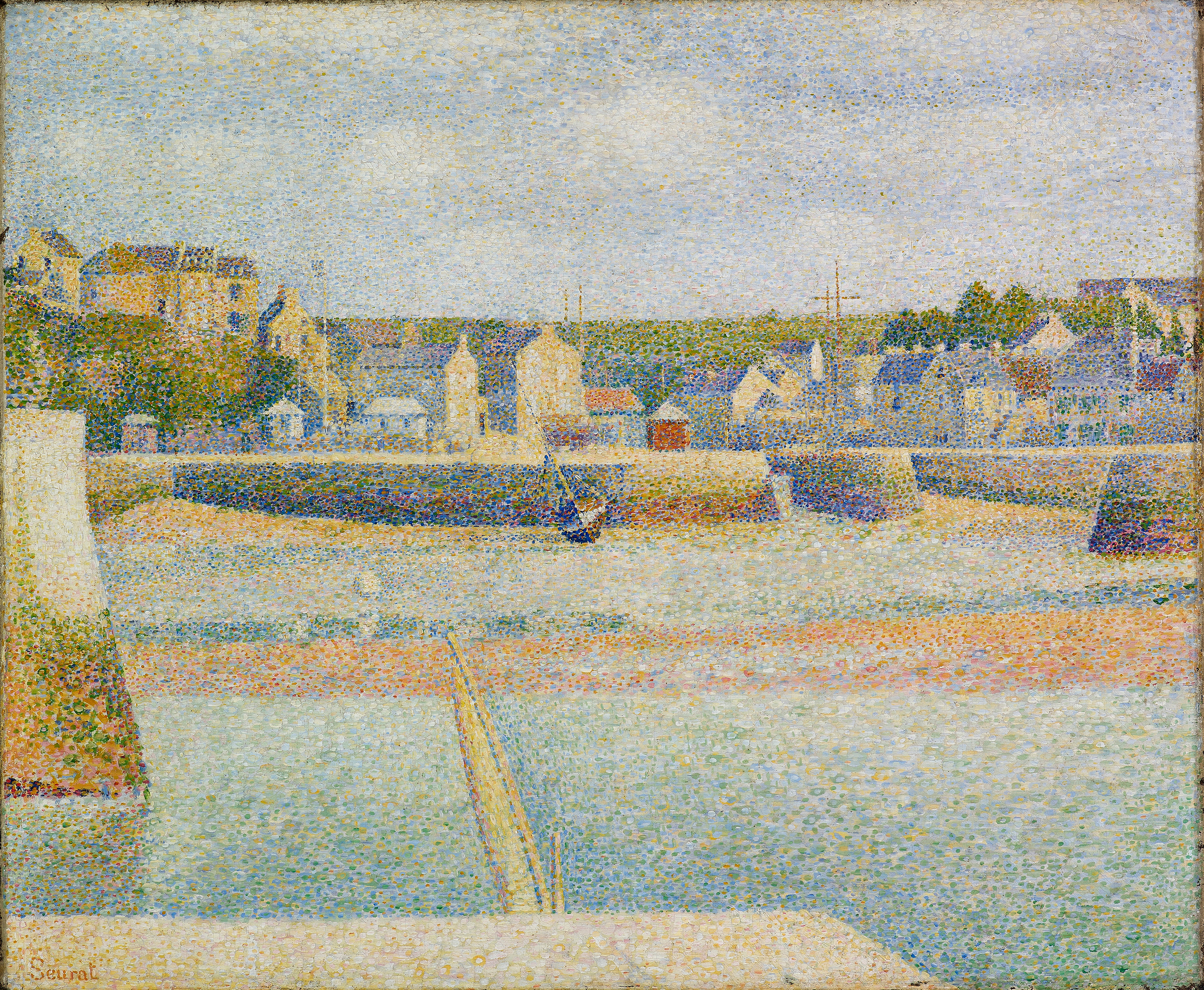
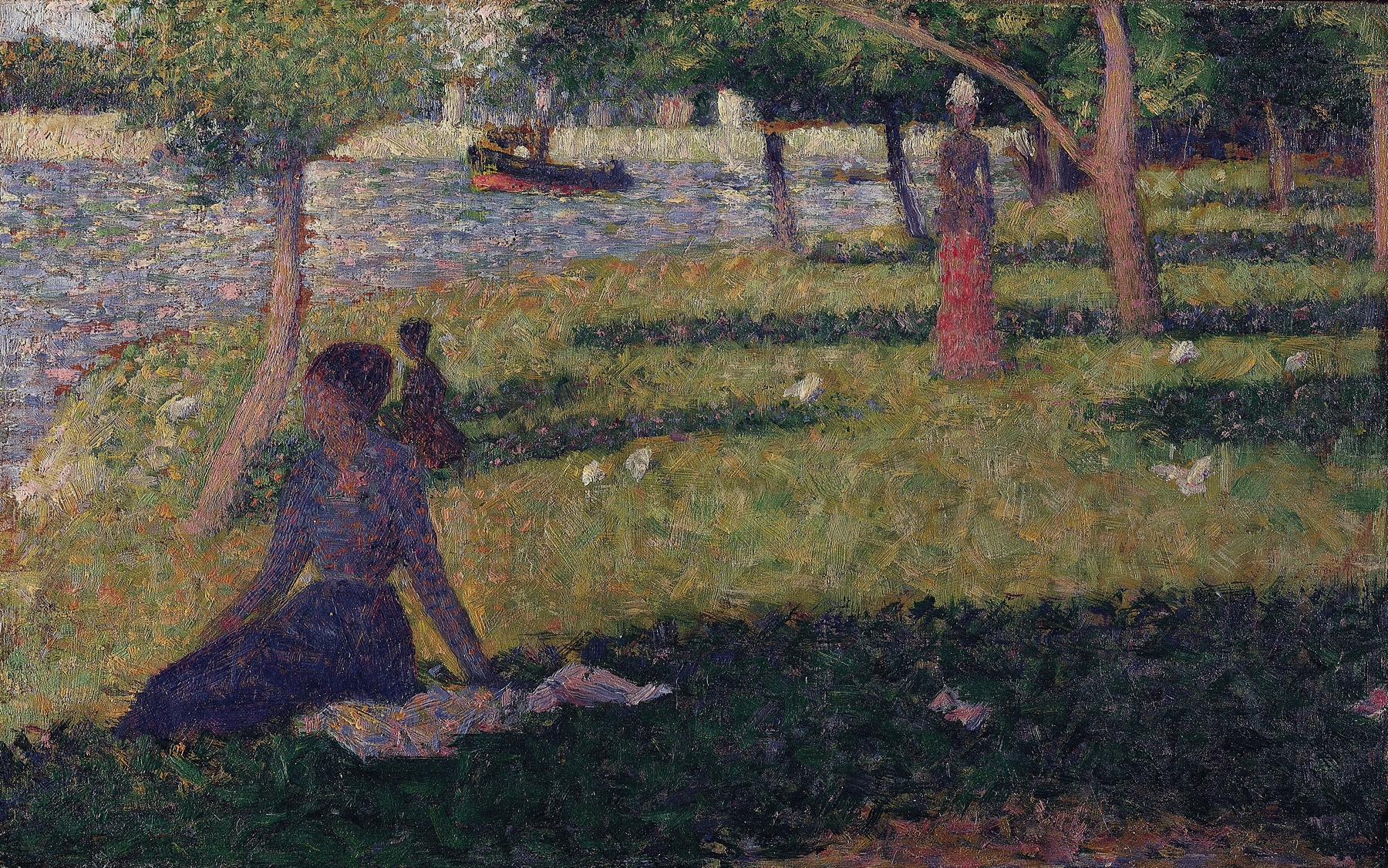
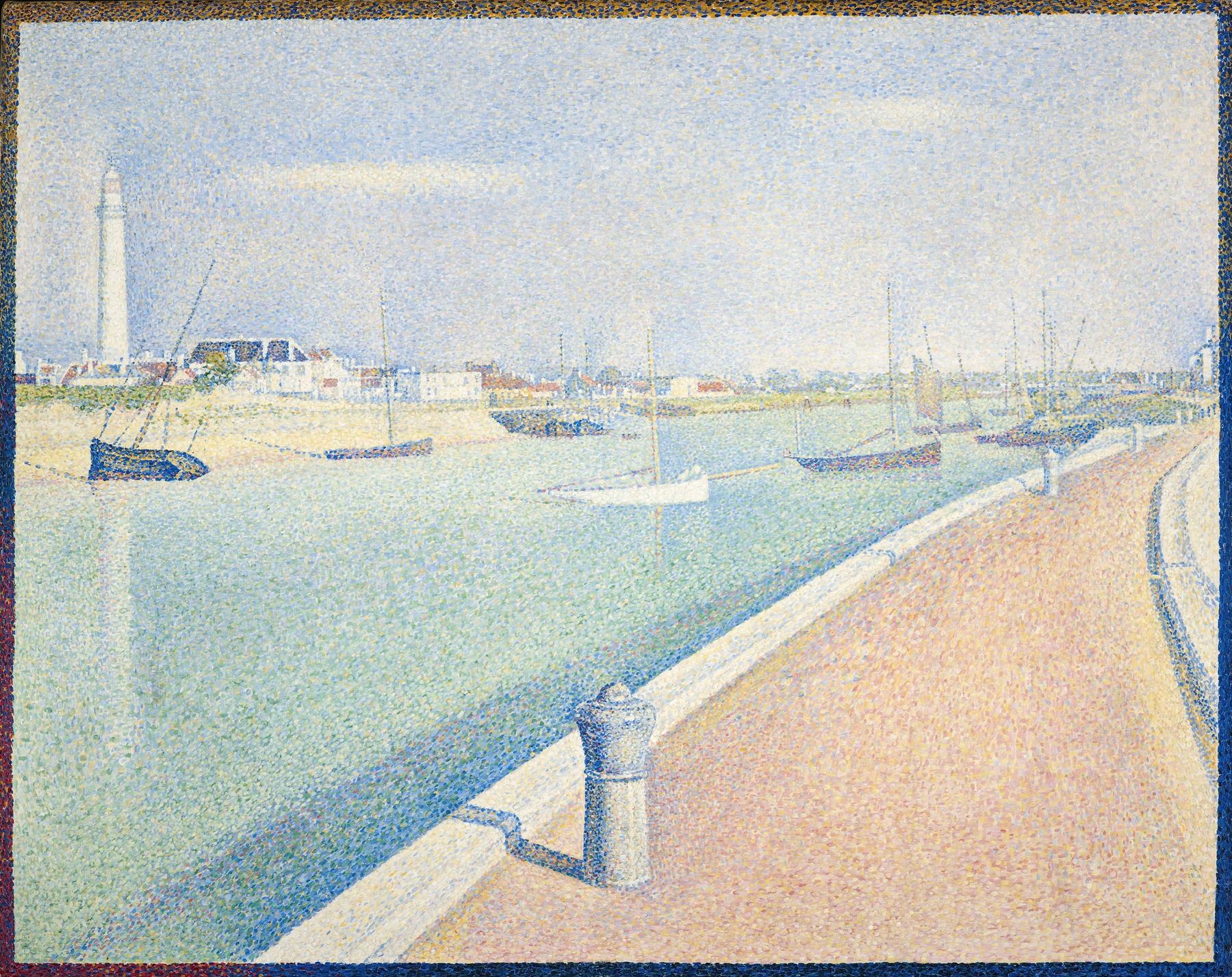
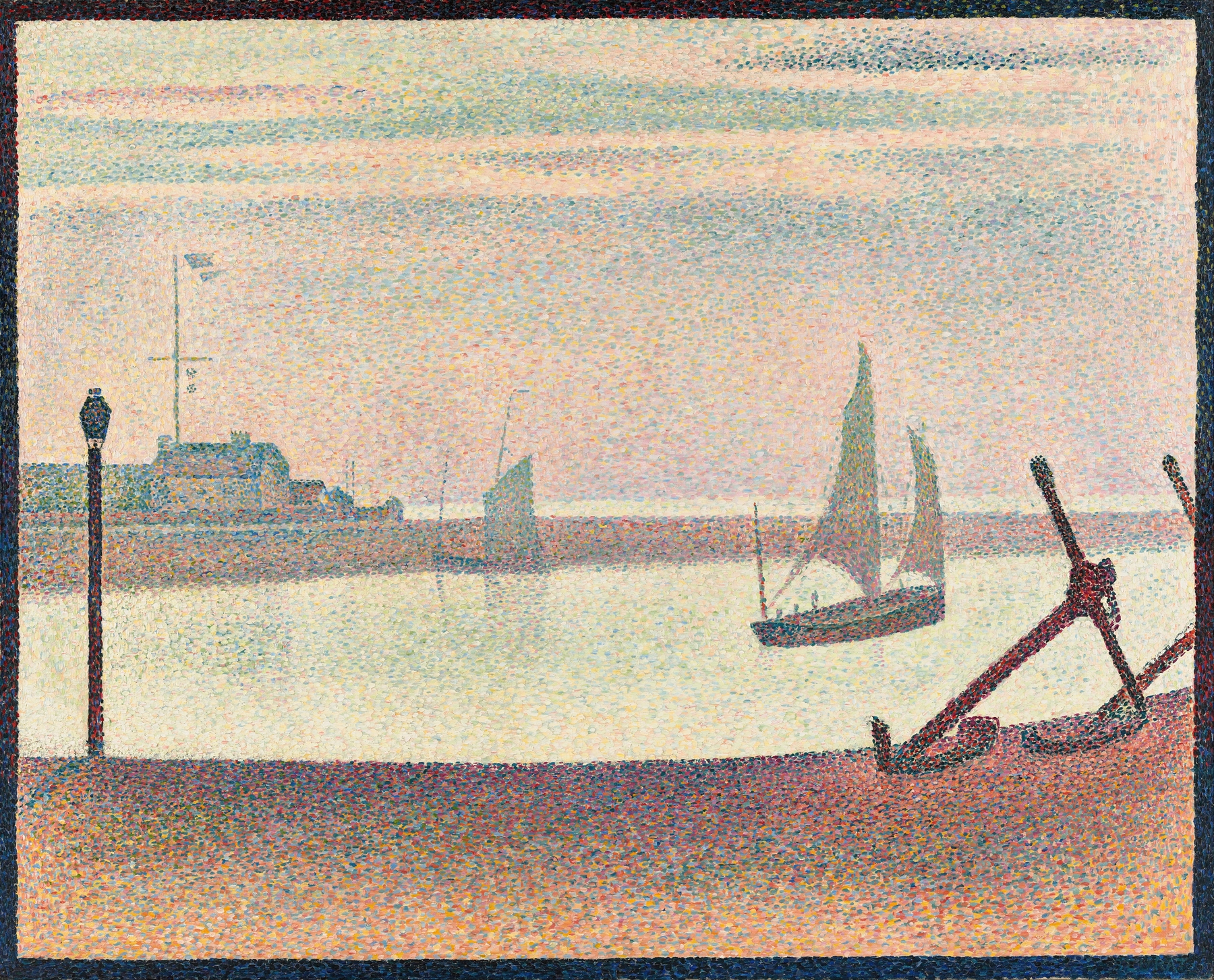
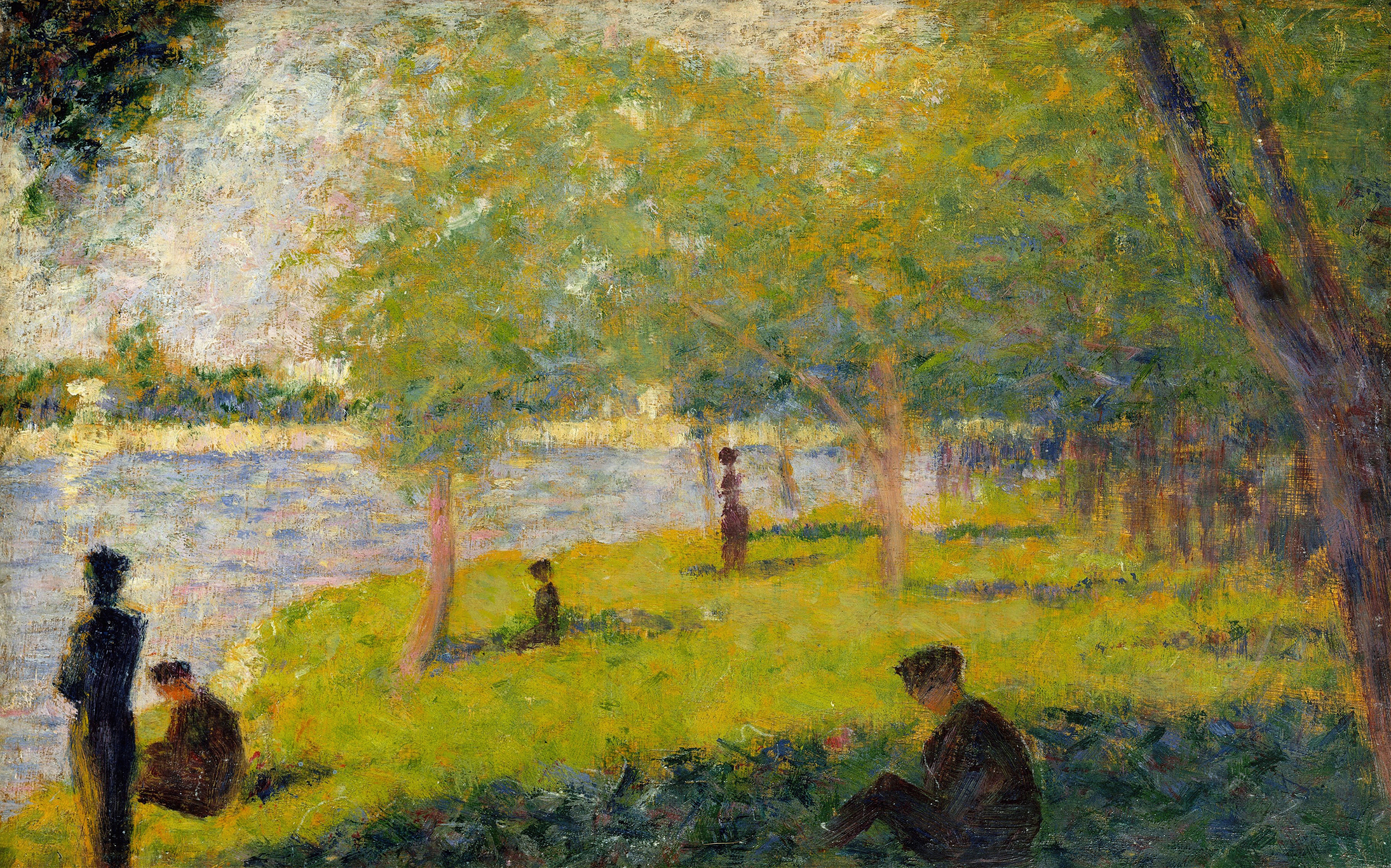
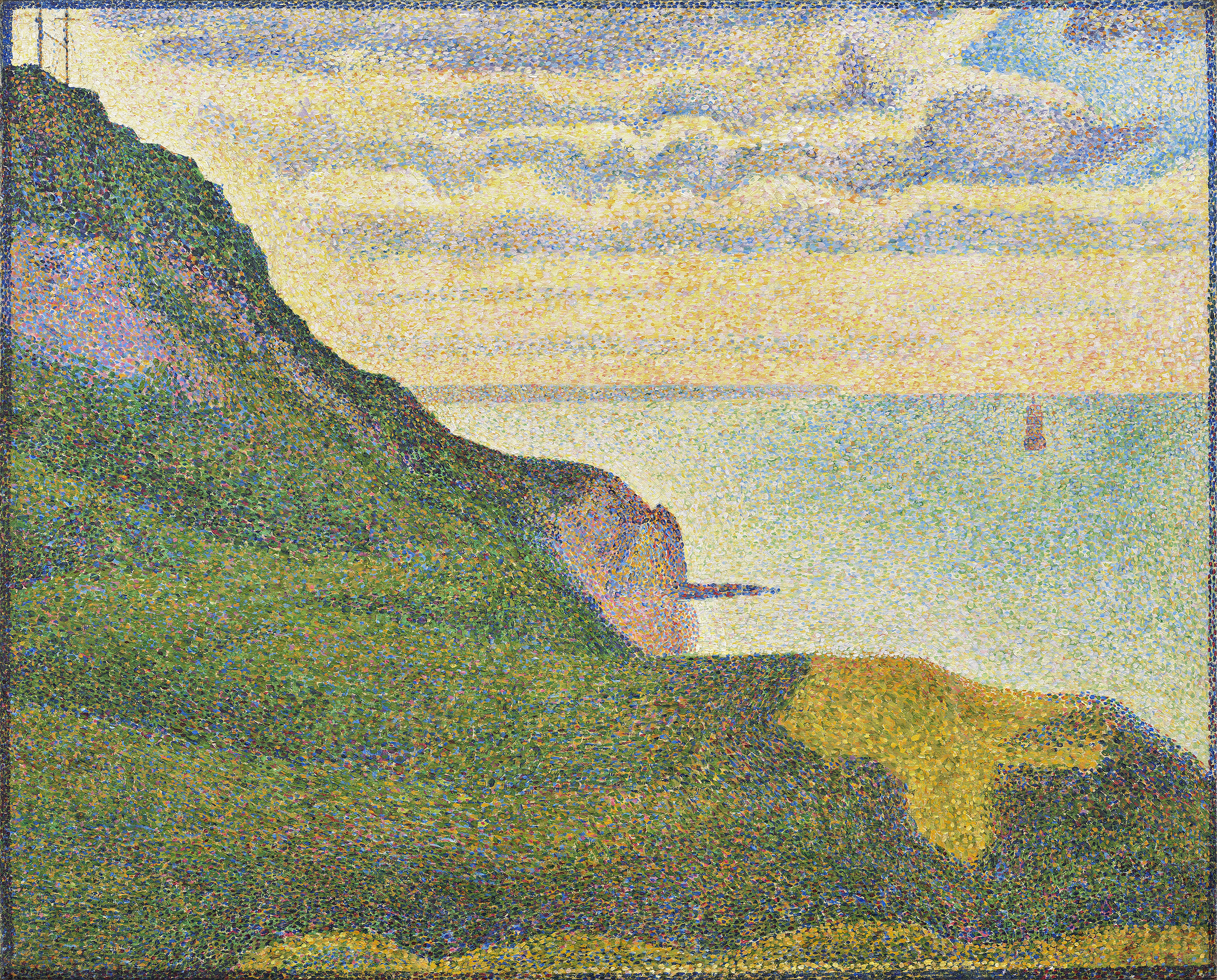
“Every silence here is a confession.” In the delicate interplay of light and shadow, secrets linger, waiting to be unveiled, whispering to those who dare to look closer. Focus your gaze on the soft hues that envelop the landscape; look to the horizon where the gentle gradient of blues meets warm earth tones. Seurat’s pointillist technique invites your eyes to dance across the canvas, revealing a tapestry of colors that blend together in a harmonious symphony. Notice the dappled sunlight filtering through the trees, illuminating the textures of the foliage and the contours of the village.
Each tiny dot serves not merely as a stroke of paint but as a pixel in a breathtaking visual experience, drawing you into the serene intimacy of rural life. Within this tranquil setting, the emotional tension arises from the unspoken stories captured in stillness. The careful balance of light and shadow evokes a sense of nostalgia, as if the viewer is peering into a moment frozen in time. The contrast between the vibrant village and the surrounding calm evokes a deep yearning for connection, suggesting that even in quietude, life is an intricate tapestry of experiences and emotions waiting to unfold.
Created during the late 19th century, this piece reflects Seurat’s innovative approach to color theory and composition. He was deeply influenced by contemporary scientific studies of color perception, which shaped his pioneering technique. This painting emerged when the artist was exploring the boundaries of Impressionism in Paris, a time when the art world was shifting towards new styles that embraced modern life and its complexities.