A View in the Dunes — History & Analysis
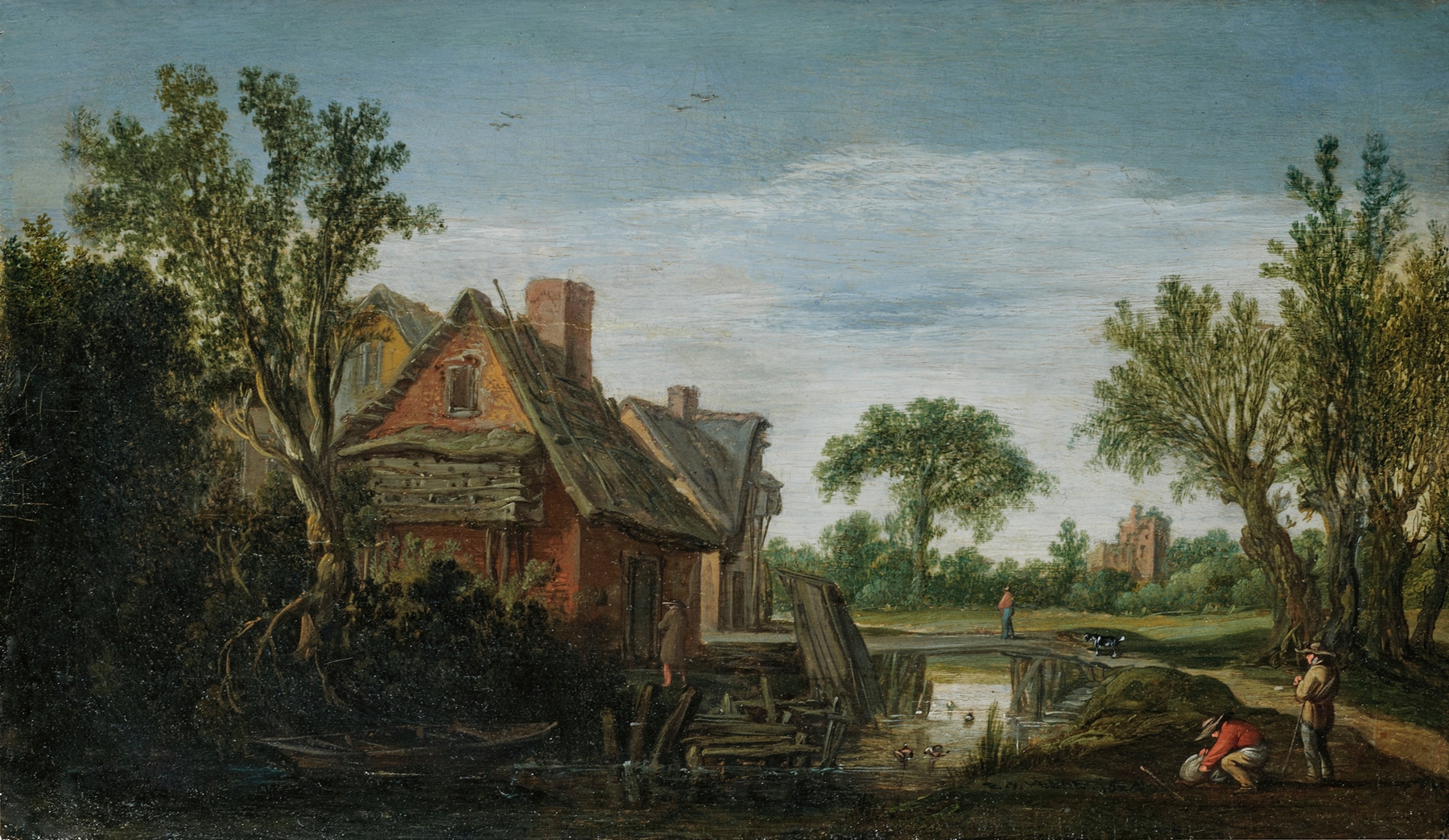
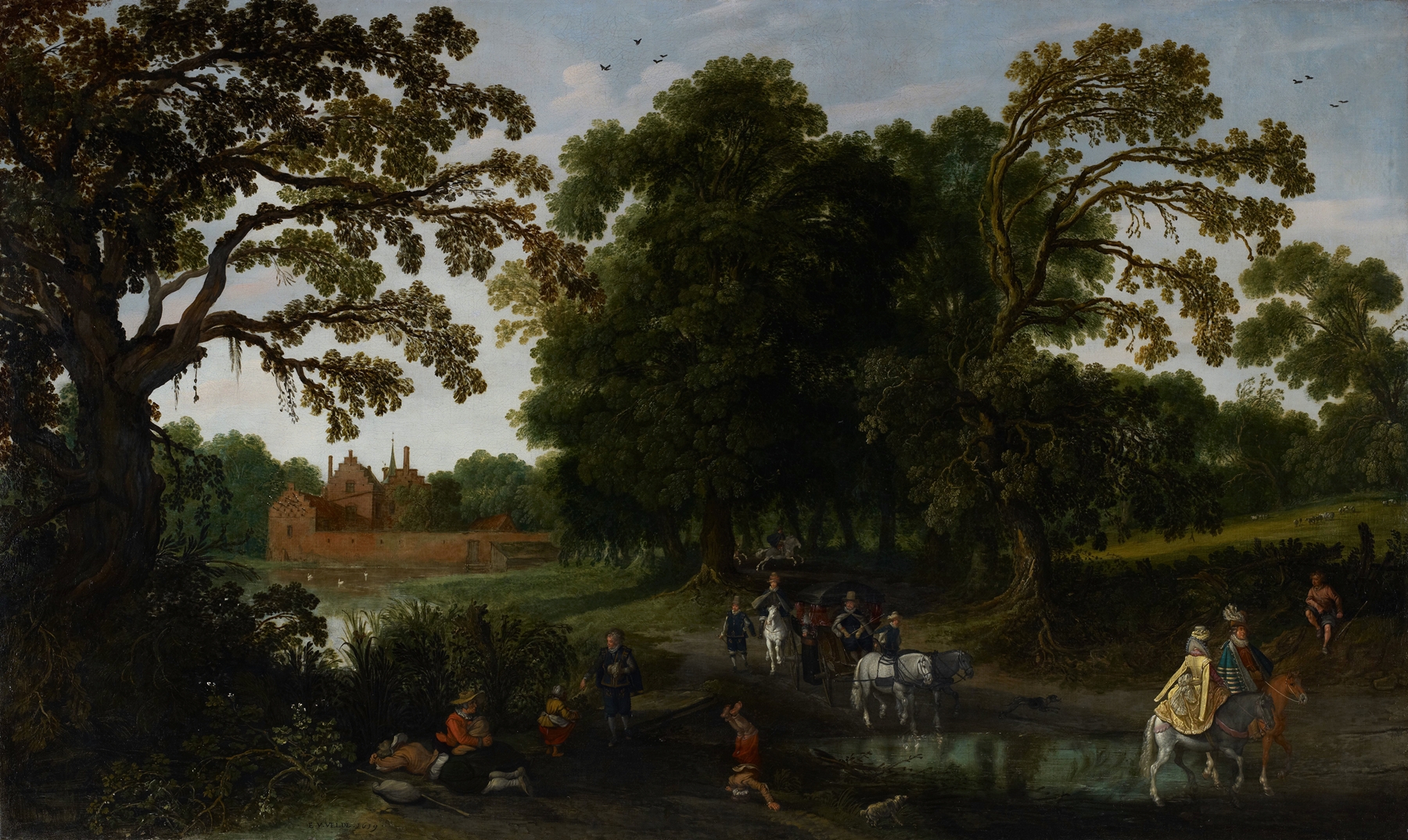
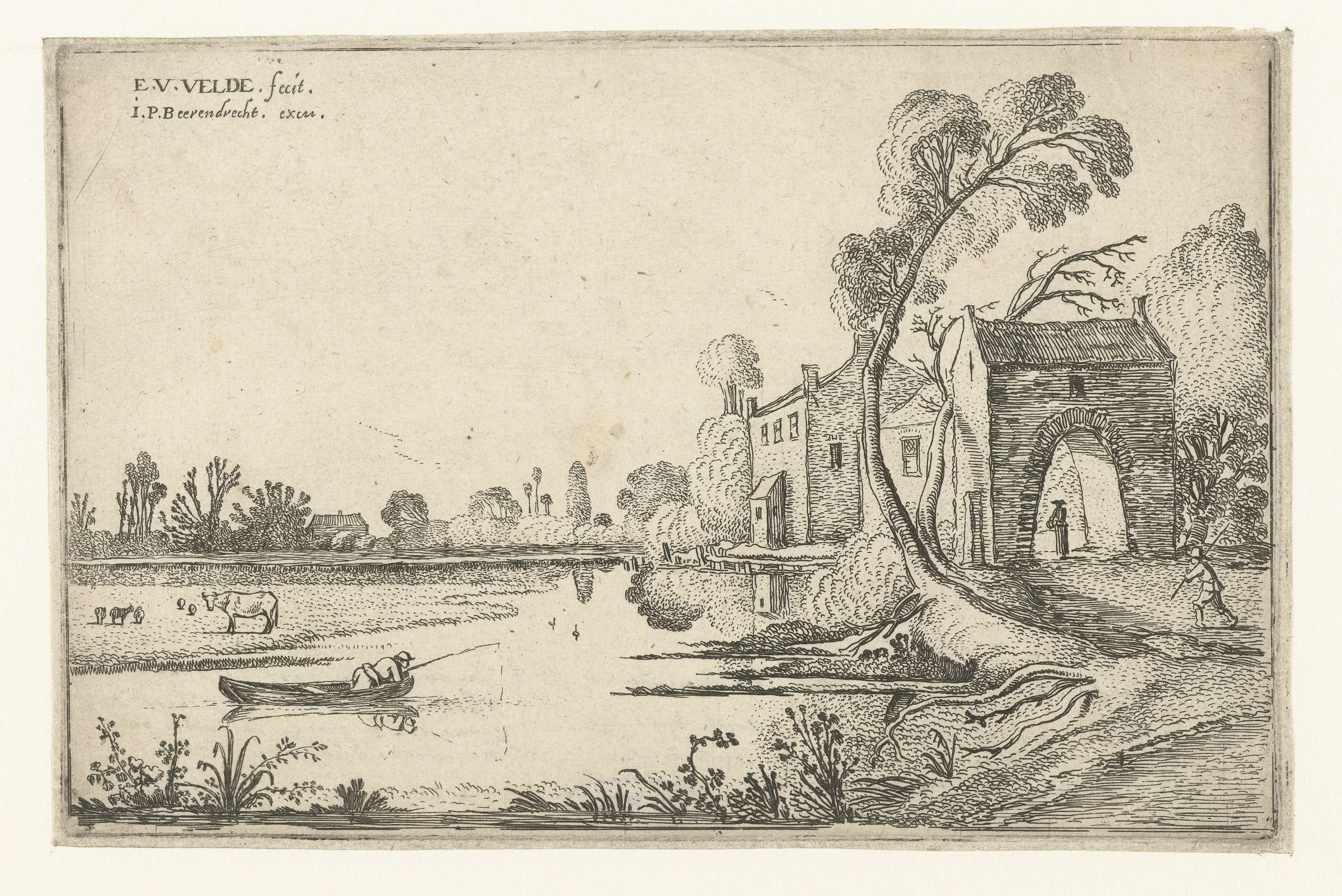
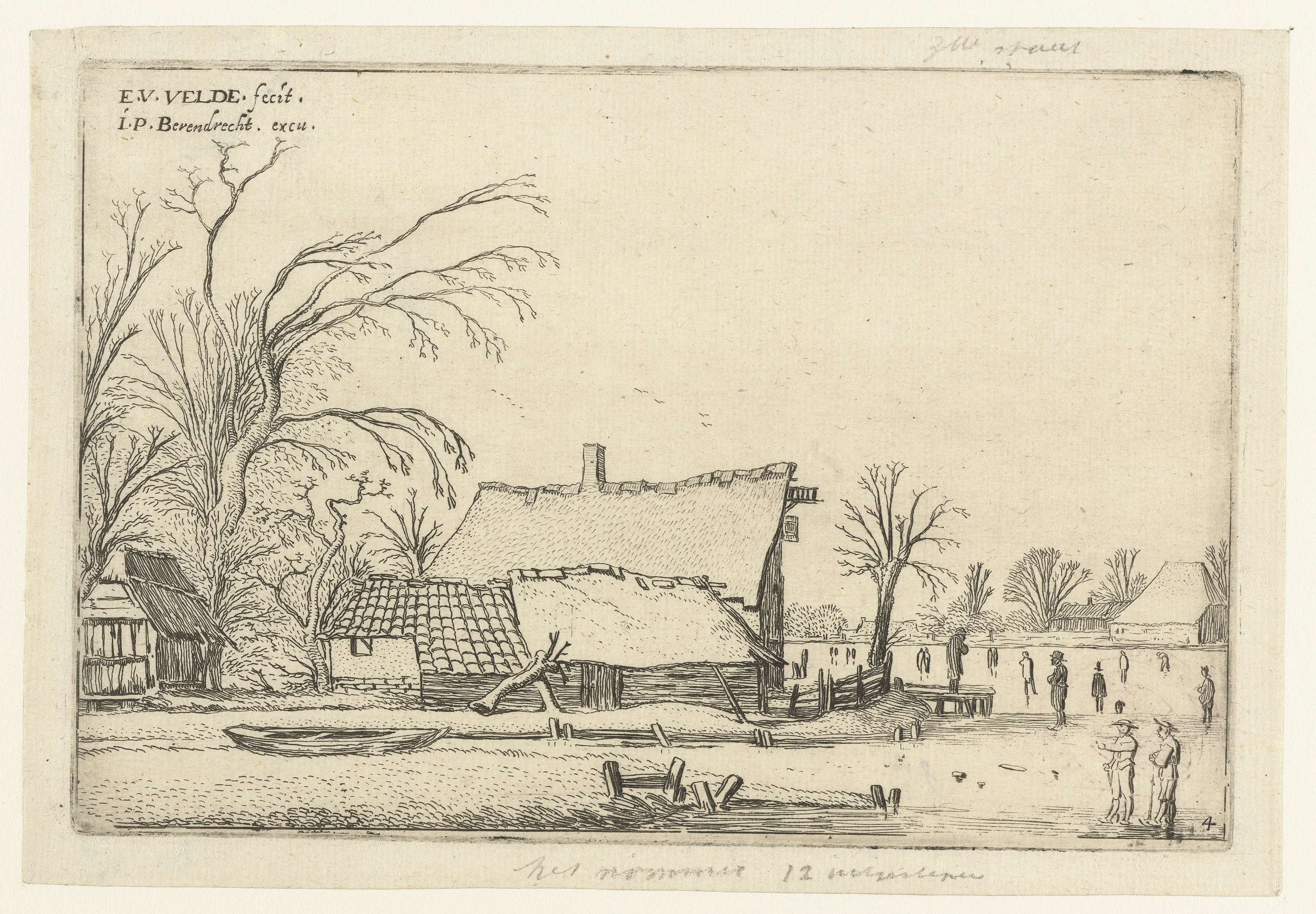
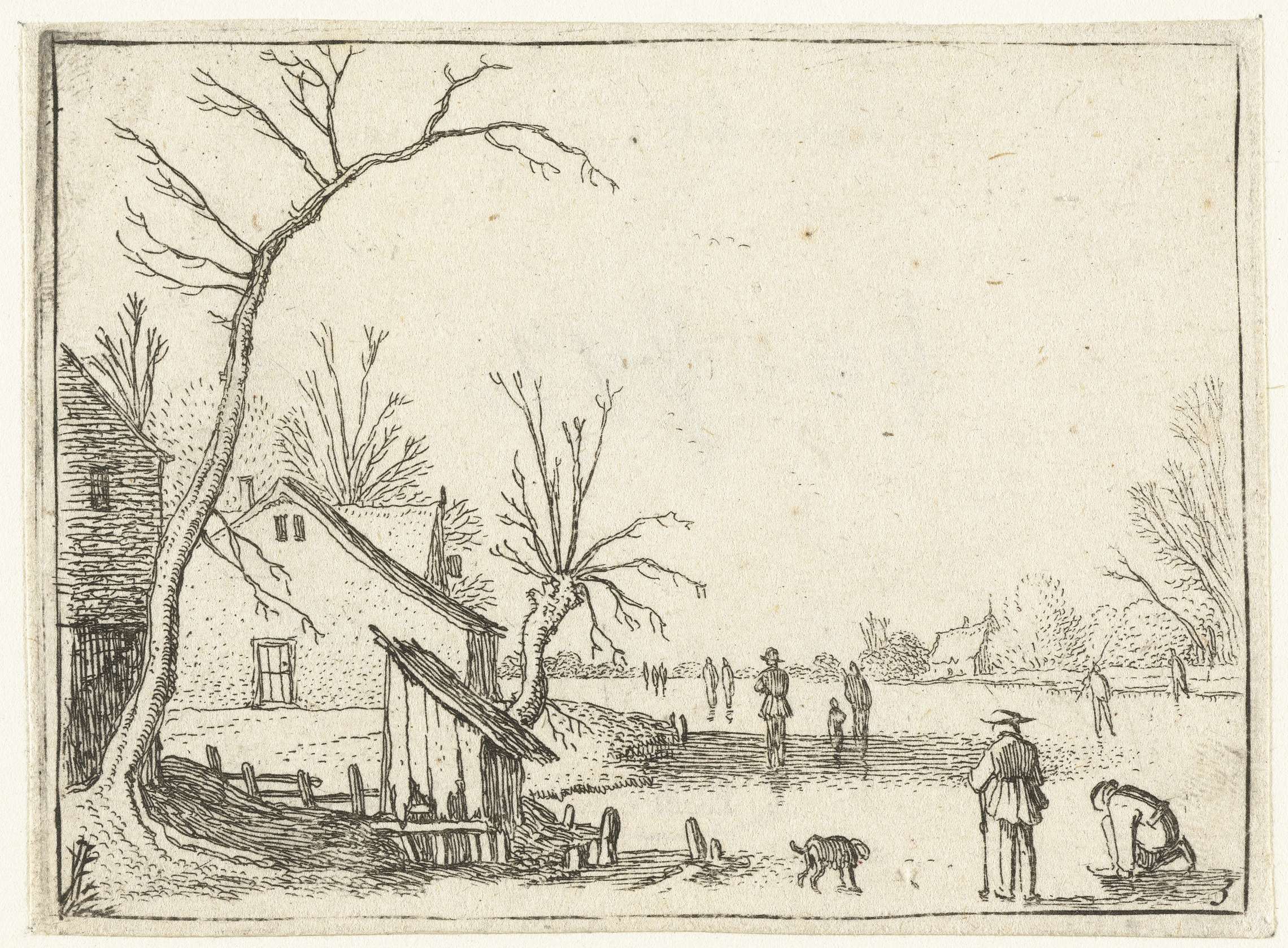
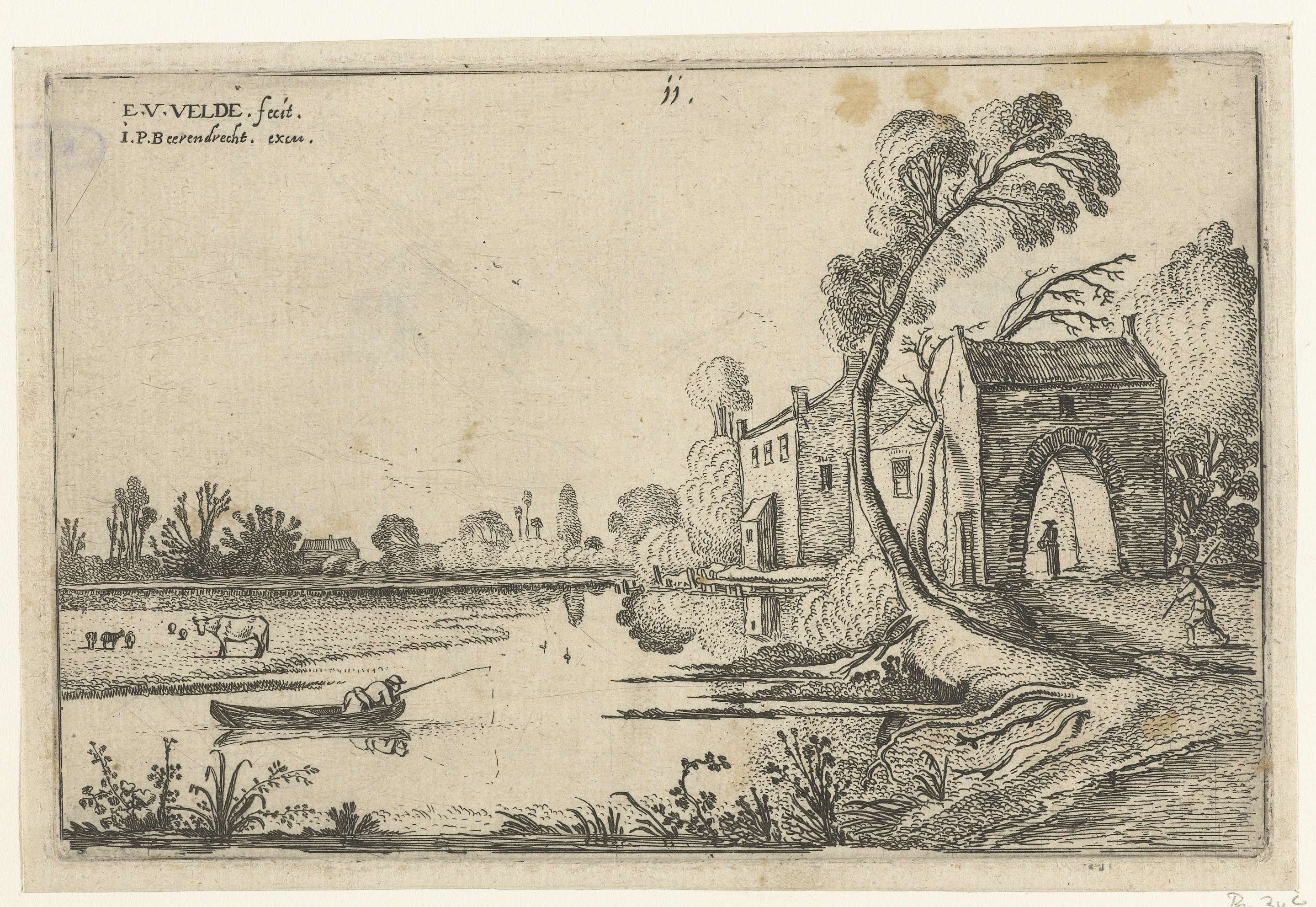
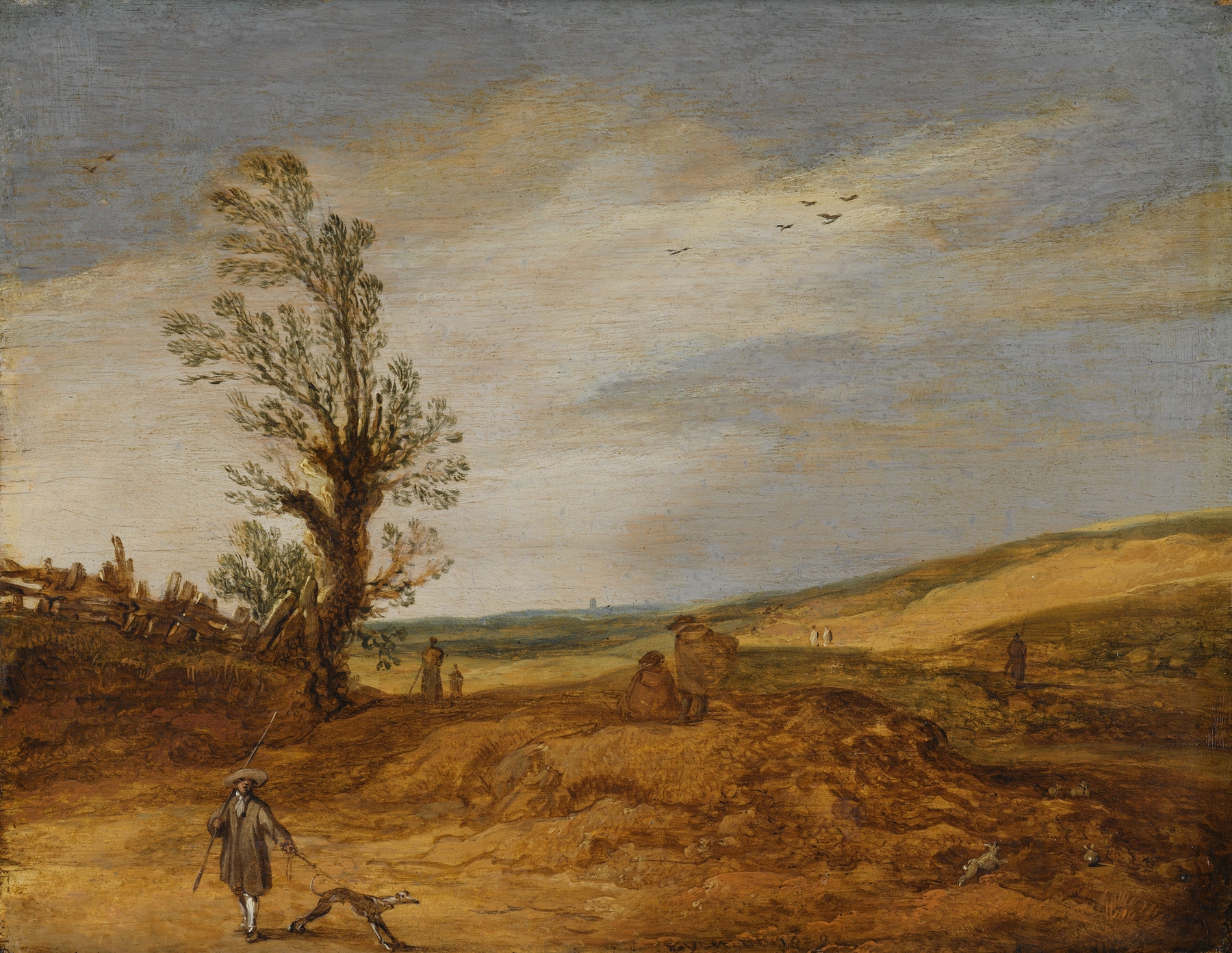
“Under the brush, chaos becomes grace.” In the quiet solitude of a vast landscape, the heart of loneliness beats softly, revealing layers of emotion hidden within the dunes and sky. Focus first on the horizon, where gentle undulations of sand meet a subtle wash of sky. Notice how the artist's delicate brushwork creates a sense of movement, infusing the scene with an ethereal quality. The muted palette of ochres and soft blues evokes a palette of tranquility, drawing the viewer into a contemplative state.
Pay attention to the sparse figure of a solitary traveler, dwarfed by the natural expanse, their presence emphasizing the isolation inherent in the landscape. Within this composition lies a profound exploration of solitude. The rhythmic lines of the dunes suggest both permanence and transience, mirroring the transient nature of human existence. The solitary figure stands as a poignant reminder of the vastness of both the physical and emotional worlds, inviting viewers to ponder their own moments of isolation amidst life's journey.
The interplay of light and shadow across the dunes adds depth, hinting at the unseen struggles that accompany loneliness. Created in 1629, this painting emerged during a fertile period for Dutch landscape artists, where the exploration of nature became a means of expressing deeper human emotions. Van de Velde, working in the Netherlands, sought to capture the balance between the beauty of the natural world and the complexities of human experience. This piece reflects not only his technical mastery but also the evolving sensibilities of an era that increasingly valued the introspective relationship between man and nature.