Landschap met een rivier en poortgebouw — History & Analysis
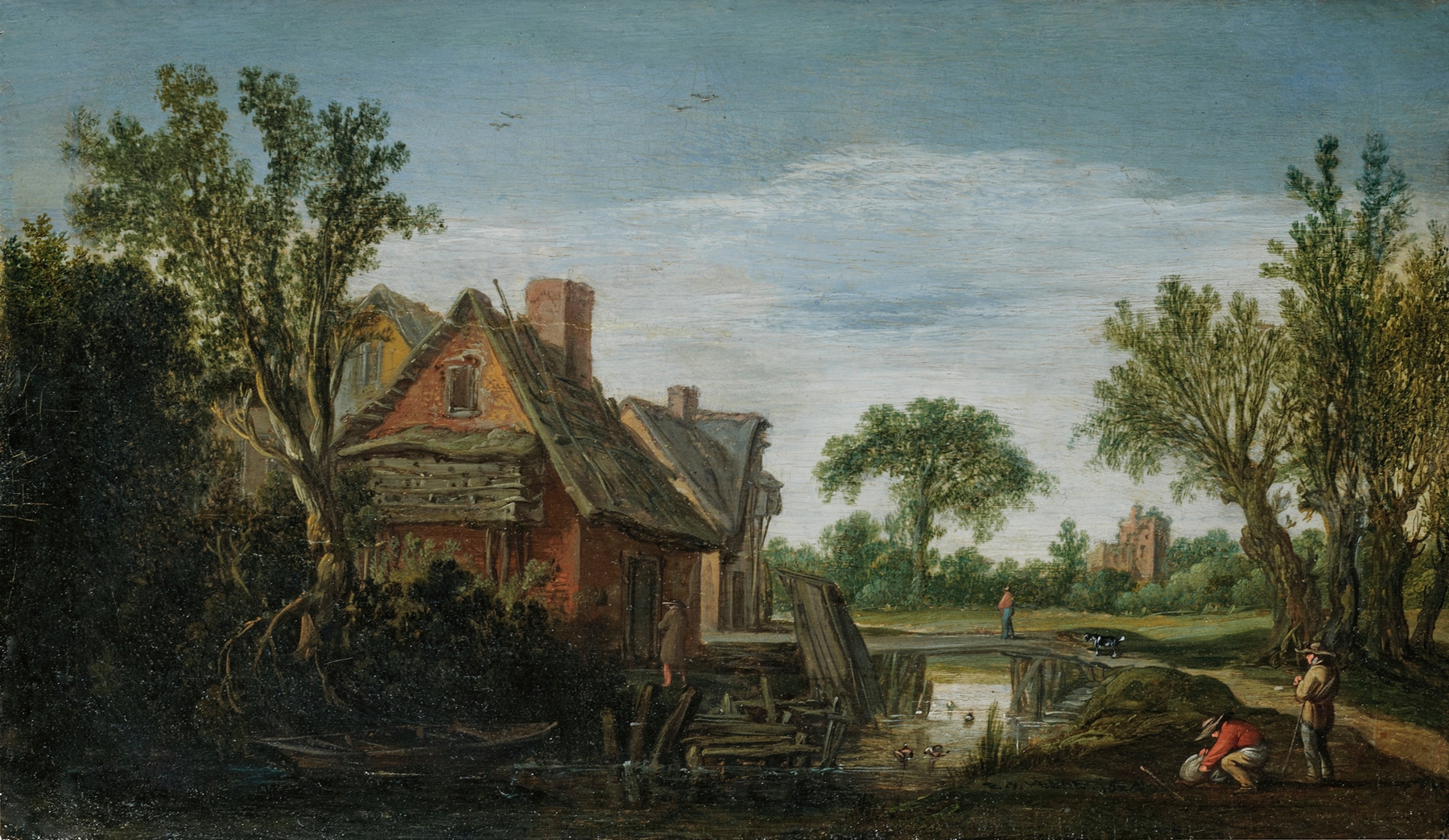
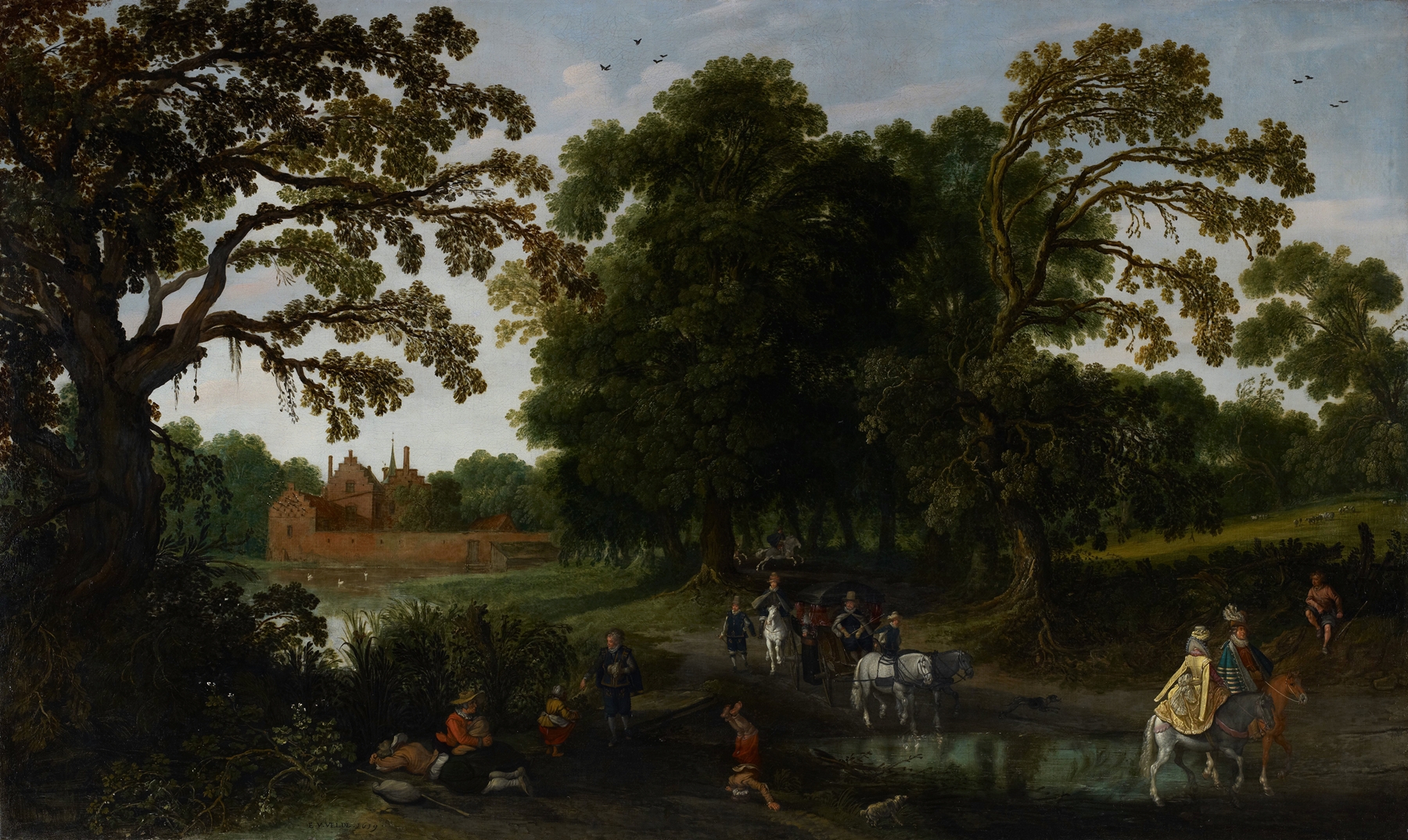
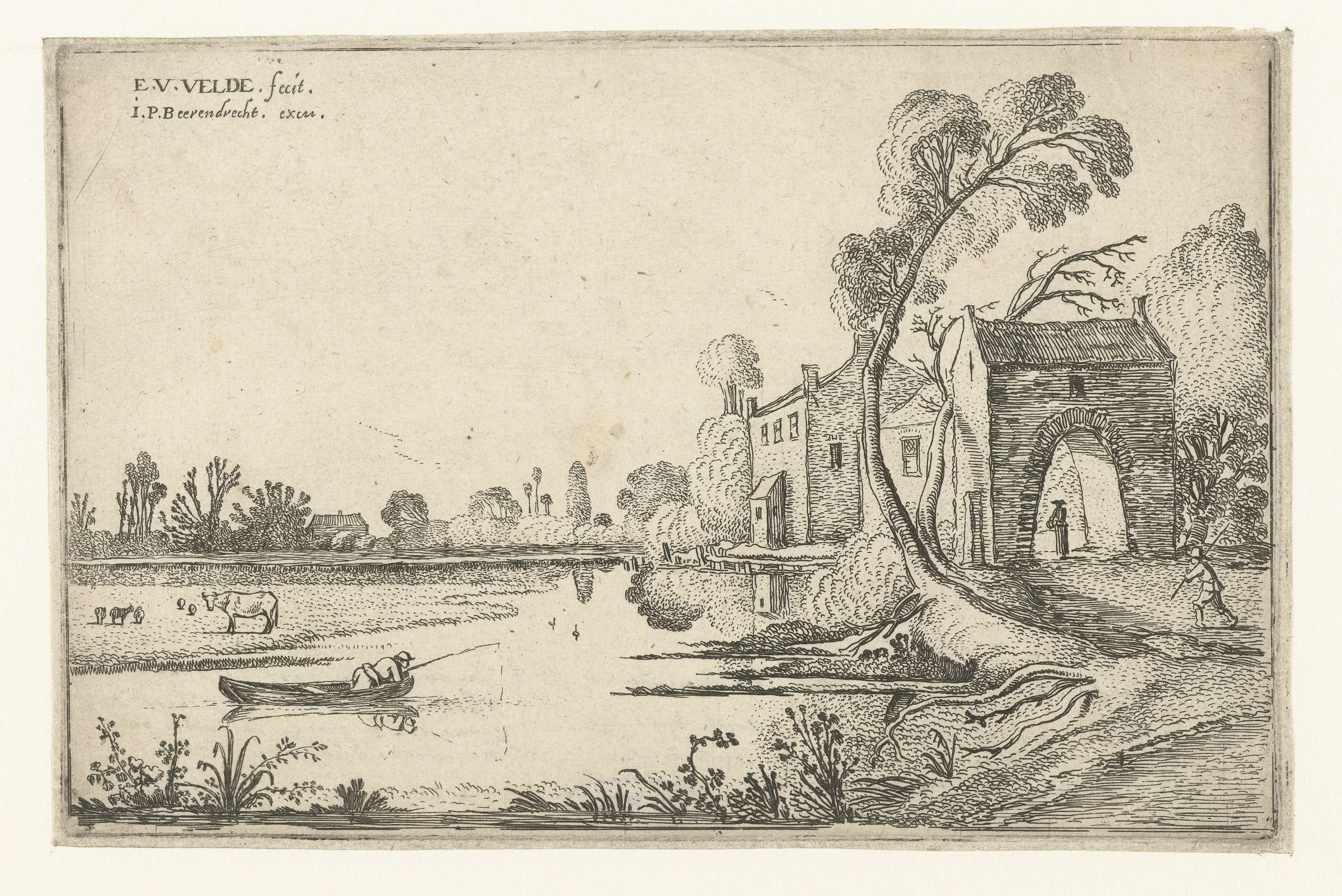
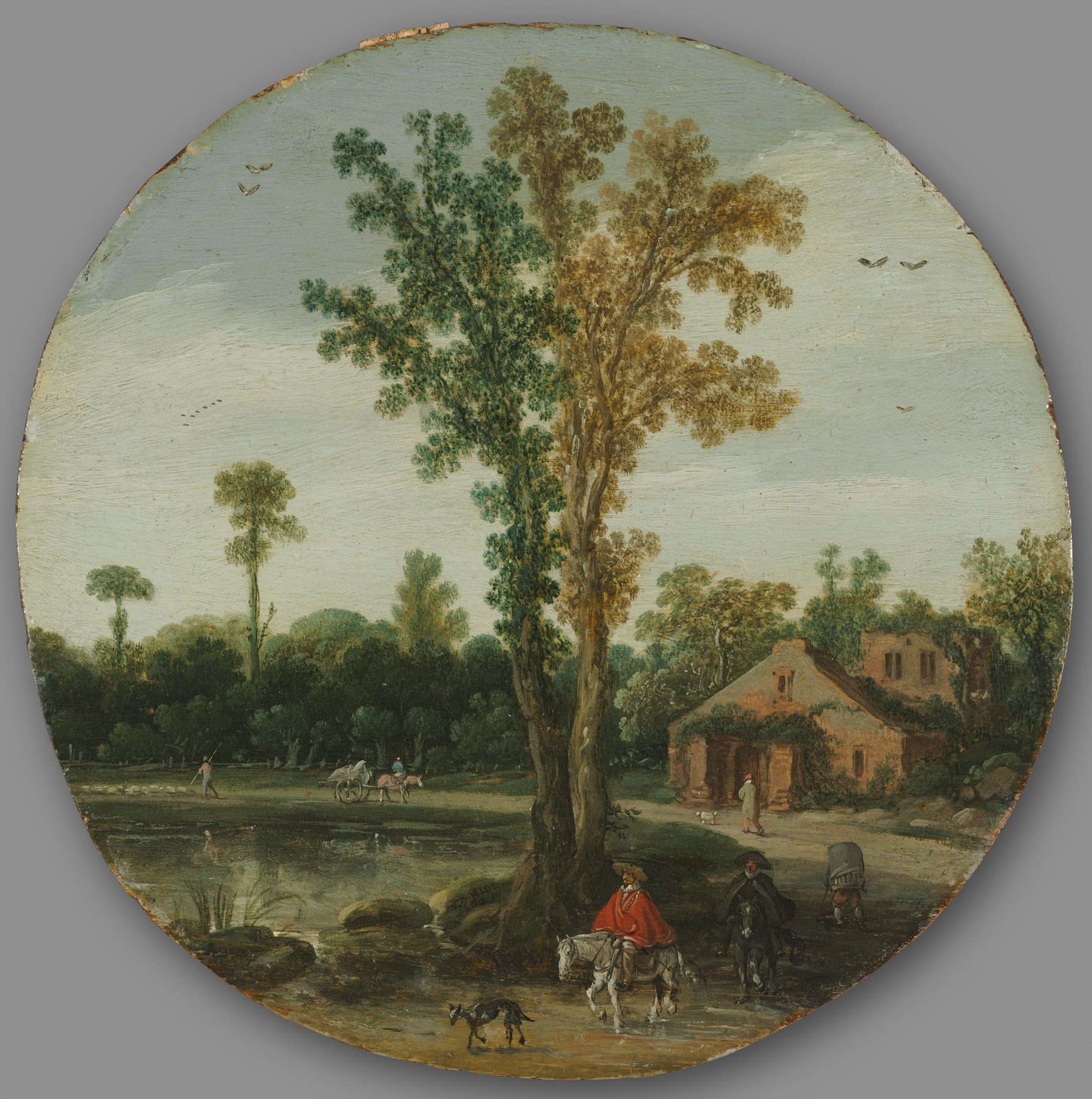
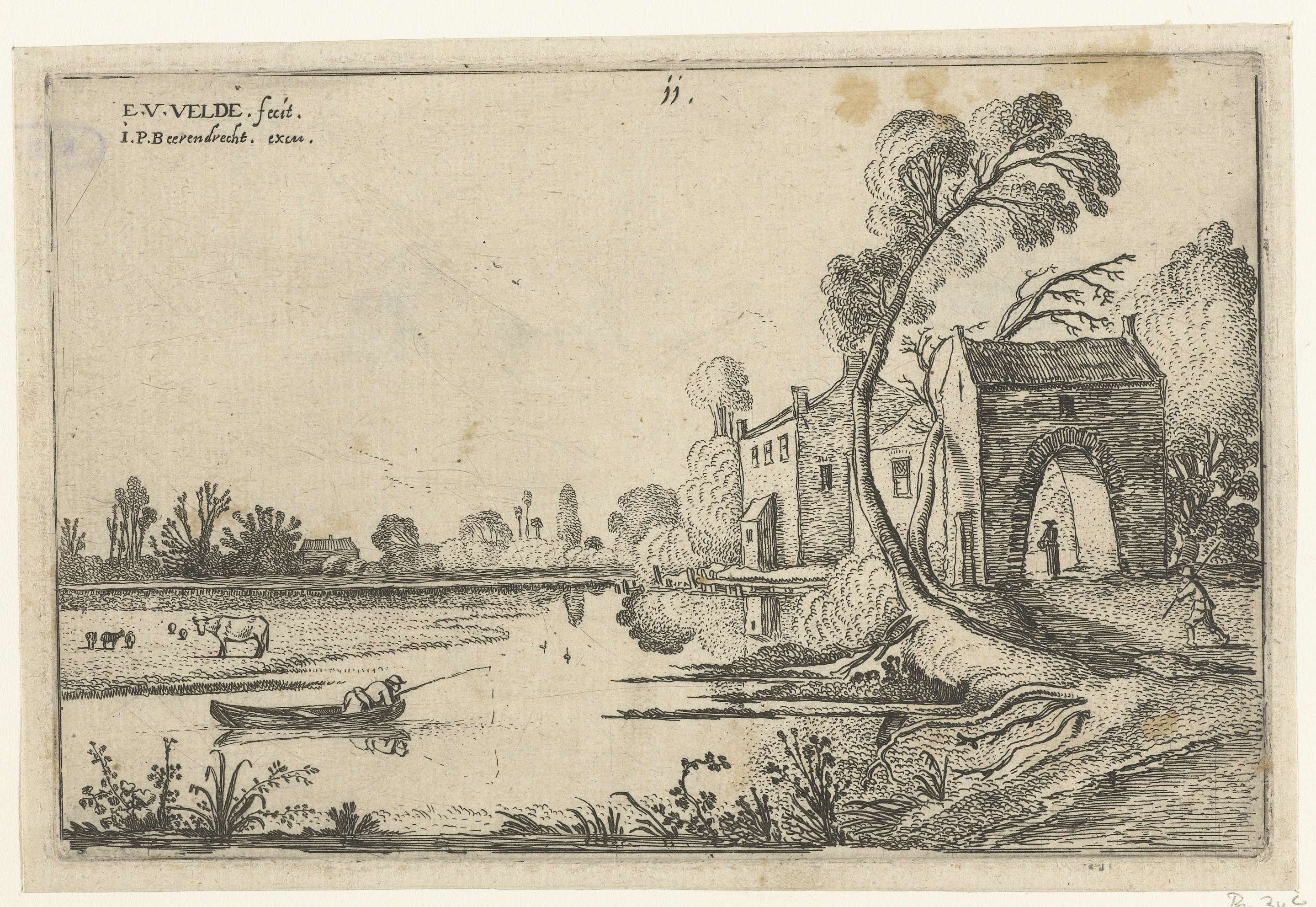
When did color learn to lie? In a world where landscapes whisper secrets and light dances with shadows, every hue tells a story of its own creation. Look to the center where the river glistens under the vibrant sunset, flanked by trees whose rich greens cradle the scene. The imposing gatehouse, rooted to the left, draws your gaze with its sturdy arches and delicate detailing, serving as a contrast to the fluidity of the water.
Notice the warm palette that envelops the composition, with soft oranges and subtle blues intertwining, evoking a serene harmony that invites contemplation and exploration. Beneath the tranquility lies an intricate interplay of freedom and constraint: the flowing river symbolizes life’s journey, while the sturdy gatehouse signifies barriers and choices. The subtle strokes breathe life into each element, hinting at fleeting moments—time trapped within a landscape, where nature's beauty masks the tension of human existence. The delicate balance of realism and idealism reflects the artist's deep understanding of nature's duality and humanity's quest for meaning within it.
In 1616, the artist painted this work during the Dutch Golden Age, a period marked by burgeoning trade, artistic innovation, and a newfound appreciation for landscape painting. As a prominent figure in Haarlem, he found himself caught between a world of thriving creativity and the weight of societal expectations. The burgeoning interest in nature and its representation played a crucial role in shaping his artistic vision, leading to the creation of works that resonate with both beauty and depth.