Courtly Procession before Abstpoel Castle — History & Analysis
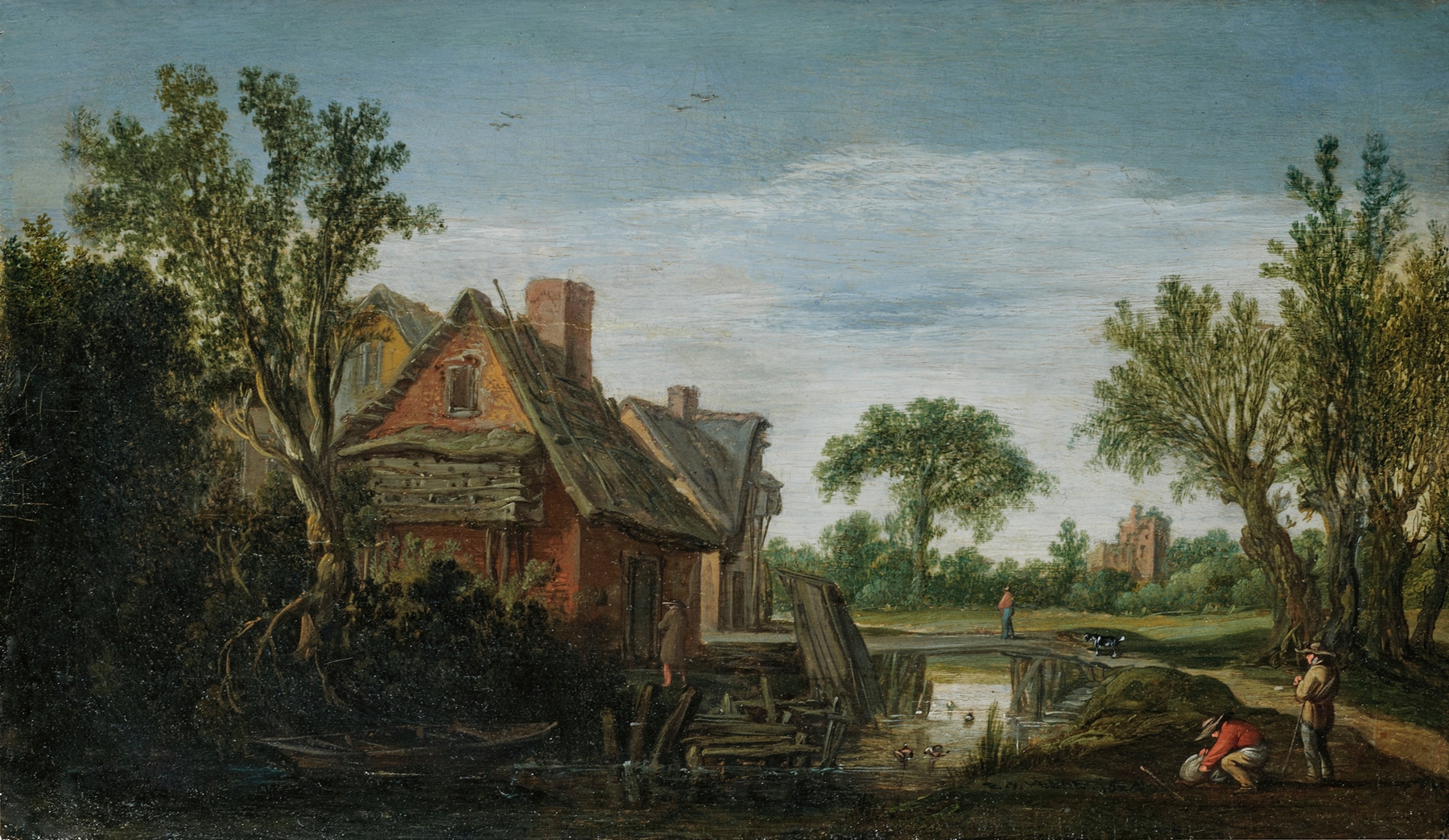
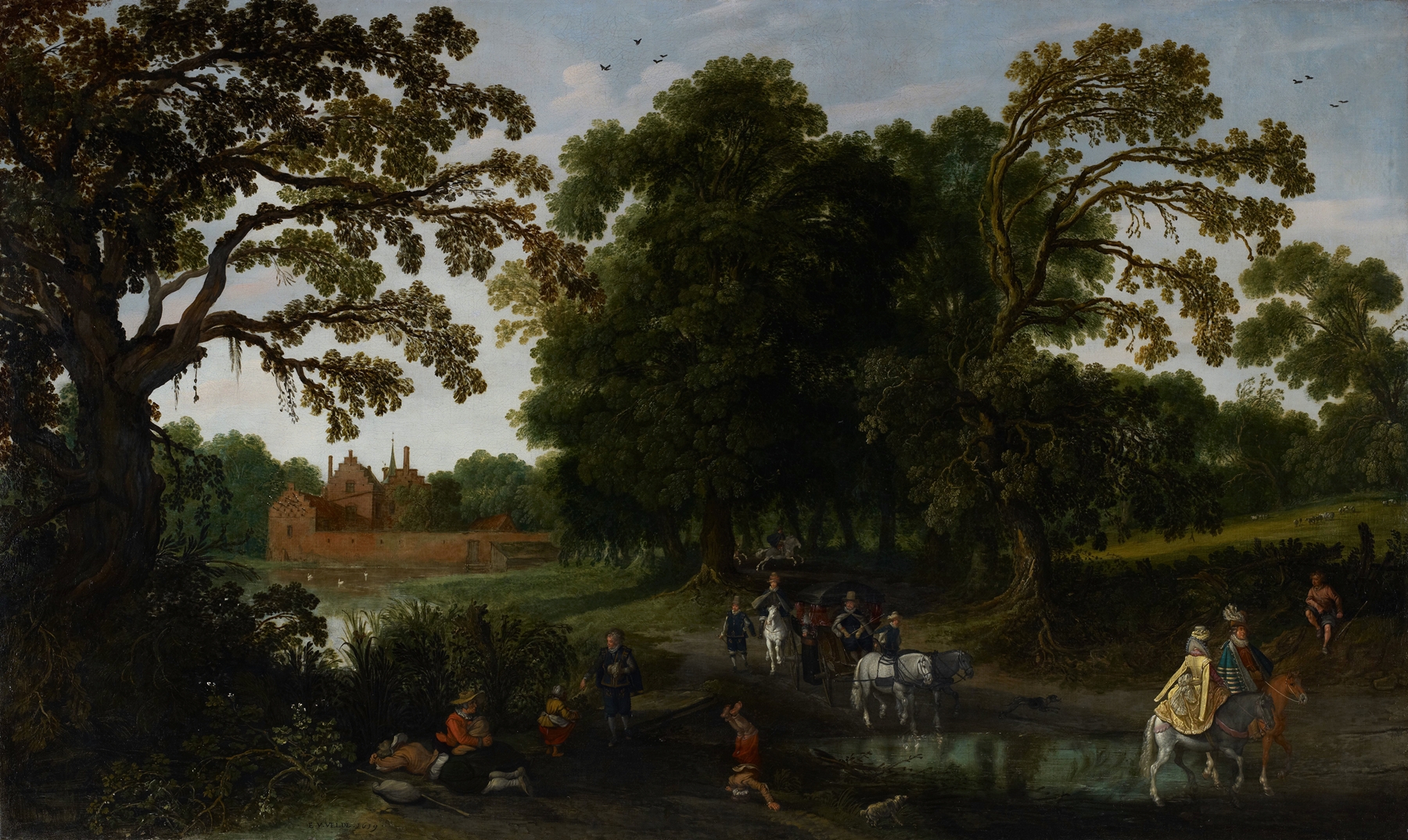
A grand procession unfolds under a pale blue sky, the air thick with anticipation. Nobles clad in resplendent silks and velvets ride elegantly, their horses adorned with intricate trappings. The castle looms behind them, its towers reaching skyward, witnesses to the echoes of laughter and whispered secrets of the court. Look to the left at the figures mounted atop their steeds, each one a careful study of nobility and grace.
Notice how the artist plays with light—golden rays cascading down to illuminate their faces, casting delicate shadows that hint at the complexity of their expressions. The lush greens and warm earth tones of the landscape create an inviting harmony, yet the architecture of the castle, with its imposing stone façade, looms like an unyielding reminder of duty and status. Beneath the surface of this ostentatious display lies a subtle tension between the frivolity of court life and the weight of expectation. The vibrant attire of the nobles contrasts starkly with the sharp angles of the castle walls, representing the duality of existence: the allure of privilege set against the rigid constraints of societal roles.
As one gazes closer, the gentle gestures of the riders reveal a range of emotions—from pride to apprehension—each a reflection of their inner truth amidst the pageantry. Esaias van de Velde painted Courtly Procession before Abstpoel Castle in 1619 while living in the Netherlands. This period saw a burgeoning interest in genre painting, capturing the lives and customs of the Dutch elite. Amidst the political turbulence of the Eighty Years' War, the artist found solace in depicting moments that merged reality with idealized representation, offering viewers a glimpse into the complexities of his world.