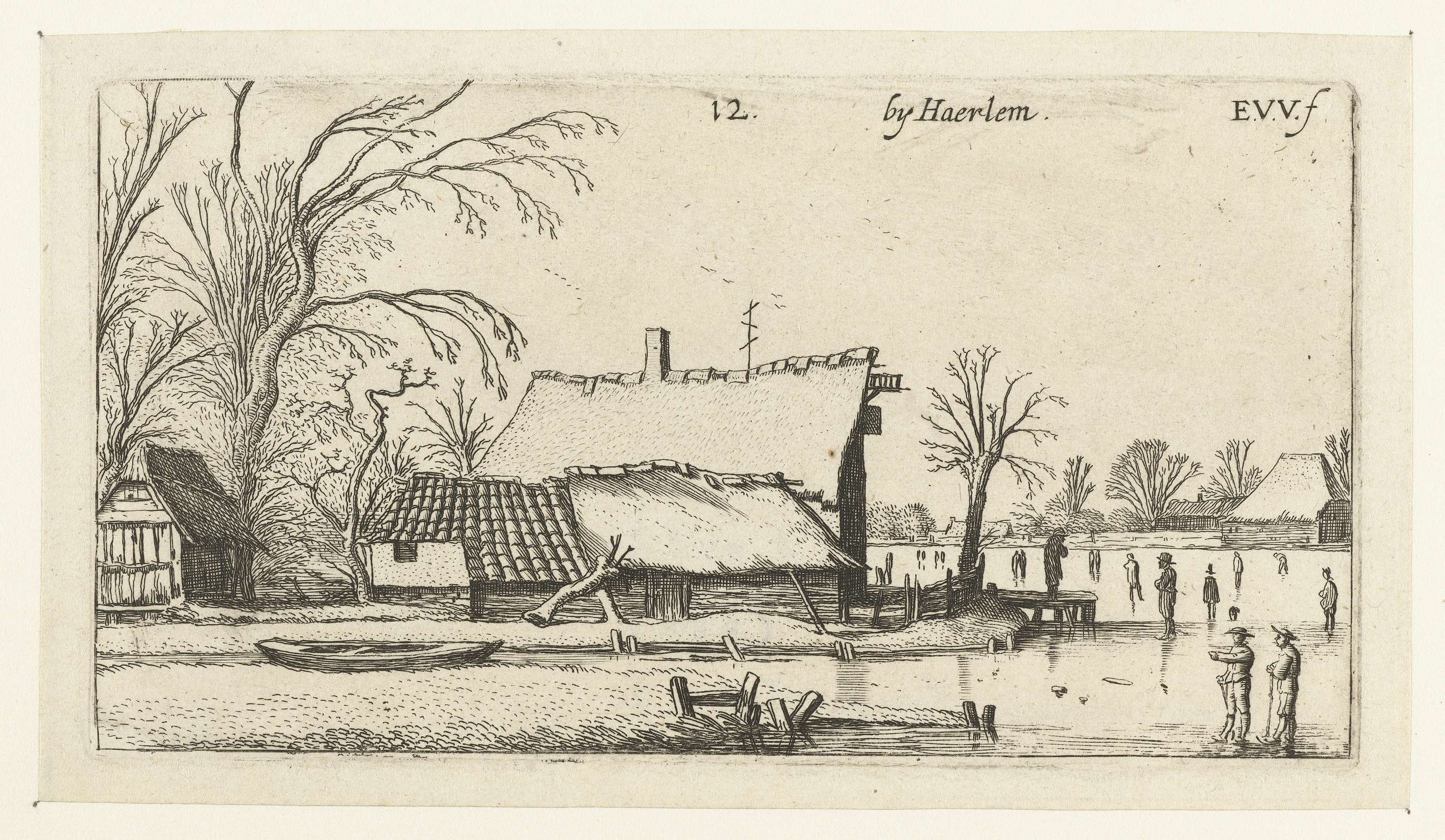
Boerderij bij een bevroren rivier met schaatsers — History & Analysis
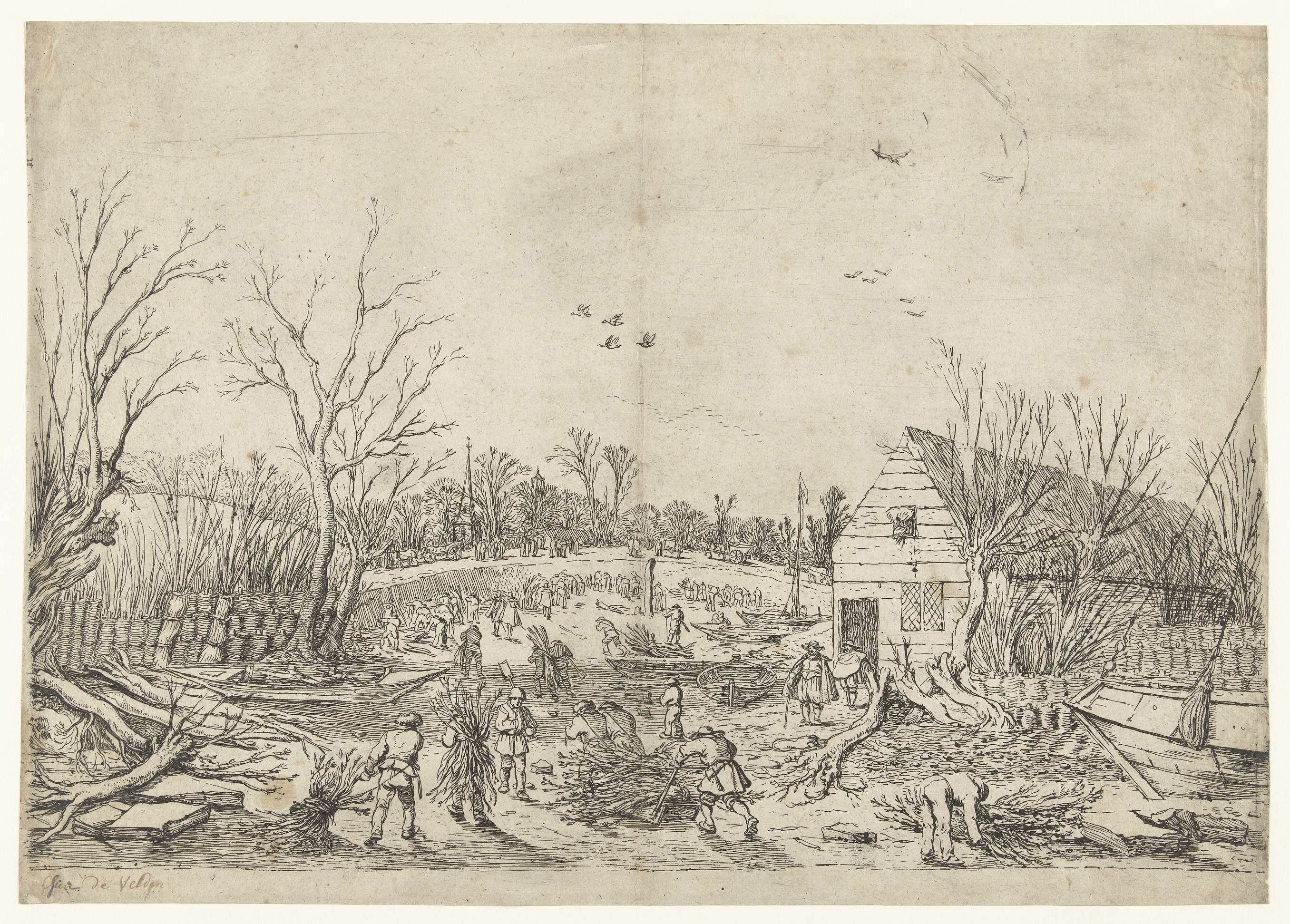
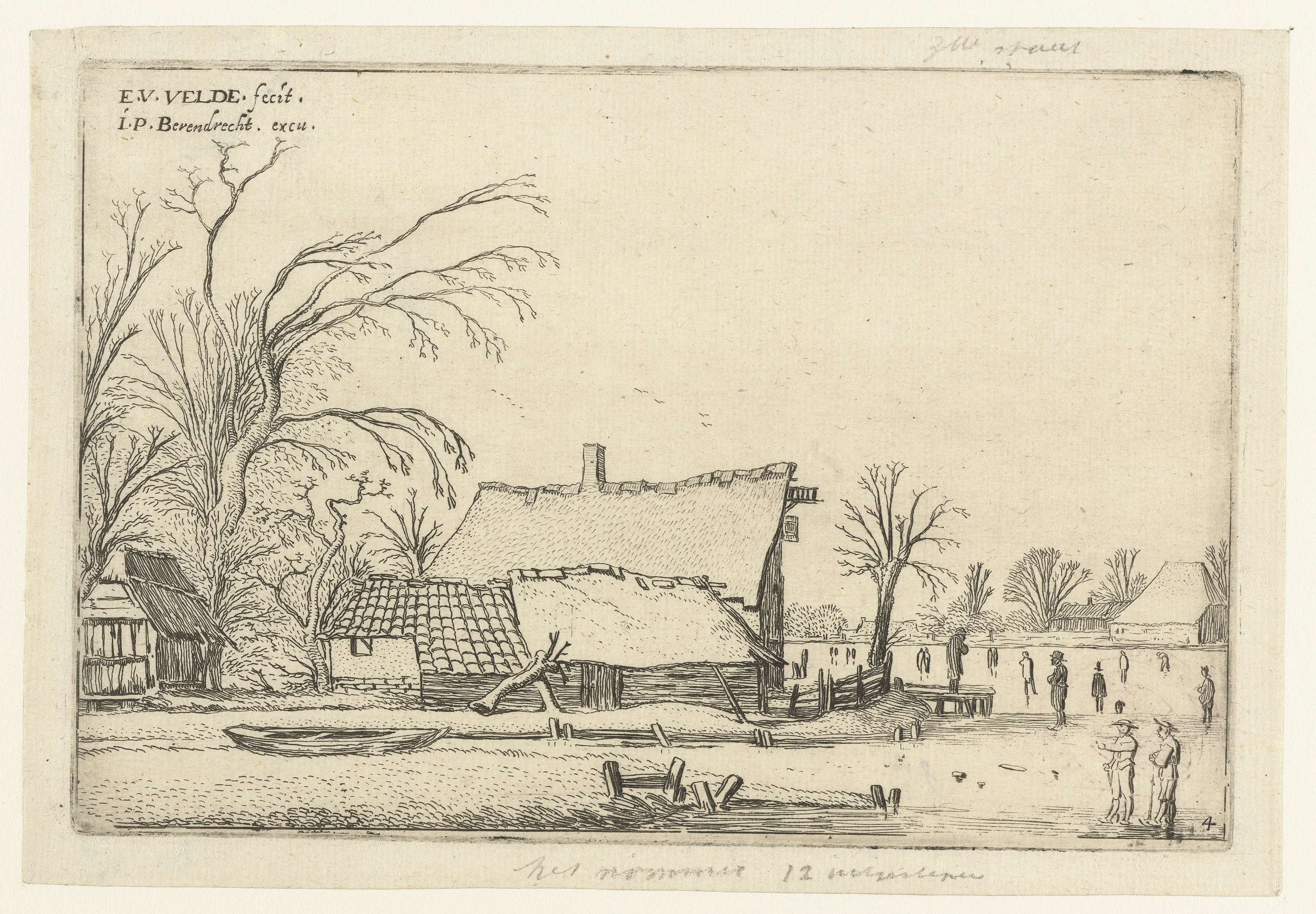
Is this a mirror — or a memory? The tranquility captured in the winter scene evokes a sense of nostalgia, inviting viewers to reflect on the stillness of life amidst nature's embrace. Focus on the soft, muted tones that dominate the canvas, particularly the gentle blues and whites of the frozen river. Notice how the light delicately glimmers on the icy surface, drawing your eye toward the skaters gliding gracefully, their movements creating ripples in the pure white snow that blankets the landscape.
The farmhouse, nestled to the left, stands as a quiet witness, its warm browns and ochres contrasting against the coolness surrounding it. The painting speaks of dualities: the vitality of the skaters juxtaposed with the stillness of the landscape. Each stroke seems to whisper stories of laughter and camaraderie, while the vast expanse of ice reflects an unspoken silence — a moment that feels eternal.
This delicate balance captures not just a scene, but the essence of winter itself, evoking the tension between vibrant life and tranquil repose. In 1616, during a period when Esaias van de Velde was establishing his reputation in the Netherlands, he embraced the charm of everyday life and the natural world. Living in a time of artistic transition, this work showcases the early Dutch interest in landscapes infused with human activity, signaling a shift toward capturing intimate, relatable moments in art.