Landschap met rivier en poortgebouw — History & Analysis
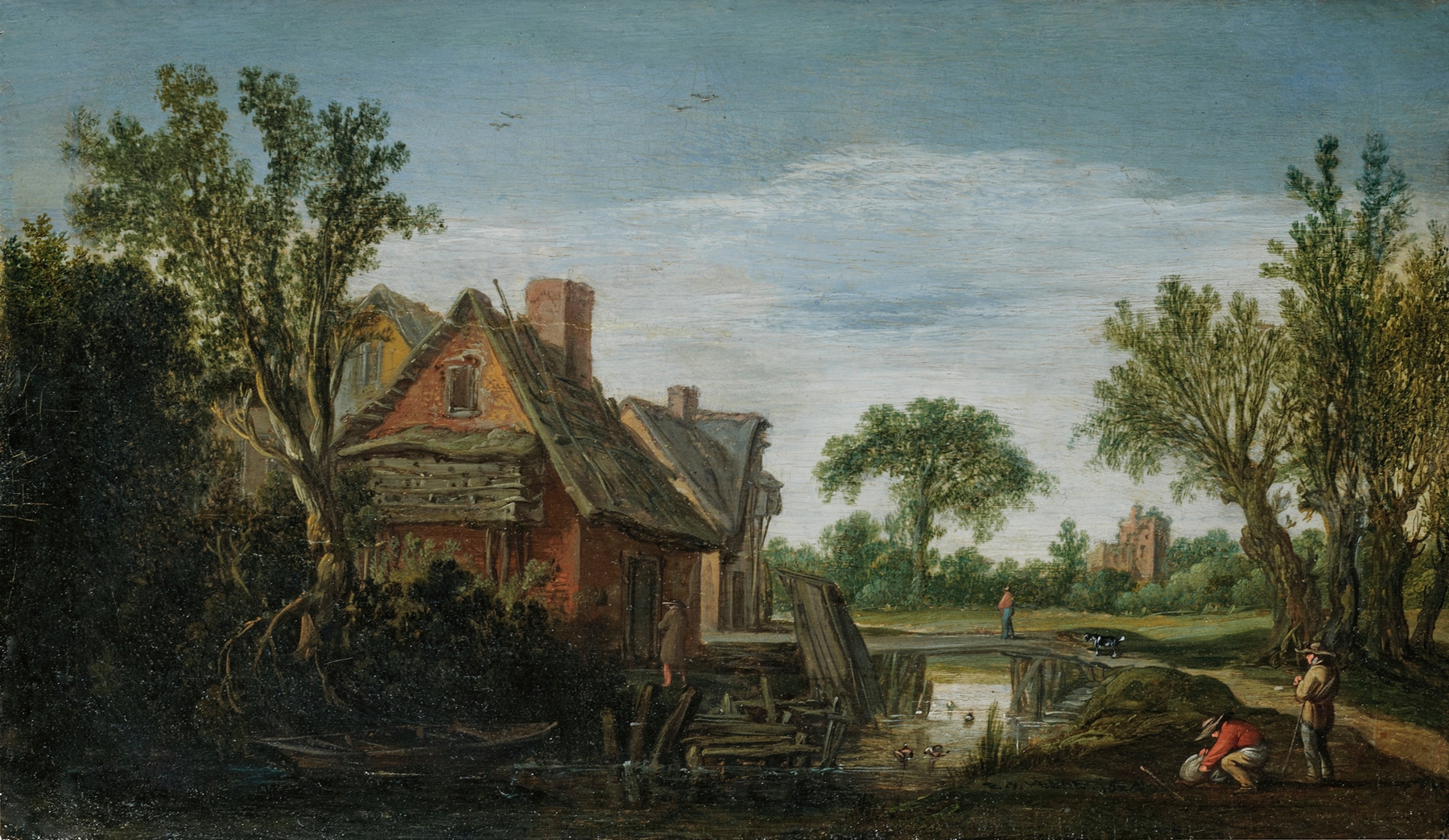
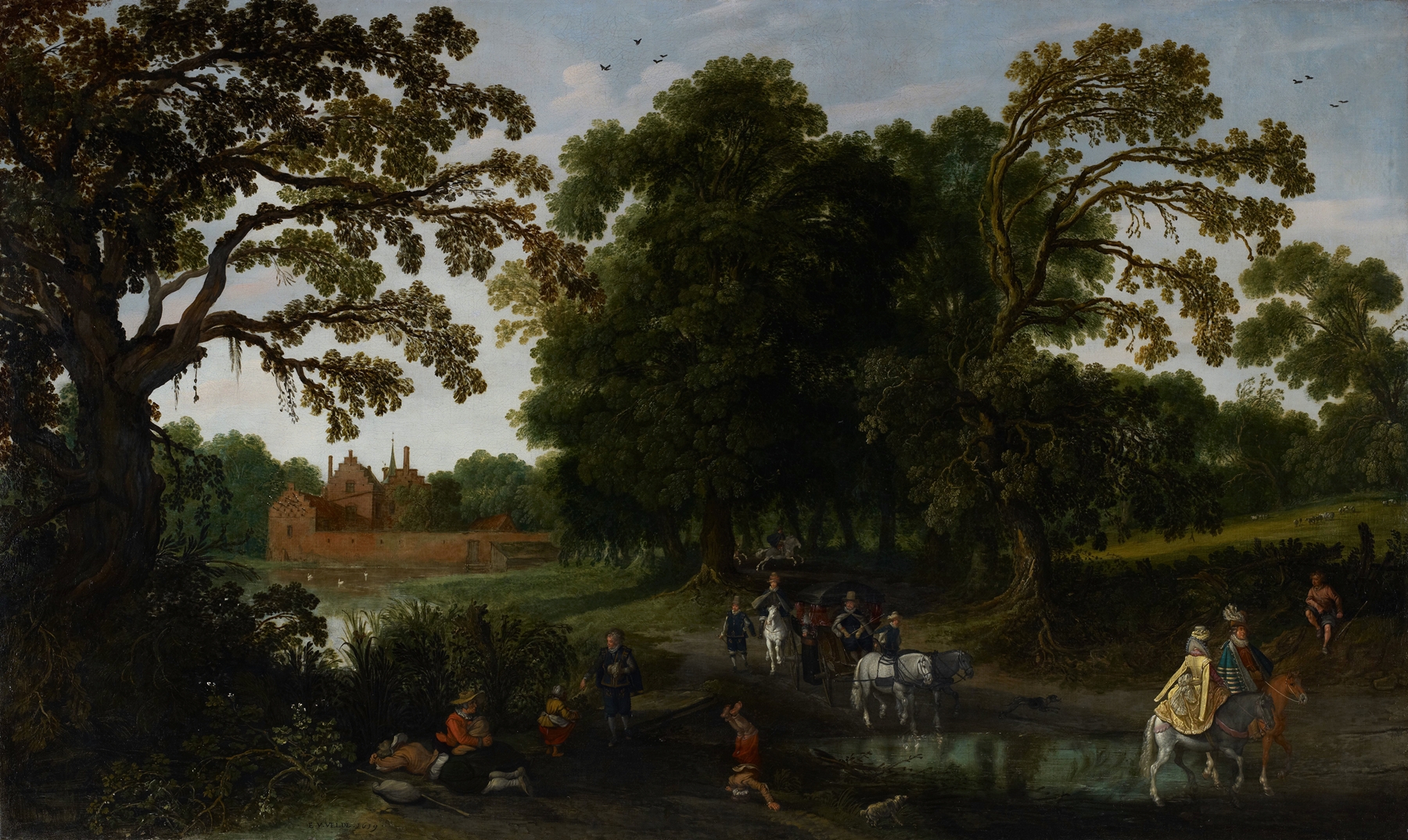
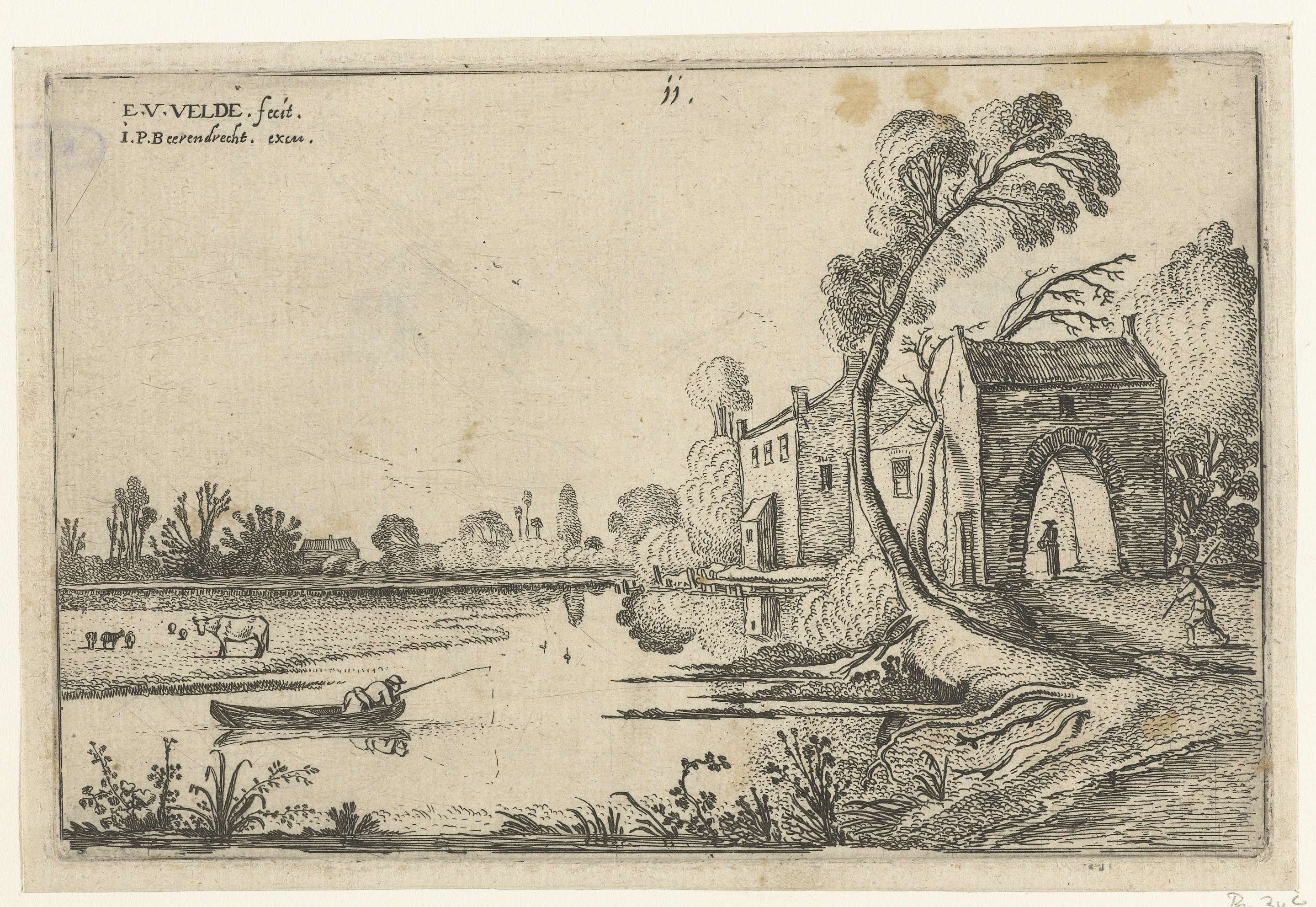
“Is hope the quiet whisper among the echoes of despair?” As your gaze settles on the tranquil scene, look to the left at the gentle curve of the river, a shimmering ribbon that weaves through the landscape. The soft green hues of the grass merge seamlessly with the ominous shadows cast by looming clouds overhead. Notice how the light plays upon the water’s surface, dancing with reflections of radiant yellows and blues, suggesting an elation that contrasts starkly with the heaviness of the sky.
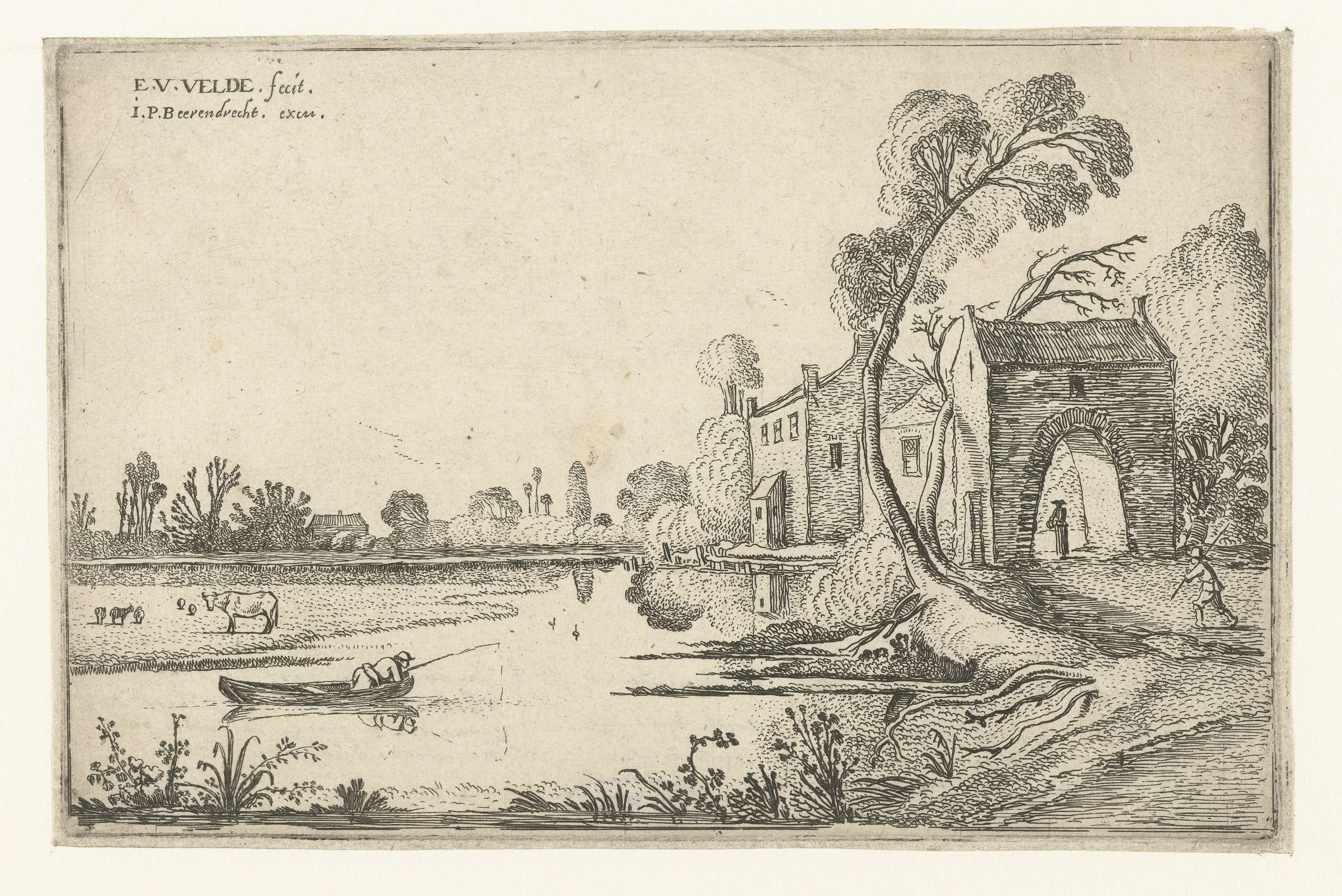
The grand gatehouse, standing resolute amidst nature’s beauty, symbolizes human endeavor against the vastness of the world. Pay attention to the nearly invisible figures on the riverbank; their smallness emphasizes the grandeur of the landscape, invoking a sense of humility. The interplay of light and shadow creates a tension that speaks to the fragility of existence, while the idyllic setting, with its hints of stormy skies, subtly conveys the notion that beneath the surface of beauty lies an undercurrent of sorrow.
Esaias van de Velde created this artwork in 1616 while living in the Netherlands, a period marked by both artistic flourishing and socio-political unrest. The Dutch Golden Age was in full swing, with changes in landscape painting reflecting a growing appreciation for nature’s complexities. Amid this shift, van de Velde’s work stood out, embodying the duality of hope and melancholy — a testament to the human spirit found within the art of his time.