Herstelwerkzaamheden aan de doorgebroken Lekdijk bij 't Waal — History & Analysis
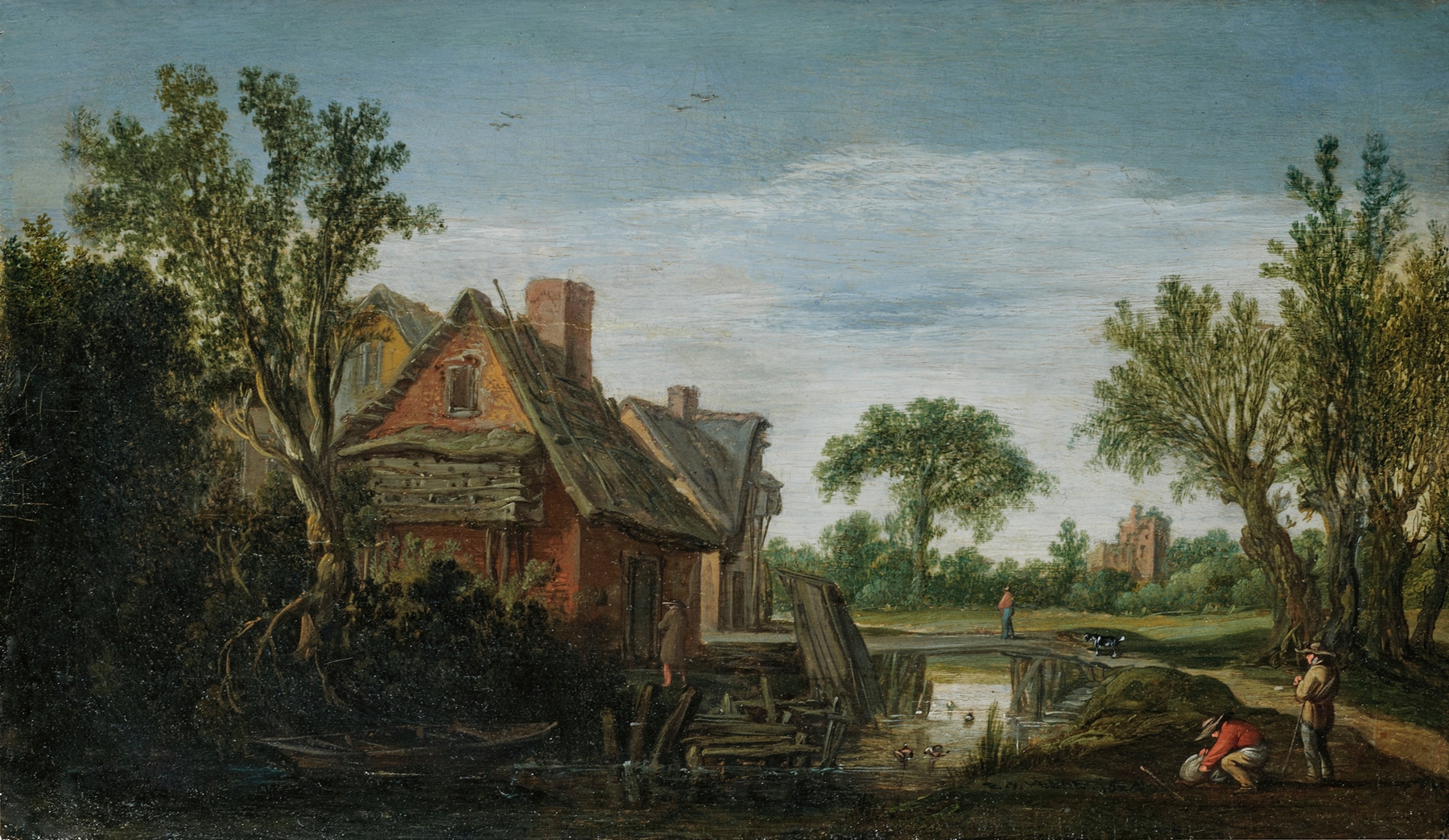
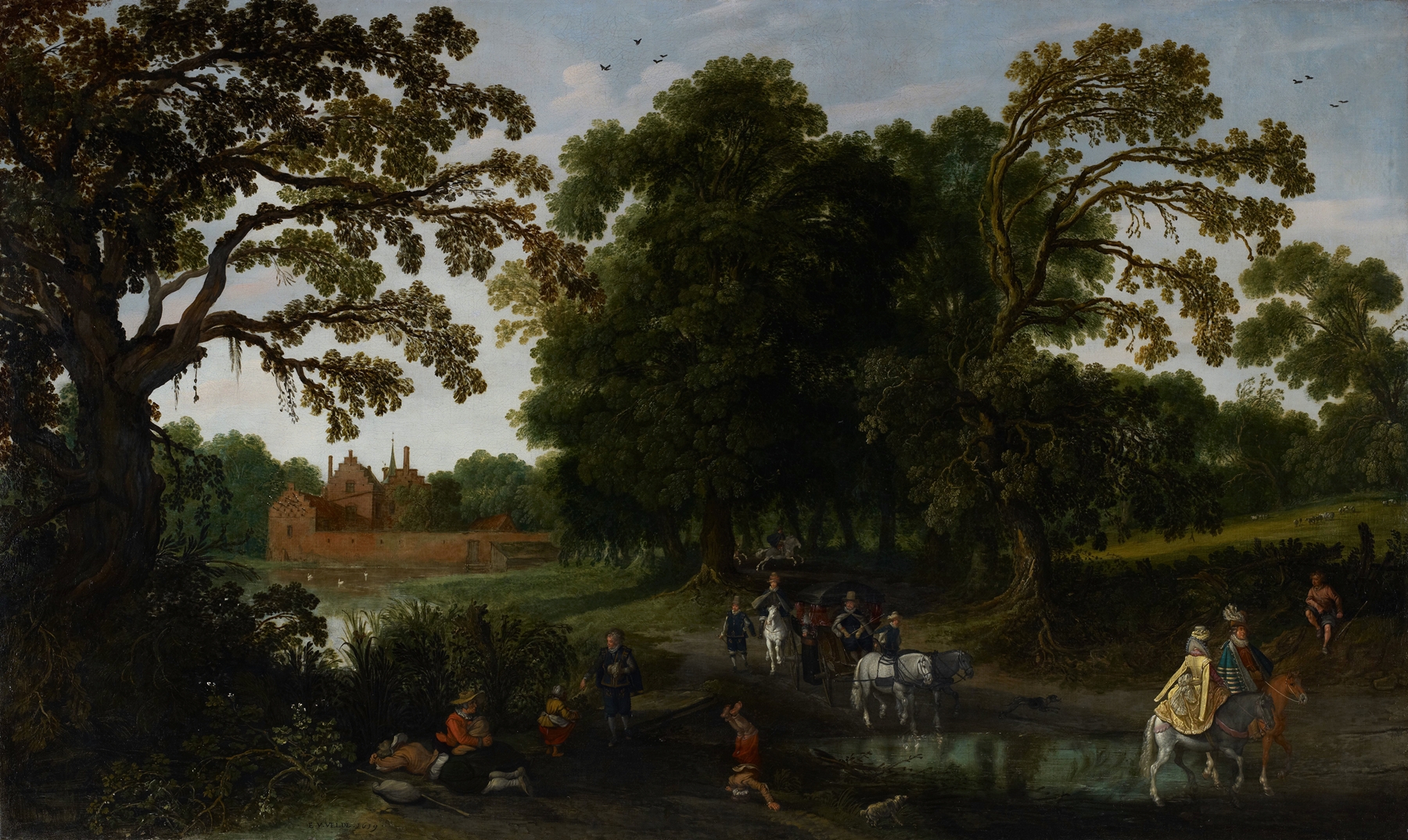
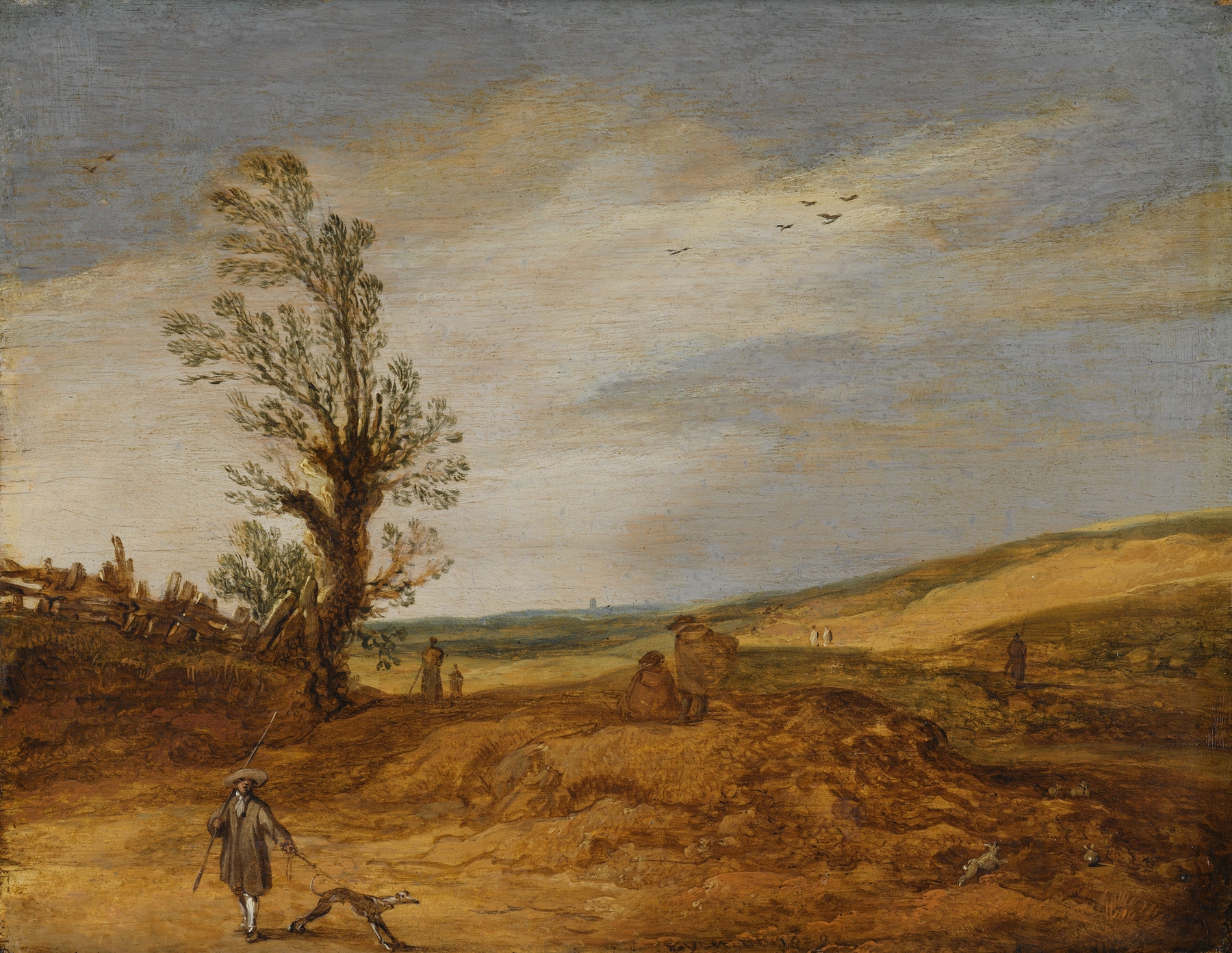
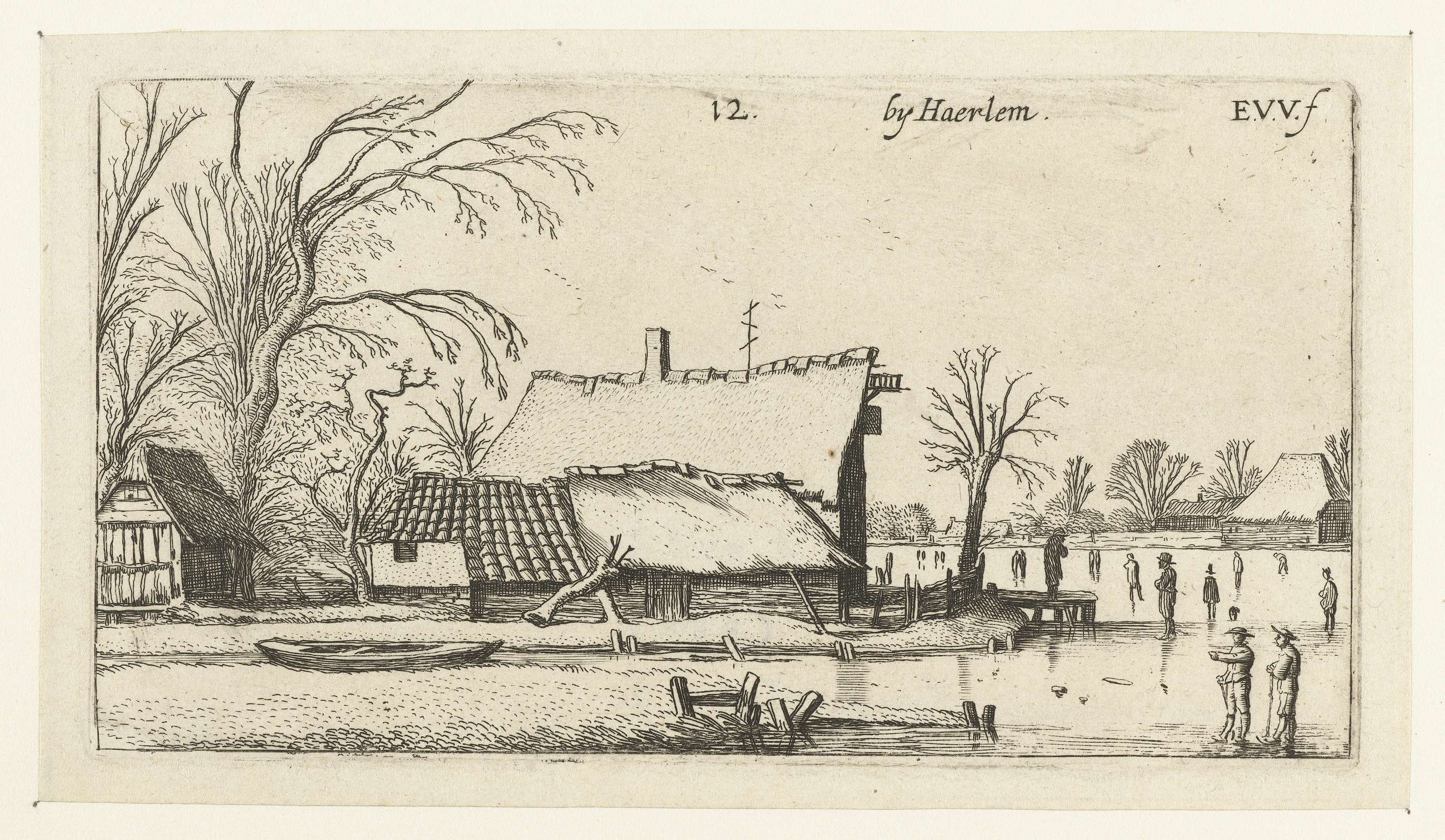
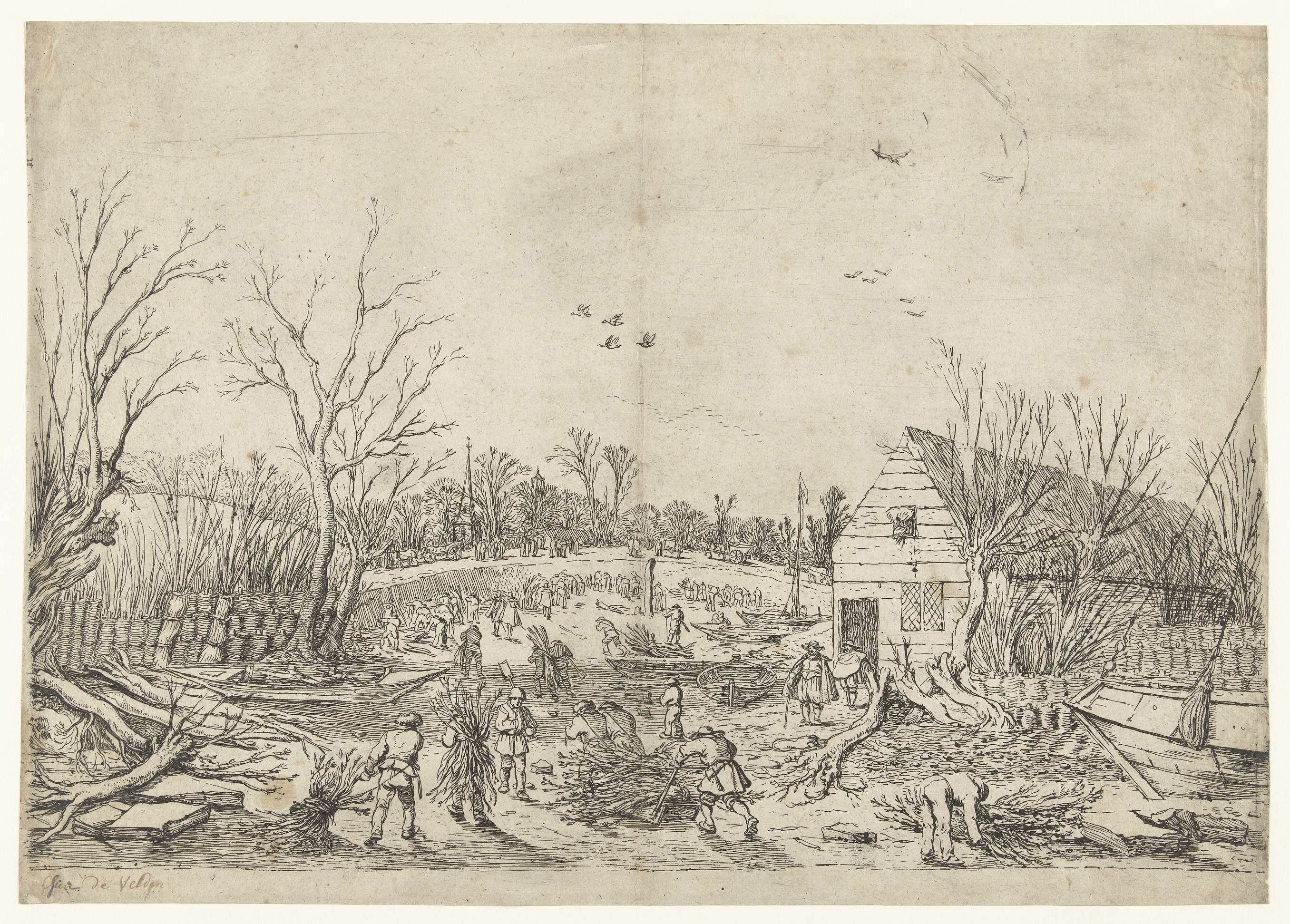
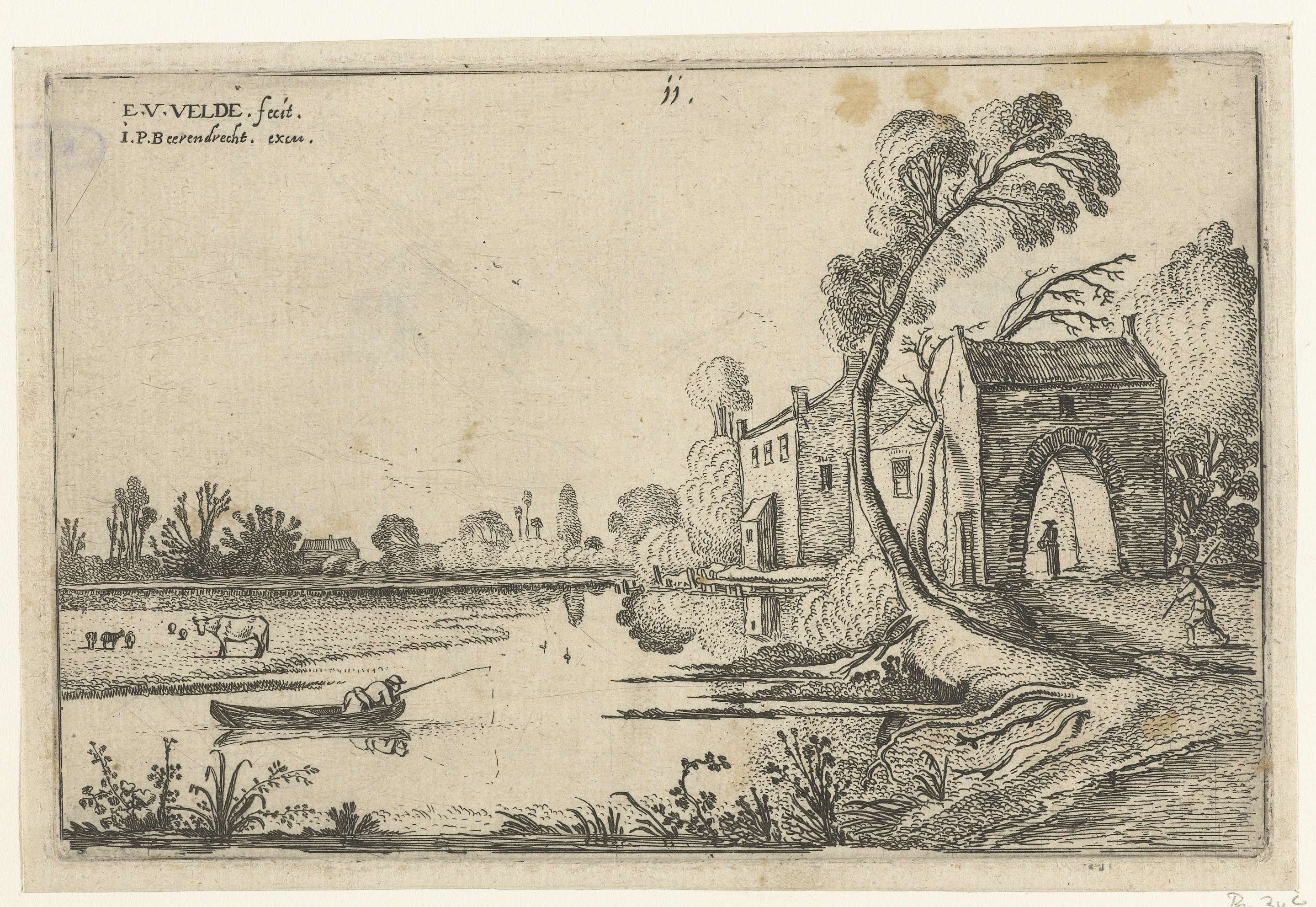
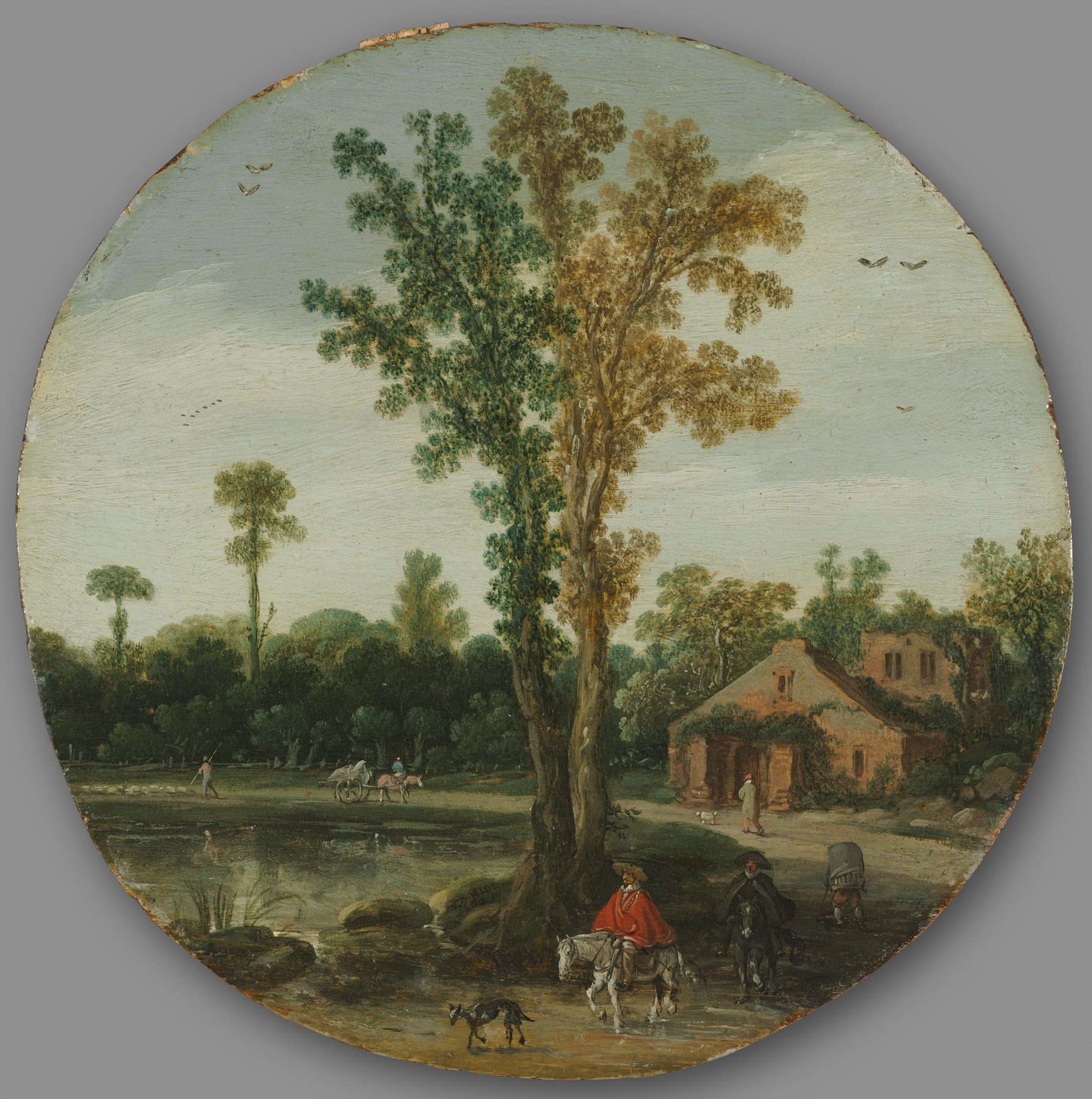
“The canvas doesn’t lie — it simply waits.” In this stillness, dreams and memories intermingle, evoking the passage of time and the essence of place. A landscape unfolds, inviting contemplation of nature's resilience and the human spirit's endeavor. Look closely at the verdant expanse that stretches seamlessly across the canvas, where the interplay of light and shadow creates a rhythm of life. The soft greens of newly sprouted grasses are vibrant against the muted browns of the earth. Notice how the winding path leads the eye through the scene, ultimately drawing attention to the figures laboring diligently to mend the dike.
Their silhouettes, framed by the expansive sky, speak volumes of toil and hope. The emotional tension in this work lies in its juxtaposition of labor and nature’s unfettered beauty. The dike, a symbol of human intervention, stands firm against the threat of nature’s forces, while the calm waters reflect clouds that seem to cradle the horizon. Each brushstroke conveys a deep awareness of vulnerability and strength — a dialogue between the manmade and the wild.
These details reflect not just the immediate scene but also echo a broader narrative of perseverance and rebirth. Esaias van de Velde created this piece between 1624 and 1652, a period marked by a burgeoning interest in landscape painting in the Dutch Golden Age. Living in a time of political stability and economic prosperity, he was influenced by earlier masters and the emerging Baroque style, blending serenity with detailed observation. This work captures not only the physical landscape but also the spirit of a society striving to control nature while finding beauty in its embrace.