The Hague A Wooded River Landscape With Figures On A Path On A River Bank Beside A Village, A Bridge Beyond — History & Analysis
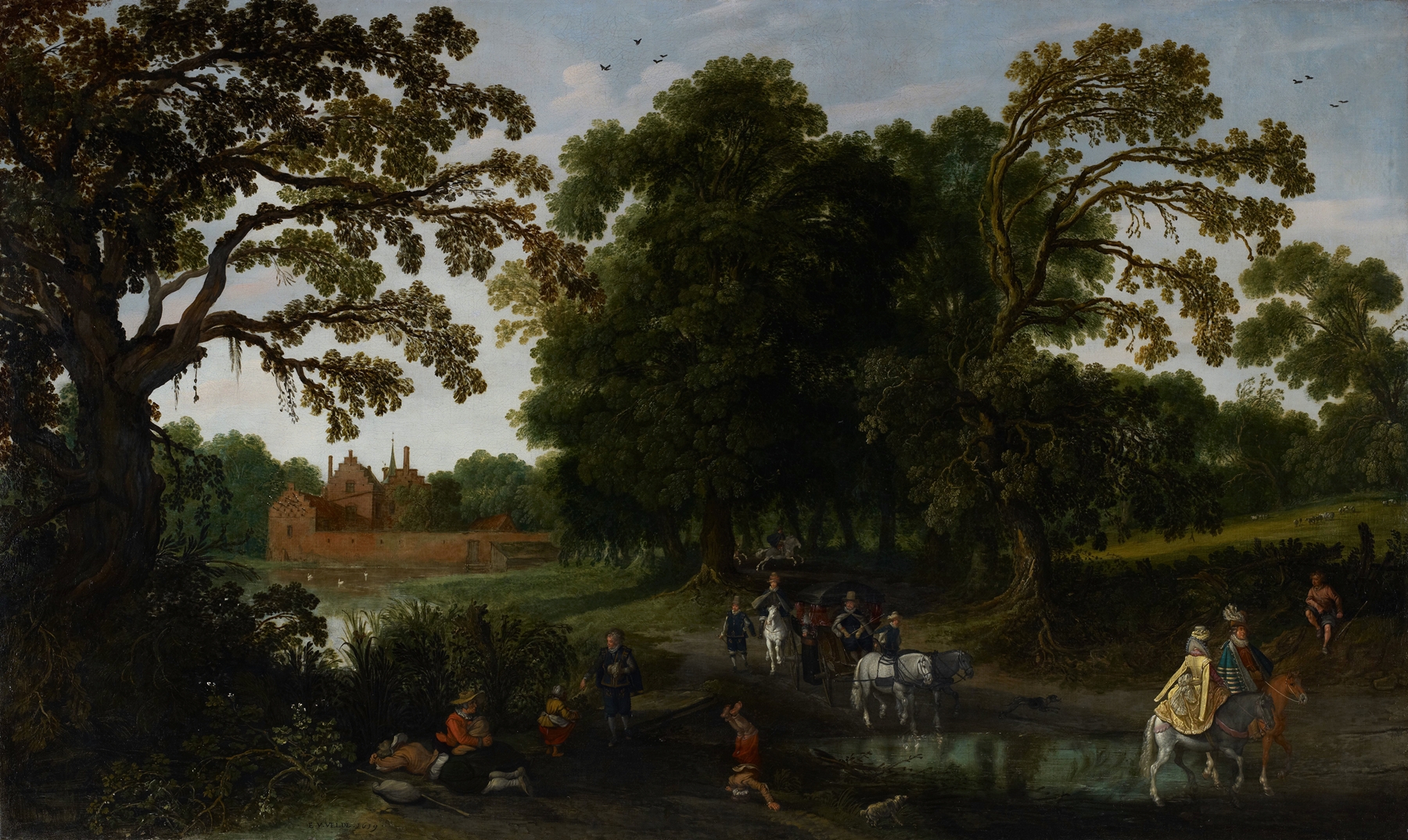
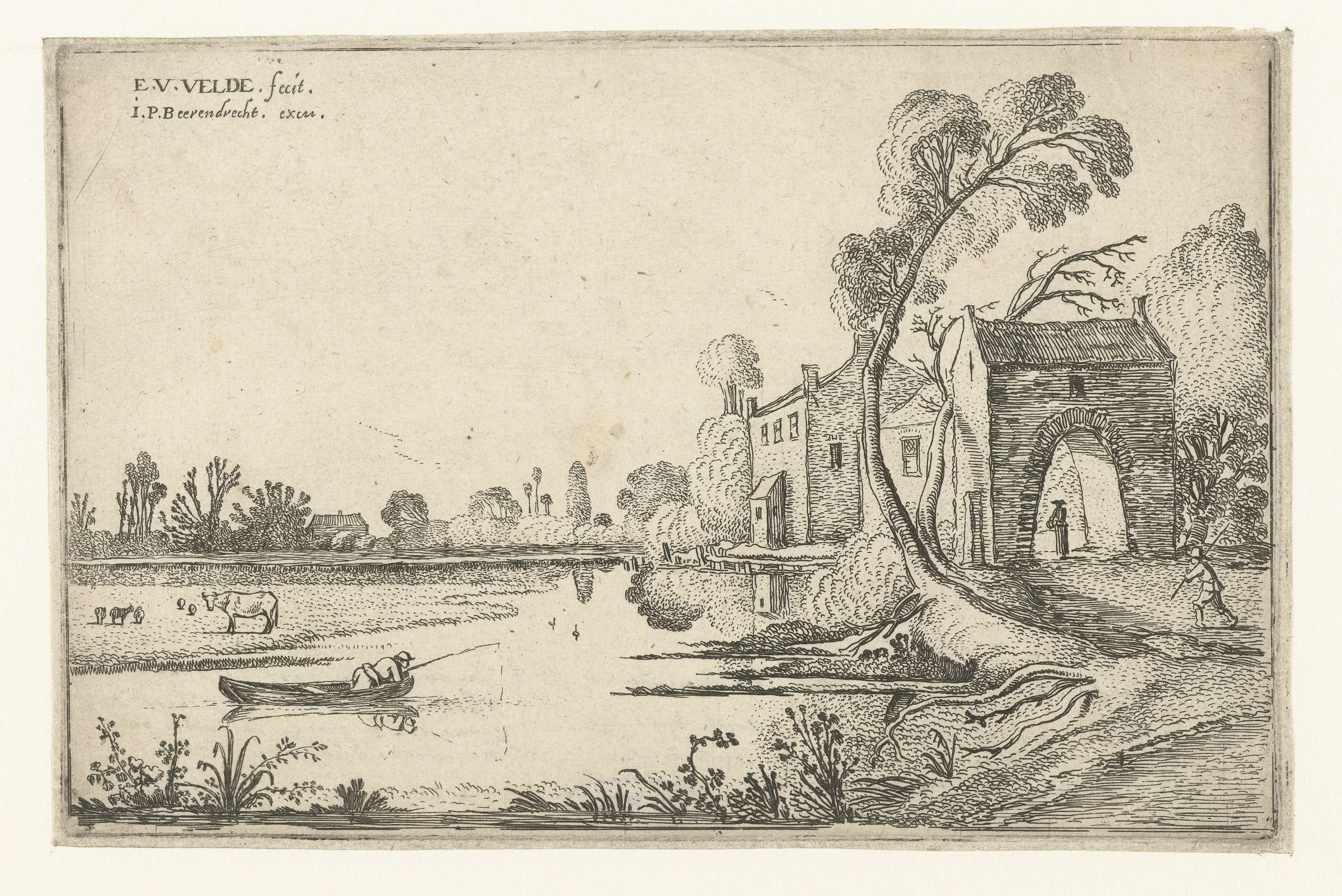
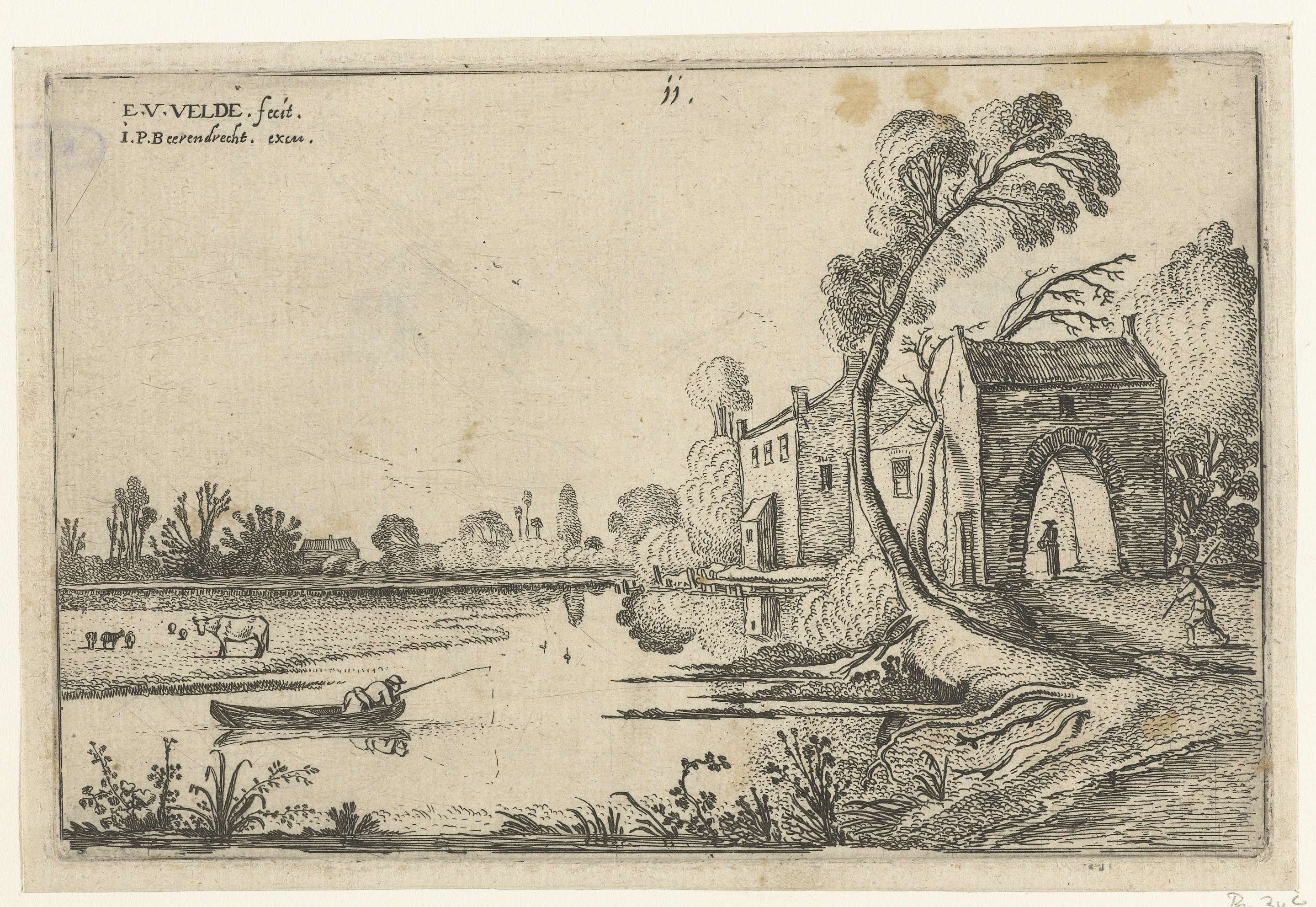
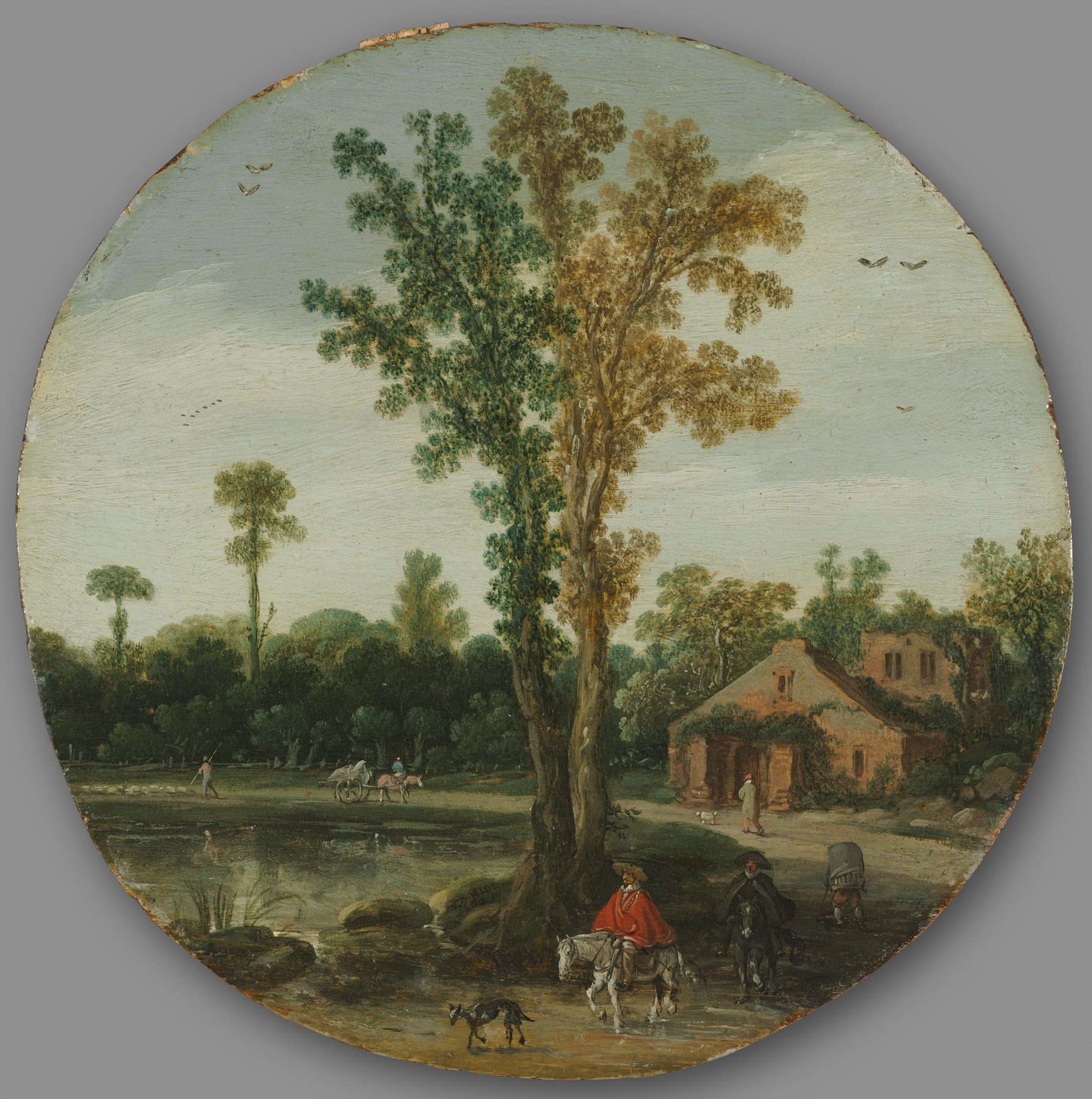
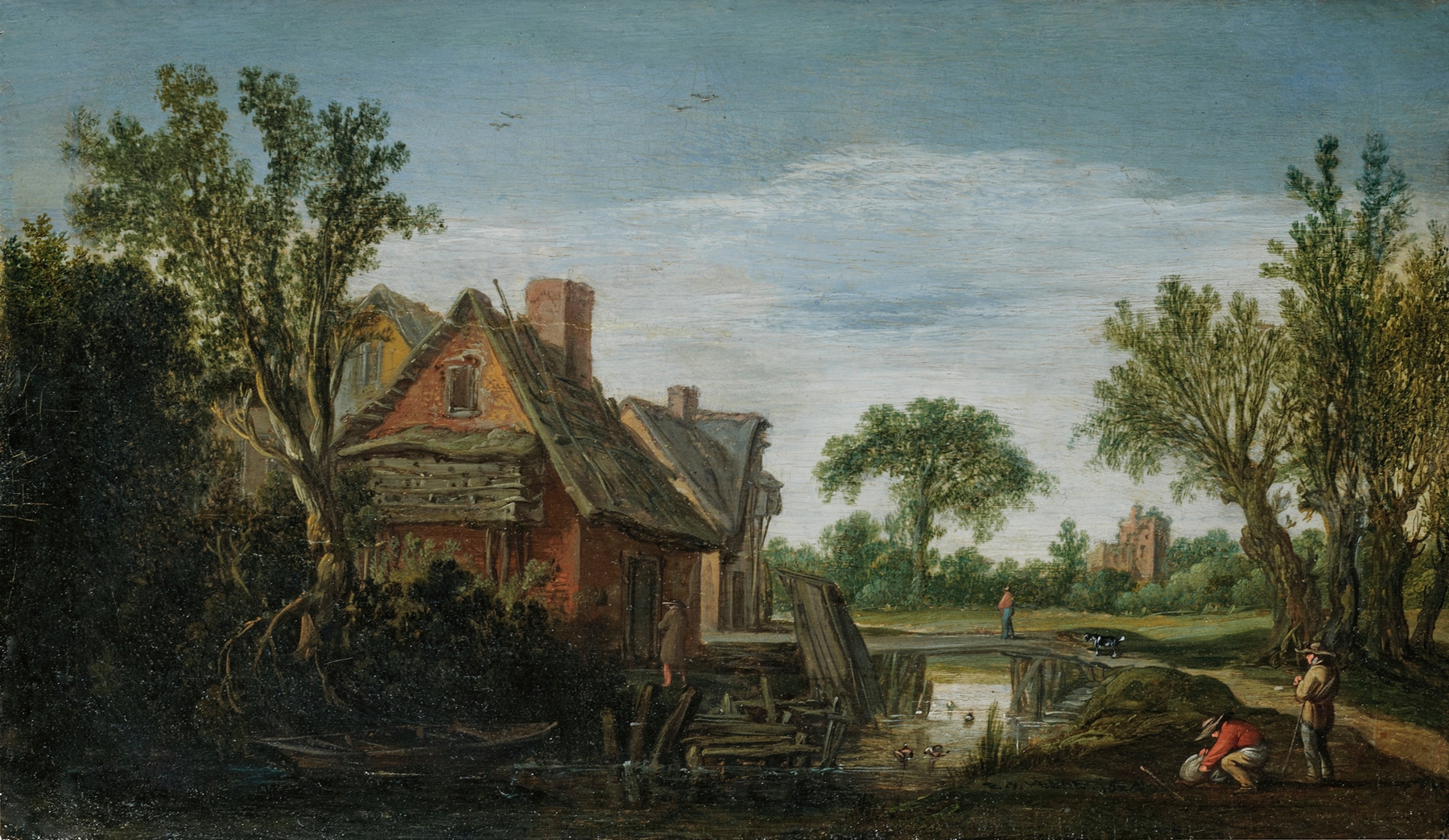
“Between color and silence, truth hides.” In the quietude of nature, a divine conversation unfolds—a dialogue between humanity and the landscape that surrounds it. Look to the foreground, where a slender path meanders alongside the riverbank, inviting the viewer's eye deeper into this serene tableau. The figures, small yet significant, are engaged in a tranquil journey, their gestures harmonizing with the fluidity of the water and the arching branches above. Notice how the light filters through the trees, casting dappled shadows on the path, highlighting the earthy tones of the foliage, and framing the distant village with a soft glow.
Each brushstroke reveals a meticulous attention to detail, depicting not just a scene but an atmosphere filled with reverence for nature. The contrast between the lush green foliage and the tranquil blue waters embodies a sense of peace that belies the human figures’ transient existence. The bridge in the background signifies a connection between worlds—between the serene riverbanks and the bustling village beyond, perhaps a metaphor for the blend of the earthly and the divine. This interplay of elements evokes a deeper contemplation of life’s journey, underscoring how nature serves as a timeless witness to human endeavors, joys, and sorrows.
Esaias van de Velde painted this work in 1624, during a period marked by the burgeoning Dutch Golden Age. Living in a time when landscapes were increasingly celebrated, he sought to elevate the genre, capturing the essence of everyday life while reflecting the spiritual undertones of the natural world. The artist's mastery at this juncture demonstrated a shift in the portrayal of landscapes from mere backdrops to profound reflections of human experience.