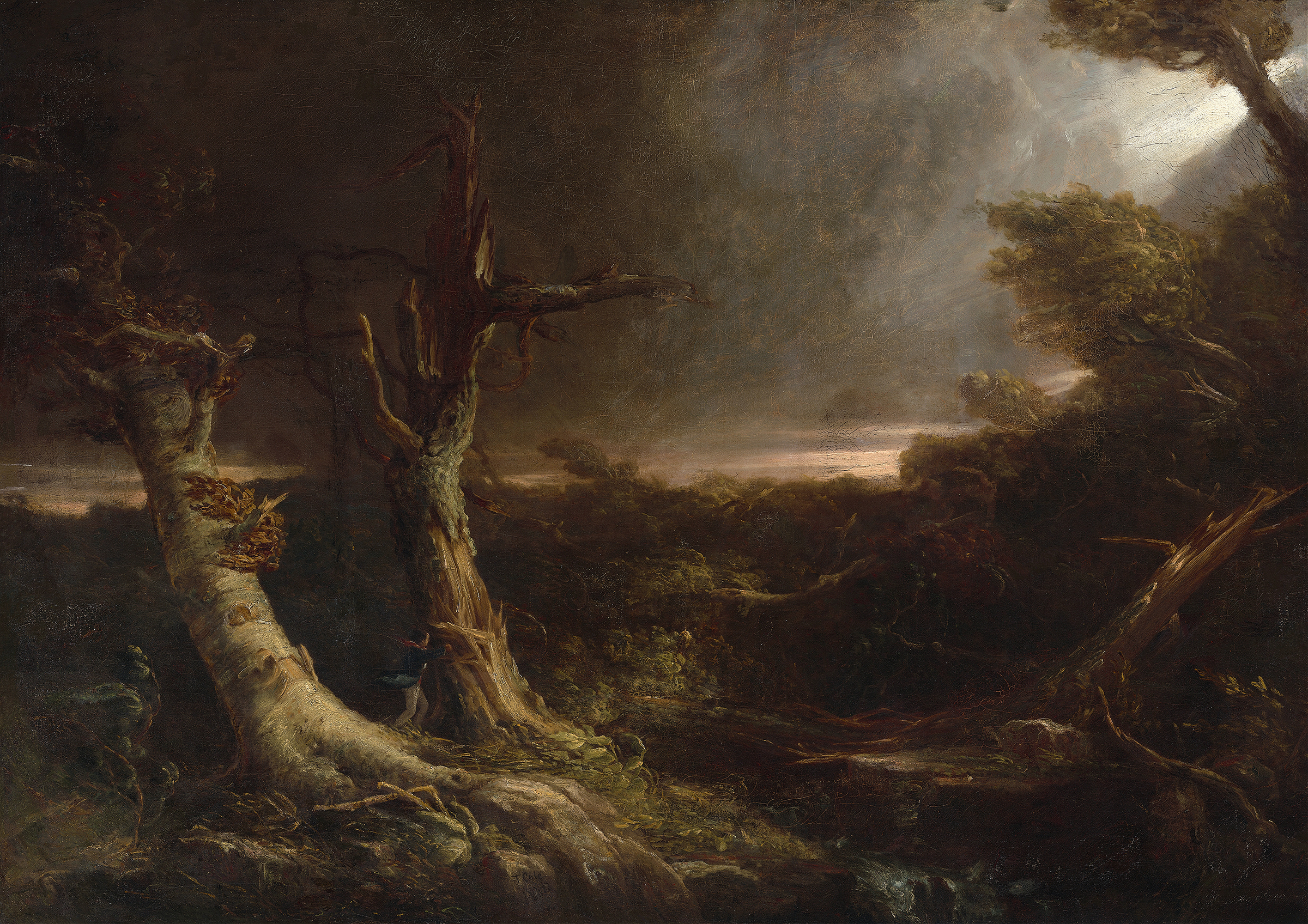
A View of the Mountain Pass Called the Notch of the White Mountains (Crawford Notch) — History & Analysis
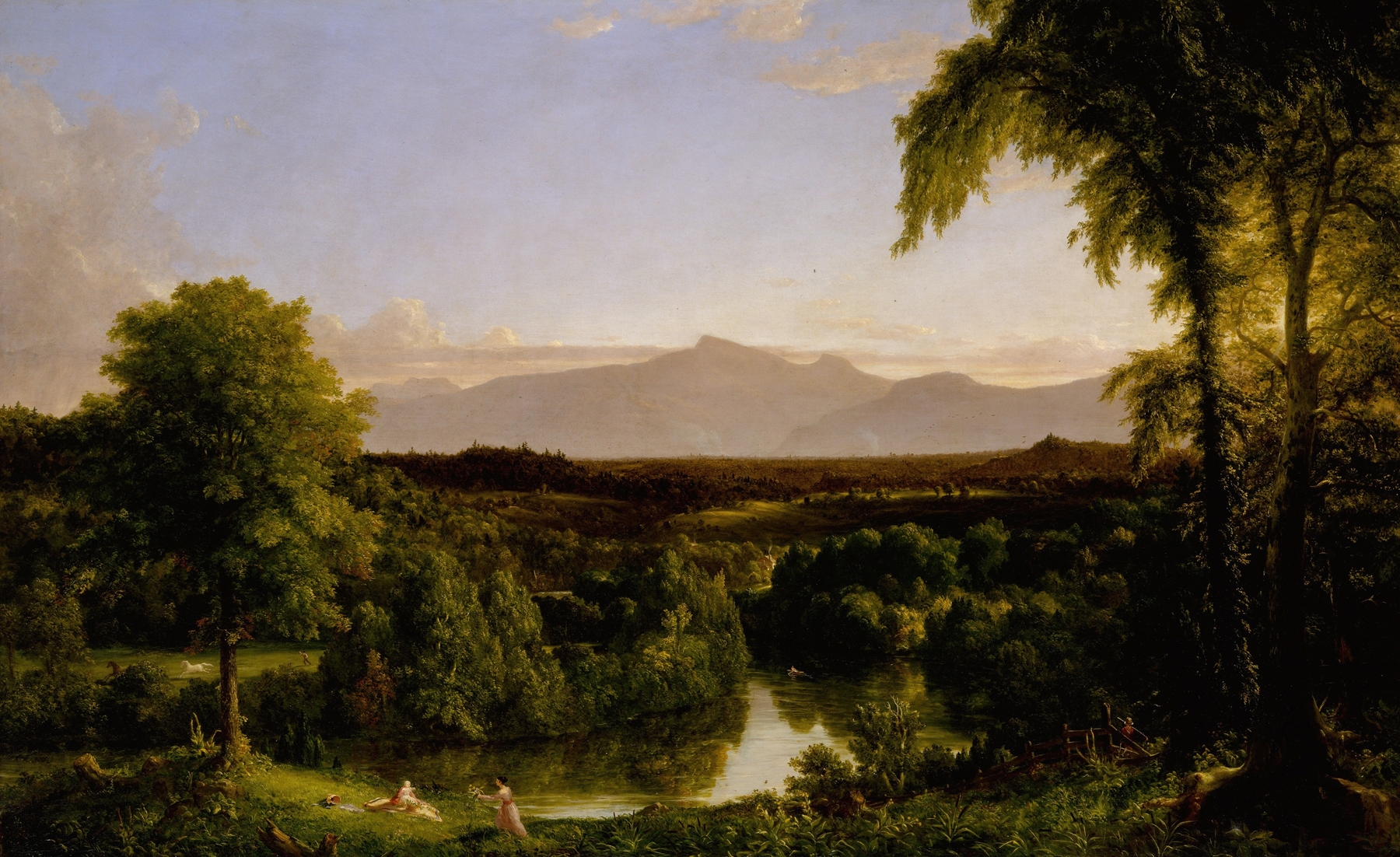
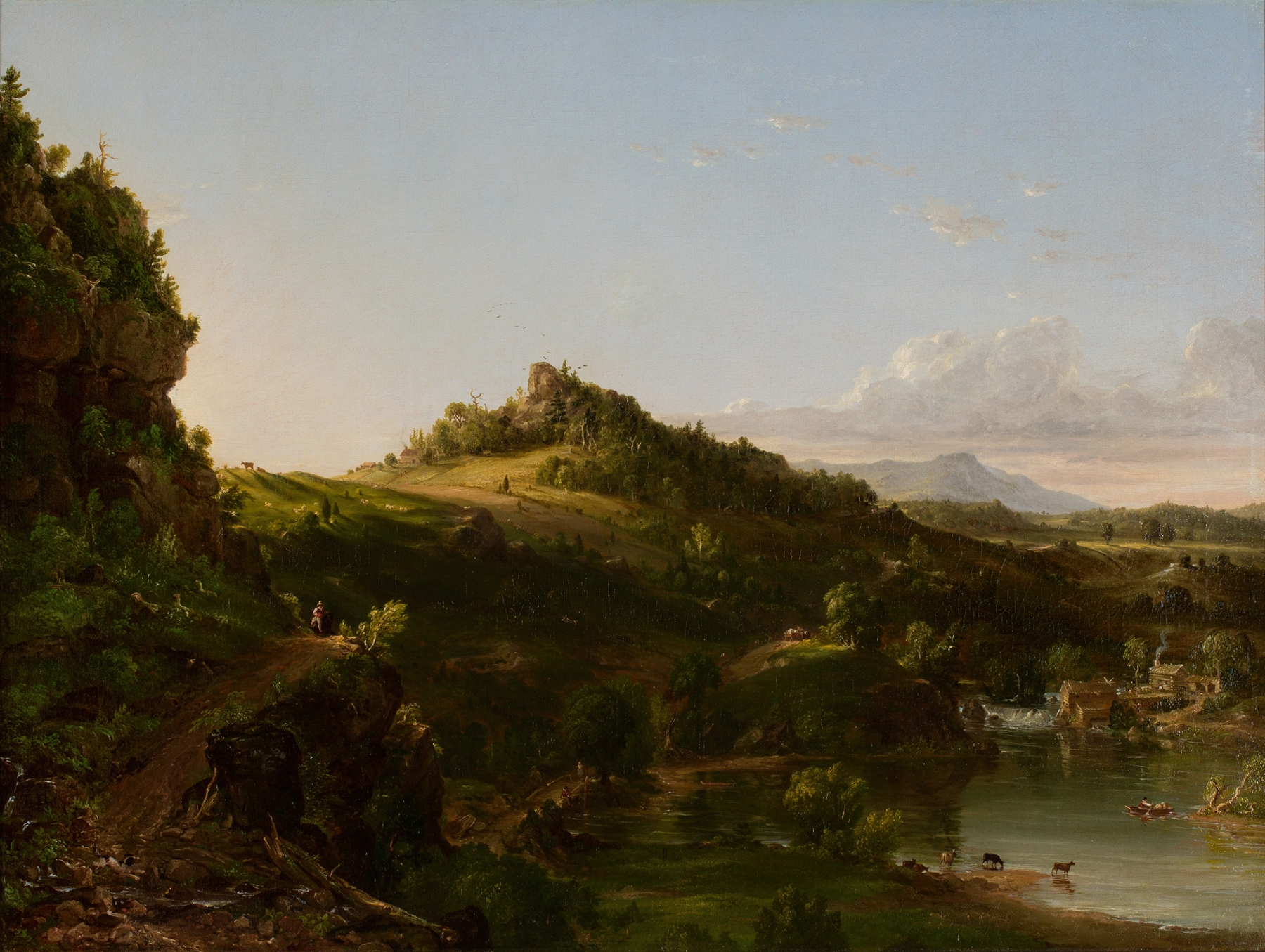
Can beauty exist without sorrow? In the breathtaking embrace of nature, the answer remains elusive, nestled within the folds of time and landscape. Look to the center of the canvas, where the majestic mountains rise, their peaks kissed by the sun's golden embrace. The vibrant greens of the valley below contrast sharply with the rugged gray and white of the towering cliffs, creating a sense of depth that draws the viewer's eye upward.
Notice how the brilliant blue sky, flecked with wispy clouds, frames the scene, casting a soft light that illuminates the details of the rocky terrain. The meticulous brushwork conveys both the strength of the earth and the fragility of its beauty, urging us to explore the harmony in nature's design. Beneath the surface of this idyllic landscape lies a profound tension, inviting reflection on the passage of time. The interplay of light and shadow hints at the transient nature of existence, suggesting that even the most serene moments are tinged with the inevitability of change.
The serene valley, while captivating, serves as a reminder of the relentless march of time against the backdrop of eternal mountains—symbolizing both grandeur and the melancholy of human experience. Created in 1839, during a period of rapid industrialization in America, this work captures Thomas Cole at a pivotal moment in his career. As a founding member of the Hudson River School, he sought to convey the sublime beauty of the American landscape, advocating for nature's preservation amidst growing societal change. This painting reflects his deep connection to the wilderness and his belief in its transformative power, a theme that resonated strongly in an era teetering between progress and the longing for untouched beauty.