The Course of Empire–The Savage State — History & Analysis
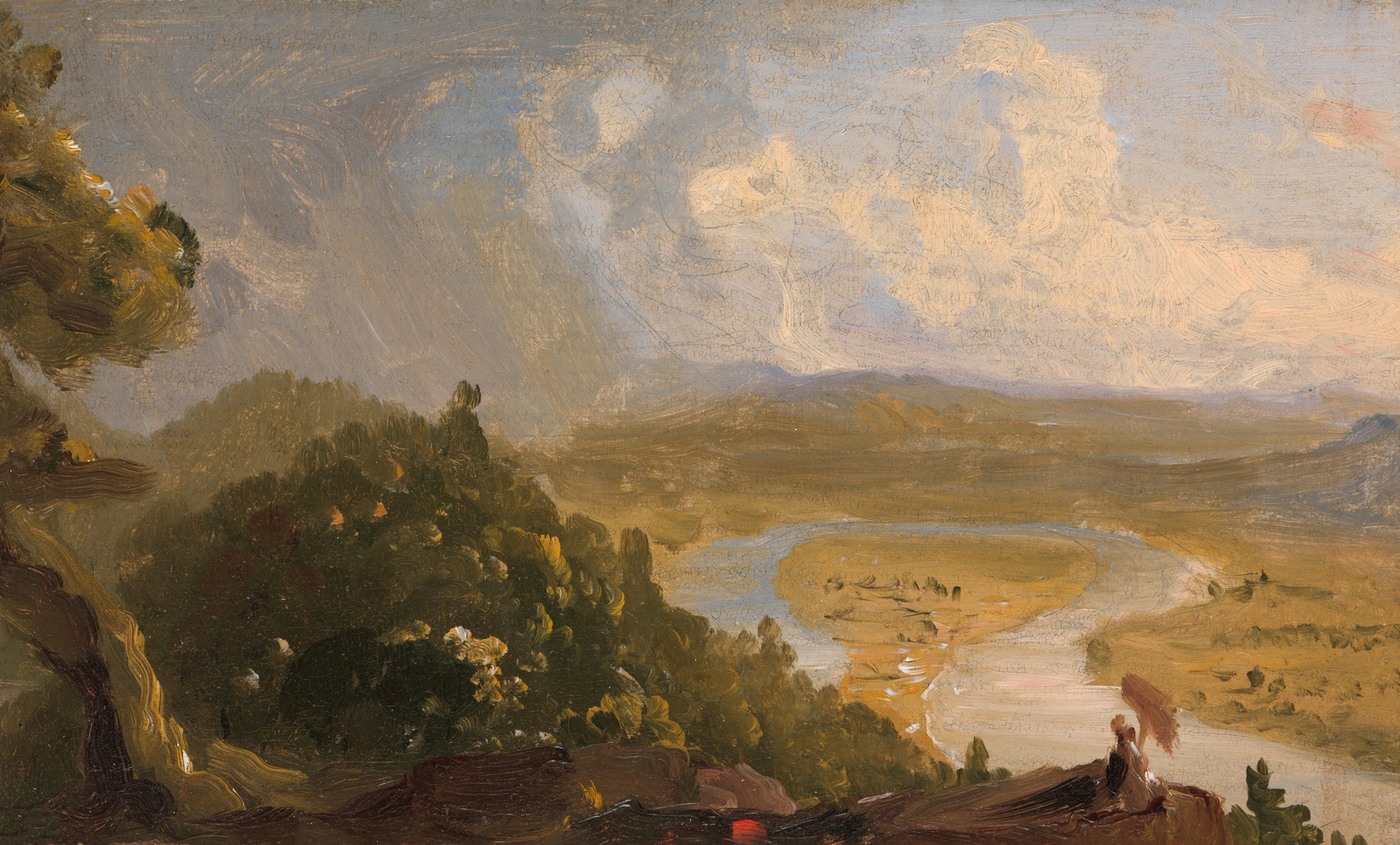
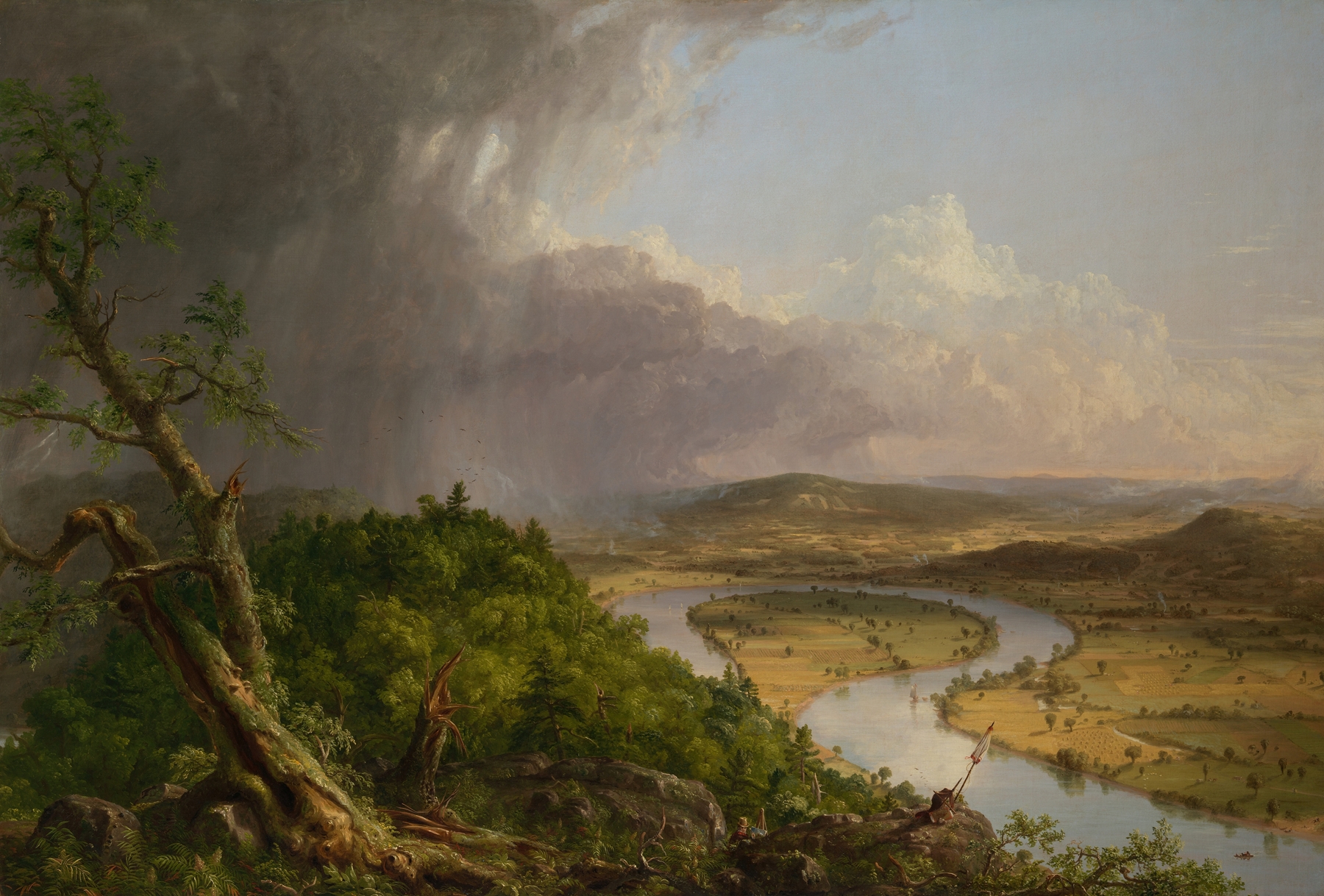
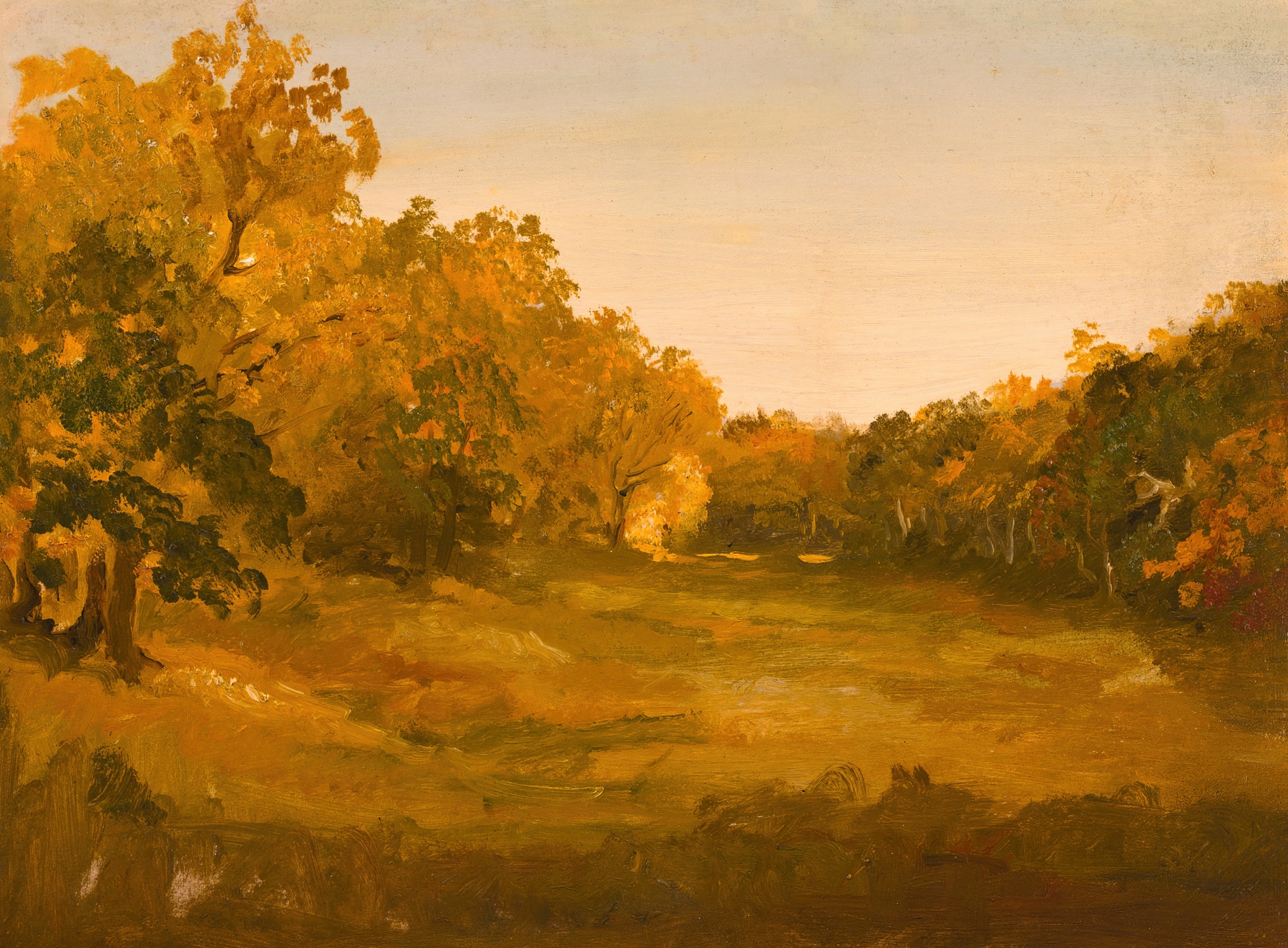
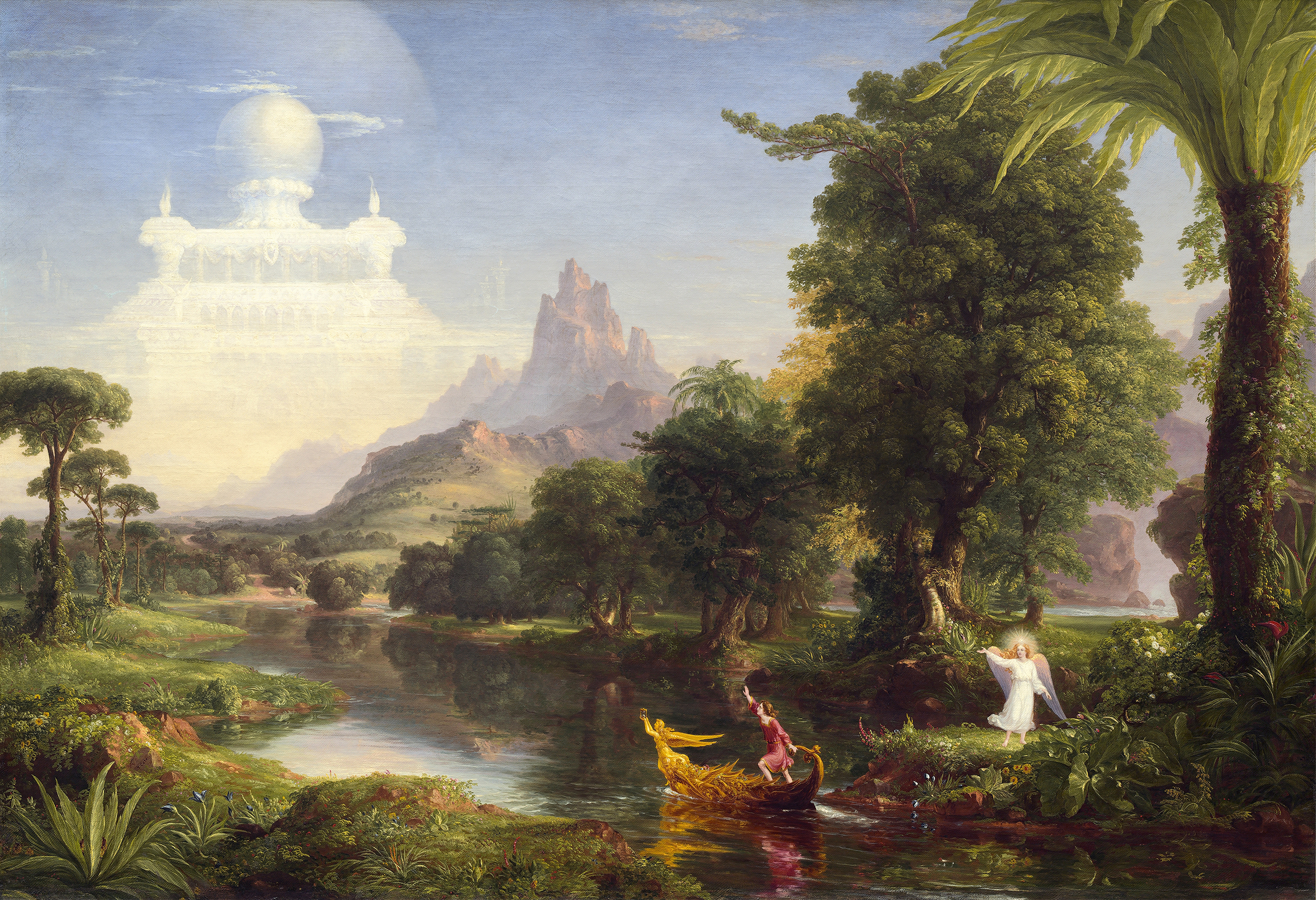
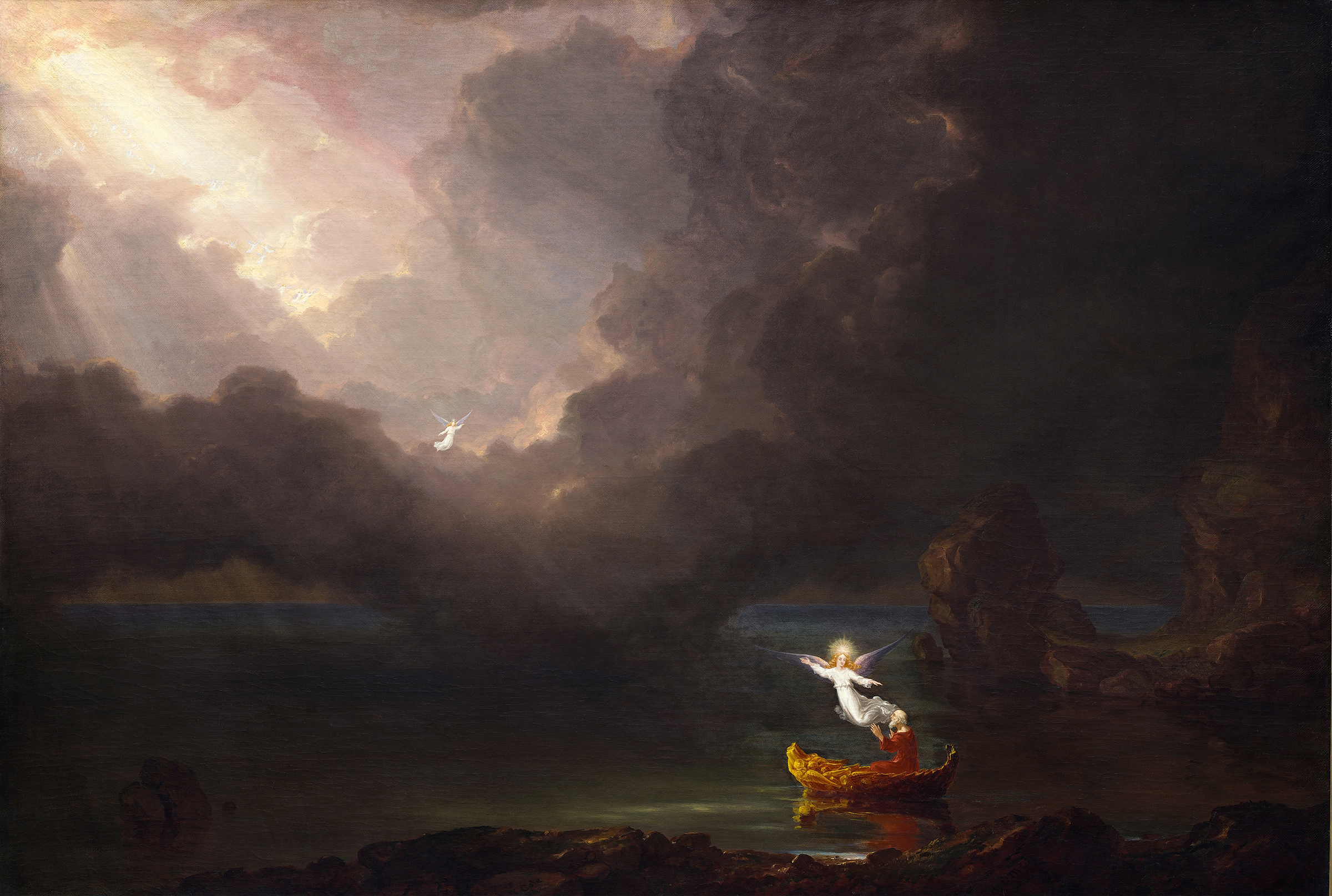
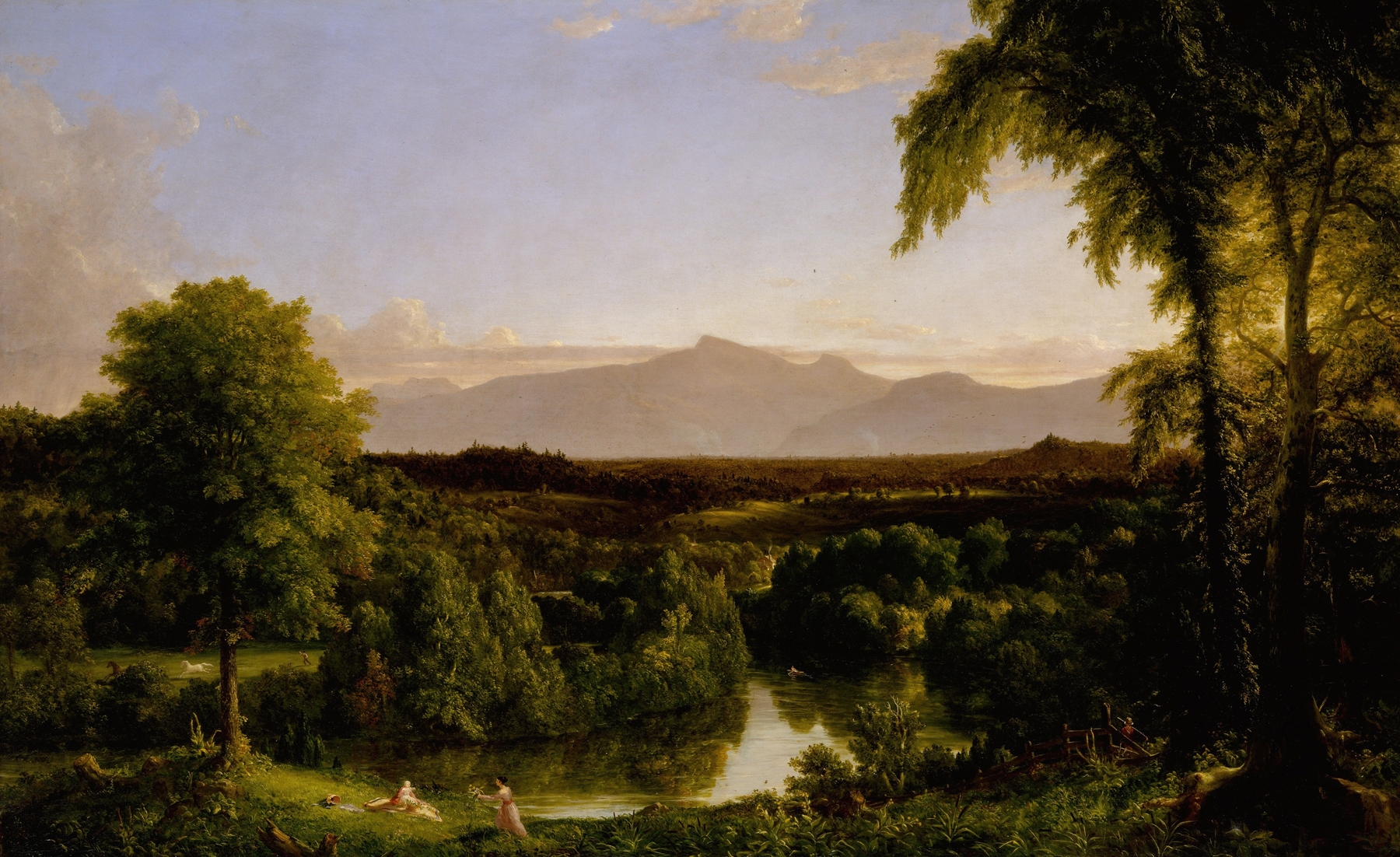
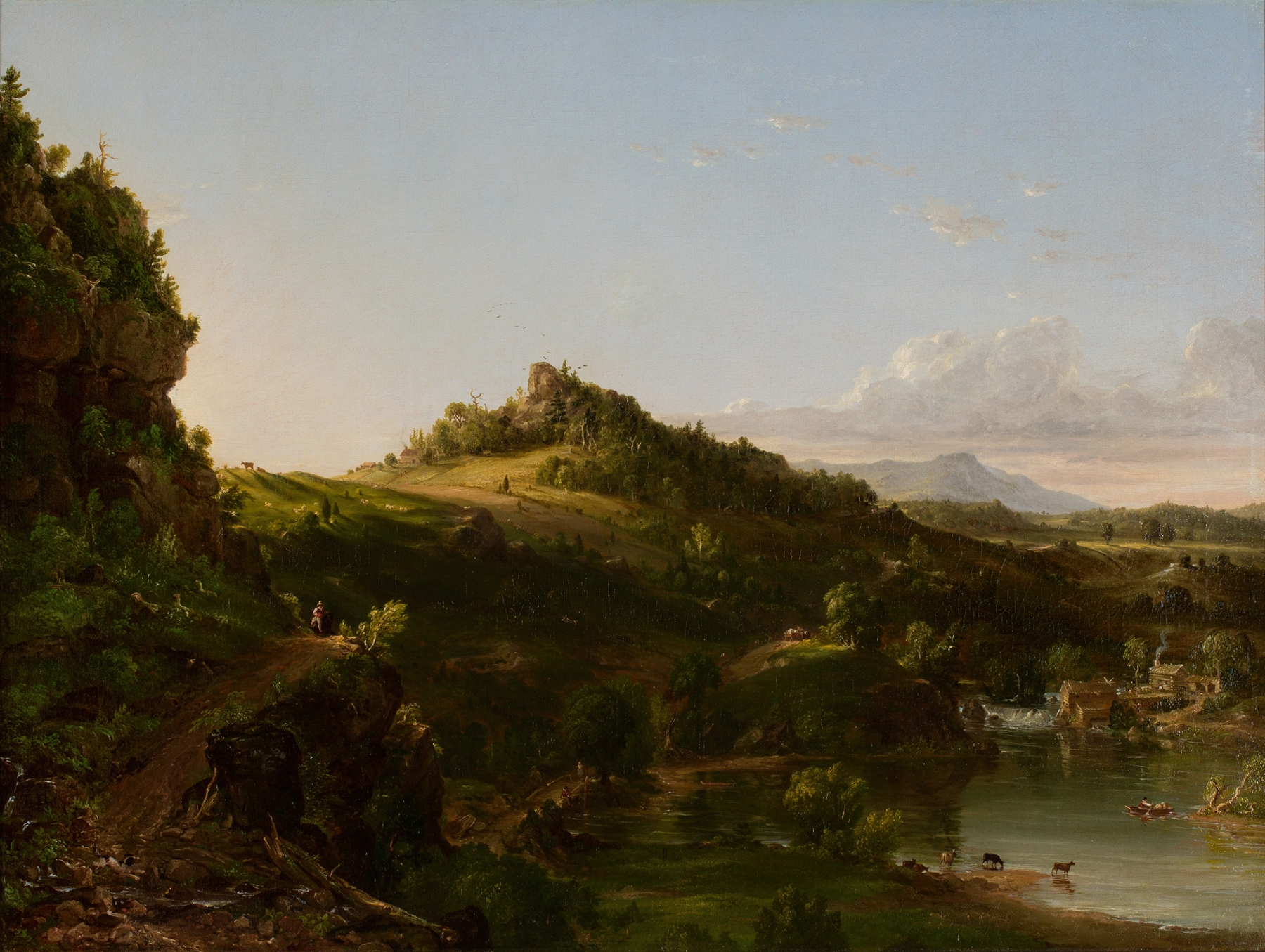
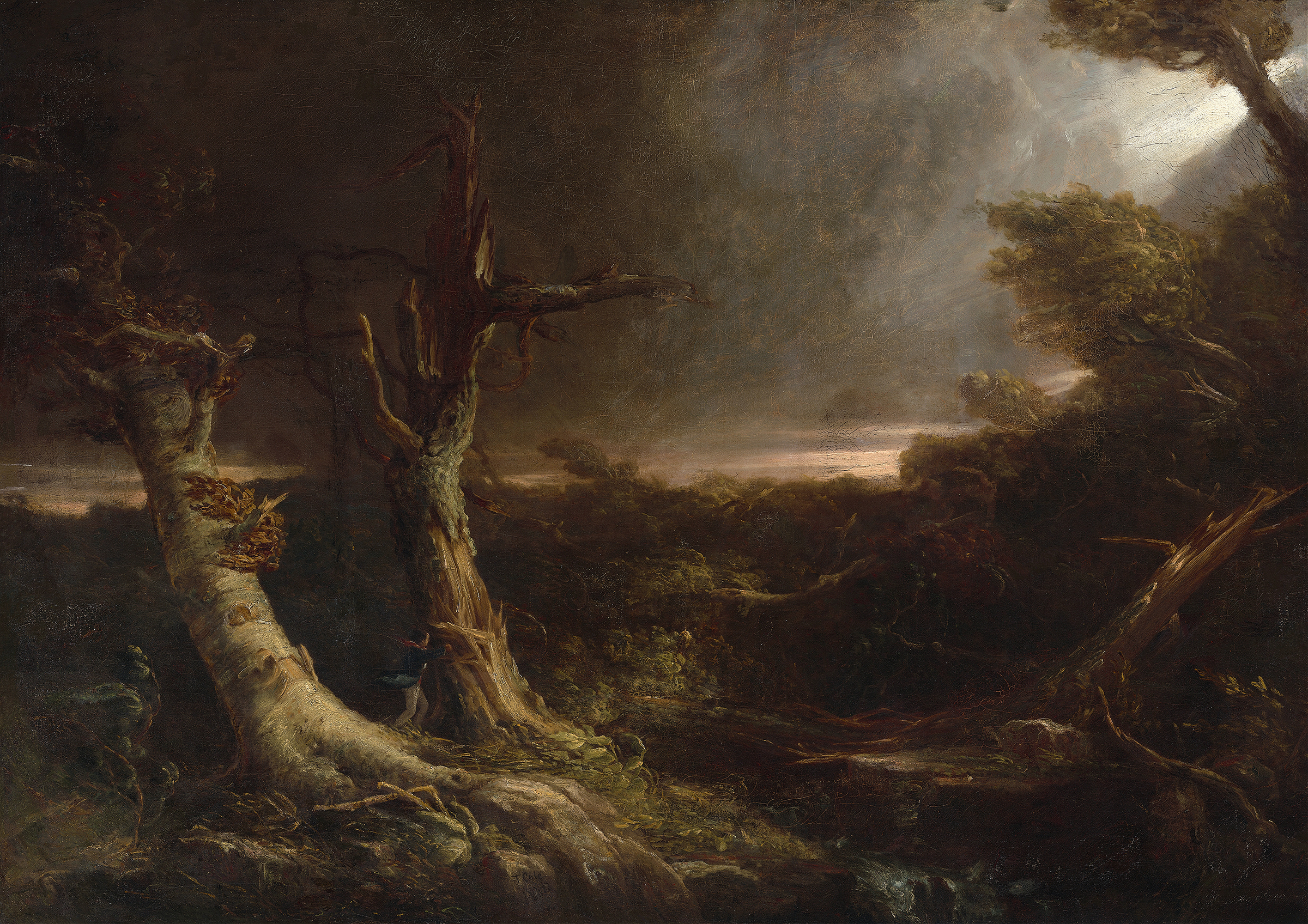
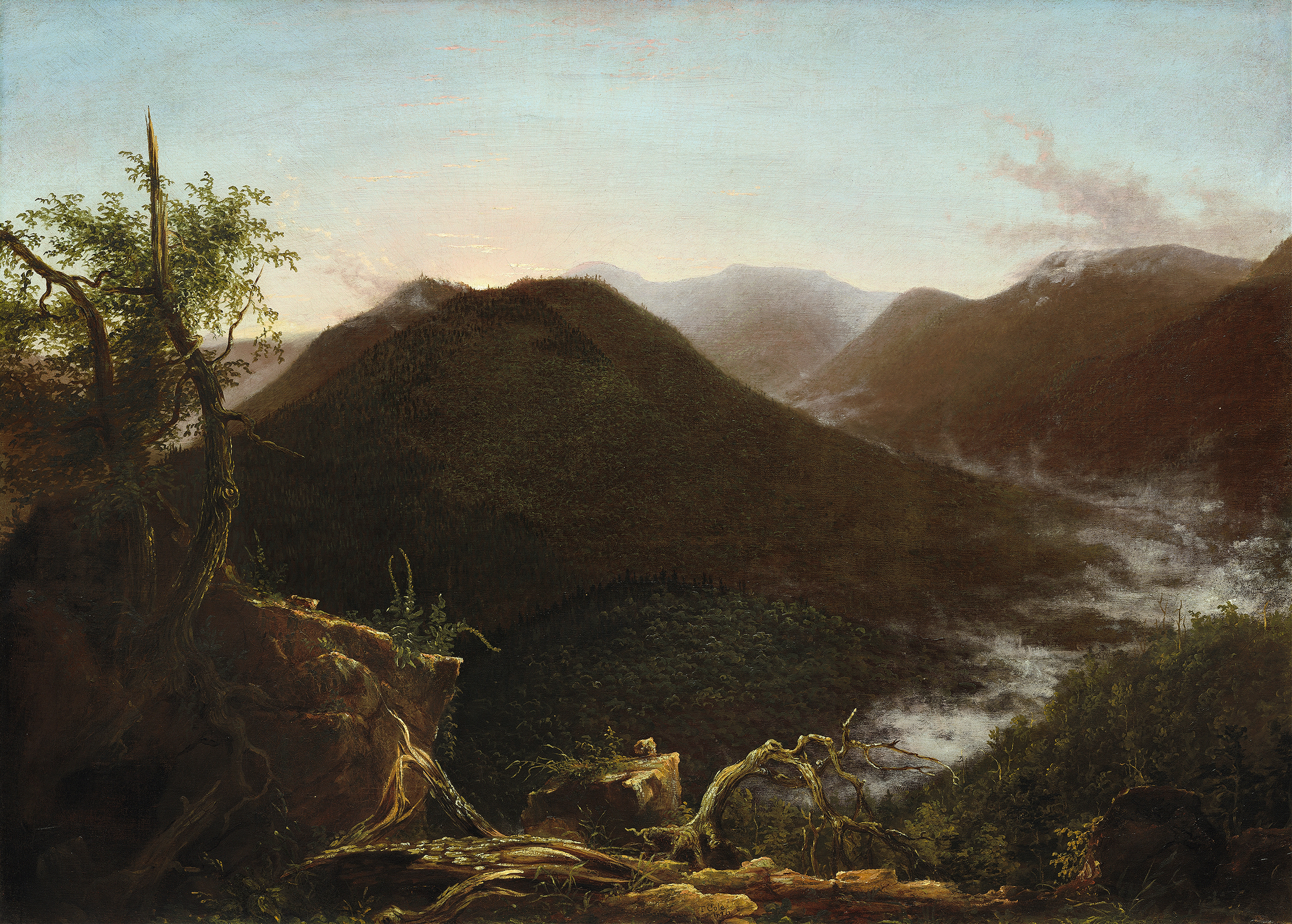
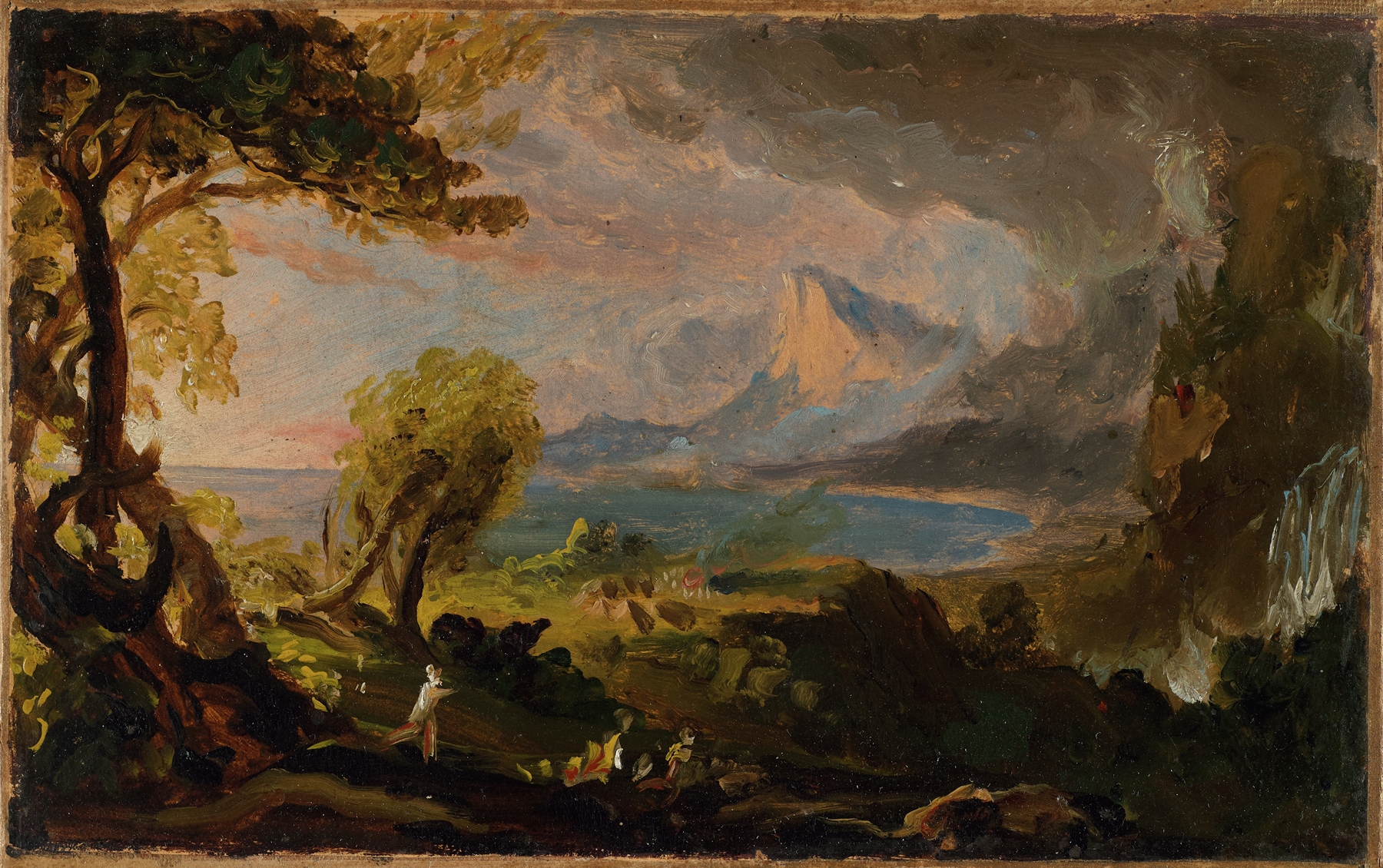
Where does light end, and longing begin? In the depths of wilderness lies the raw essence of desire, an unquenchable thirst for progress and beauty that dwells deep within humanity's spirit. Focus on the foreground where jagged, dark mountains rise solemnly, their peaks brushing against a milky sky. Just beyond, a vibrant valley unfolds, illuminated by golden sunlight spilling over the horizon. The palette transitions from deep, earthy greens to the fiery hues of dusk, evoking both the allure and tension of civilization's impending arrival.
Notice how the figures—a blend of indigenous people and animals—move with a sense of urgency, as if they are both protectors and victims of this fertile land. The contrasts in this work are striking. The wildness of nature, represented by the untamed landscape, grapples with the encroaching weight of civilization symbolized by the distant, faint outlines of structures. This interplay of light and shadow mirrors the conflict between preservation and progress, suggesting an inevitable transformation that elicits both hope and sorrow.
There’s an innocence in the figures' gestures, perhaps a longing for what will soon be lost, embodying the emotional tug-of-war between desire and destruction. In 1834, The Course of Empire–The Savage State emerged from Cole's studio in New York, amid a burgeoning interest in American landscapes and the notion of Manifest Destiny. The artist, a key figure in the Hudson River School, was reflecting on the tension between nature's majesty and the reality of industrial expansion. This work stands as a poignant commentary on the loss of innocence, capturing a moment in time that resonates with the unending cycle of civilization.