Catskill Scenery — History & Analysis
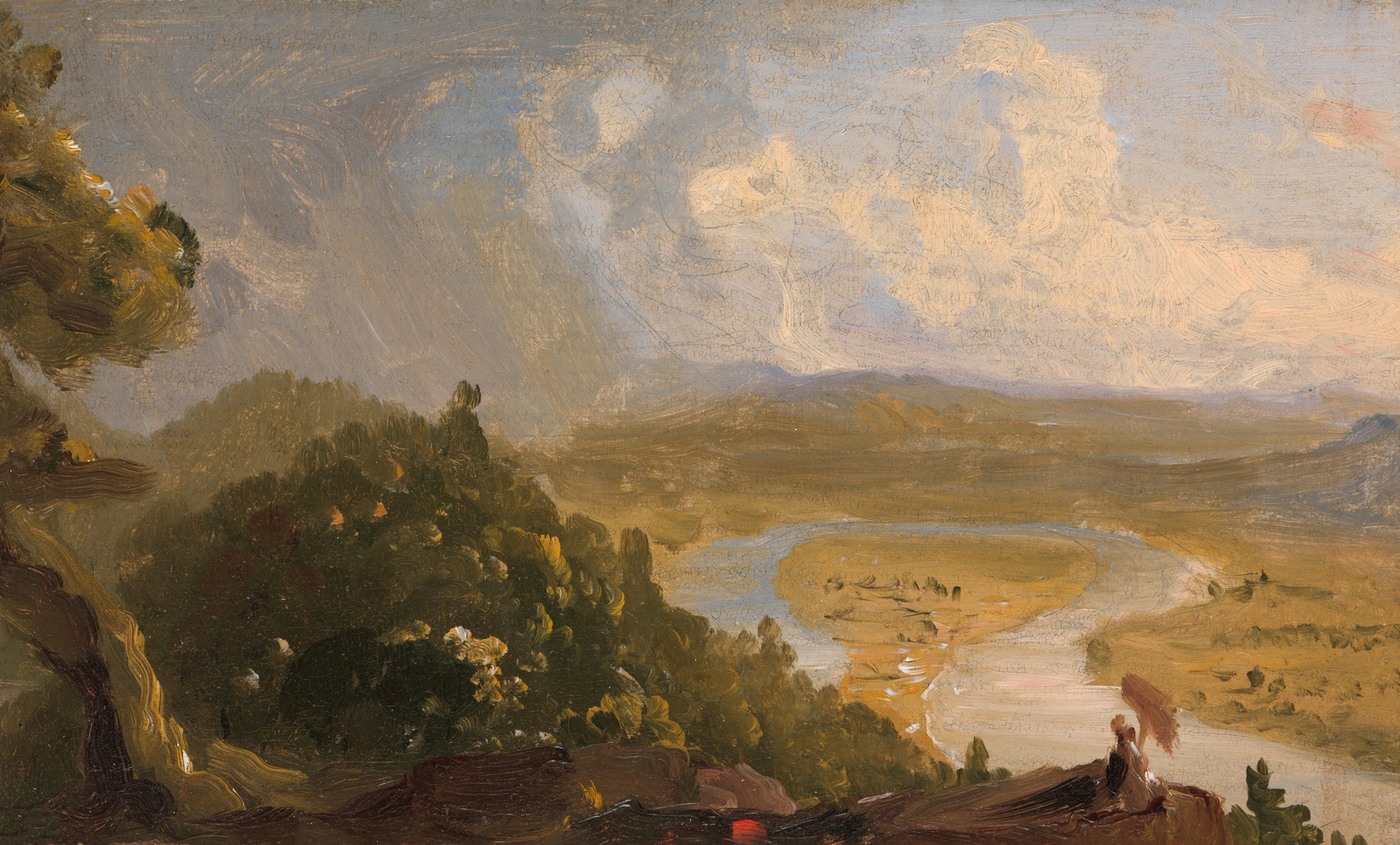
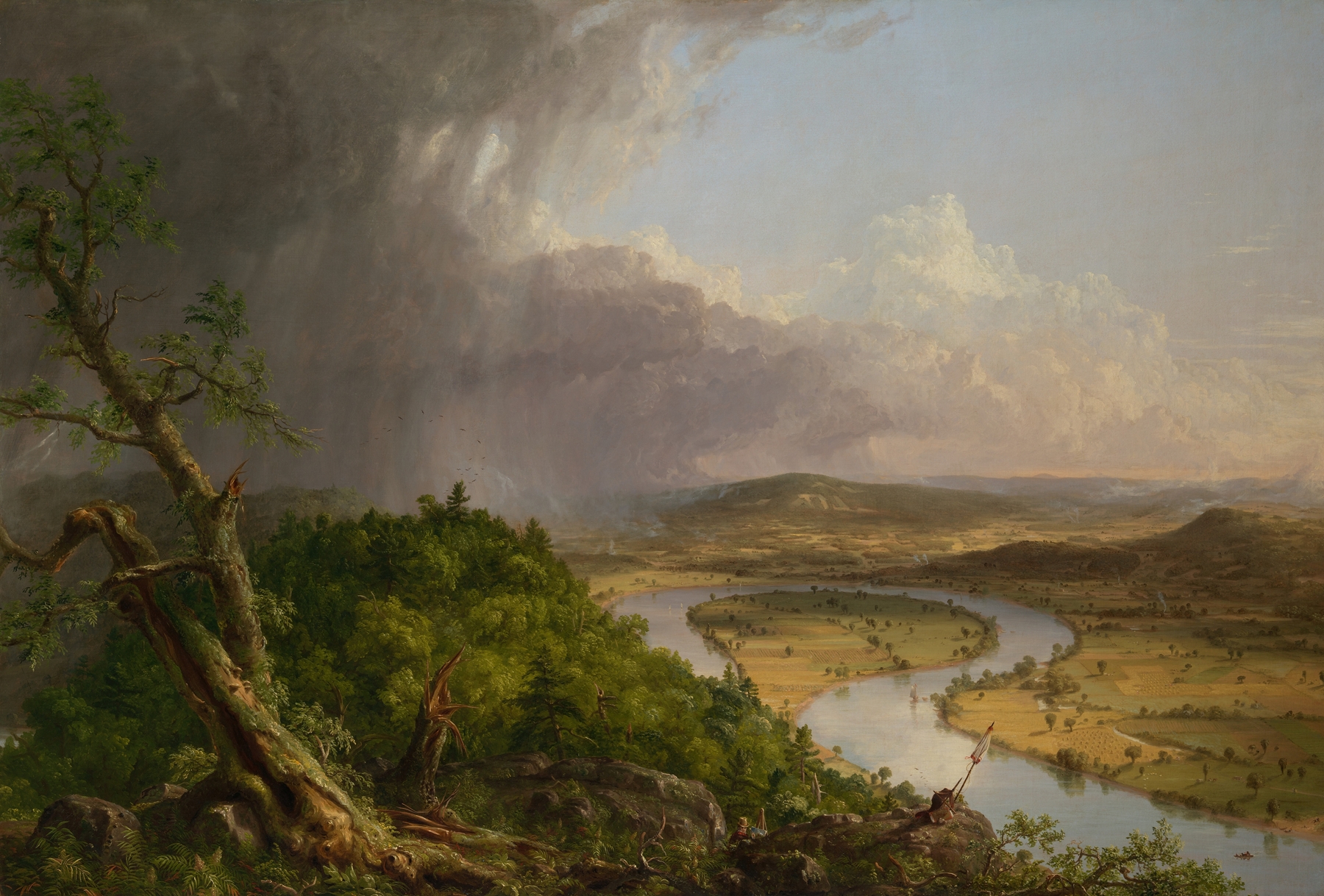
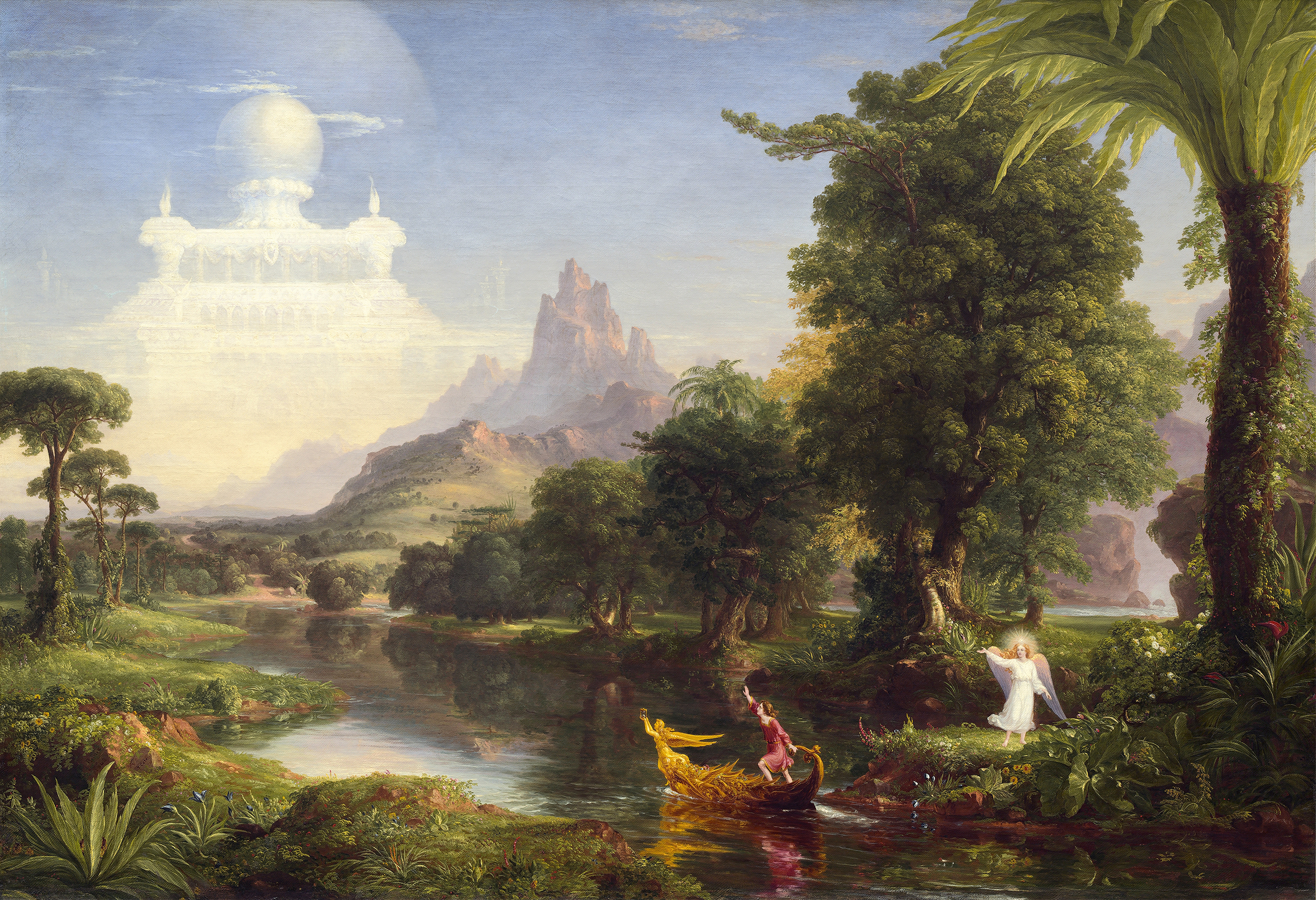
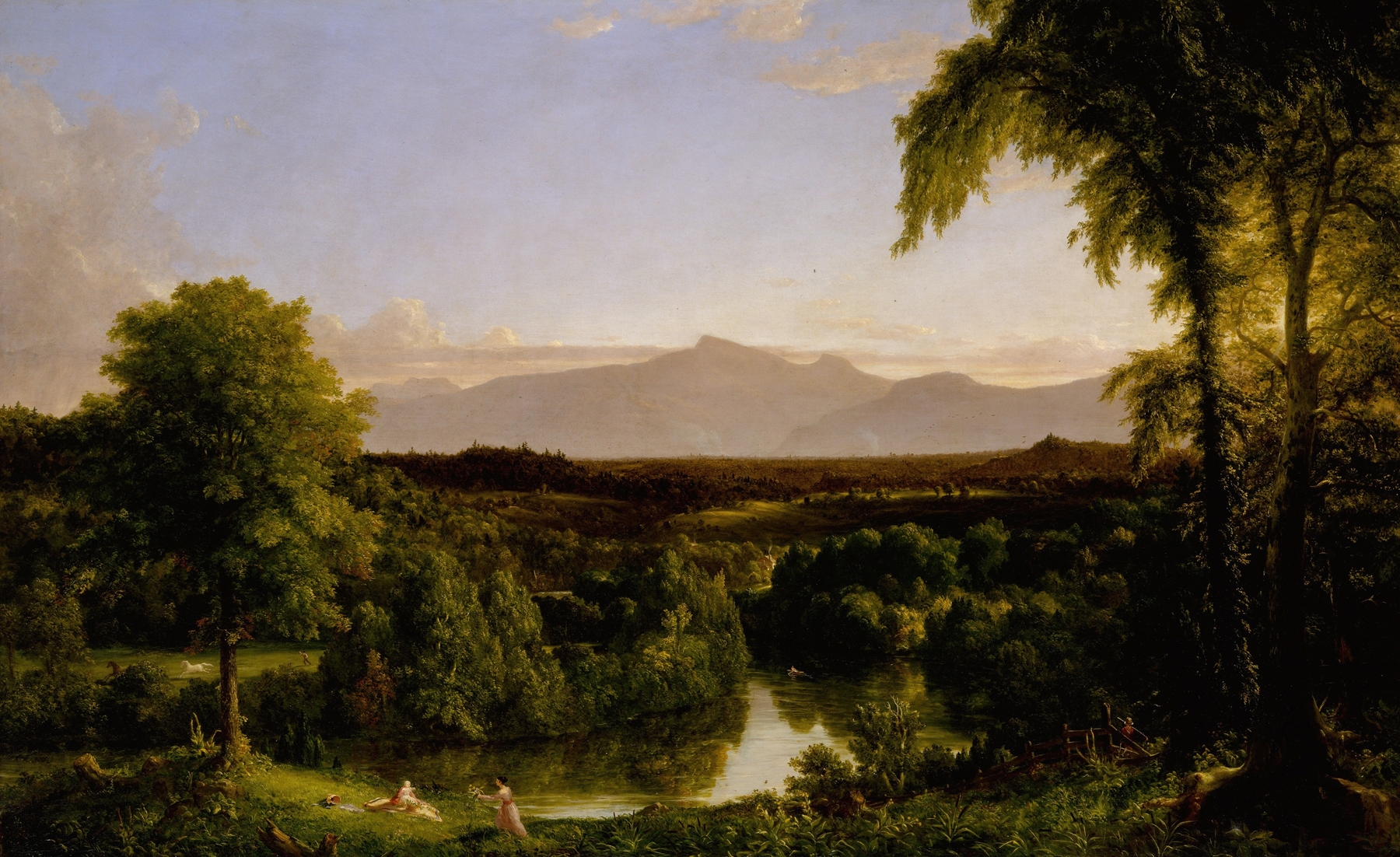
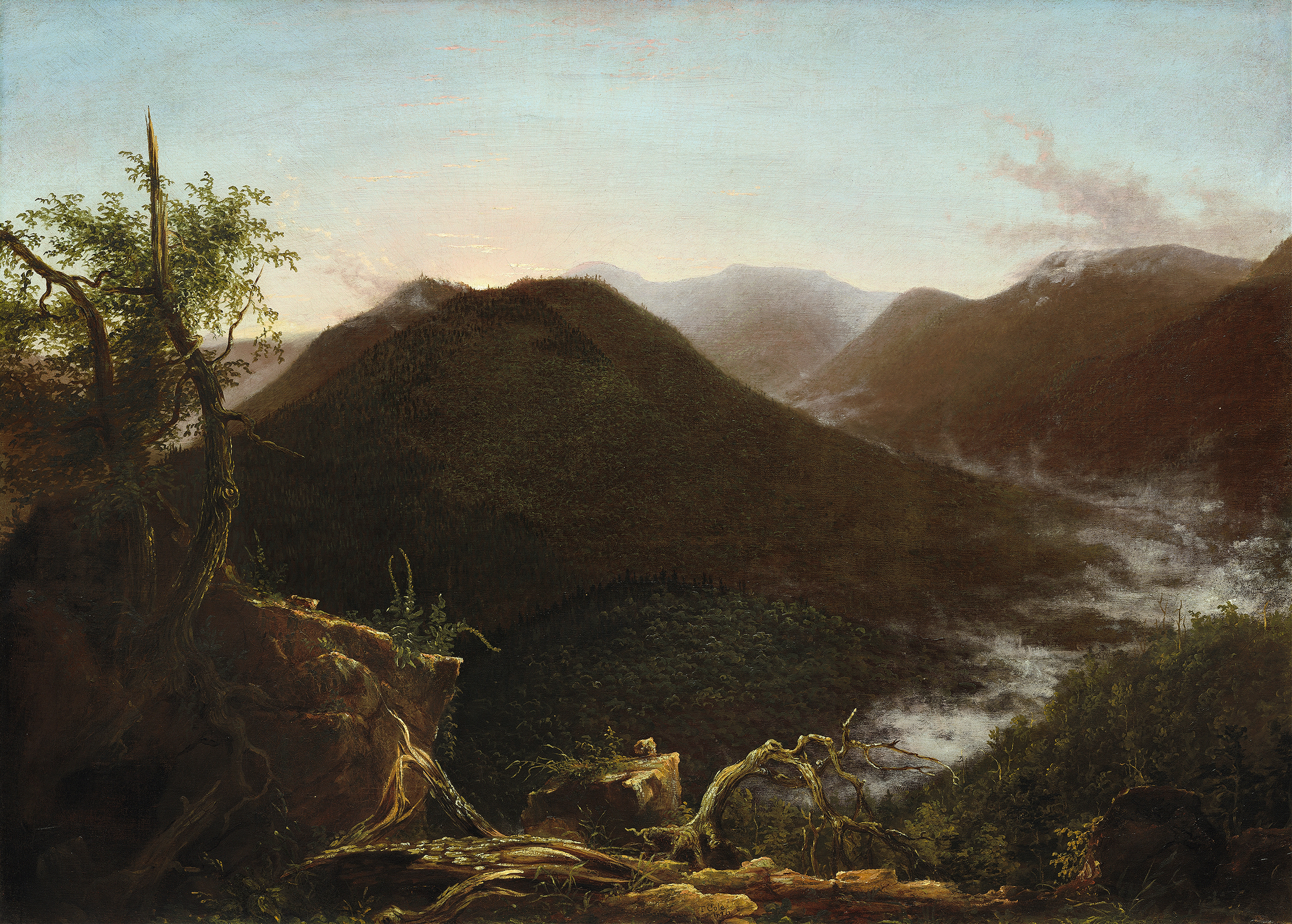
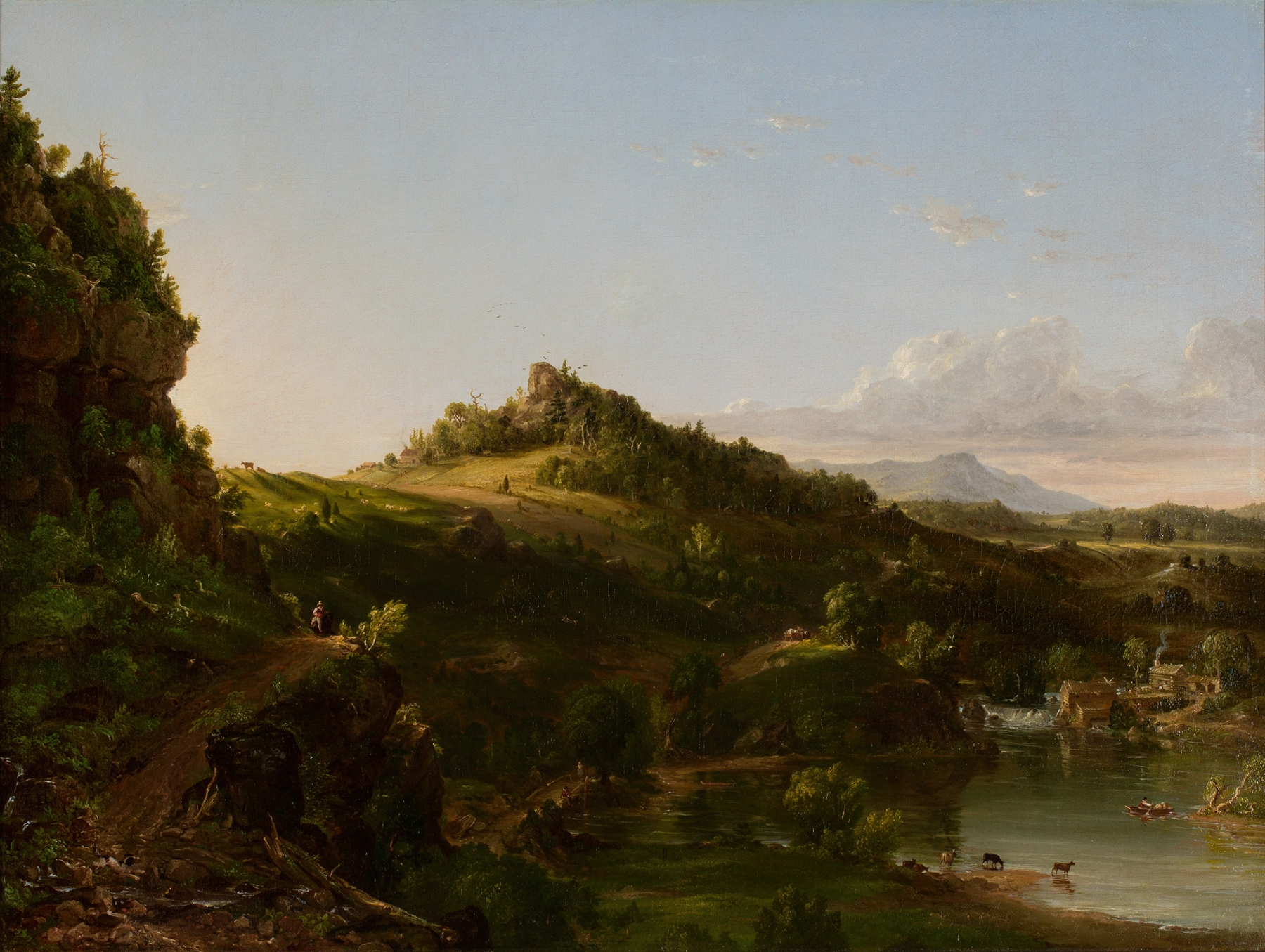
“The canvas doesn’t lie — it simply waits.” In the stillness of solitude, nature often reflects the silent ache of the soul, revealing layers of loneliness that resonate within us. Look to the left at the soft, rolling hills bathed in a gentle olive green. The distant mountains rise majestically, shrouded in a delicate mist, drawing the eye towards their lofty peaks. Notice how the interplay of light and shadow dances across the landscape, highlighting the textured brushstrokes that echo the painter's emotional intent.
The warm glow of the evening sun casts a serene spotlight on a solitary tree, its branches reaching out in a yearning embrace, inviting contemplation upon the vastness surrounding it. Beneath the tranquil beauty lies a poignant tension. The vast emptiness of the scene evokes a sense of isolation, where the lonesome tree becomes a silent witness to time's passage. The soft hues and expansive sky offer a deceptive comfort, masking a deep-seated yearning for connection.
Each element, from the gentle curve of the river to the foggy horizon, reinforces the overwhelming sense of being alone in a vast world, provoking introspection about our own place in it. In the early 1830s, the artist found himself in the heart of the Hudson River School movement, painting Catskill Scenery amidst a burgeoning exploration of American landscapes. This was a time when the nation was grappling with its identity, and Cole, influenced by Romantic ideals, sought to express the sublime beauty of nature while reflecting on human emotions. The painting emerged from a period of personal reflection for the artist, who was navigating the balance between nature's grandeur and the solitude it often brings.