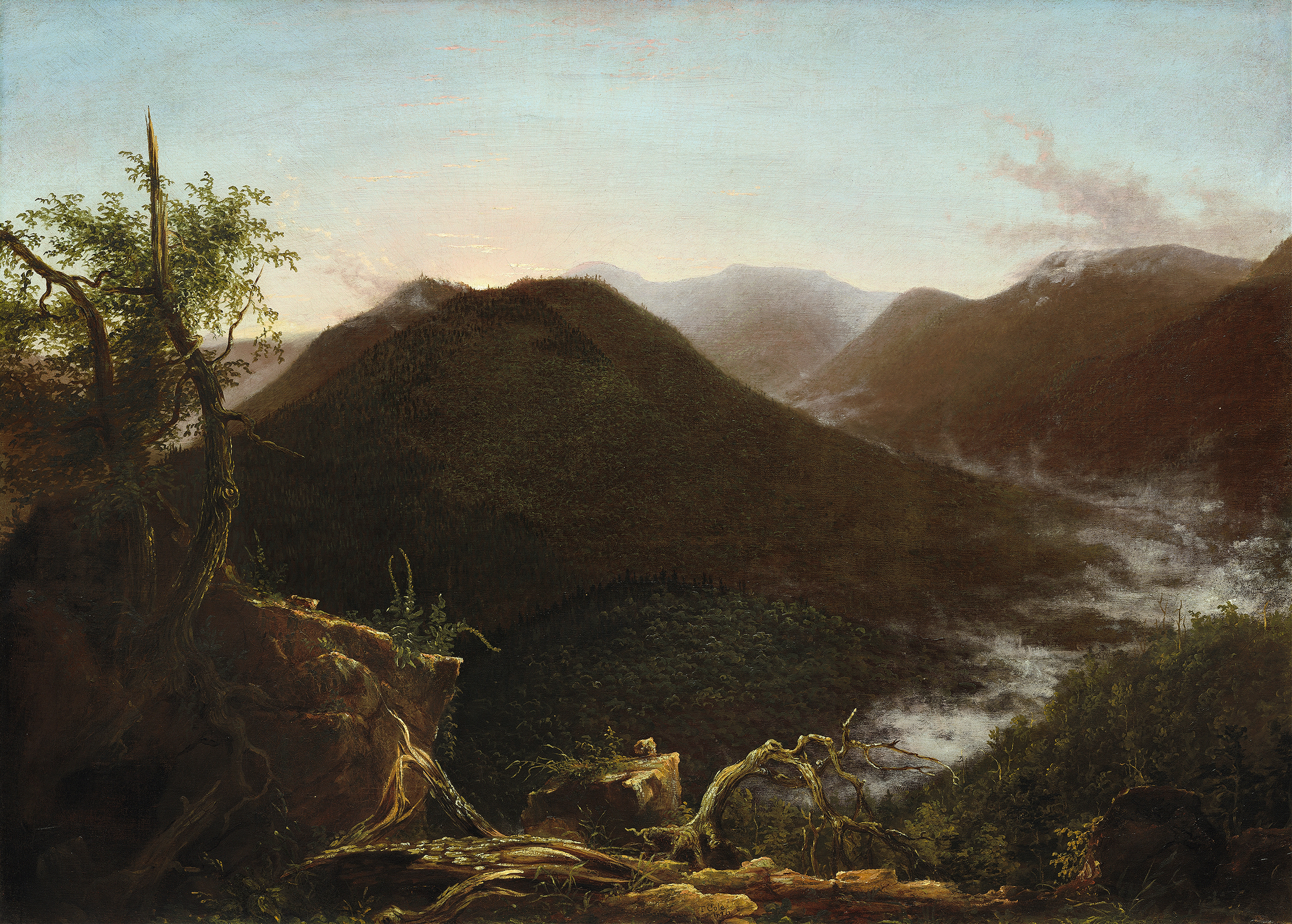
New England Scenery — History & Analysis
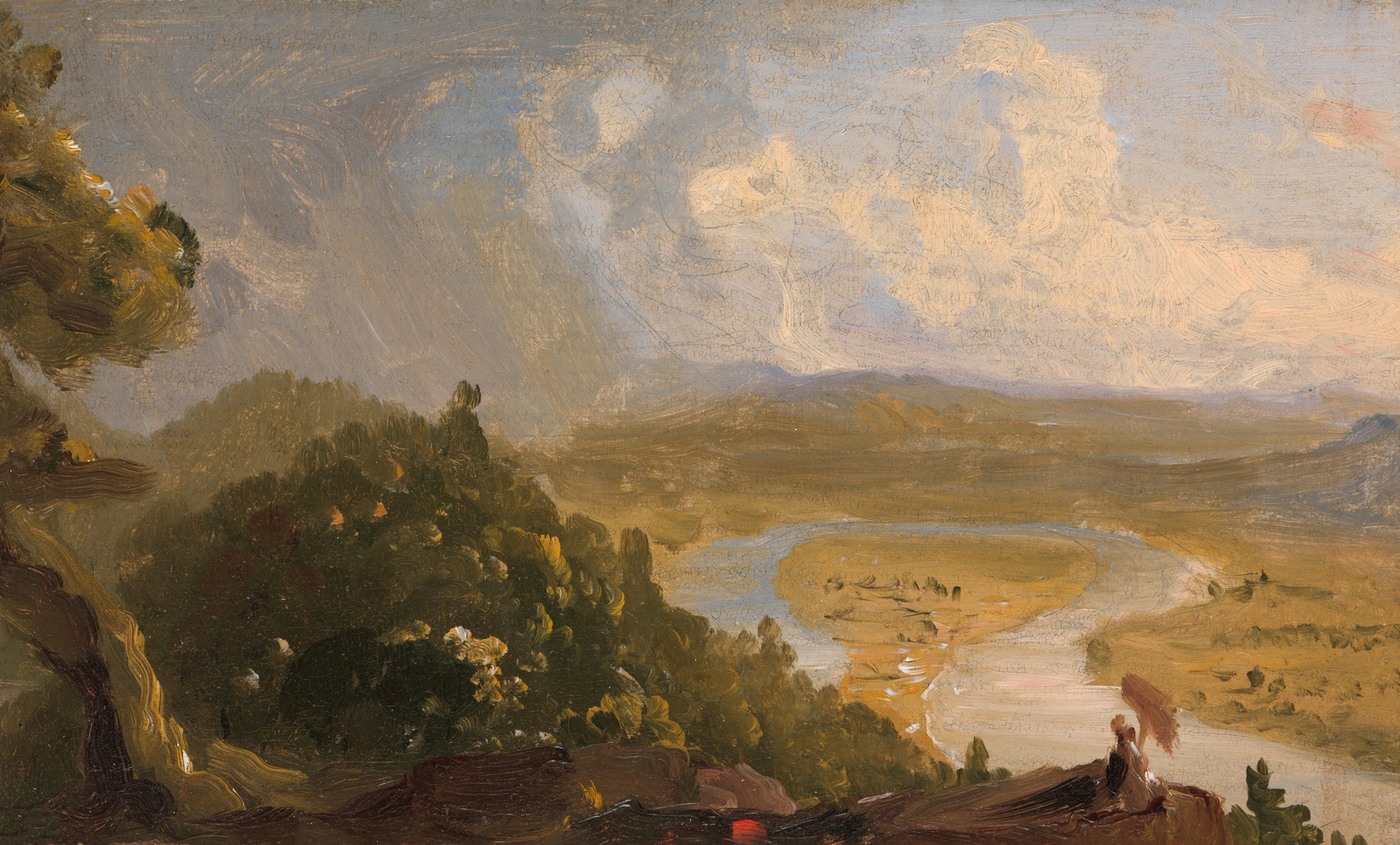
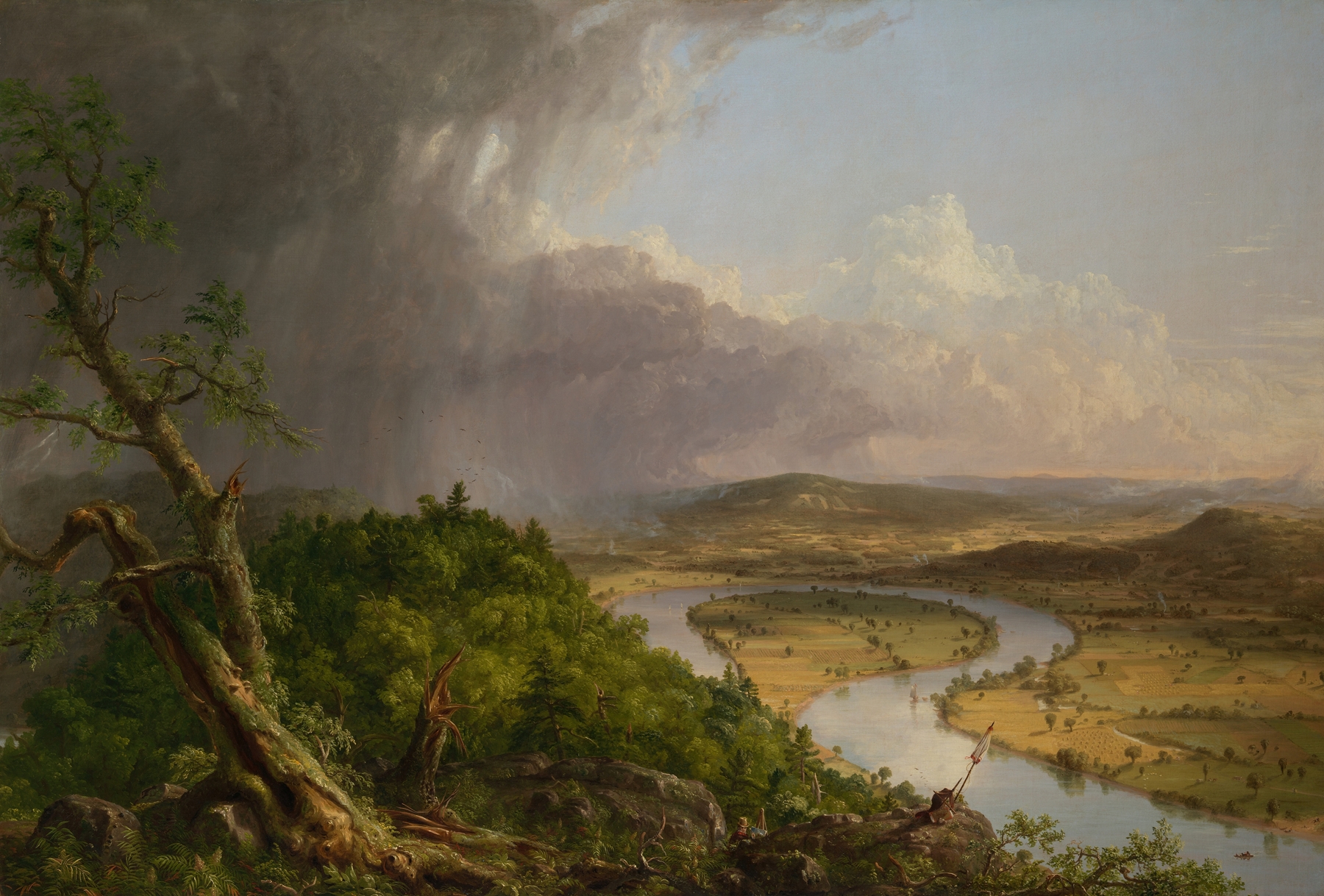
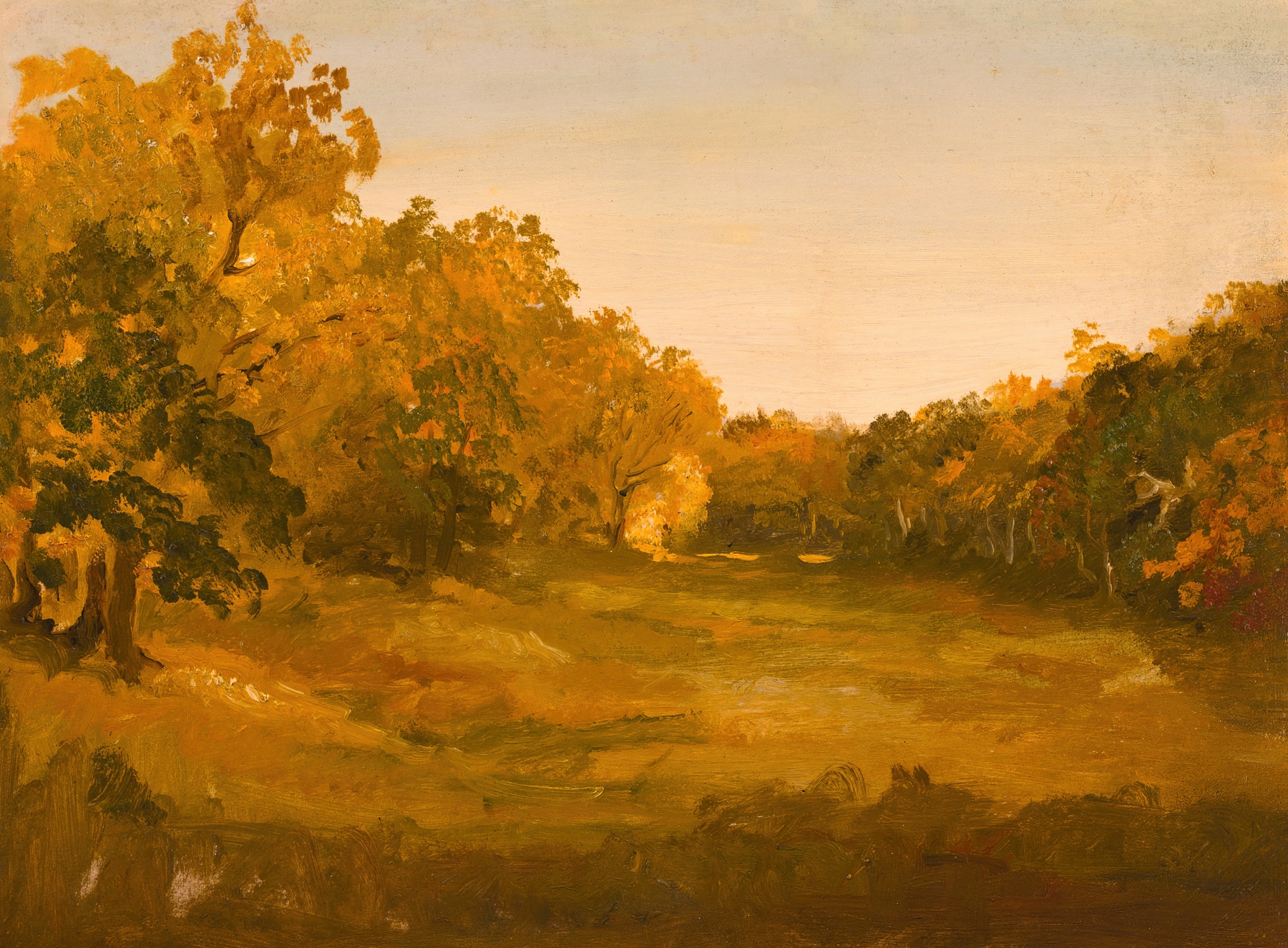
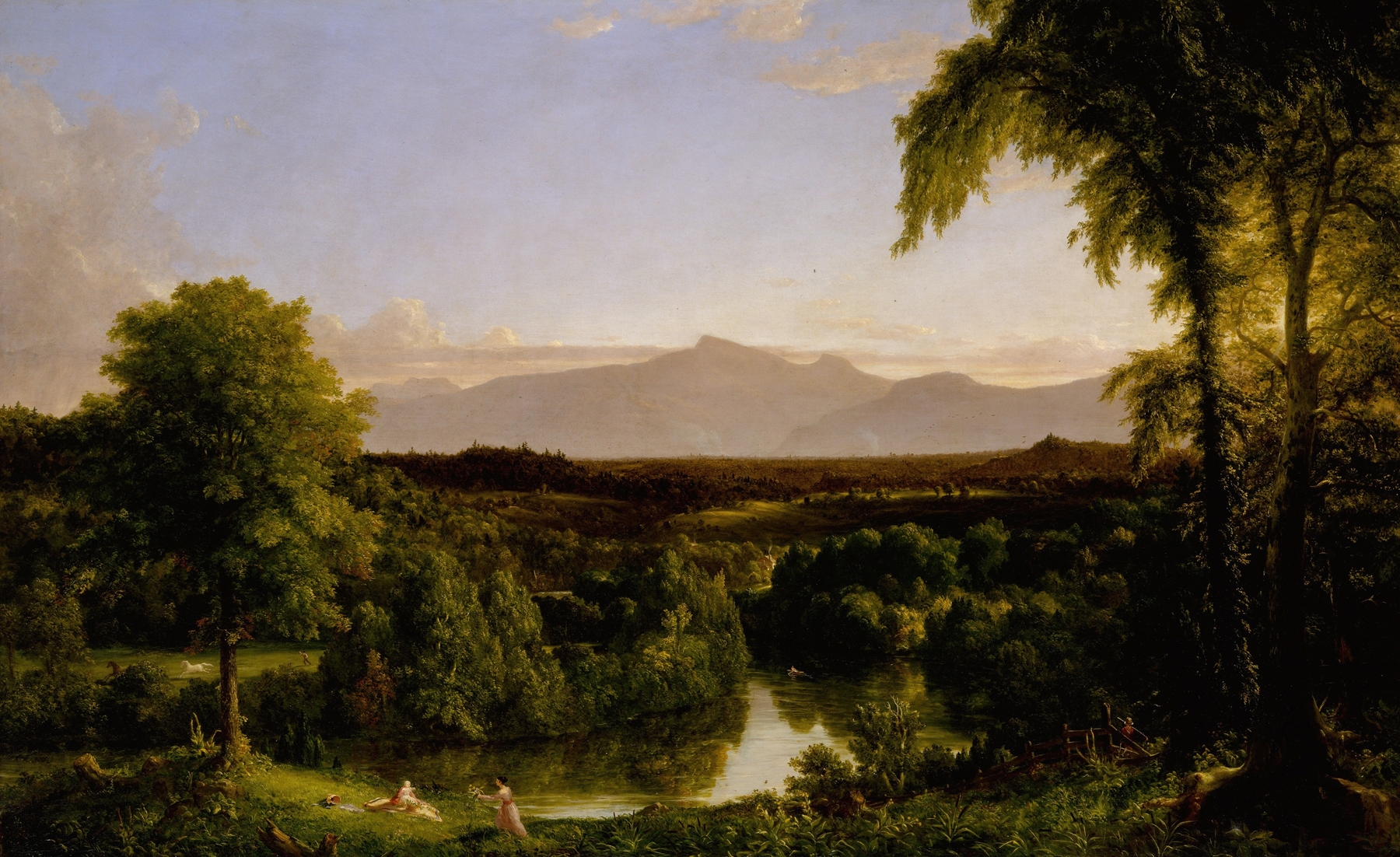
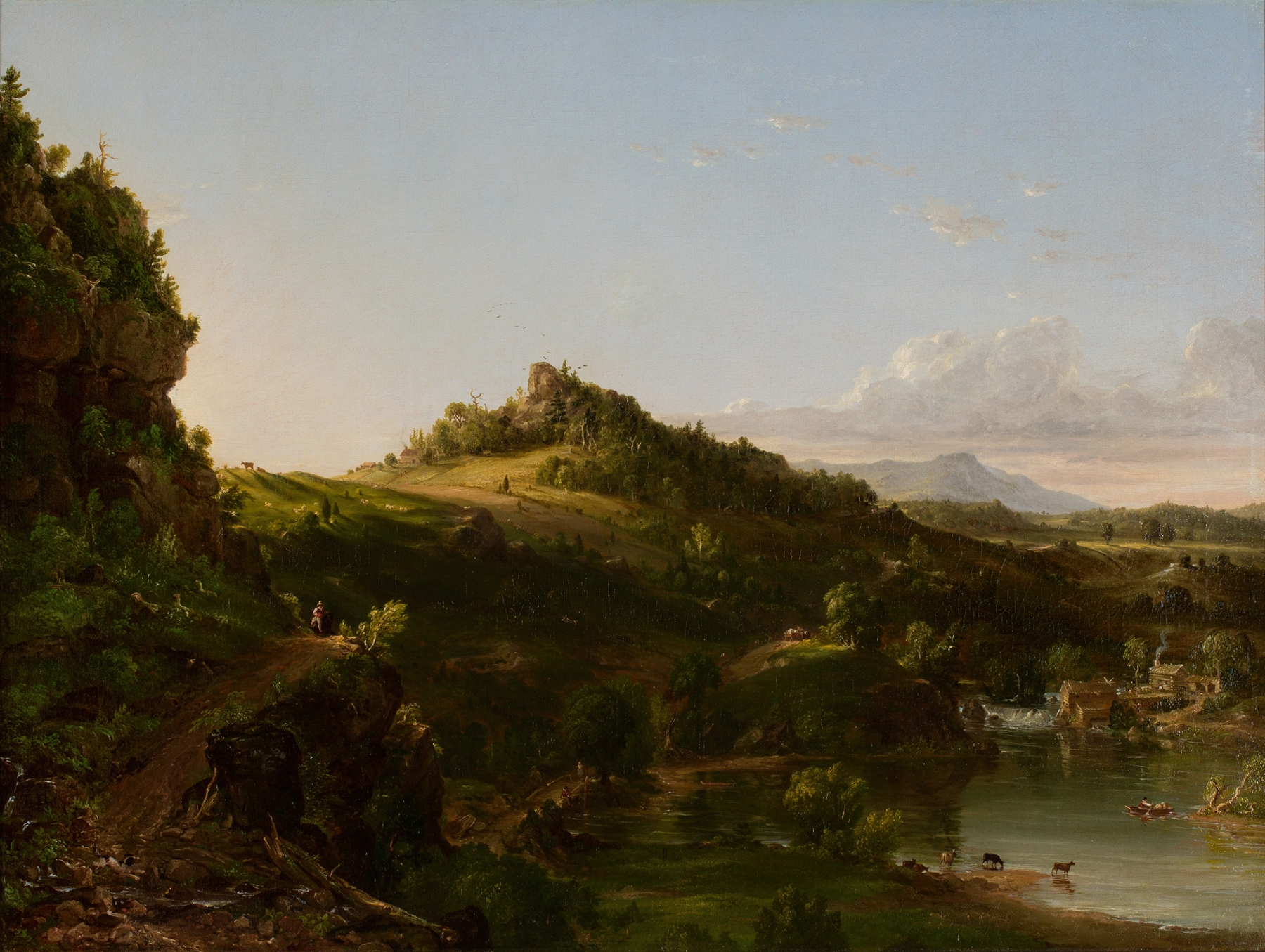
Is this a mirror — or a memory? In New England Scenery, the landscape unfolds like a wistful dream, evoking a profound sense of yearning for the serene beauty of nature. Look to the left at the delicate wisps of cloud curling above the horizon, painted with a palette of soft blues and whites that seem to breathe life into the scene. The majestic mountains rise in the background, their rugged outlines softened by the gentle touch of sunset light.
Notice how the warm hues of orange and gold reflect upon the tranquil waters, creating a harmonious balance between sky and earth. Each brushstroke is deliberate, inviting the viewer to wander through this idyllic vista. Yet, the composition reveals deeper emotional layers; the contrast between the expansive sky and the tightly framed trees suggests a longing for freedom juxtaposed with the comfort of familiarity. The stillness of the water mirrors the quietude of the moment, but the vibrant colors stir a sense of nostalgia, hinting at memories of a time gone by.
The scene captures both the purity of nature and the bittersweet ache of remembering, urging one to reflect on personal connections to the landscape. In 1839, during a pivotal moment in American art, Thomas Cole was deeply influenced by the Hudson River School movement, which championed the beauty of the American landscape. Living in Catskill, New York, he sought to capture the essence of nature as both a refuge and a source of inspiration amidst the emerging industrial landscape of the nation. His work became a foundational touchstone for the Romantic movement in American art, where the interplay of nature and human emotion flourished.