Landscape — History & Analysis
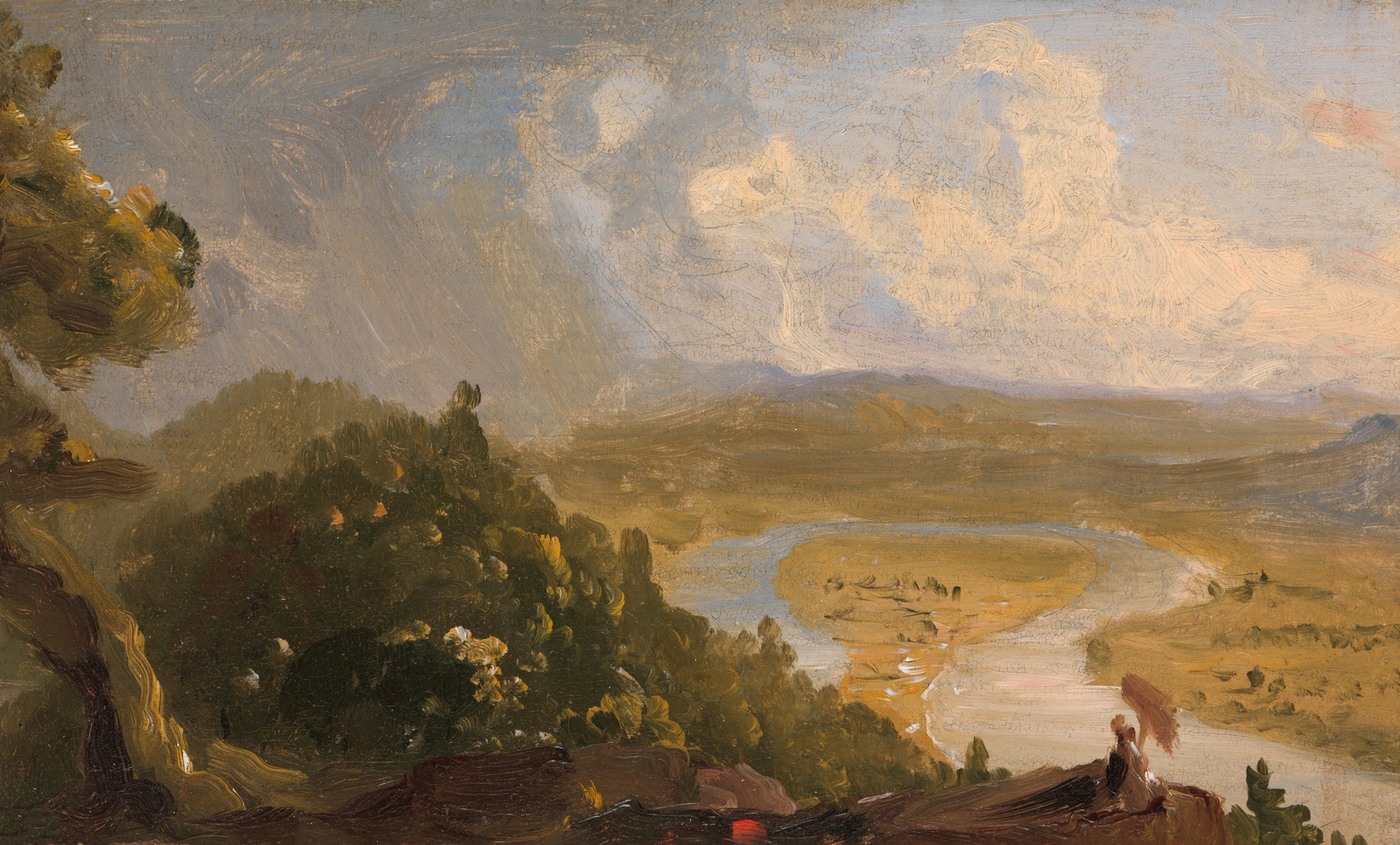
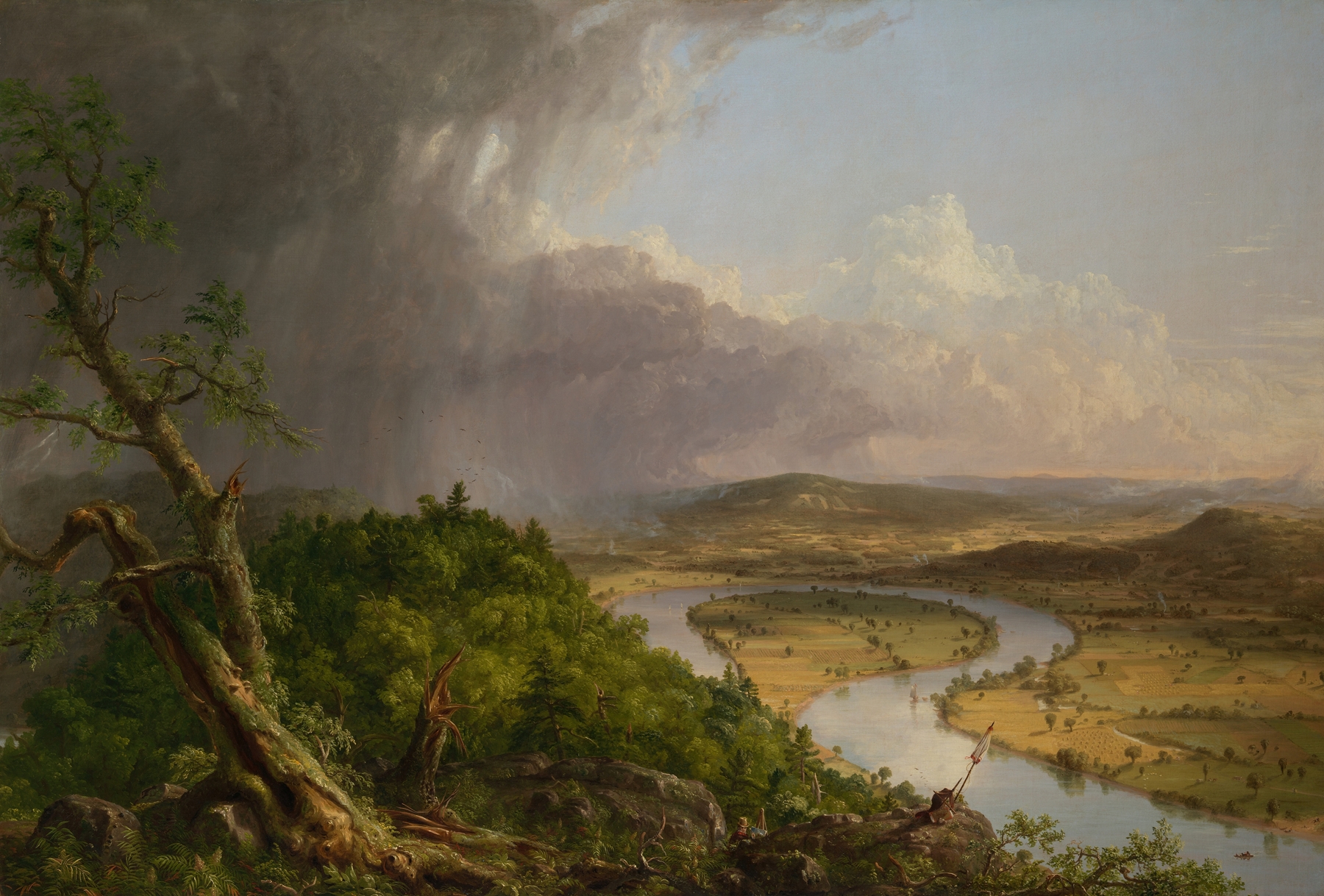
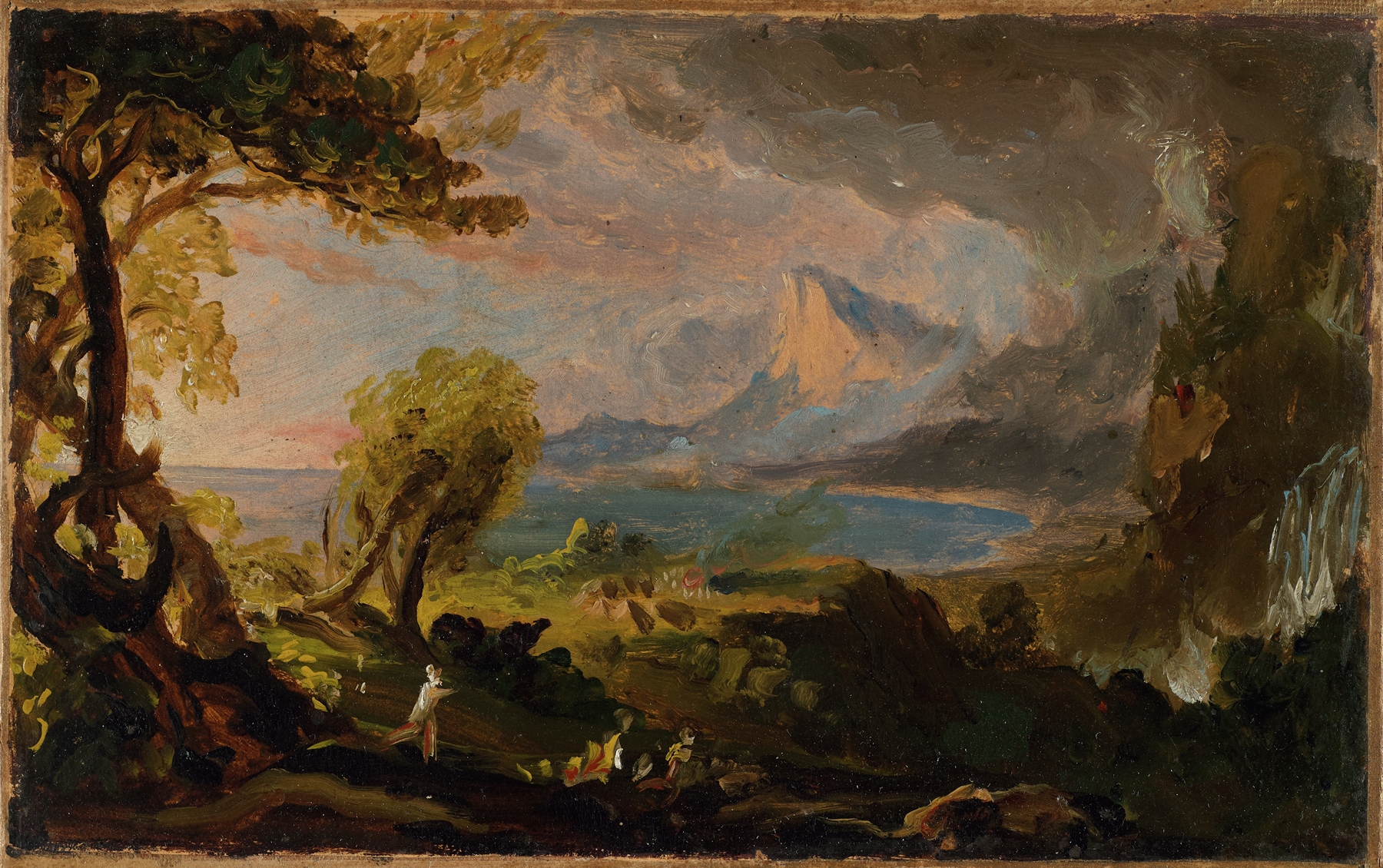
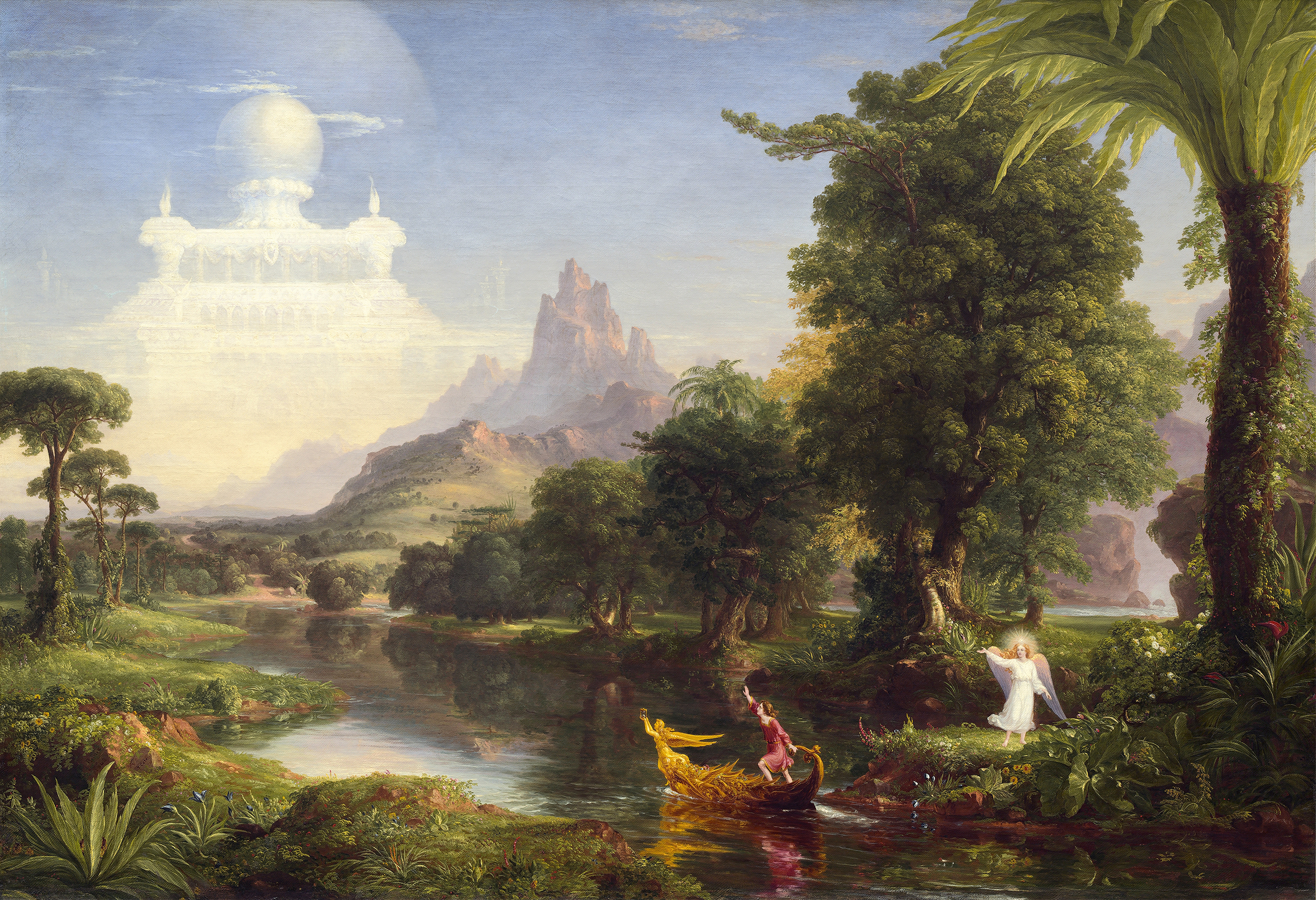
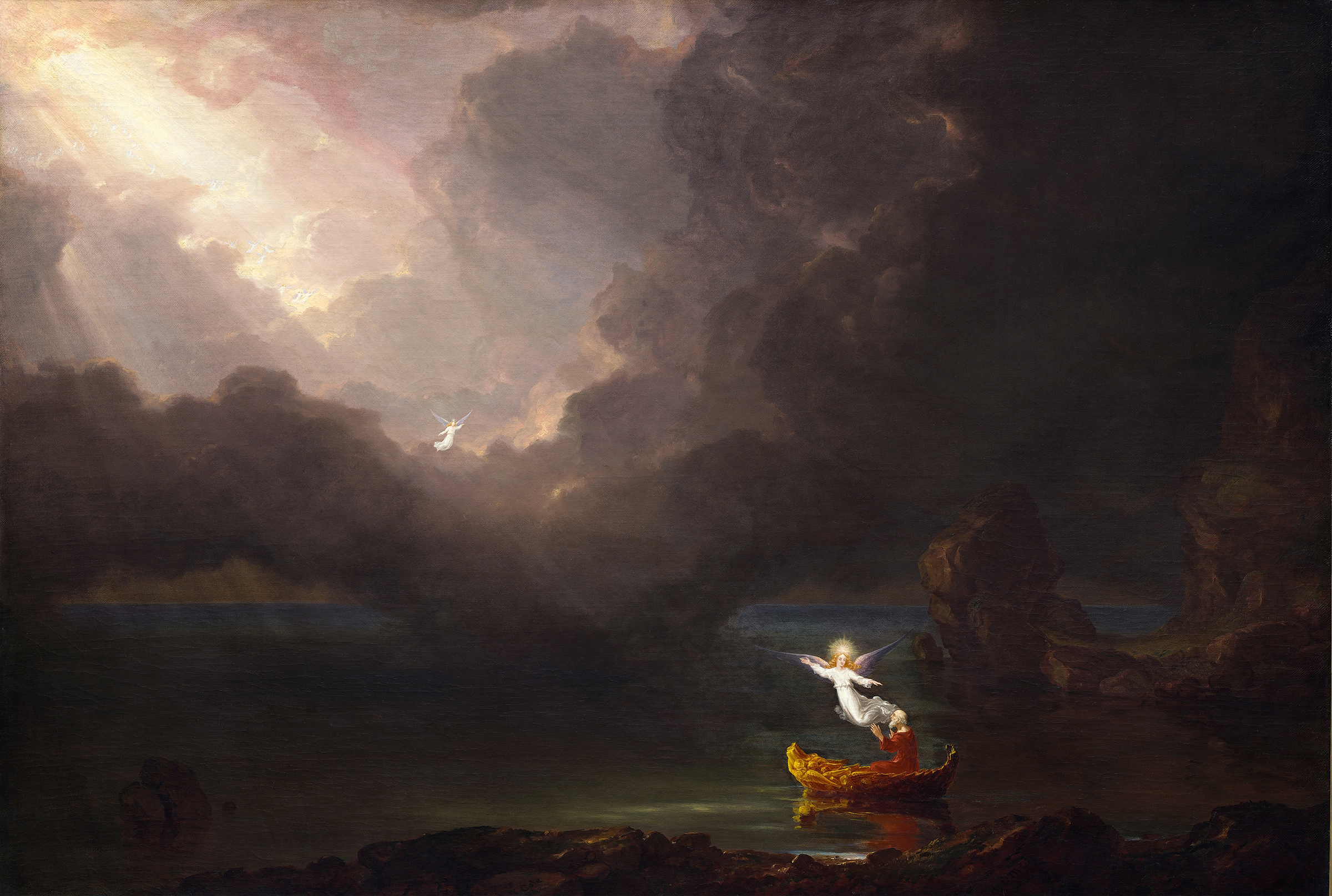
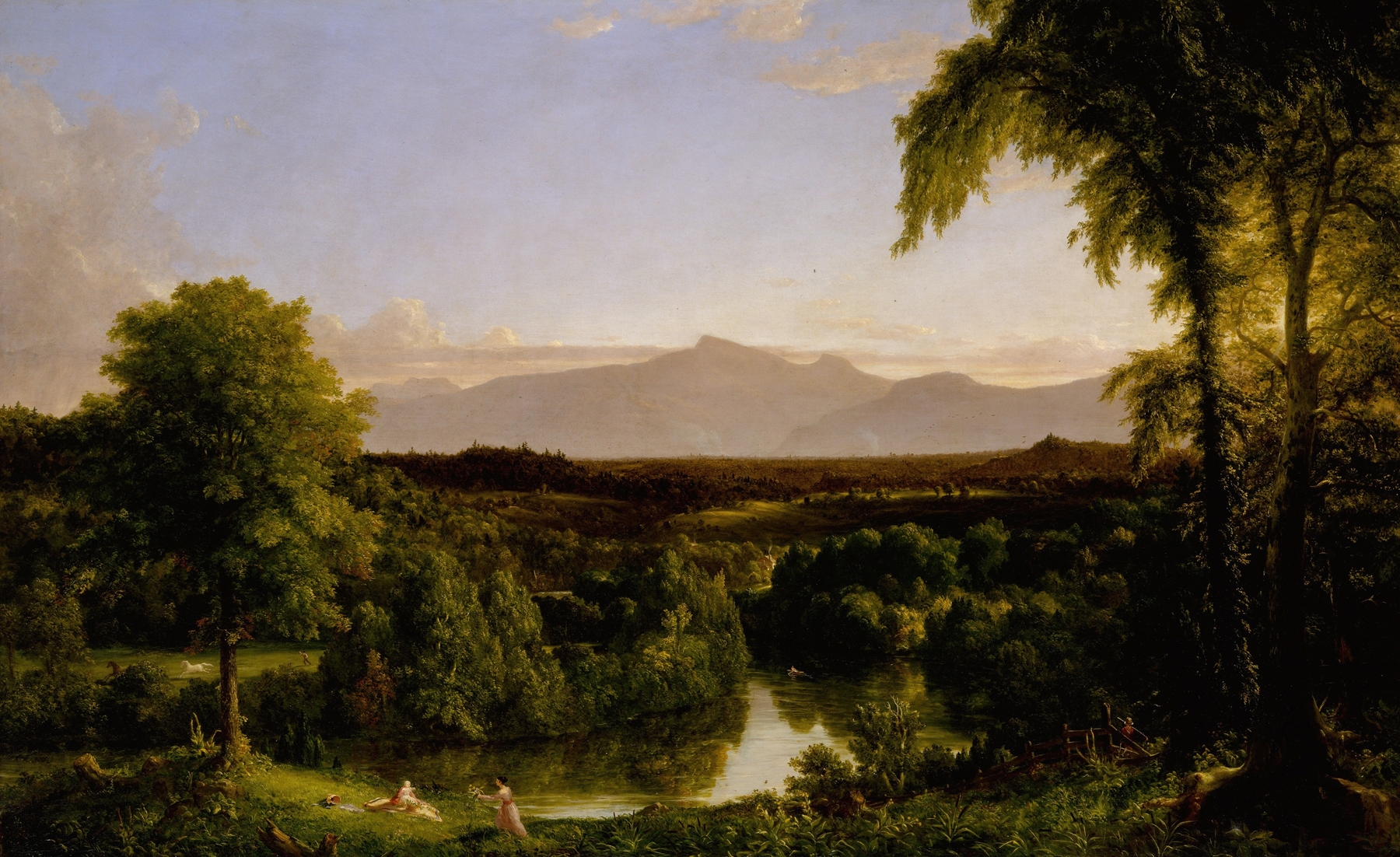
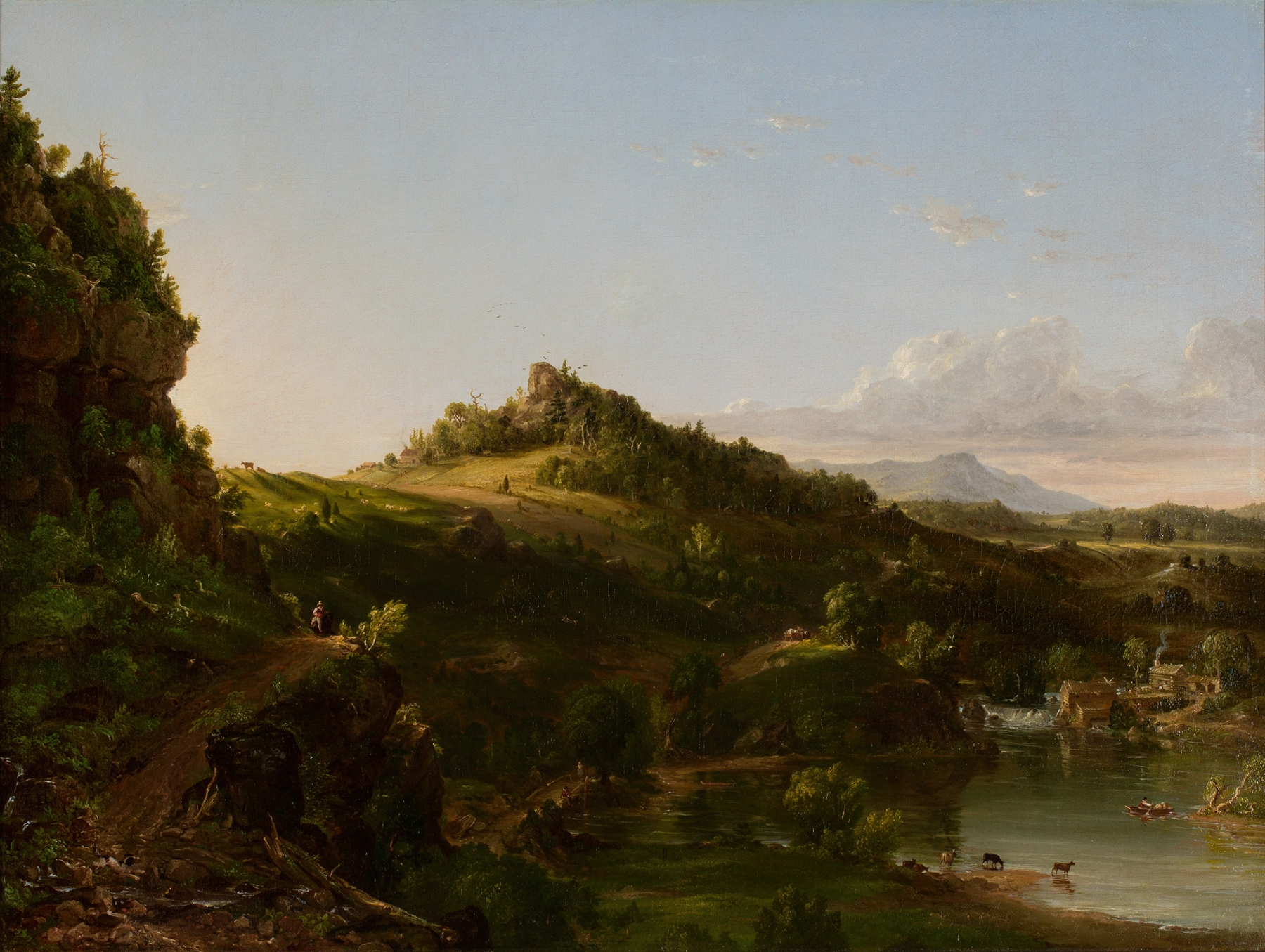
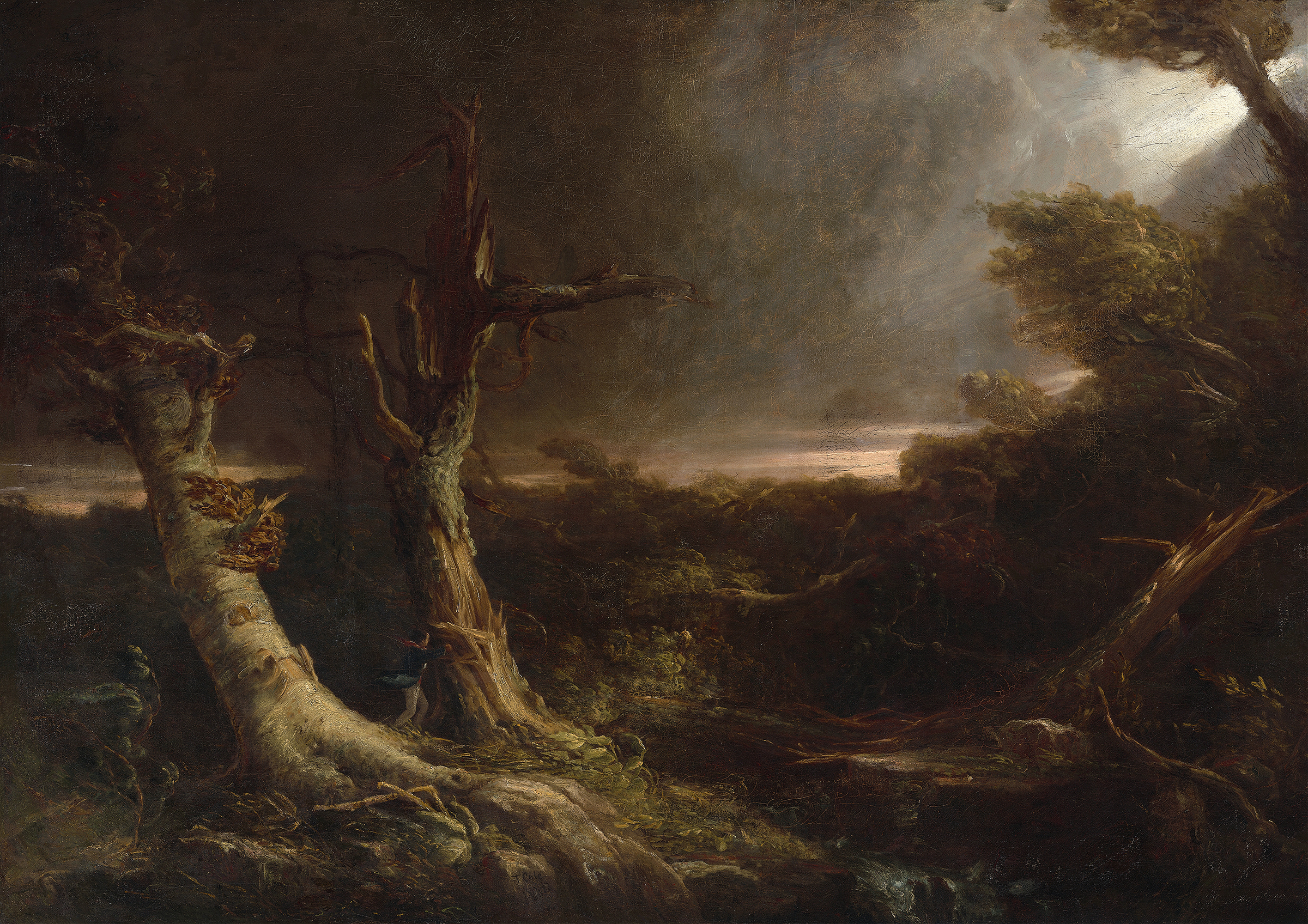
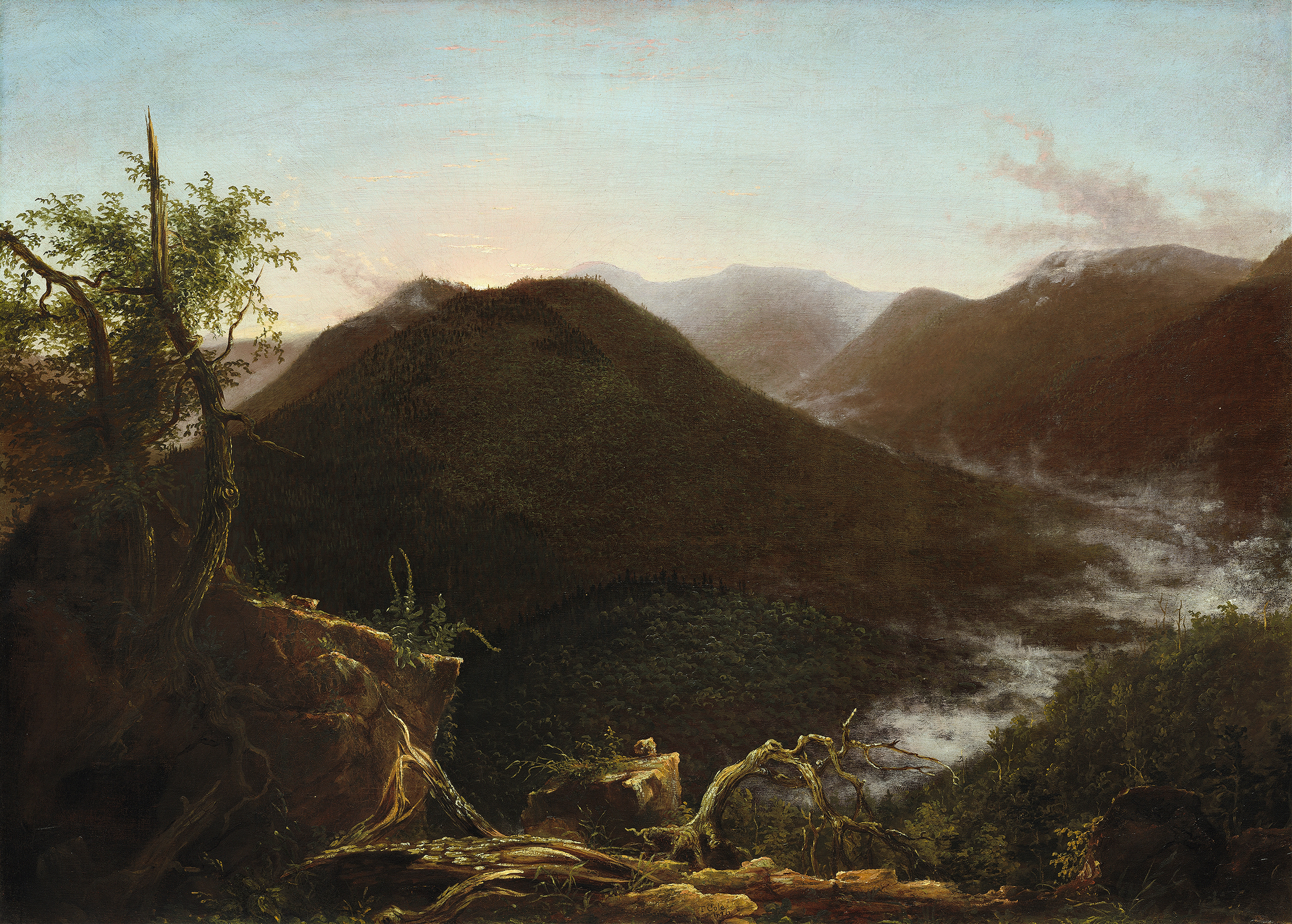
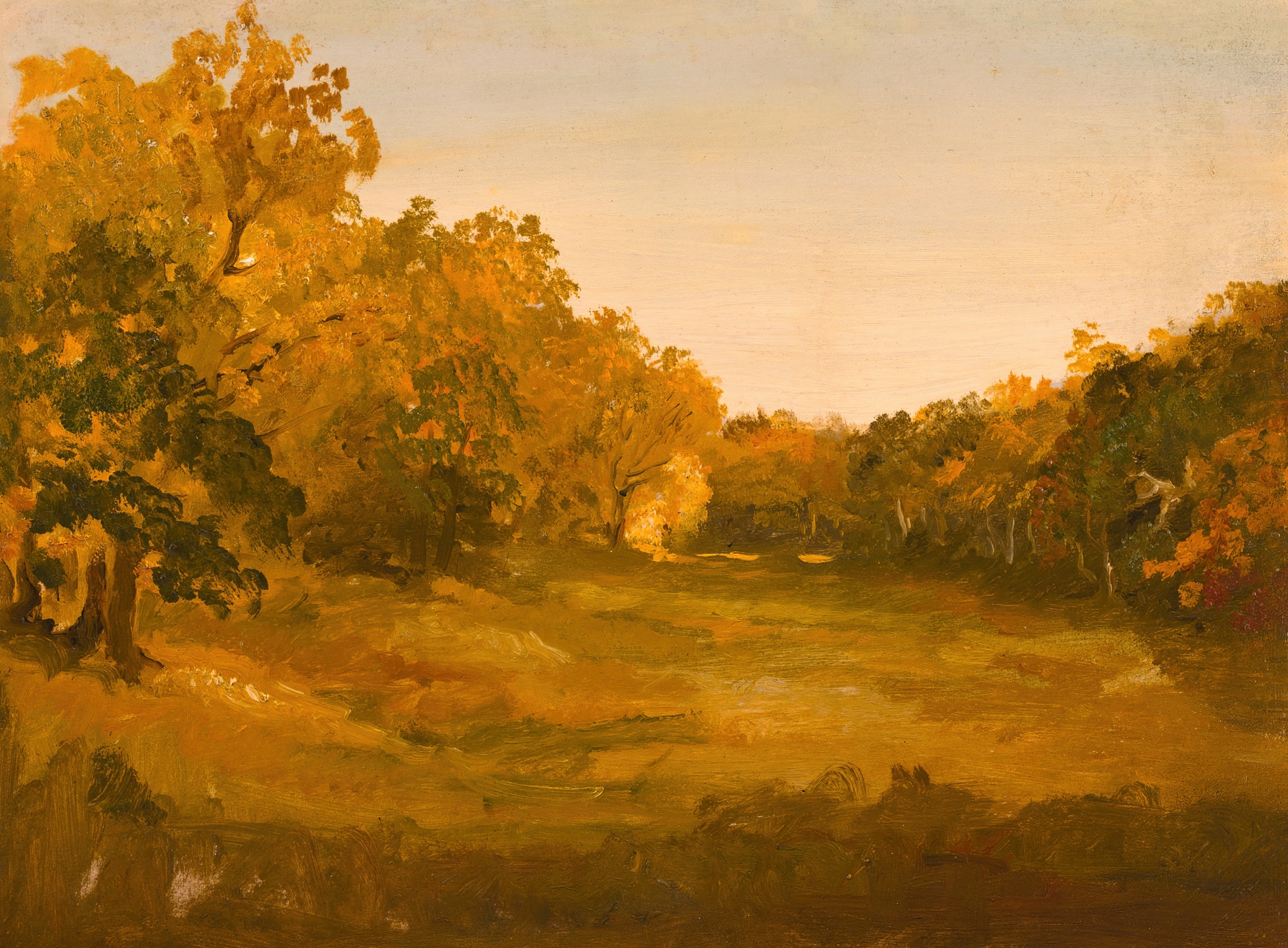
“To paint is to remember what time wants us to forget.” In the stillness of an untouched landscape, silence reigns supreme, inviting contemplation and reflection. Look to the center of the canvas, where a harmonious blend of greens and muted browns captures the essence of nature's tranquility. The sweeping hills rise gently, their contours soft under the gentle caress of the light, while a distant horizon lingers under a pale blue sky. Notice how the brushstrokes vary, ranging from delicate to bold, inviting the eye to wander from the foreground, dotted with wildflowers, to the expansive vista beyond.
The composition evokes a sense of balance, as if nature itself breathes through every hue and shadow. Delve deeper, and you'll find contrasts that reveal emotional tensions—a juxtaposition of wild, untamed nature against a serene backdrop, hinting at the duality of existence. The muted palette suggests nostalgia, as if the land remembers forgotten stories, while the contrast between light and shadow evokes the passage of time, whispering secrets only the trees might know. Each element in Landscape seems to resonate with unspoken thoughts, urging viewers to pause and listen to what lies beneath the surface.
In the early 1840s, during a period of burgeoning American nationalism and the romantic idealization of nature, Thomas Cole painted this work while living in the Hudson River Valley. As a key figure in the American landscape movement, he sought to elevate the appreciation of the natural world, reflecting the philosophical ideals of transcendentalism that were gaining momentum at the time. This painting is not just a visual feast; it is a meditative moment in the evolution of American art and thought.