A View on a High Road — History & Analysis
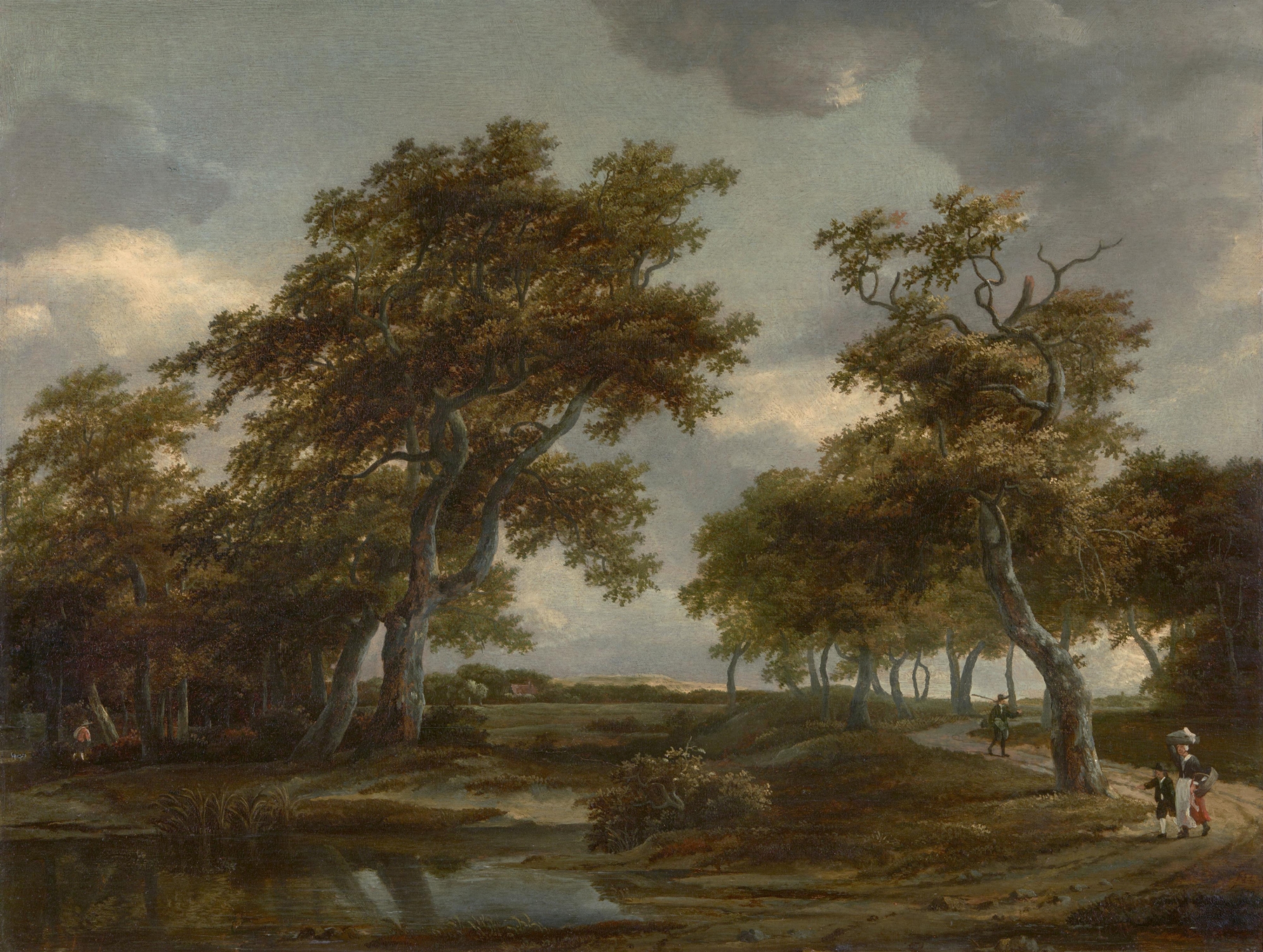
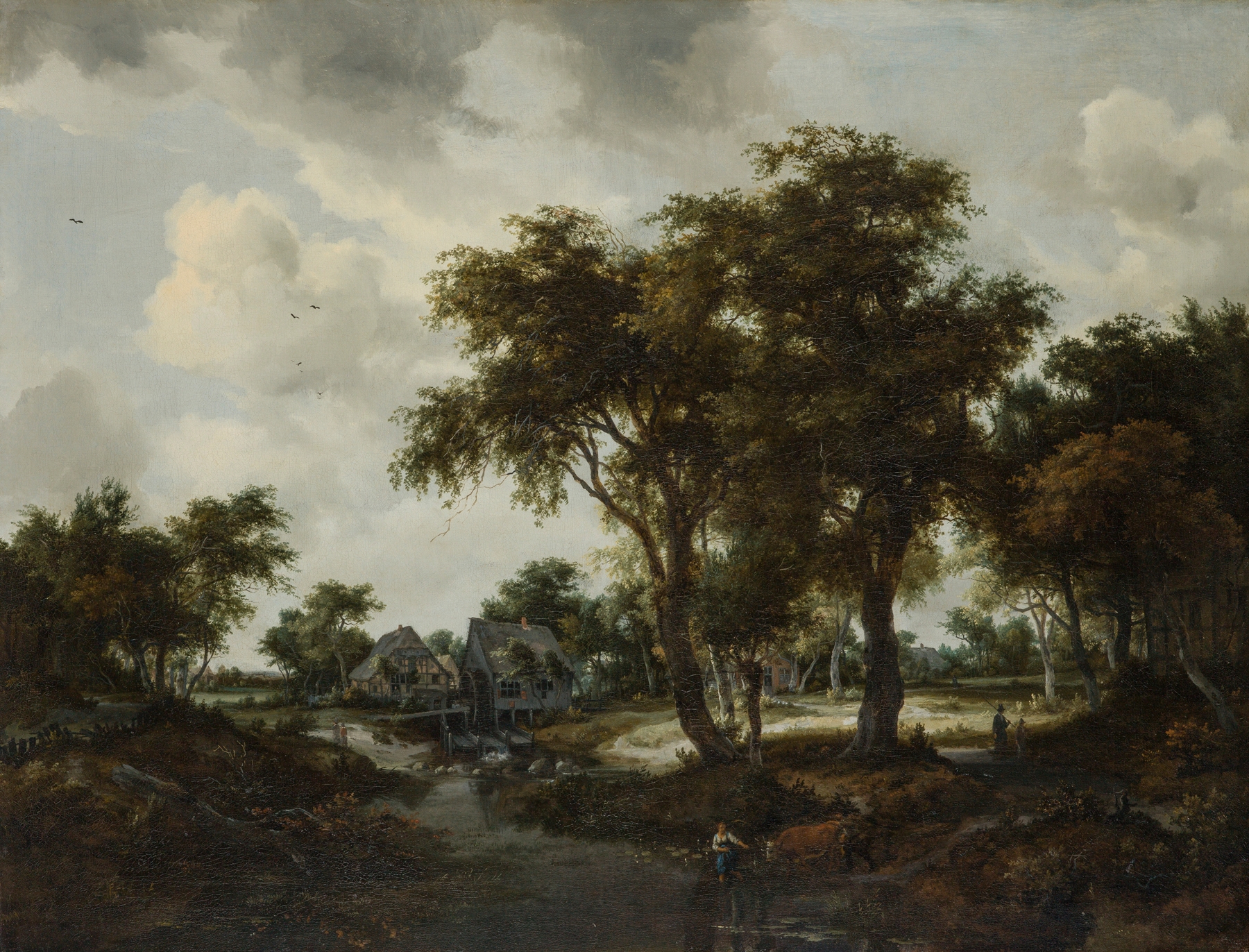
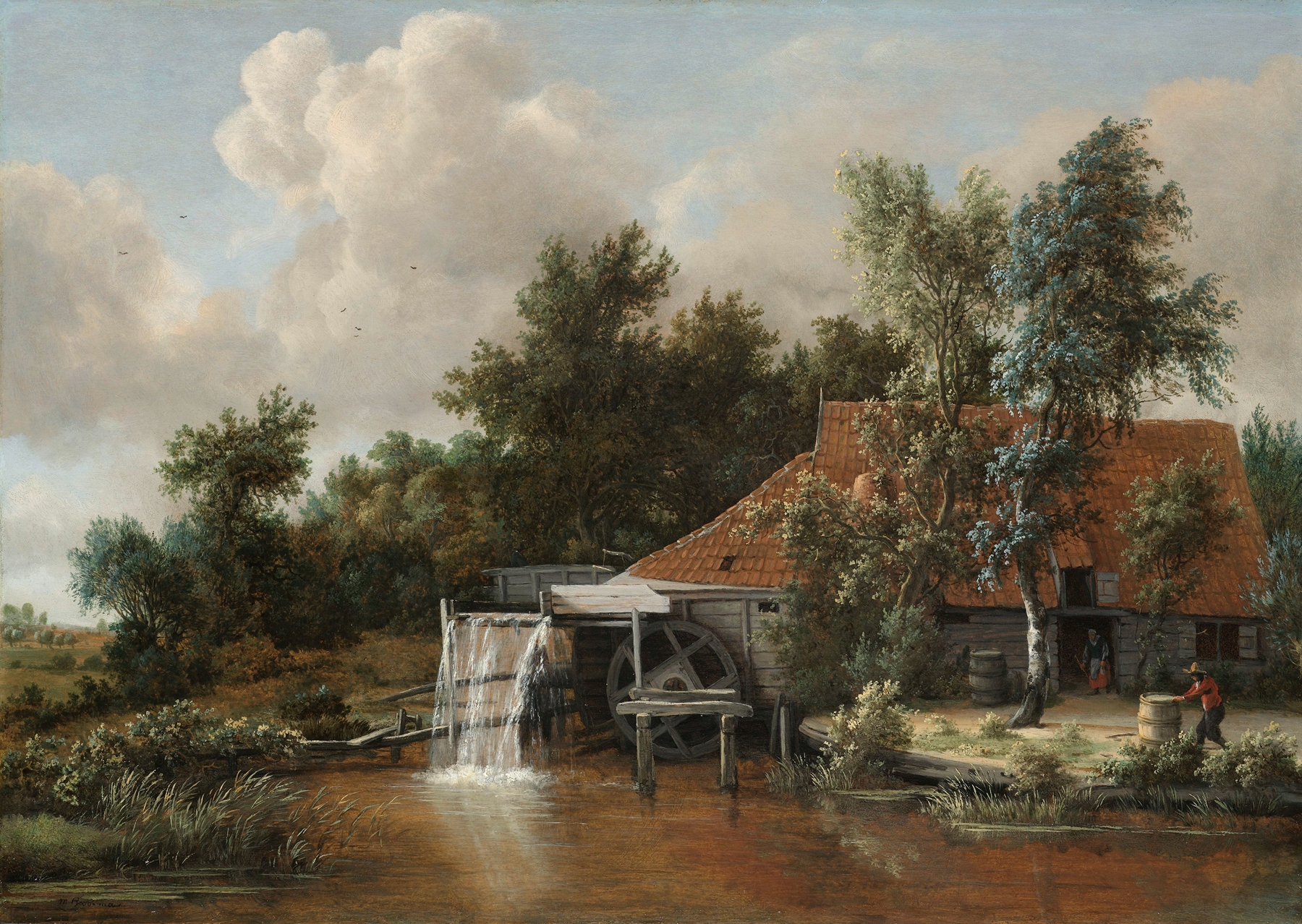
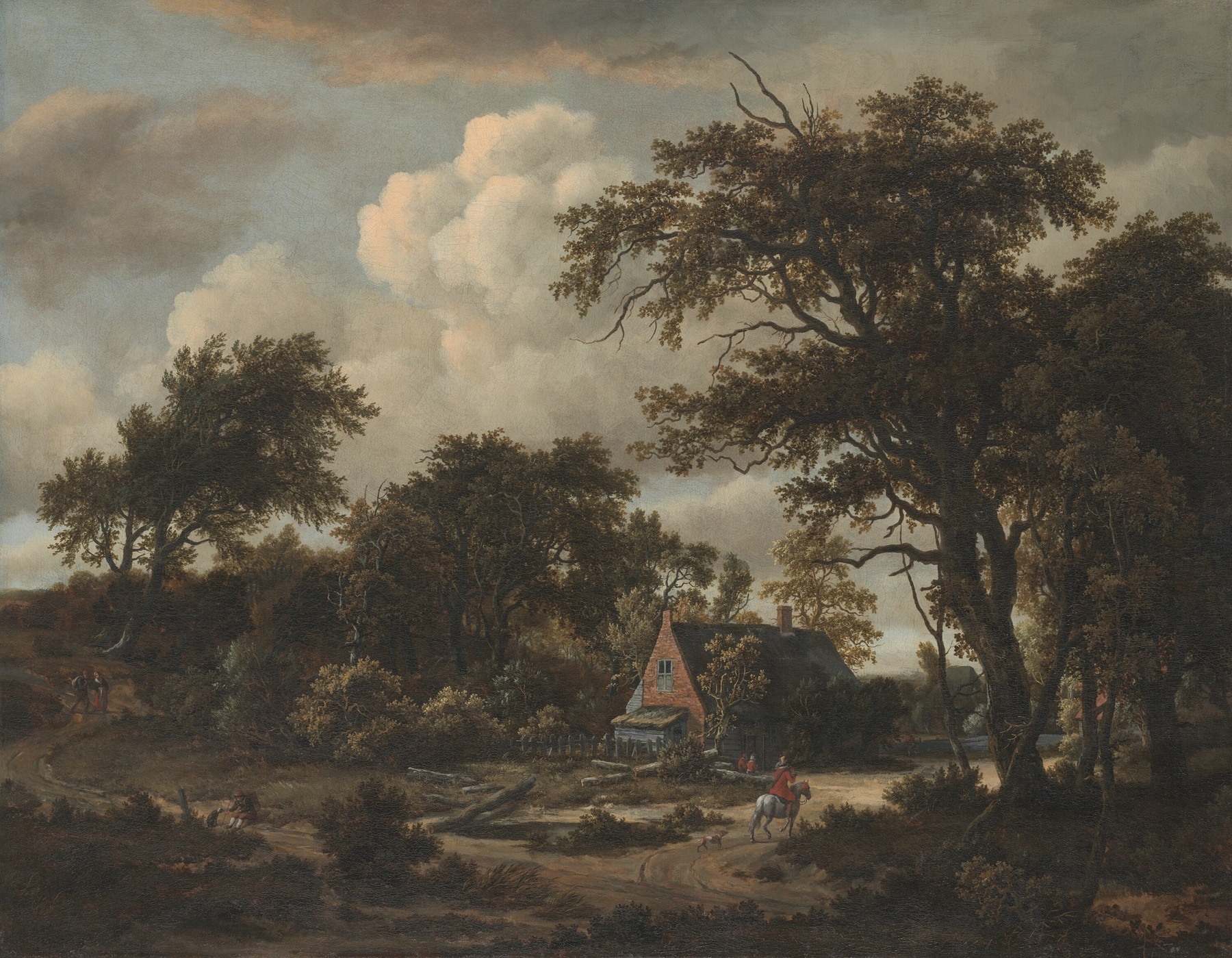
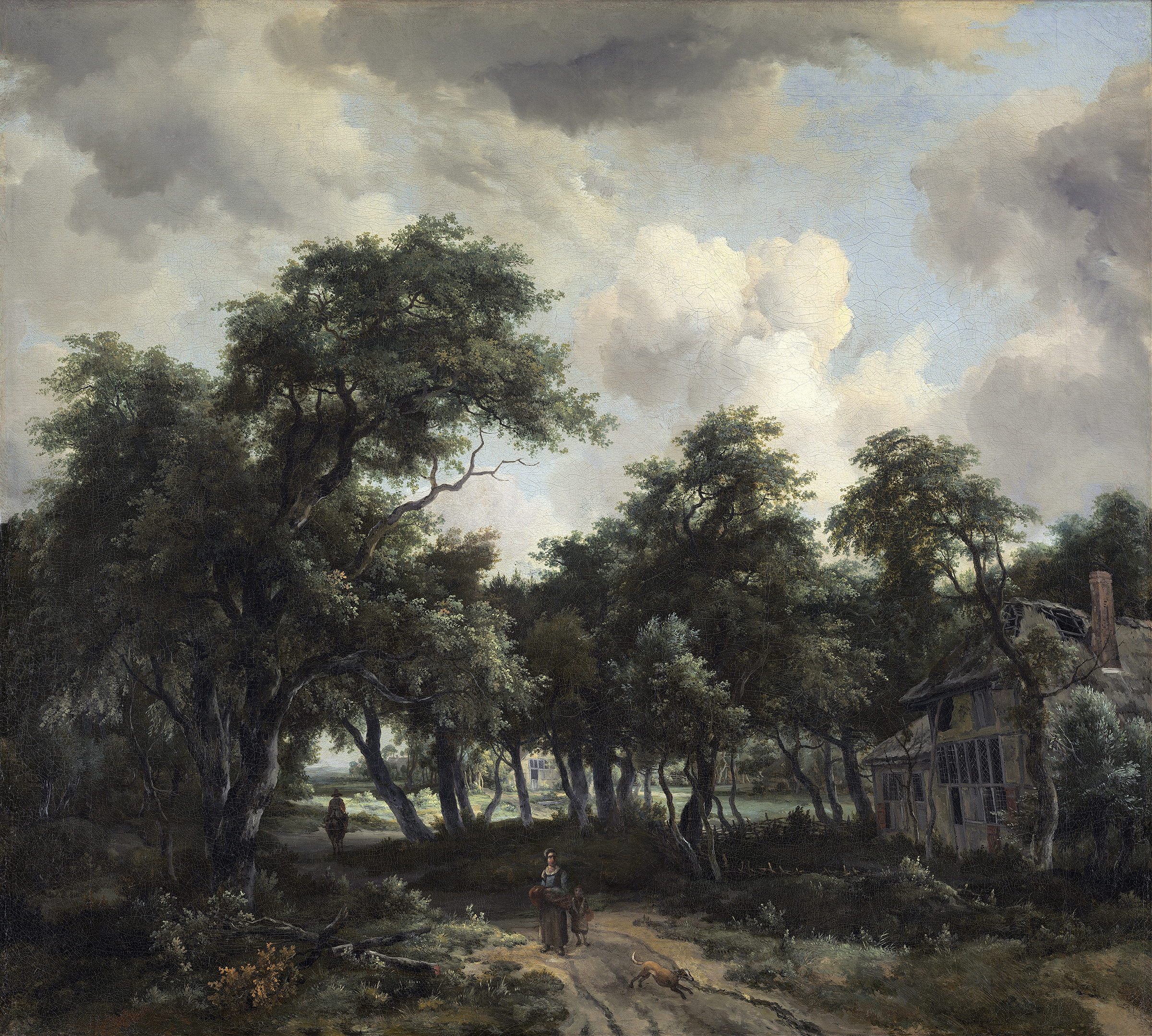
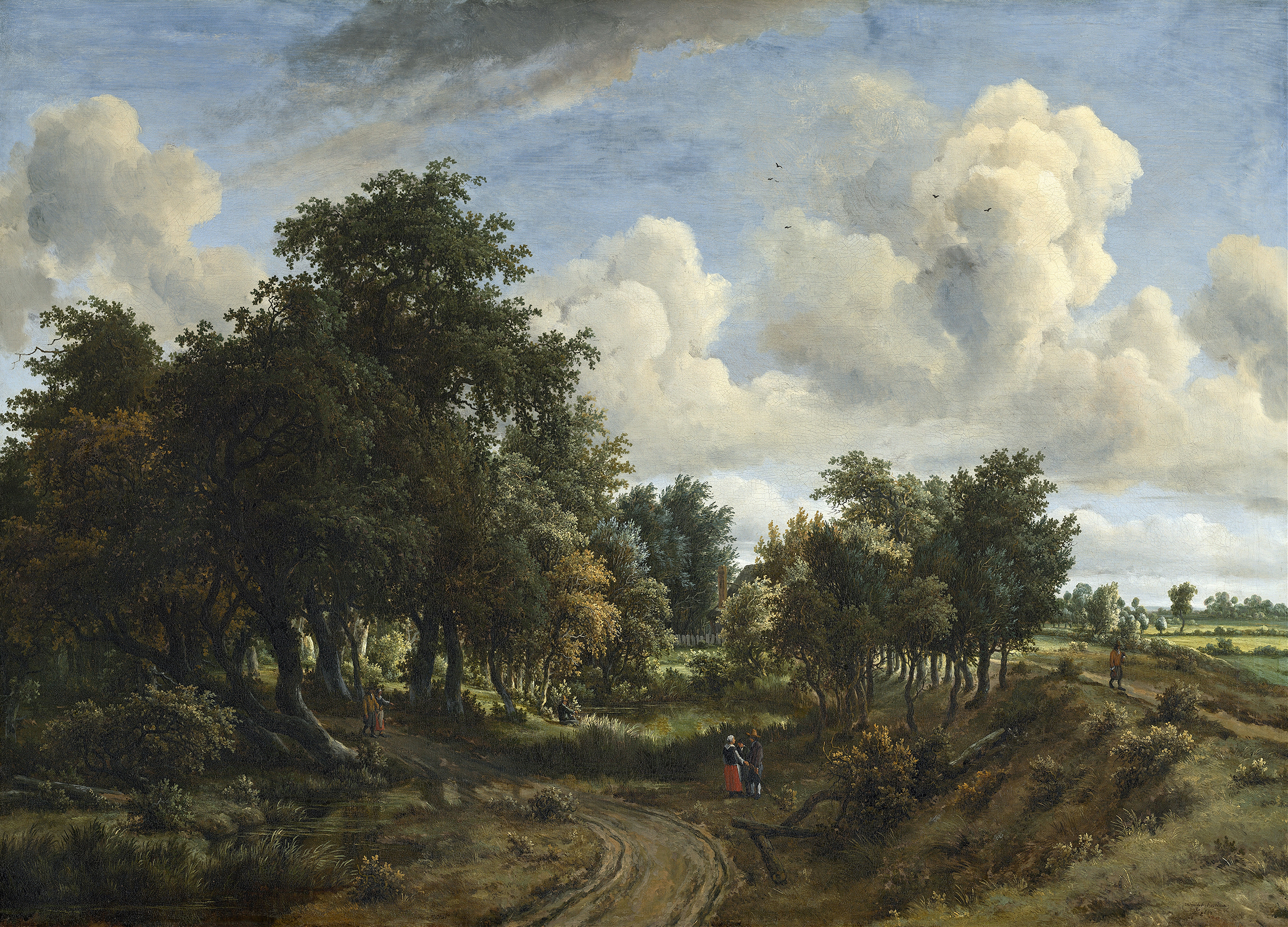
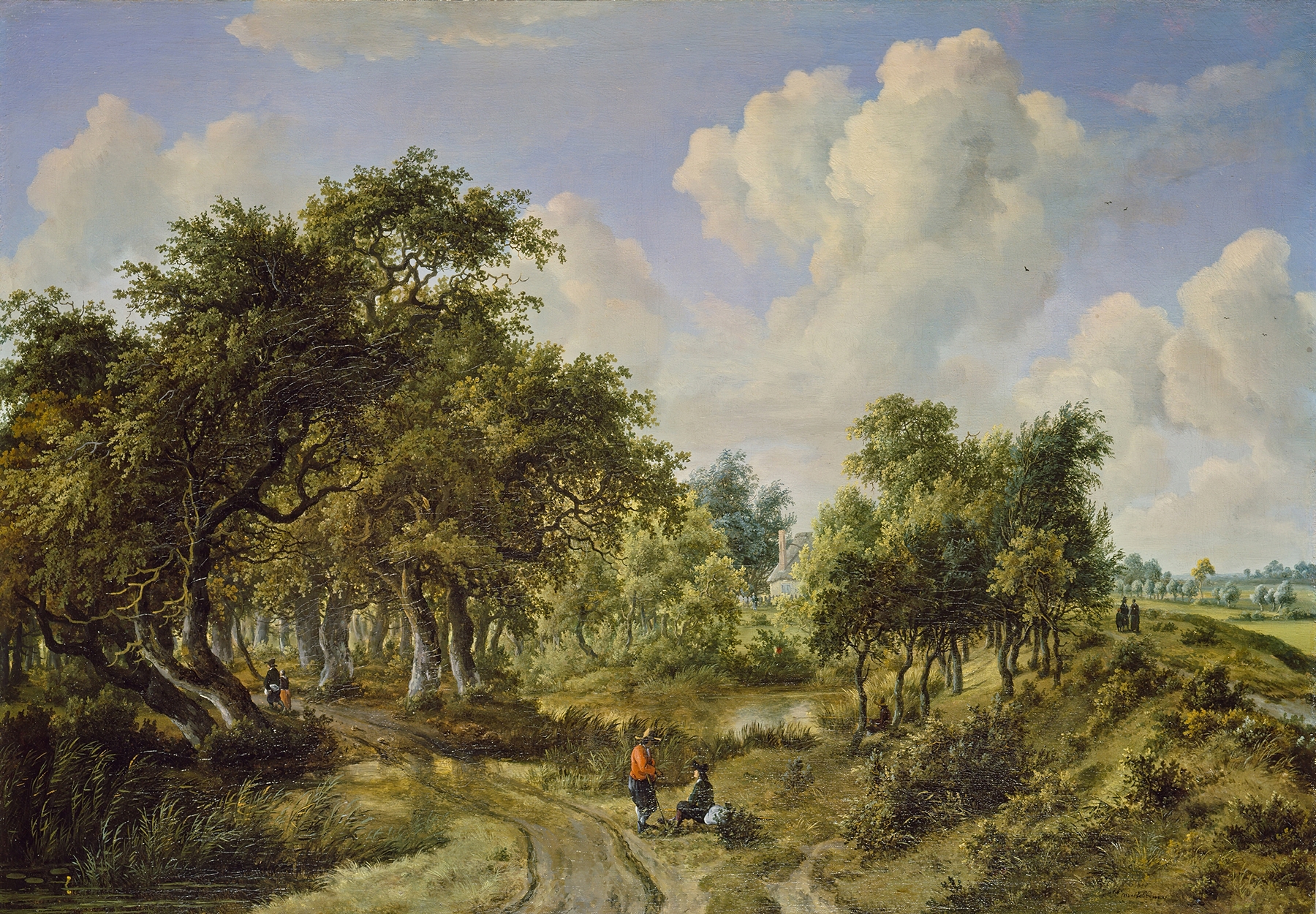
“The canvas doesn’t lie — it simply waits.” In the quiet embrace of nature, truths unfold with an honesty that speaks to the soul. Meindert Hobbema’s work invites the viewer to linger, to seek clarity amidst the complexity of life’s journey. Look to the left at the winding road, gently leading the eye toward a distant horizon. The play of light on the textured foliage reveals Hobbema's masterful technique, with vibrant greens and soft earth tones harmonizing to create depth.
Notice how the trees frame the scene, their sturdy trunks contrasting with the delicate branches that dance in the breeze, drawing you deeper into the landscape. There exists a tension between the serenity of nature and the human presence subtly suggested by the path ahead. The high road symbolizes choices and journeys, while the dappled sunlight hints at both the beauty and unpredictability of life. Each brushstroke carries a story, reflecting hopes intertwined with uncertainty, reminding us that every moment is a step toward understanding.
Painted in 1665, this work emerged during a period of artistic flourishing in the Dutch Golden Age, when artists like Hobbema were exploring the relationship between nature and human experience. Working in Amsterdam, he was surrounded by advancements in landscape painting and a growing appreciation for realism. This piece encapsulates both his skill and the era’s fascination with depicting the natural world, inviting viewers to reflect on their own paths within its tranquil beauty.