A Wet Road, Knostrop, Yorkshire — History & Analysis
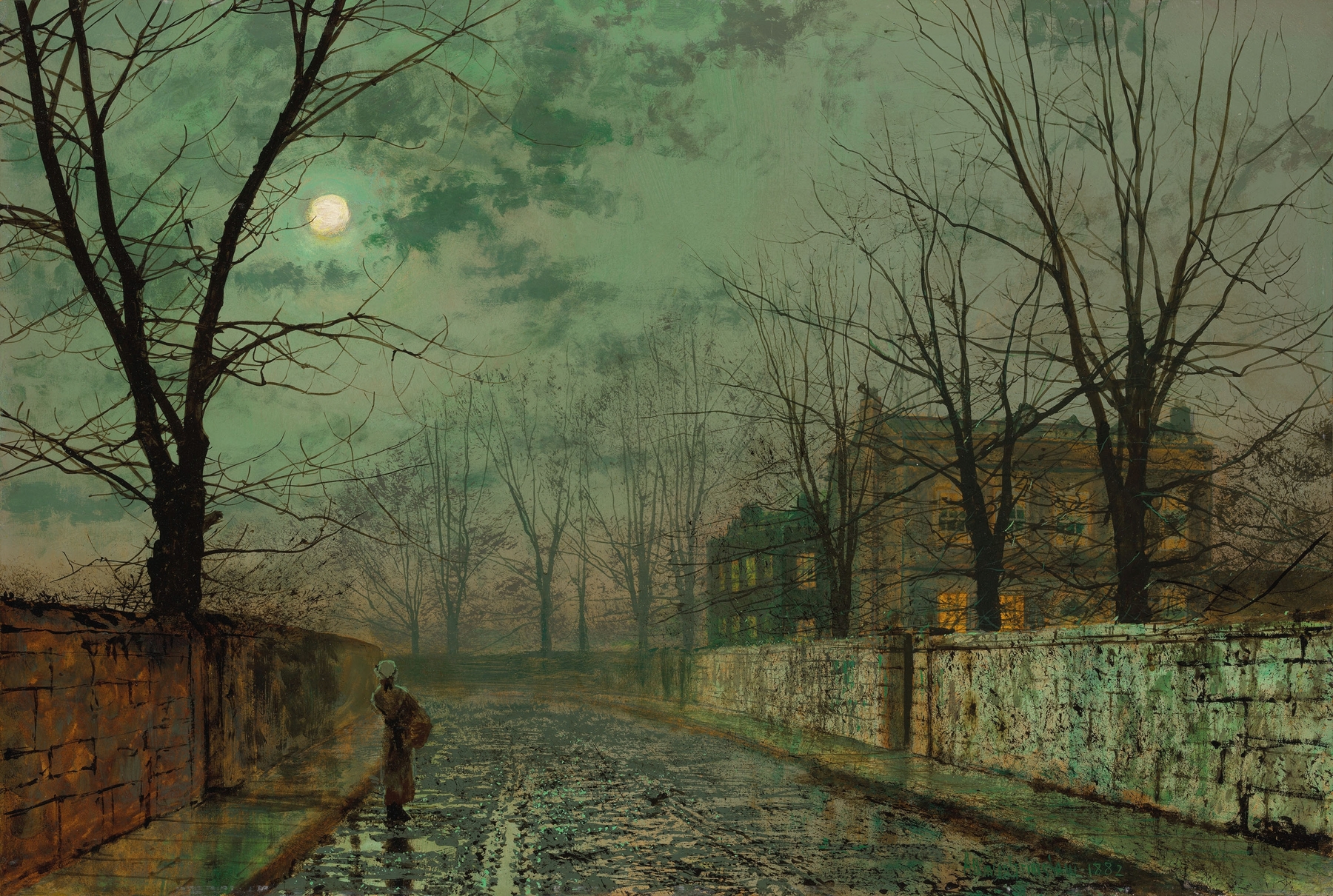
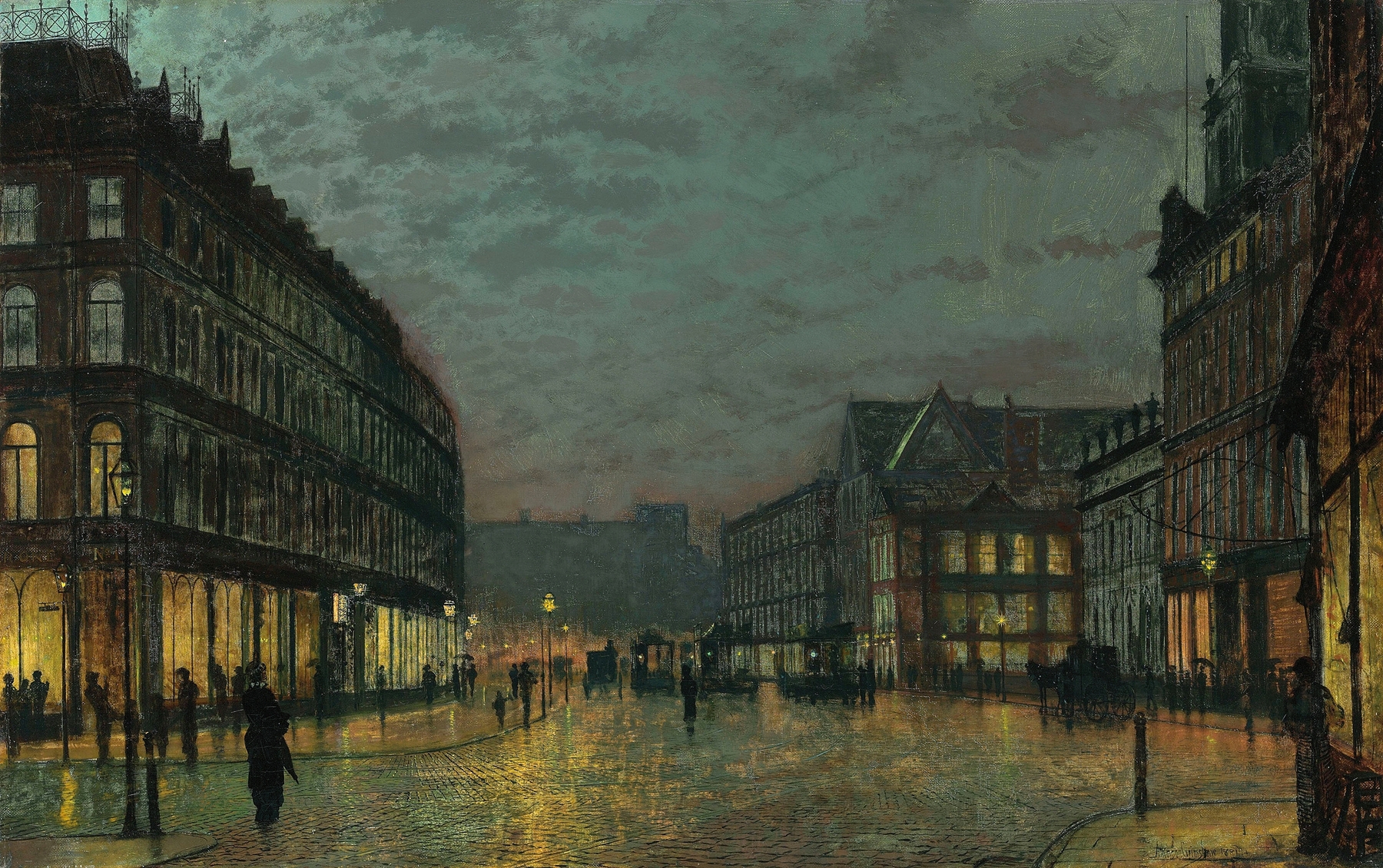
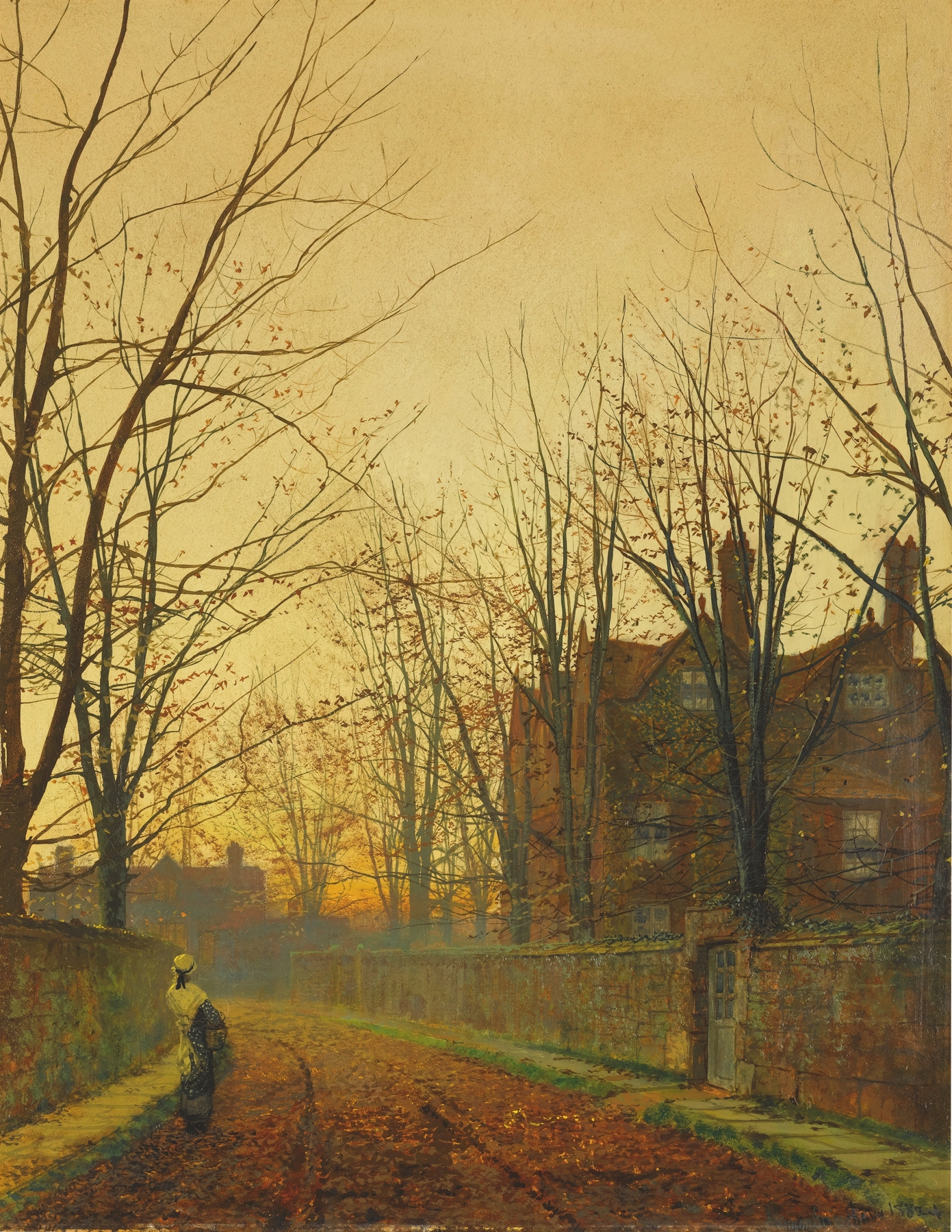
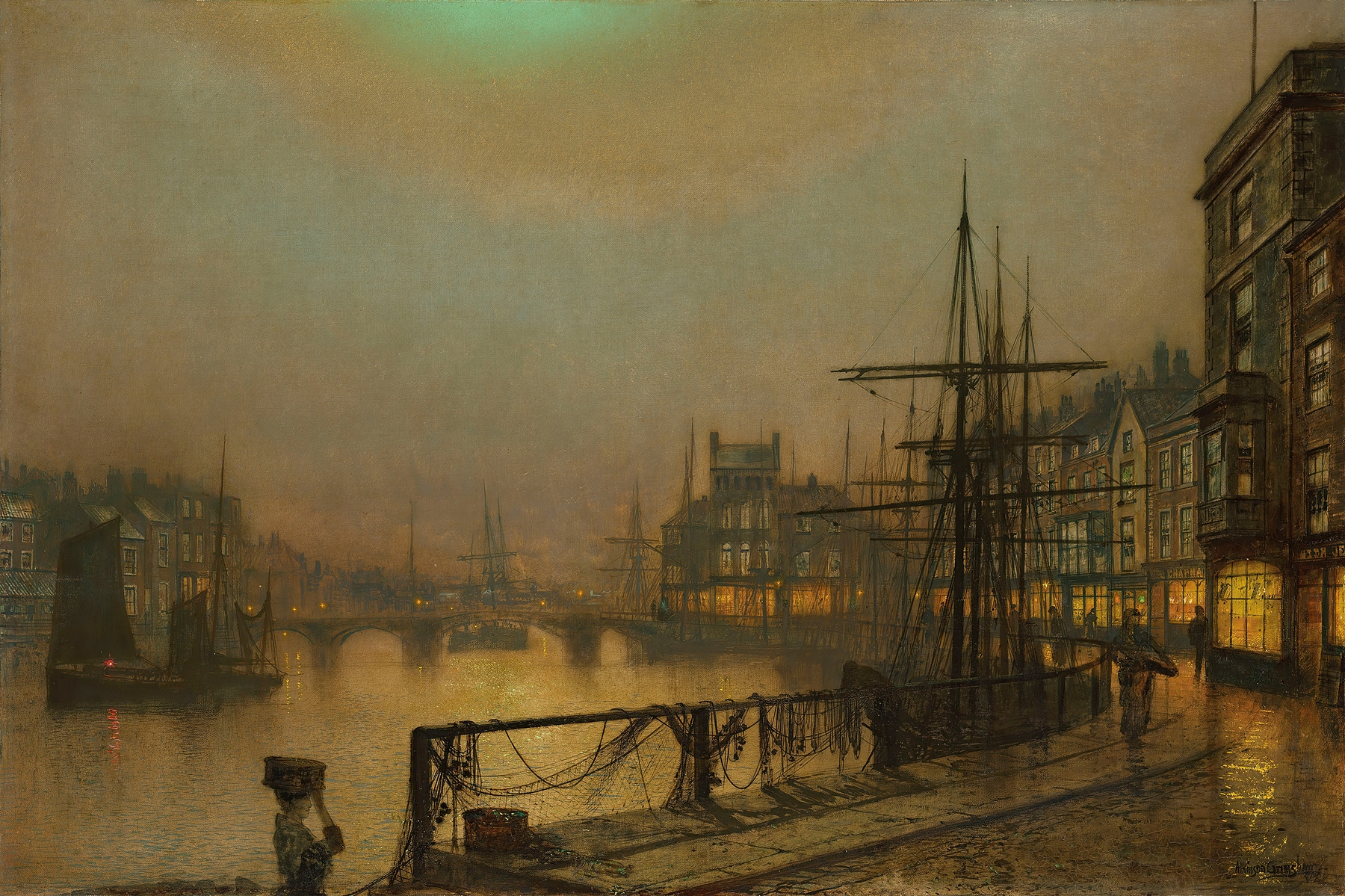
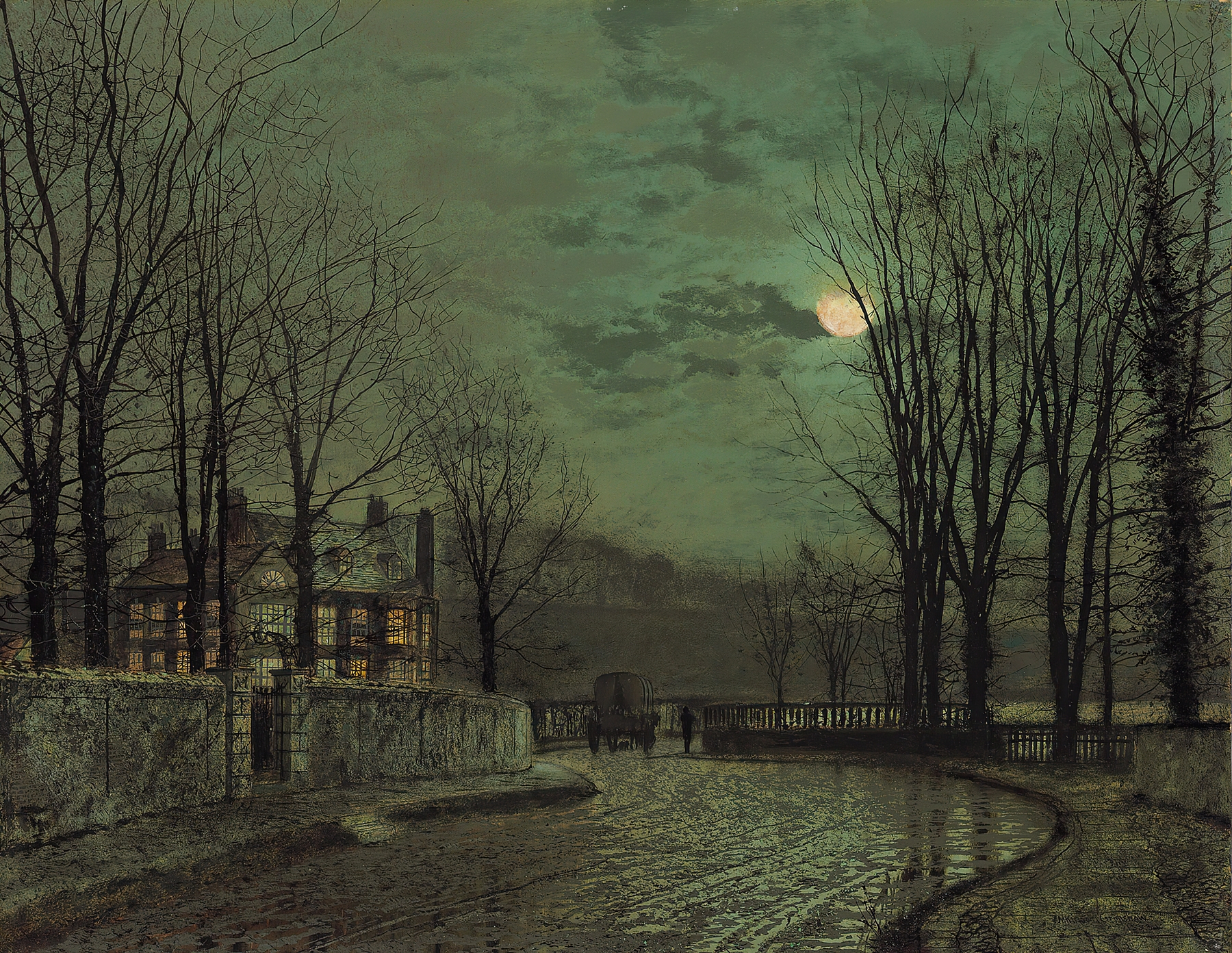
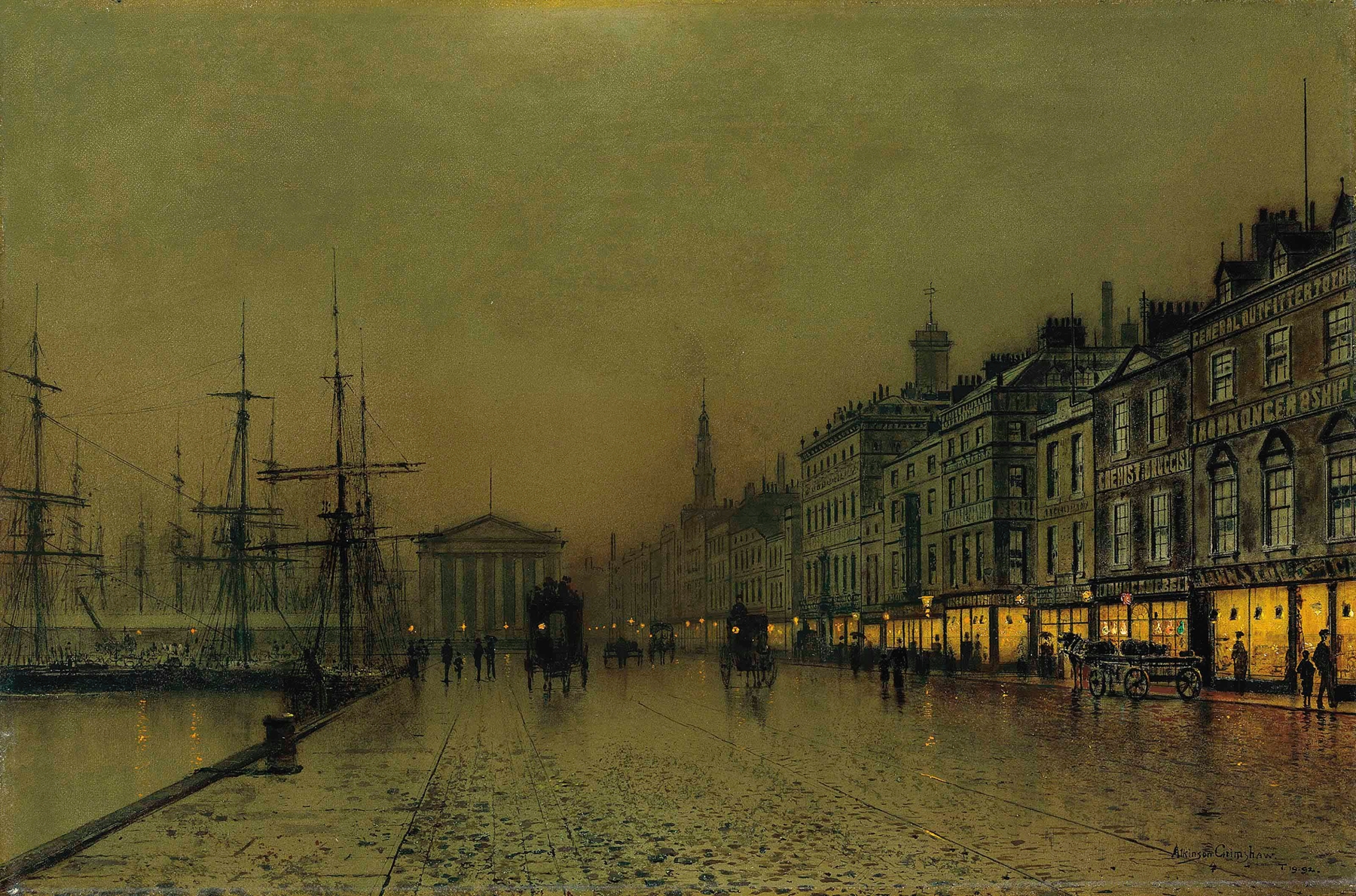
When did color learn to lie? In A Wet Road, Knostrop, Yorkshire, the world unfurls as a damp, shimmering deception, where each hue seems to whisper a secret. The painting invites us to explore the void between reality and illusion, urging us to question what we see. Look to the foreground, where a glistening, rain-slicked road stretches invitingly. The wet surface reflects the soft glow of street lamps, their light spilling like liquid gold onto the cobblestones.
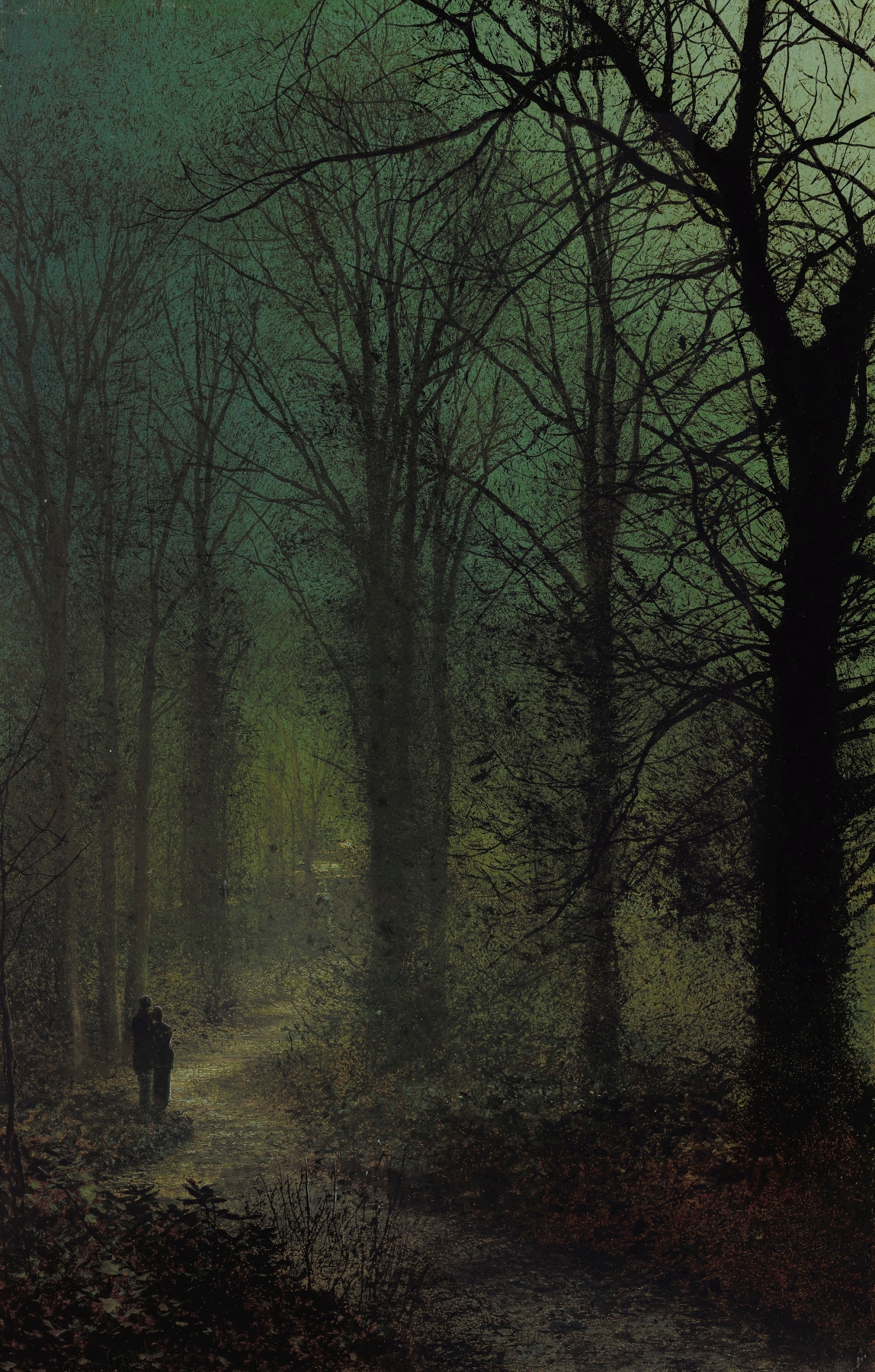
Notice how the artist skillfully employs a palette of cool blues and muted grays, contrasting with the warm yellows of the lanterns, creating an enchanting interplay between warmth and chill. This delicate balance enhances the mood of tranquility yet evokes an underlying tension, drawing the viewer in with its haunting beauty. The figures wandering along the road become mere silhouettes against the luminous backdrop, emphasizing a profound sense of solitude amidst the bustling life of an evening in Yorkshire. Grimshaw’s meticulous brushwork captures the essence of the void; it invites introspection on the fleeting nature of existence.
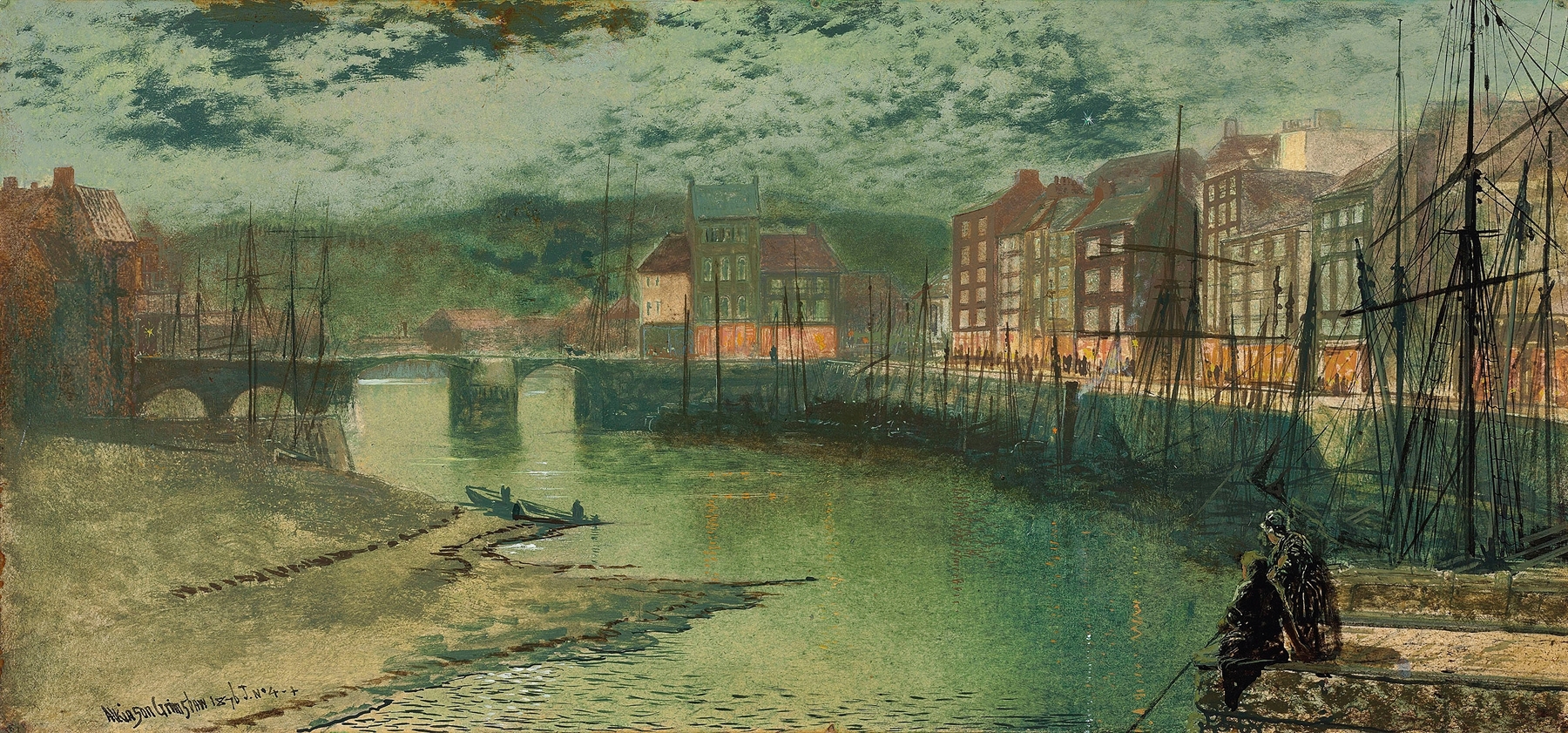
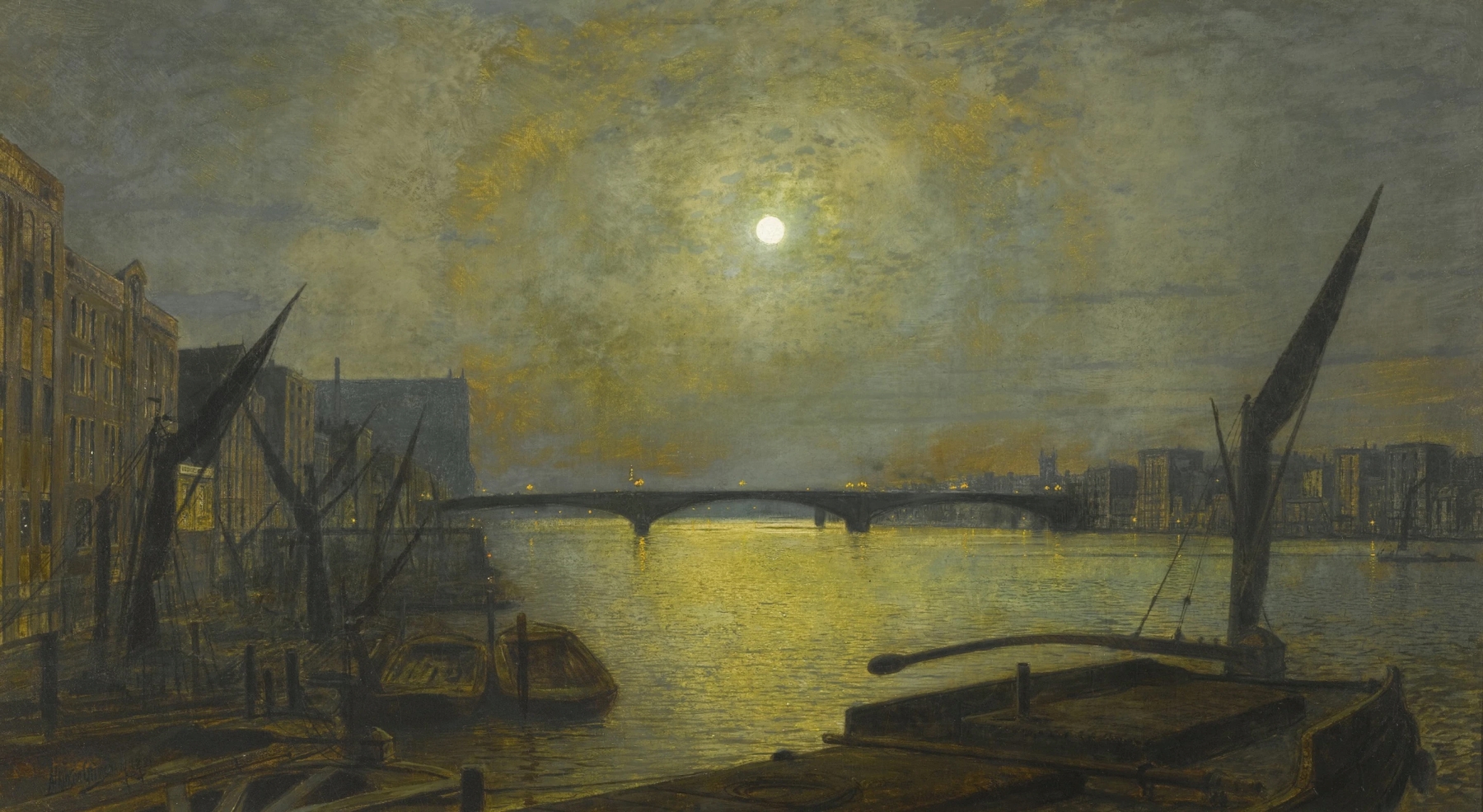
The scene is both inviting and melancholic, as the wetness of the road symbolizes not just the physical environment but the emotional landscape of the solitary souls traversing this illuminated path. In 1886, John Atkinson Grimshaw was settled in Leeds, England, producing works that celebrated nocturnal scenes infused with ethereal light. During this period, the artist found himself at the height of his career, amidst an art movement enamored with realism and the atmospheric effects of light. His innovative approach to capturing the essence of urban life at night was both celebrated and influential, establishing him as a prominent figure in the Victorian art scene.