Aardappelrooister — History & Analysis
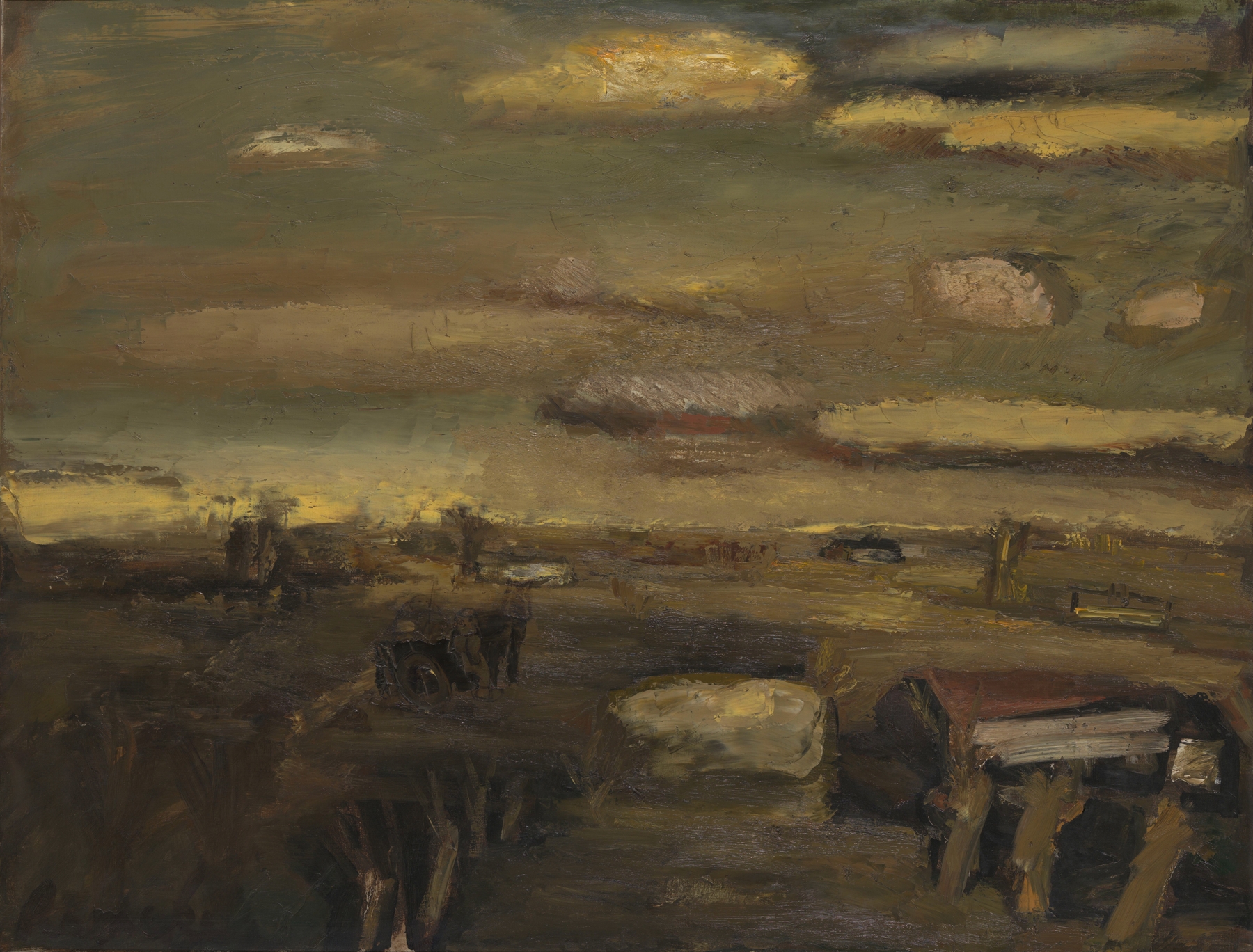
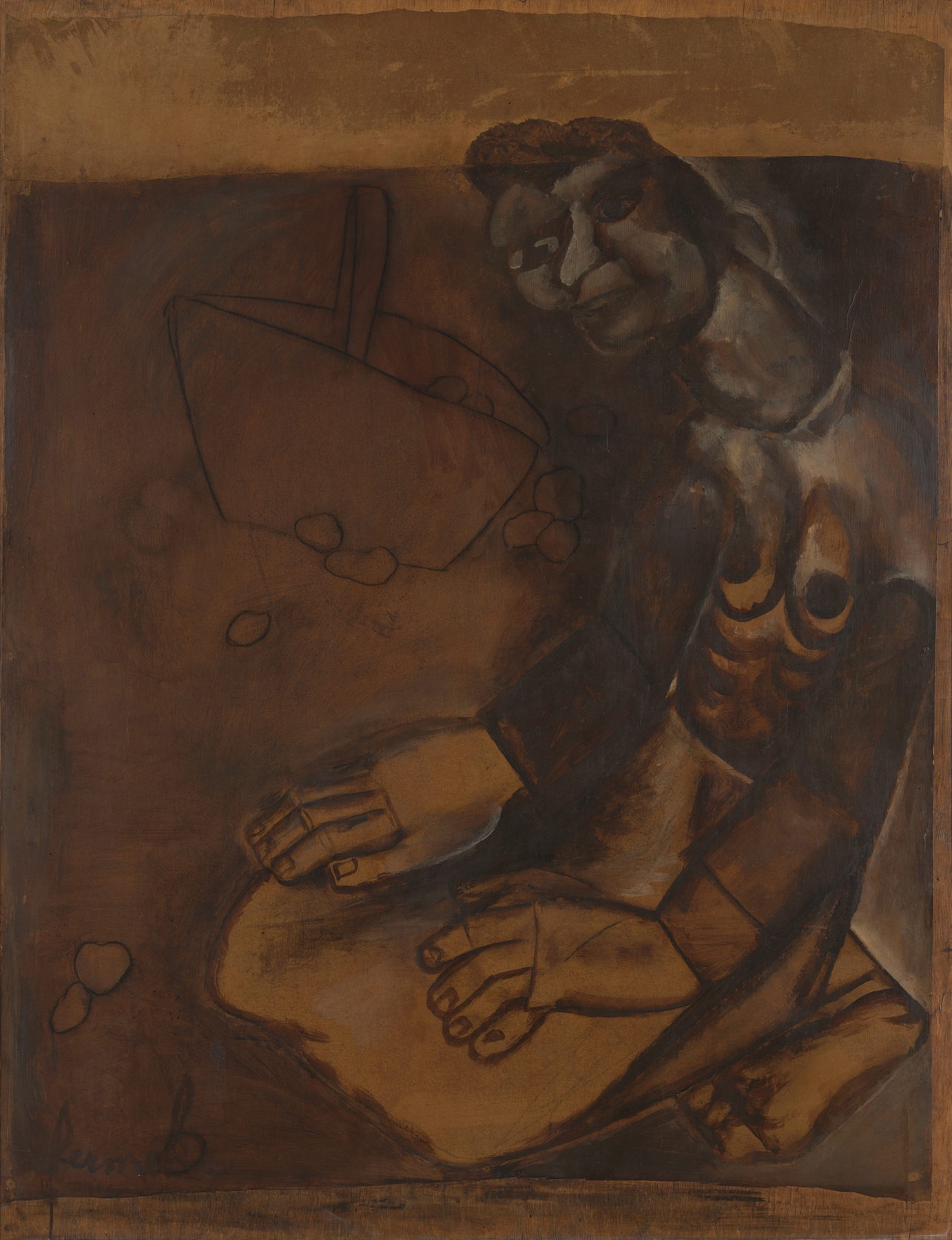
“Every silence here is a confession.” In the hushed presence of Aardappelrooister, the weight of labor and the quiet dignity of existence merge, transcending time and place. It invites introspection, encouraging a deeper exploration of the human experience intertwined with nature's cycles. Look closely at the sturdy figure at the center, a farmer bent over in dedication. Notice how the rich, earthy tones envelop him, as shades of browns and greens dominate the palette, suggesting not just the soil he tends but the very essence of life itself.
The light softly illuminates his back and casts elongated shadows, creating a sense of depth that draws the viewer’s eye towards the intertwined roots in the foreground, symbolizing both the toil of agriculture and the interconnectedness of human and earthly endeavors. The tension between labor and the serenity of the land emerges through the farmer’s position—a posture that speaks of exhaustion yet hints at pride. The juxtaposition of hard work and the stillness of the surrounding landscape evokes a profound sense of transcendence, inviting viewers to reflect on their own relationship with nature. The composition, balanced yet dynamic, encapsulates the harmony between man and the earth, as the act of harvesting becomes a meditative ritual rather than mere toil.
In 1929, while residing in Belgium, Constant Permeke painted Aardappelrooister during a period of artistic evolution. The post-World War I landscape shaped his focus on rural life, infusing his work with a sense of rawness and authenticity that captured the struggles of the working class. At that time, the art world was shifting towards modernism, yet Permeke remained deeply connected to the traditional subjects, presenting them through a lens of emotional depth and a search for meaning amidst simplicity.