Landschap — History & Analysis
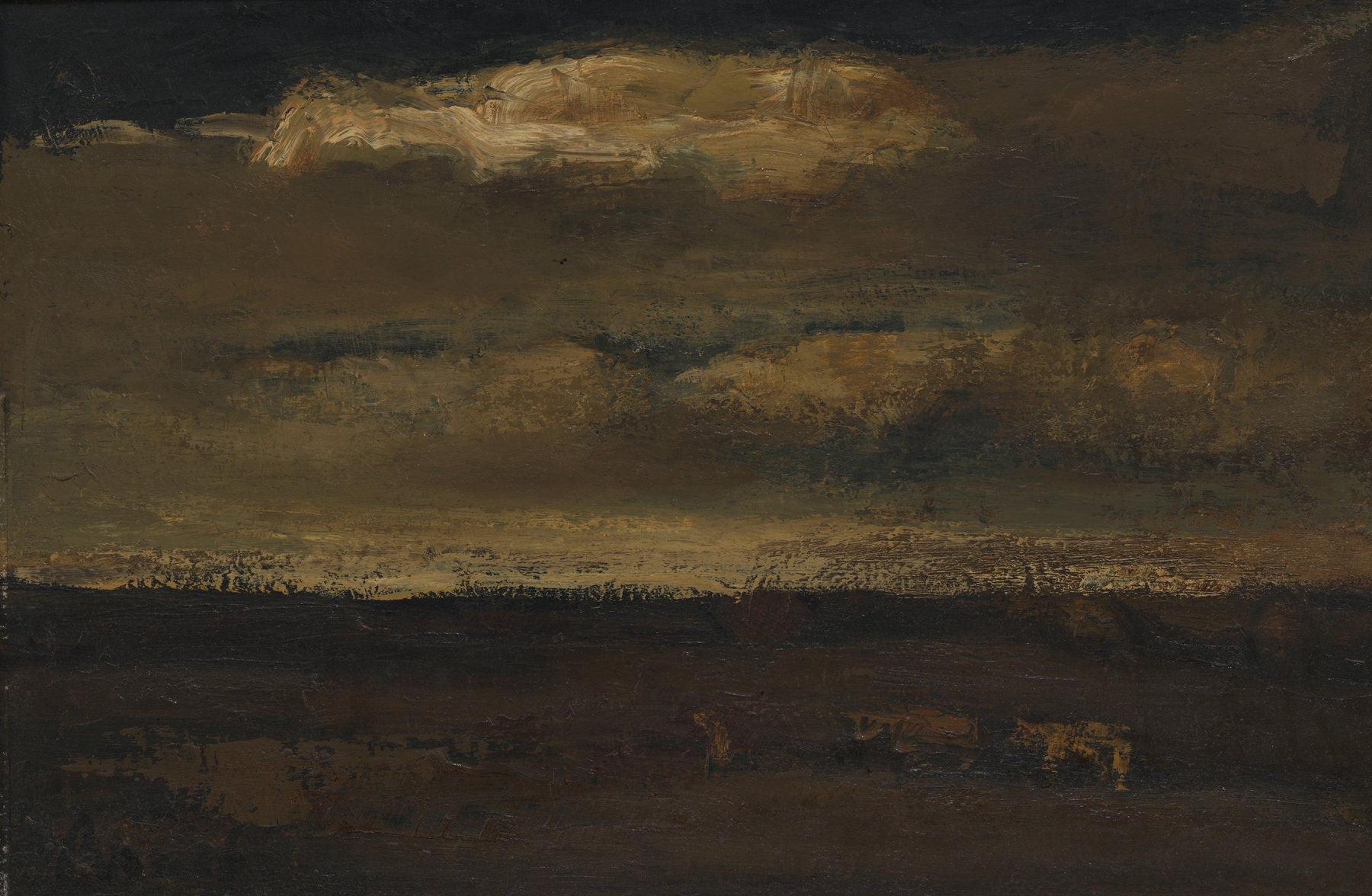
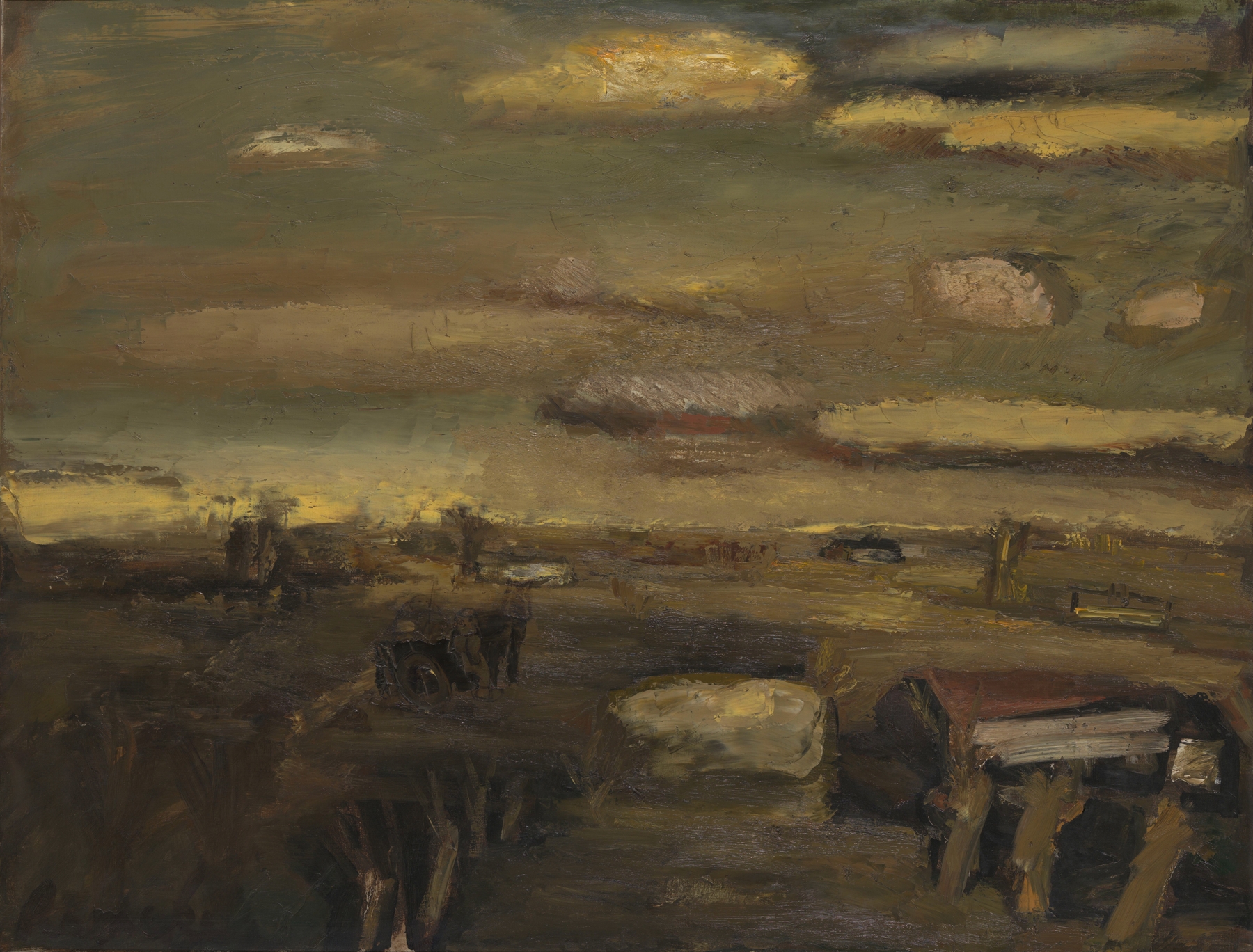
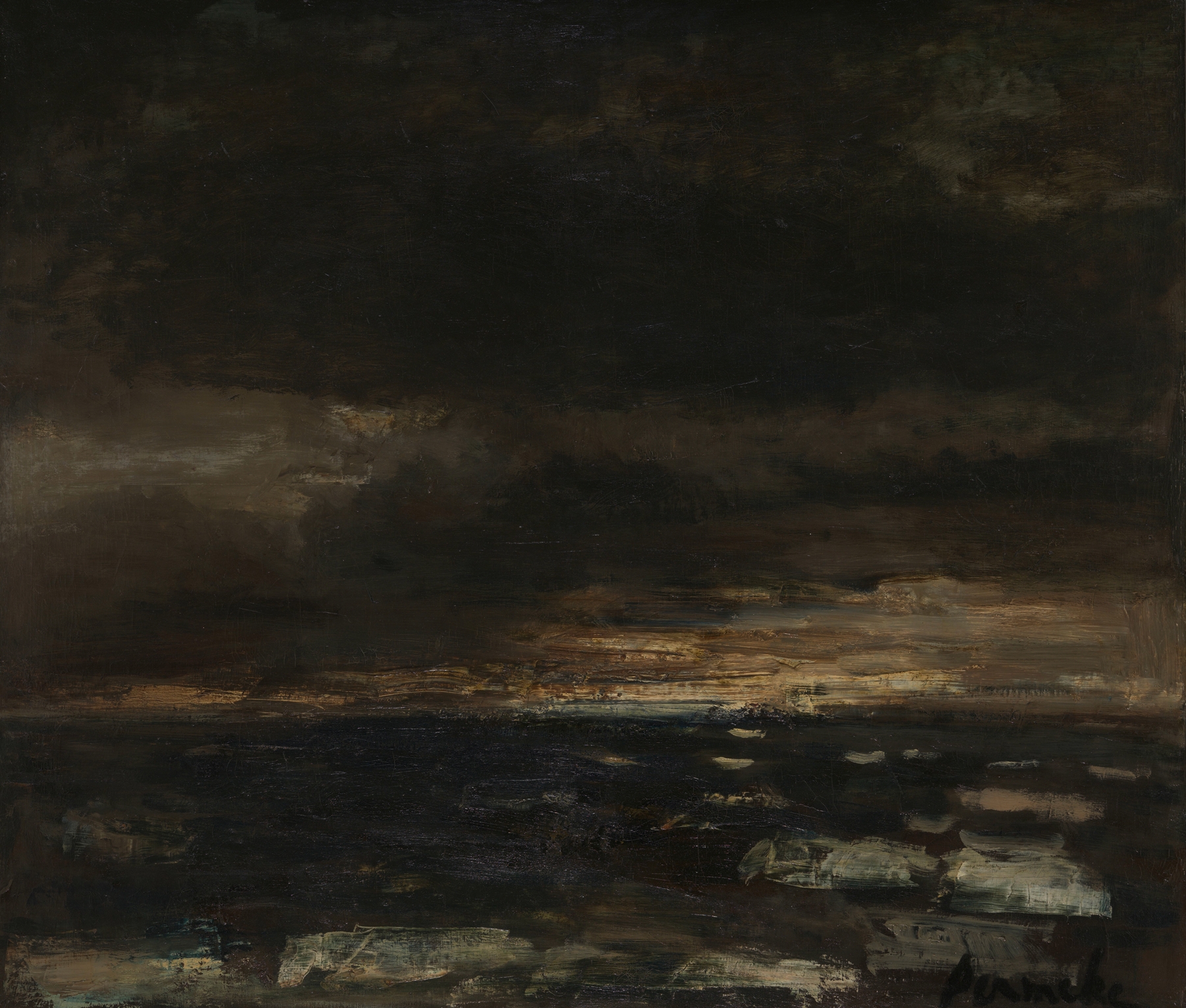
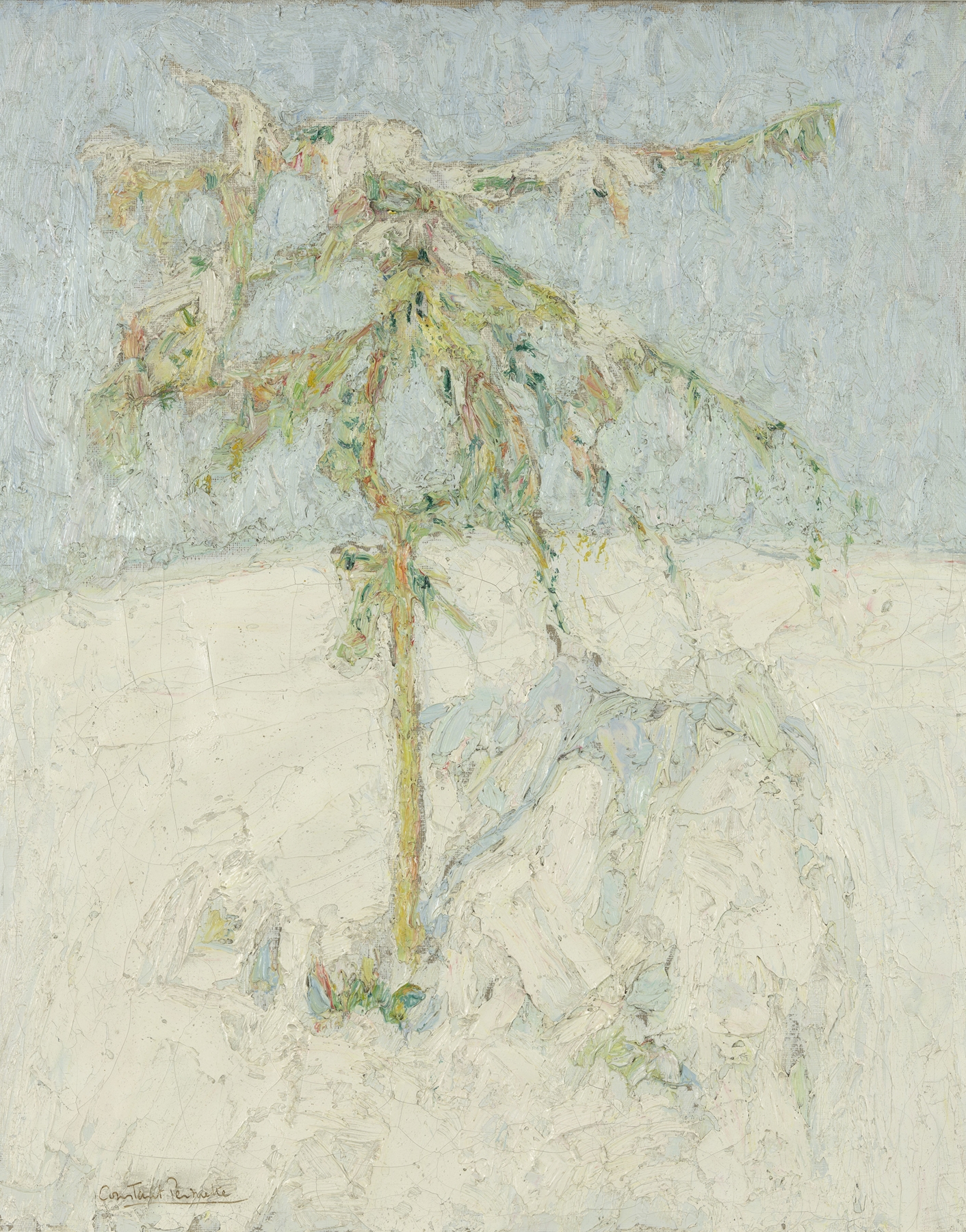
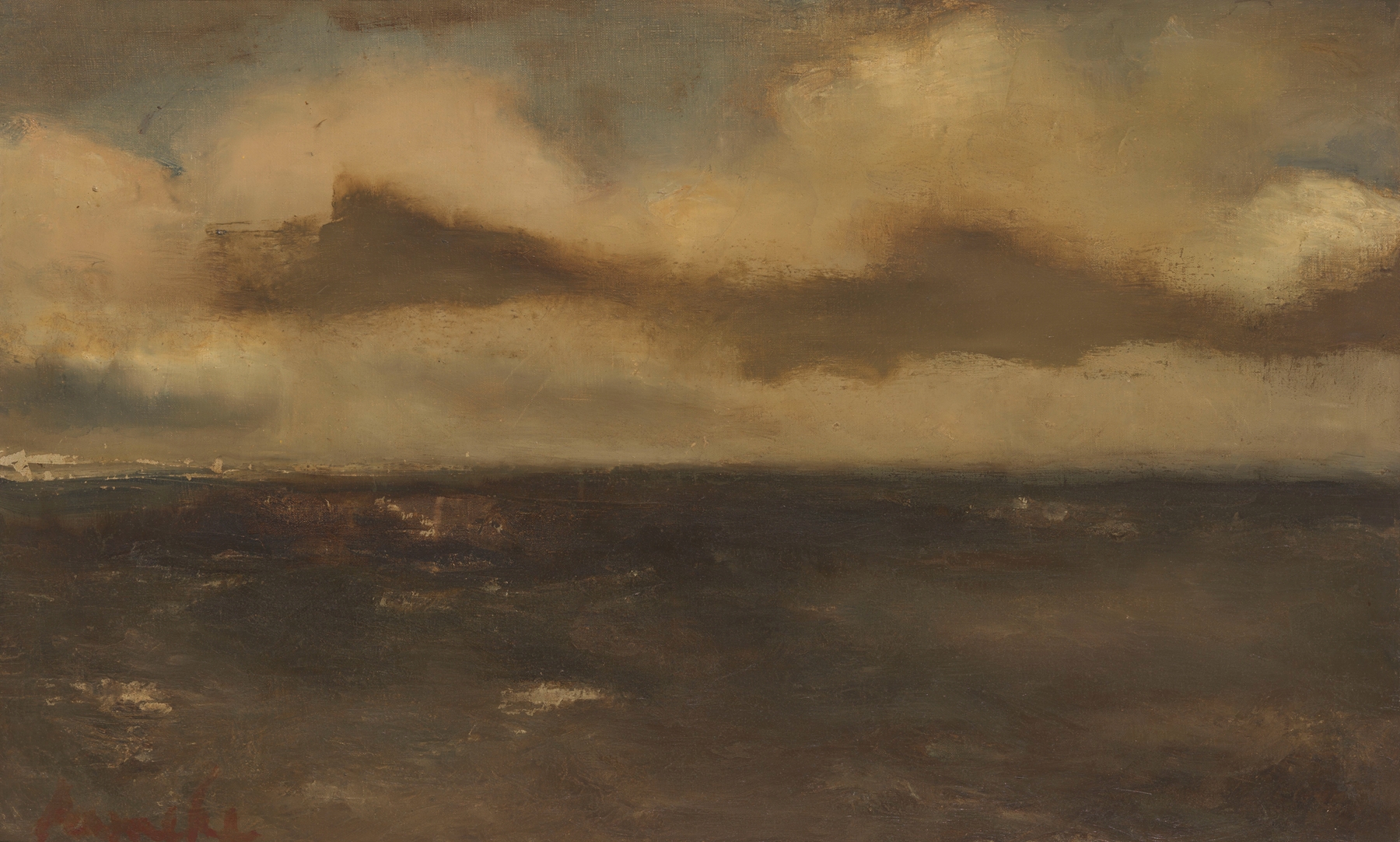
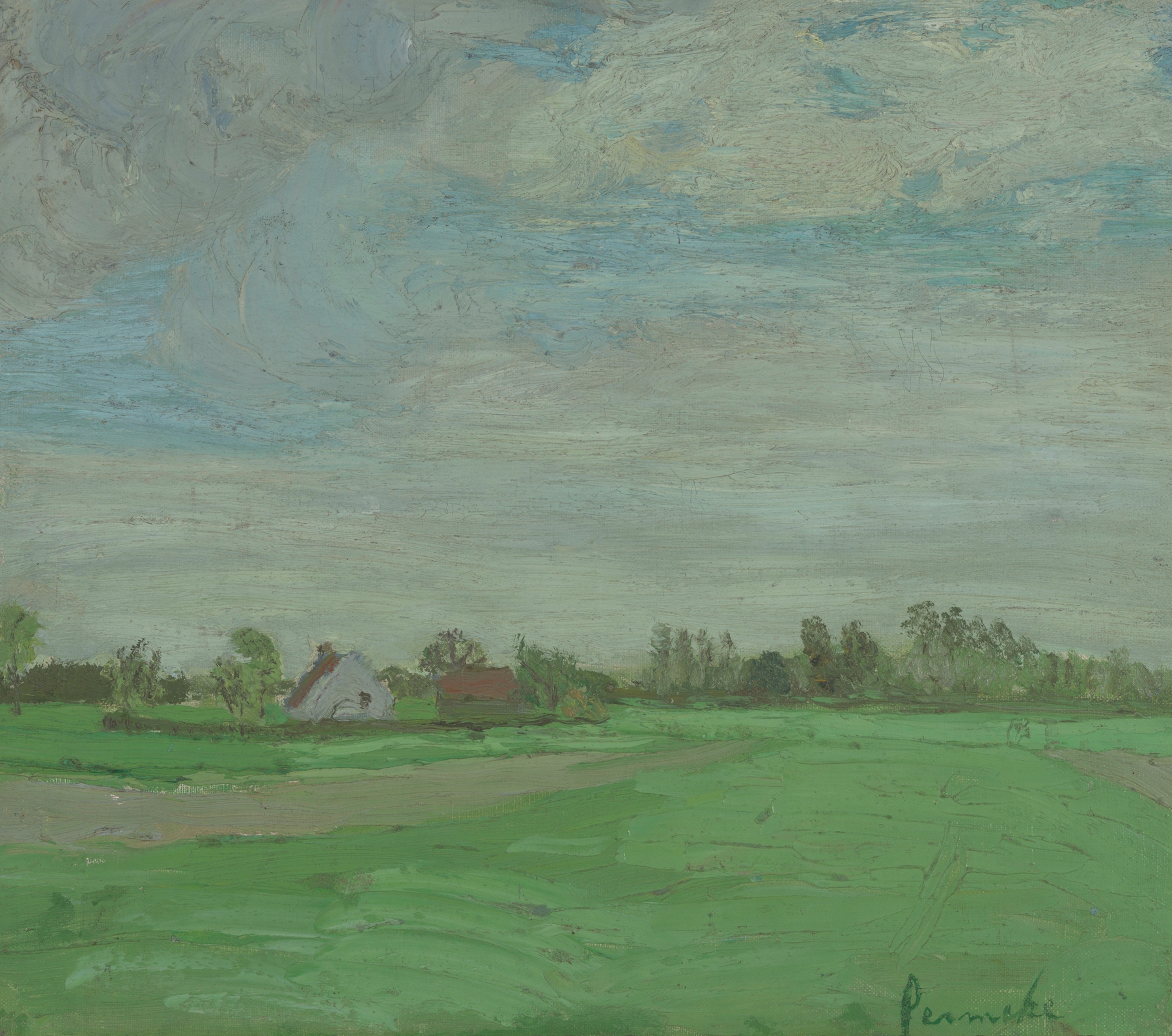
Could a single brushstroke hold eternity? In Landschap, color and form intertwine, revealing the transformative power of nature, where every hue breathes life and rebirth into the canvas. Focus first on the vibrant green of the foreground, where the brushstrokes create a lush, undulating landscape. Notice how the bold, sweeping strokes evoke a visceral sense of movement, guiding your gaze across the scenery.
The interplay of earthy tones and soft pastels in the sky contrasts with the vivid ground, while dappled light dances through the composition, inviting both contemplation and exhilaration. In the heart of the painting lies a profound tension between the organic and the abstract. Observe the juxtaposition of the sturdy, almost sculptural forms of the hills against the ethereal, swirling clouds above. This duality suggests a cycle of growth and decay, emblematic of the eternal rhythms of life.
The hidden pathways in the landscape beckon exploration, a metaphor for personal journeys and transformations that reflect the cyclical nature of existence. In 1910, Constant Permeke was immersed in the avant-garde movements that sought to redefine art’s purpose. Residing in Belgium, he was influenced by the Symbolist and Expressionist movements, which championed emotional authenticity over traditional representation. This period was pivotal, as it marked the artist’s evolution towards a more expressive use of form and color, steering him towards the creation of iconic works that would leave a lasting impact on modern art.