Sneeuwlandschap in de Ardennen — History & Analysis
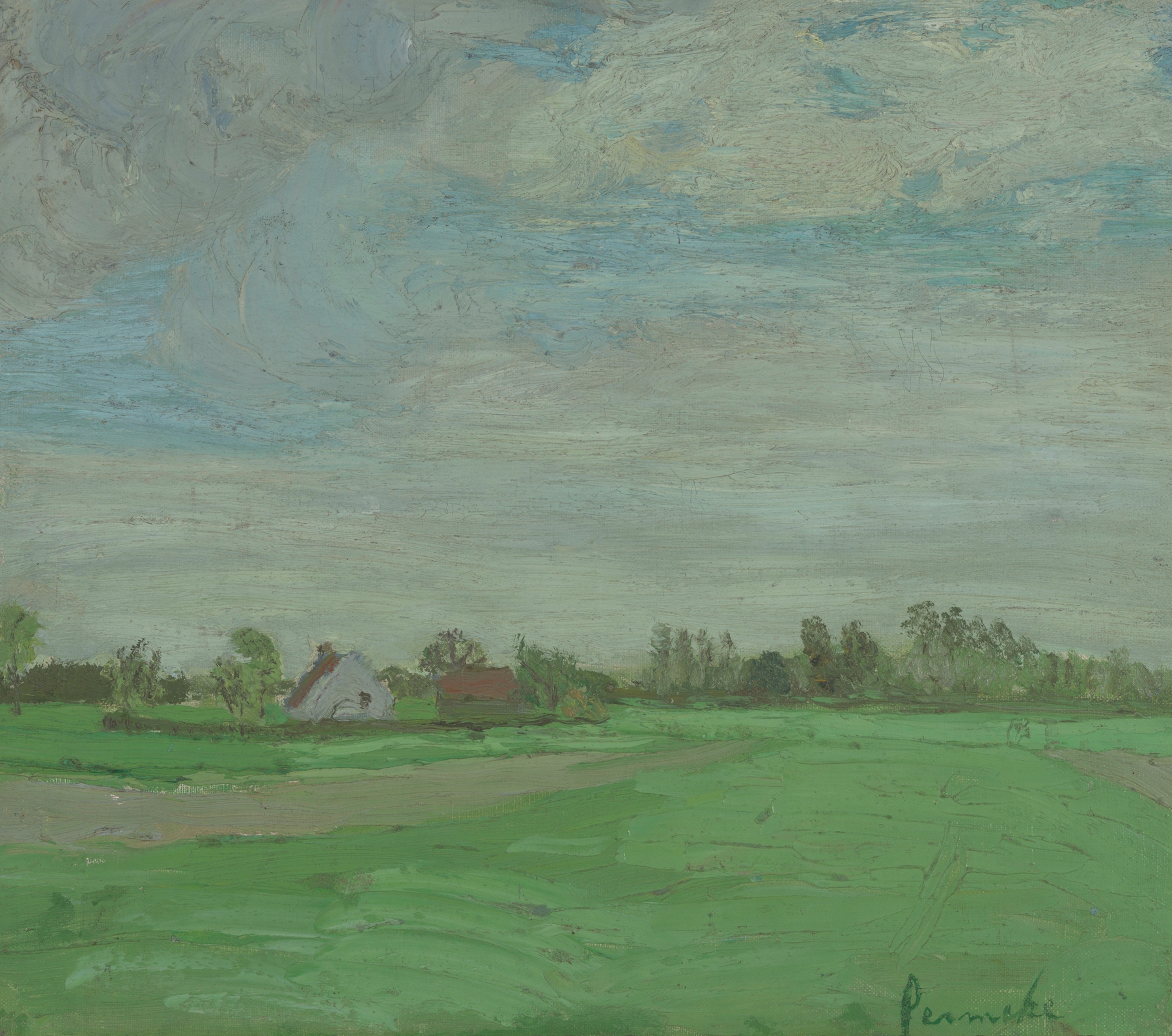
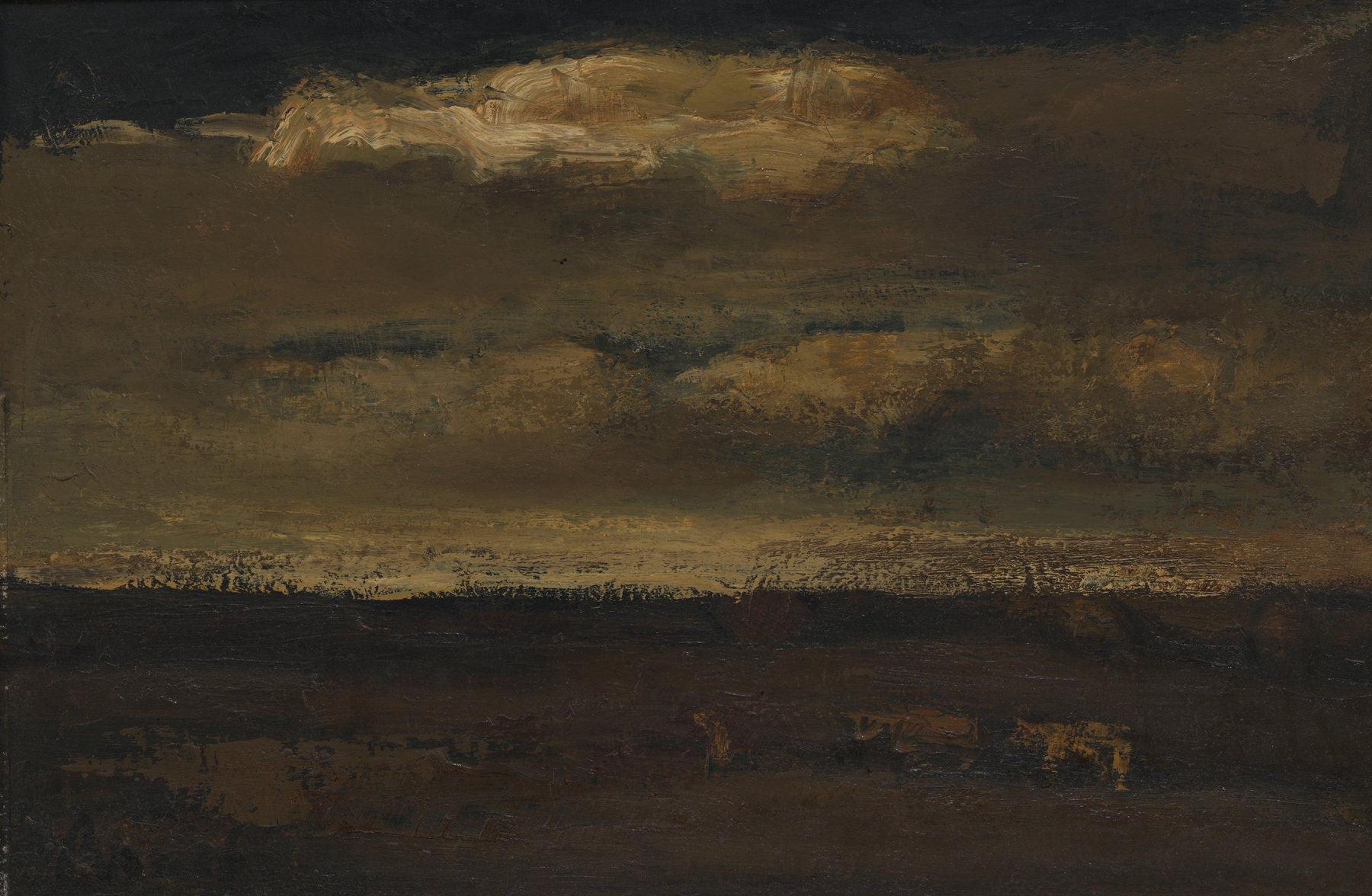
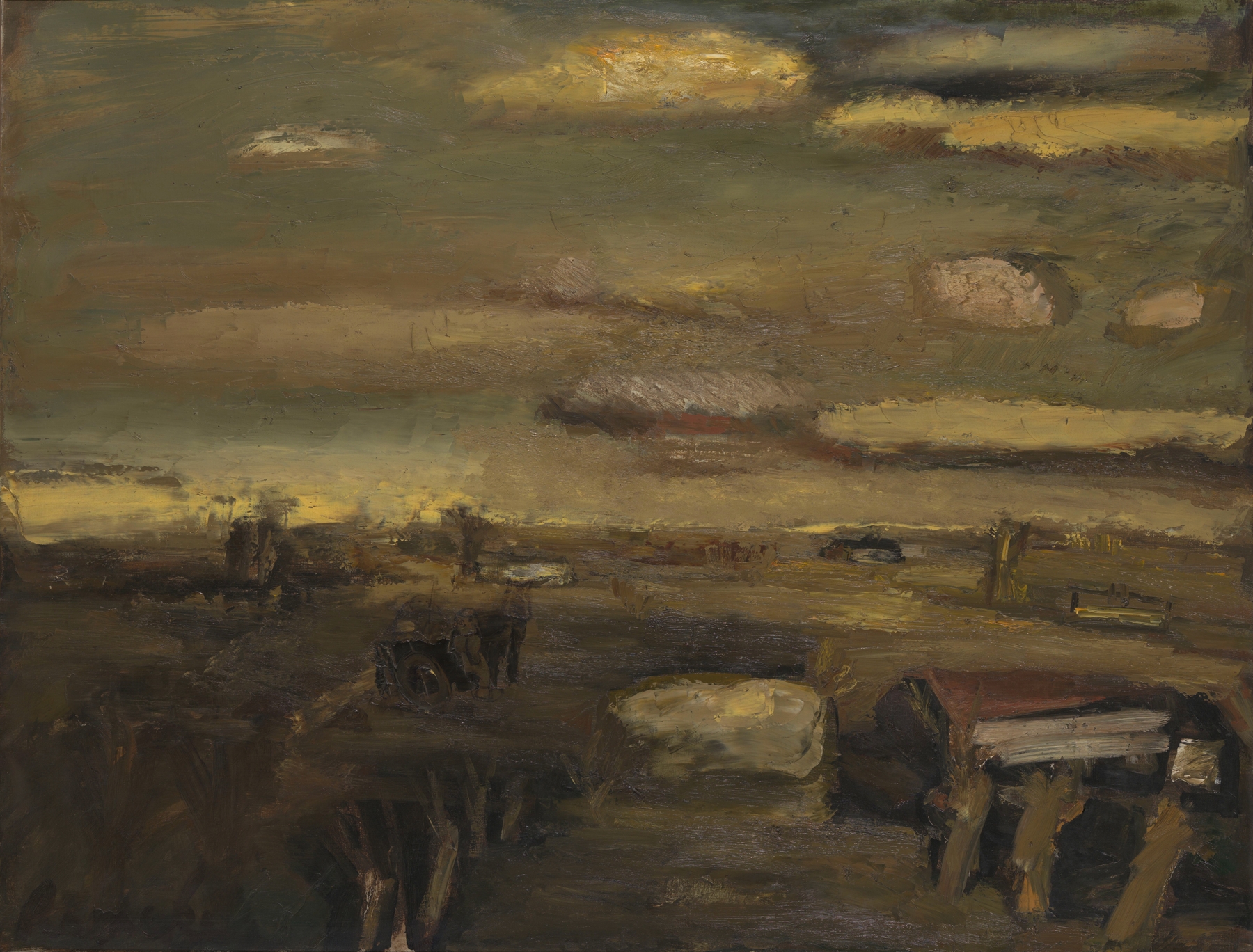
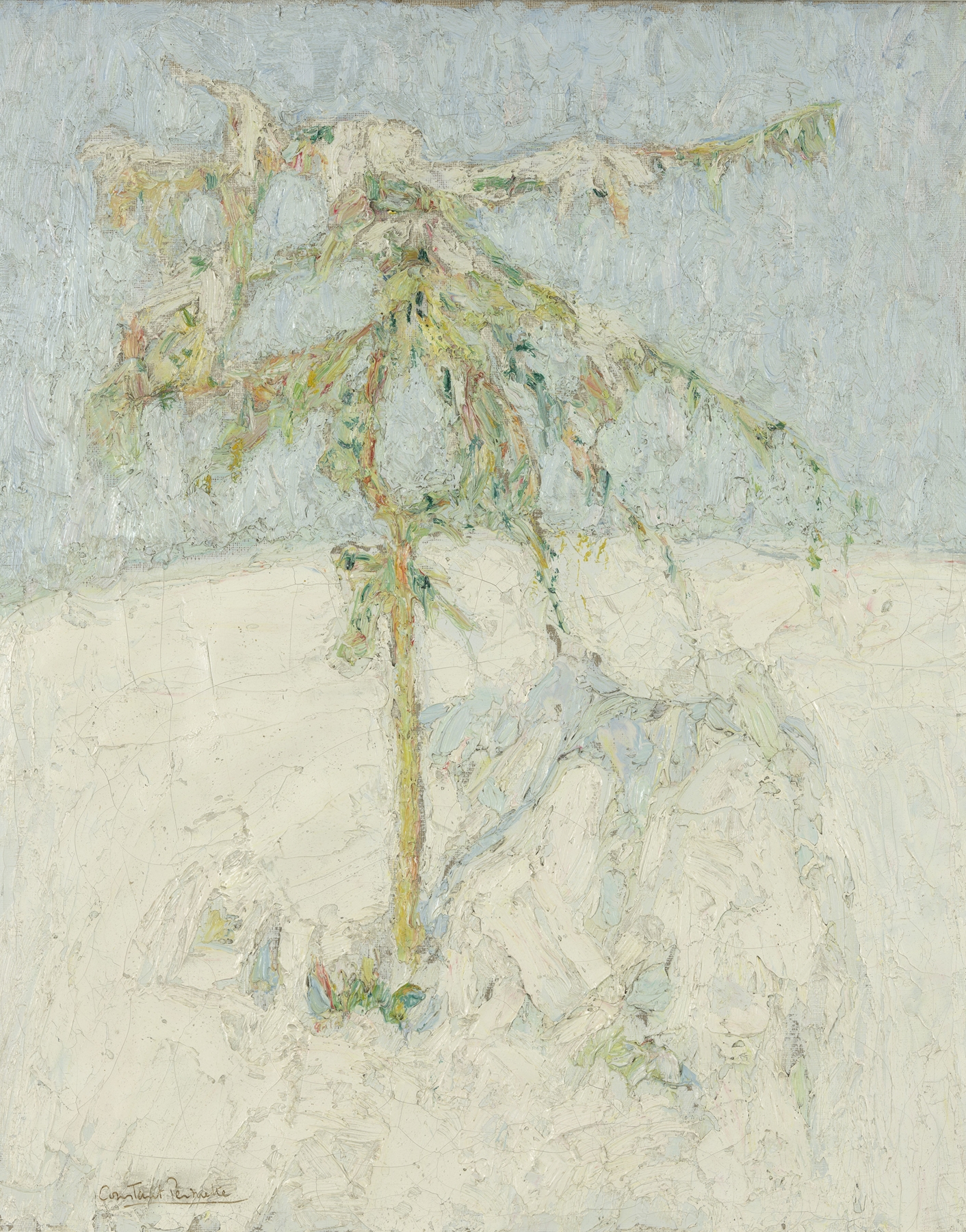
Did the painter know this moment would outlive them? In Sneeuwlandschap in de Ardennen, the scene captured pulsates with the raw energy of winter, inviting viewers to delve into the essence of movement beneath the stillness of snow-covered grounds. Look to the horizon, where soft white hills gently rise and fall, as if breathing underneath a blanket of snow. The muted palette—shades of gray and pale blue intermingling with soft whites—creates an ethereal quality, while the sweeping brush strokes evoke a sense of undulating motion, suggesting winds that whisper secrets of the past.
Notice how the thick application of paint builds texture, inviting your fingers to trace the contours of this tranquil yet dynamic landscape. Within this snowy expanse, contrasts emerge between the starkness of the winter landscape and the vibrant life that teems beneath it. The subtle tension between the frozen surface and the unseen movement beneath hints at life persisting in the harshest conditions. Here, the land speaks, offering both solitude and the promise of rebirth—elements that reflect the delicate dance of nature itself, an eternal cycle of dormancy and awakening.
In 1909, Constant Permeke was navigating the early challenges of his artistic career in Belgium, influenced by the stark realities of rural life and the emergence of modernism. This period marked a pivotal moment in his development, as he sought to capture the essence of nature with a boldness that resonated with the struggles of his contemporaries. His commitment to portraying the raw beauty of his homeland solidified his position in the art world, making works like this both personal and culturally significant.