Havendok te Gent-Terneuzen — History & Analysis
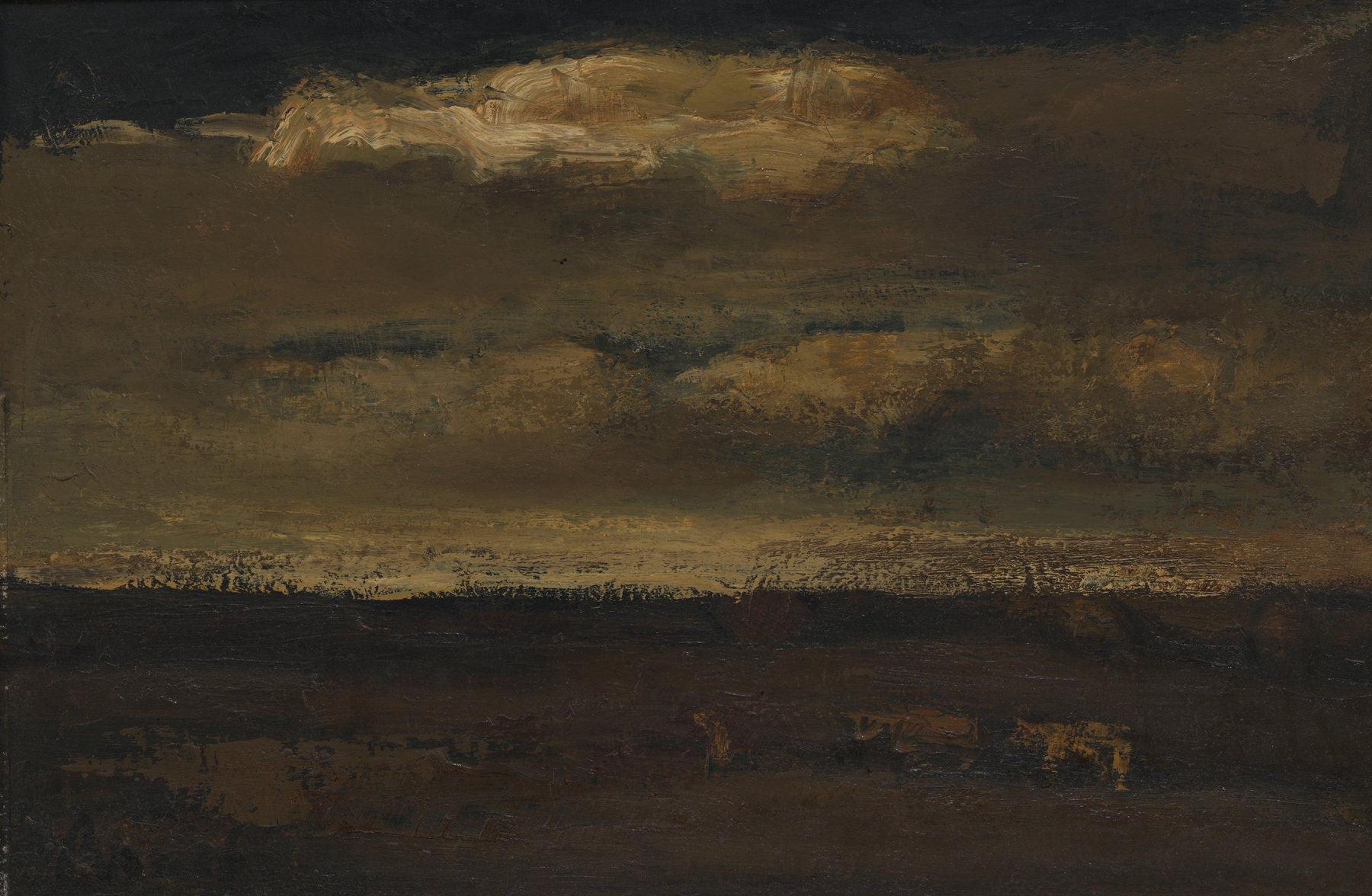
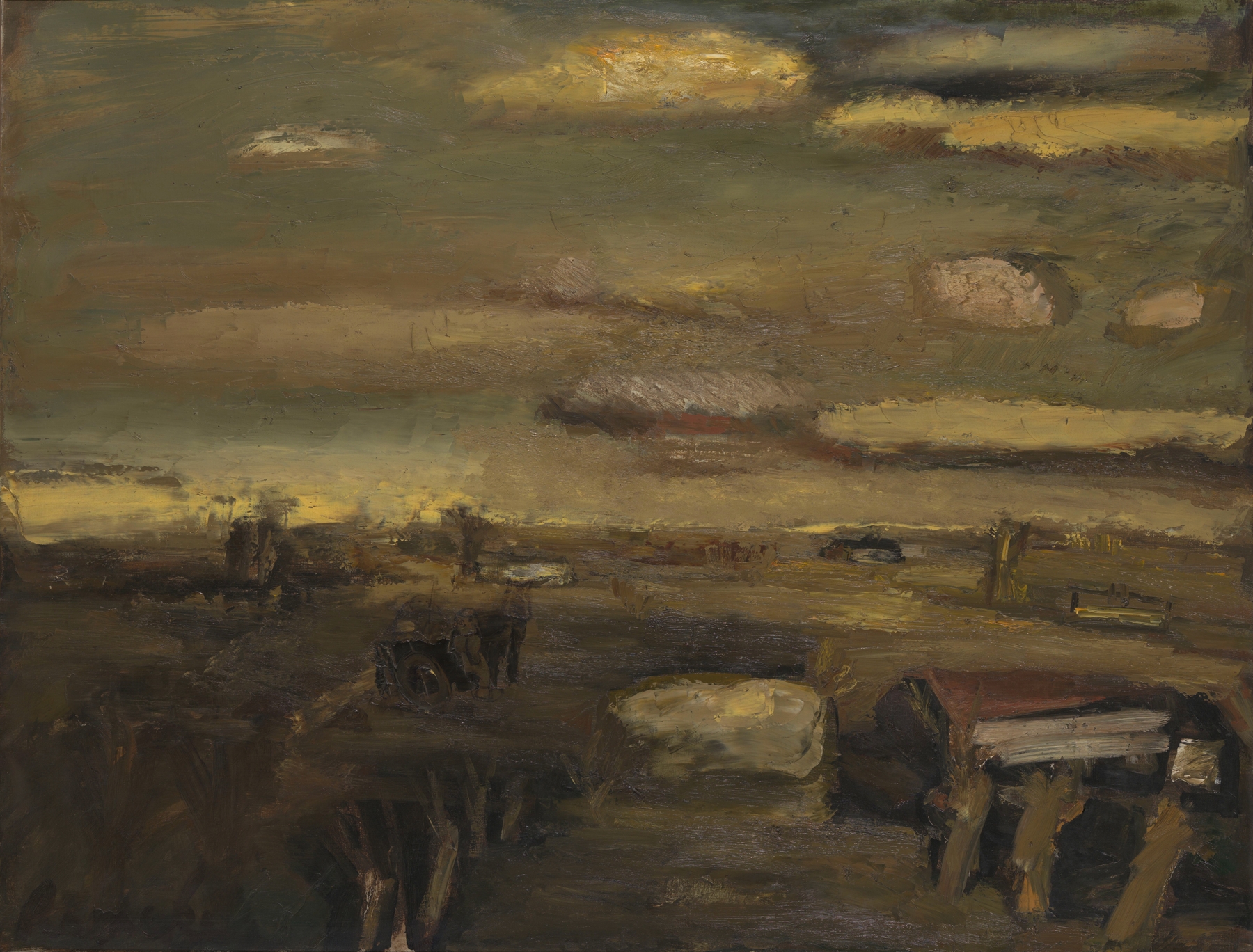
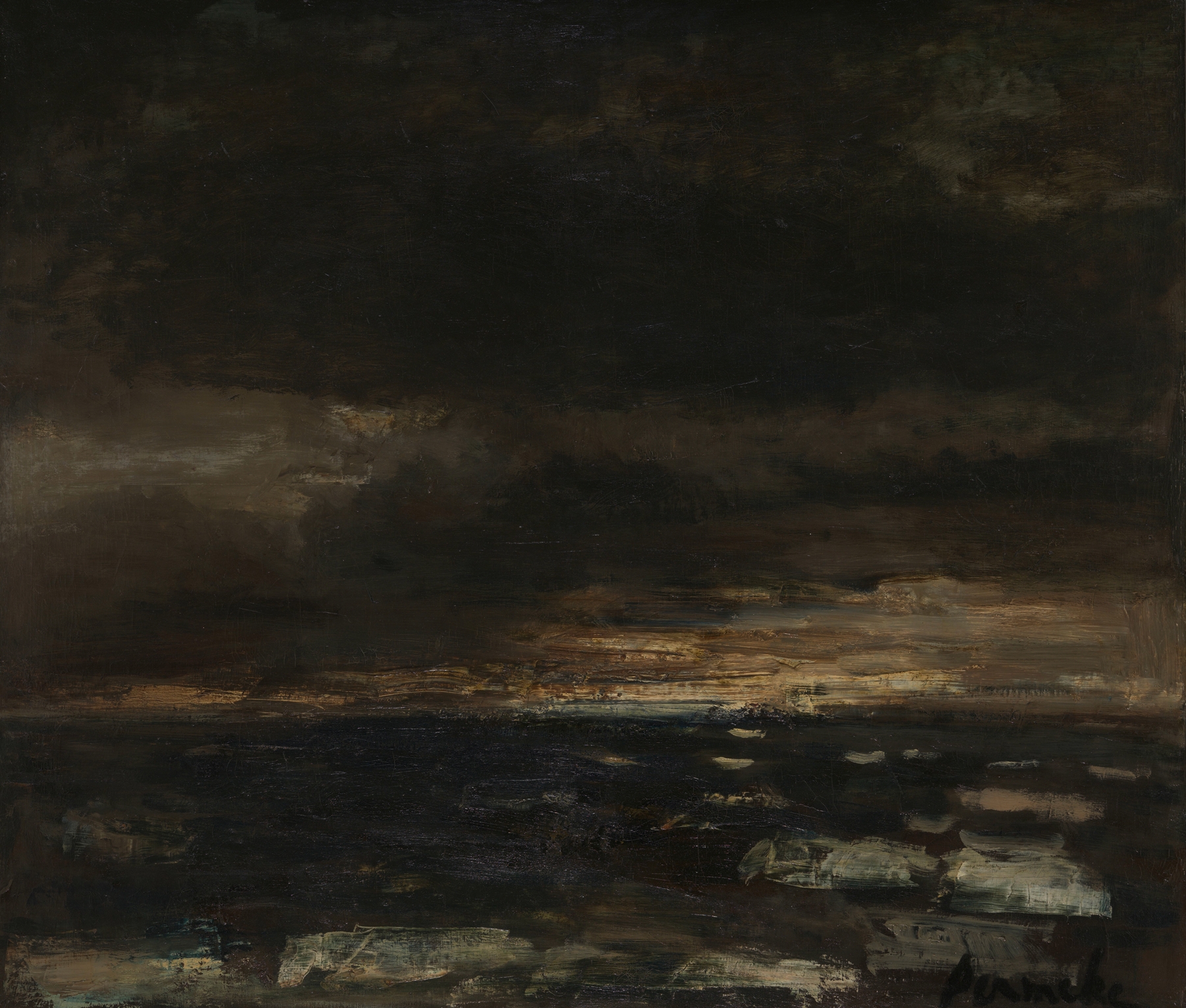
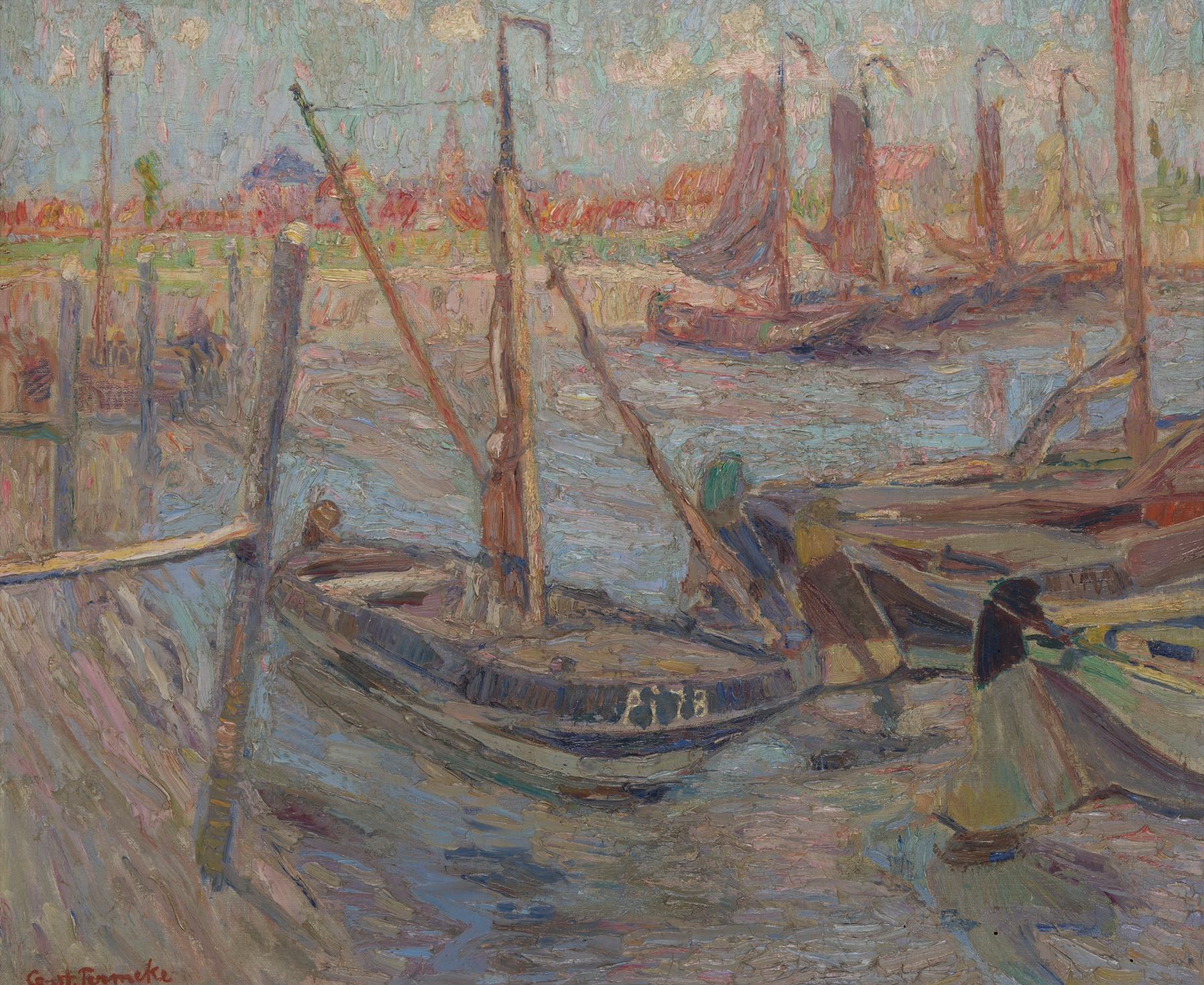
Did the painter know this moment would outlive them? In Havendok te Gent-Terneuzen, a palpable undercurrent of fear mingles with the beauty of labor, reflecting both the fragility of existence and the relentless passage of time. The work stands as a testament to the era, capturing the essence of men engaging with nature and industry under a sky that looms heavy with uncertainty. Focus on the bold strokes of earth and sky as they merge, where the dark, brooding clouds hover over the industrial scene, filled with silhouetted figures. The muted earth tones, punctuated by sharp lines of machinery, create a dynamic tension between humanity and the forces that govern their lives.
Notice how the light recedes into the darkness, casting shadows that stretch across the dock, an indication of the weight of the moment and the struggles that unfold in the face of daunting odds. As you absorb the scene, consider the emotional contrasts at play. The laborers, though immersed in their work, are dwarfed by the enormity of their environment, suggesting a deeper fear of insignificance in the face of progress. The interplay of light and shadow enhances this tension, with the encroaching darkness hinting at the challenges to come—both in their individual lives and the broader societal shifts of the time.
It encapsulates a moment where hope wrestles with despair. Constant Permeke created Havendok te Gent-Terneuzen in 1911 while living in Belgium, a country poised on the brink of profound change. His works from this period often reflect the industrial landscape and the human condition, as Europe was grappling with modernity. This painting emerges from a place of introspection during a rapidly transforming time, where the impending shadows of war and societal change began to loom larger in the collective consciousness.