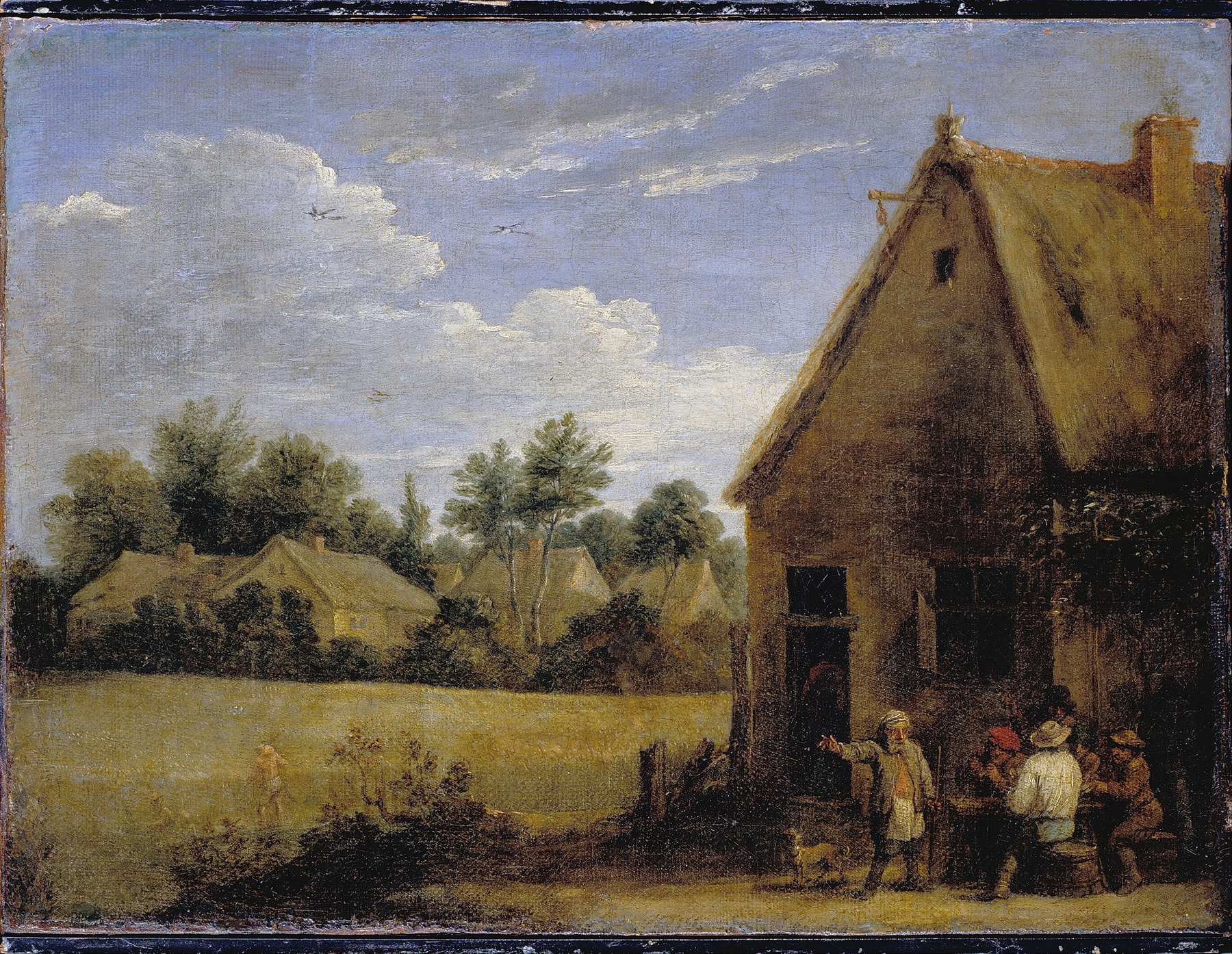
Abraham's Sacrifice of Isaac — History & Analysis
“Under the brush, chaos becomes grace.” In the tension of desire and obedience, the heart is tested at its core. The struggle between duty and paternal love reverberates through time, echoing in the depths of our own choices. To immerse yourself in this artwork, direct your gaze towards the central figures. Notice how the dramatic interplay of light and shadow illuminates the anguished expression on Abraham's face, revealing a father torn between devotion and despair. The subtle earth tones of the landscape ground the scene, while the stark juxtaposition of Isaac’s innocence against the gravity of his impending fate heightens the emotional stakes.
Each brushstroke reveals the intricate details, be it the trembling hand of Abraham or the delicate limbs of the bound child. Delve deeper into the painting, and you will uncover a rich tapestry of hidden meanings. The stark contrast between the serene backdrop and the turmoil of the figures serves as a reminder of the complexities of faith. The binding of Isaac symbolizes not only a test of loyalty but also the universal struggle between love and sacrifice that resonates through the ages. The longing in Abraham's eyes speaks to a desire not merely for obedience but for understanding, for a glimpse into the divine purpose of his harrowing task.
David Teniers the Younger created this poignant work between 1654 and 1656, during a period marked by religious upheaval and artistic exploration in Flanders. As a prominent figure in the Baroque movement, Teniers was known for his ability to weave intricate narratives into his paintings. At the time, he was deeply involved with the court of the Archduke Leopold Wilhelm, influencing the patronage and direction of Flemish art. In this context, Abraham's Sacrifice of Isaac emerges as a profound reflection on the tensions of faith and the human experience.