Achterzijde kerk — History & Analysis
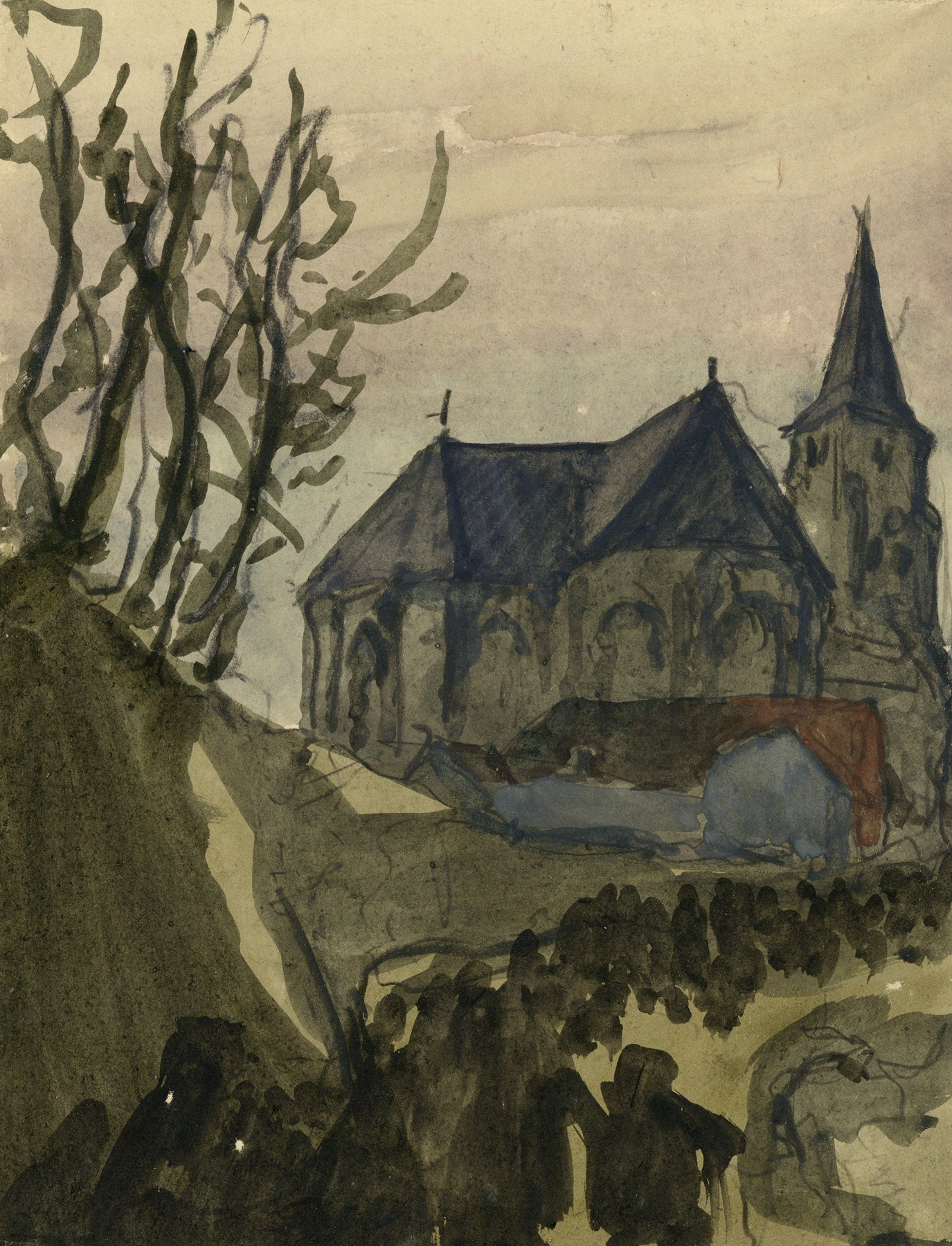
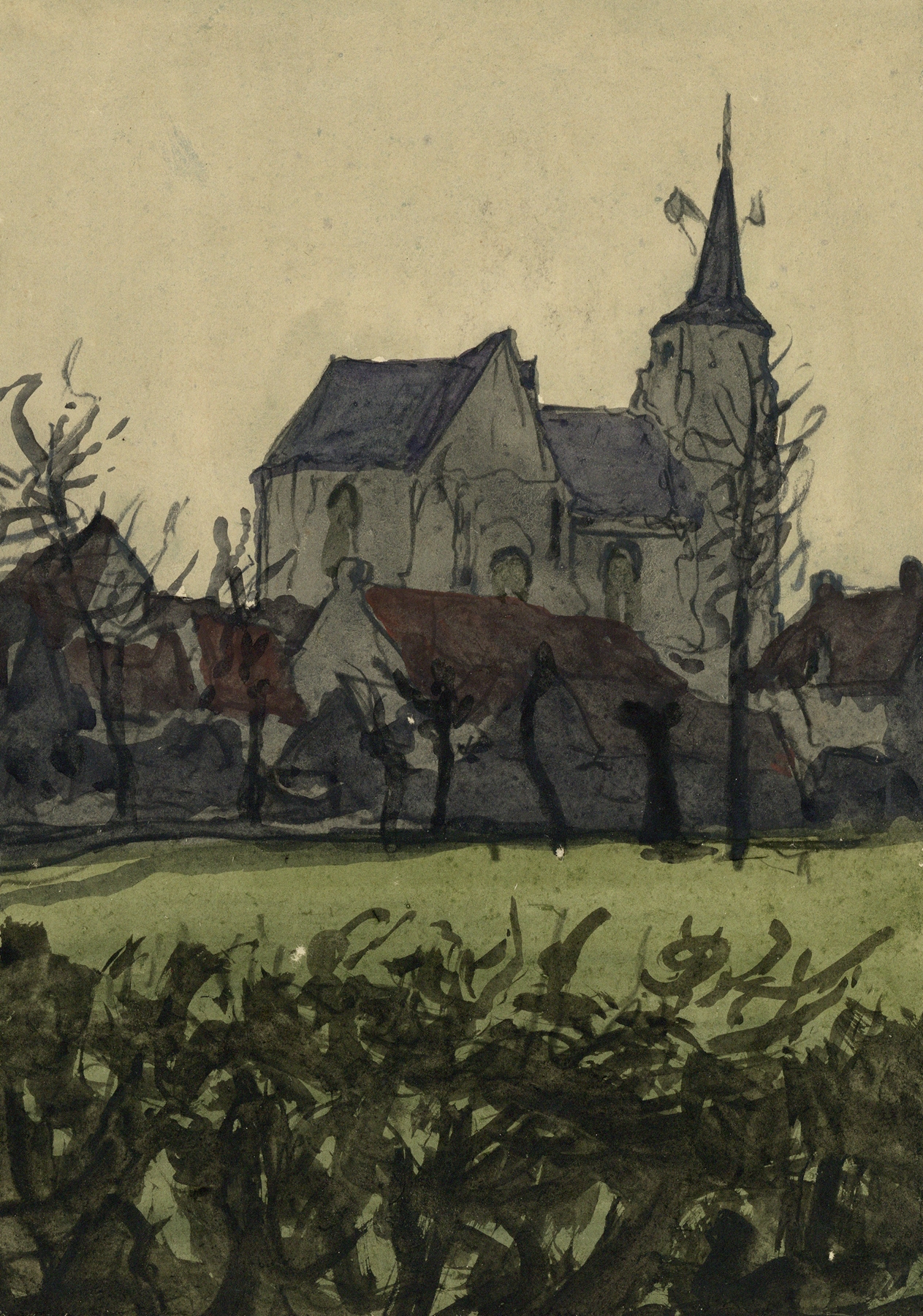
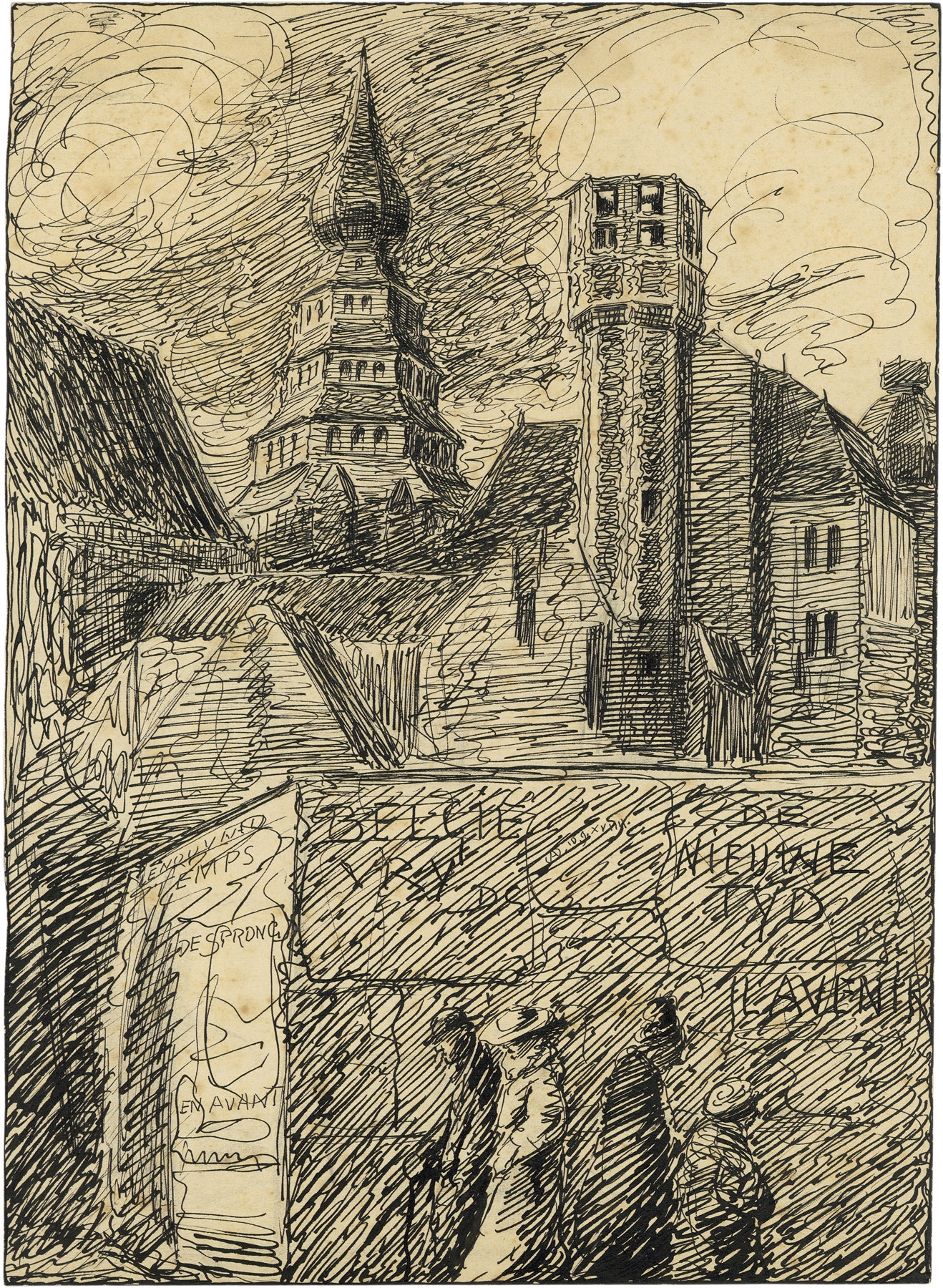
Could beauty survive in a century of chaos? In Achterzijde kerk, Alfred Ost captures a moment where tranquility reigns over turmoil, inviting us to pause and reflect on the sublime. Focus on the delicate interplay of light and shadow that dances across the church facade. Notice how the warm tones of the brick and soft greens of the surrounding landscape harmonize, creating a serene atmosphere. The composition leads your gaze gracefully along the structure’s lines, drawing attention to the intricate details of the architecture that stand resilient against the backdrop of nature.
Each brushstroke reveals Ost's ability to blend realism with a hint of romanticism, evoking a sense of both nostalgia and reverence. Yet, within this apparent stillness lies a deeper contrast. The church represents not only a sacred space but also a symbol of enduring faith and community in times of distress. The surrounding foliage, while lush and inviting, hints at the impermanence of nature, subtly reminding us of the cycles of life and decay.
This balance between solidity and transience evokes a profound sense of awe, compelling viewers to consider the delicate relationship between humanity and the divine amid the chaos of existence. Alfred Ost created this piece during a time when Europe was grappling with rapid social change, though the exact date remains uncertain. Working primarily in Belgium, Ost's art often reflected experiences of his environment, merging a love for nature with architectural forms. In this period, artists were exploring new techniques and perspectives, and Ost's ability to capture the essence of his subjects while imbuing them with emotional depth set his work apart in an evolving artistic landscape.