Adam en Eva na de verdrijving uit het paradijs — History & Analysis
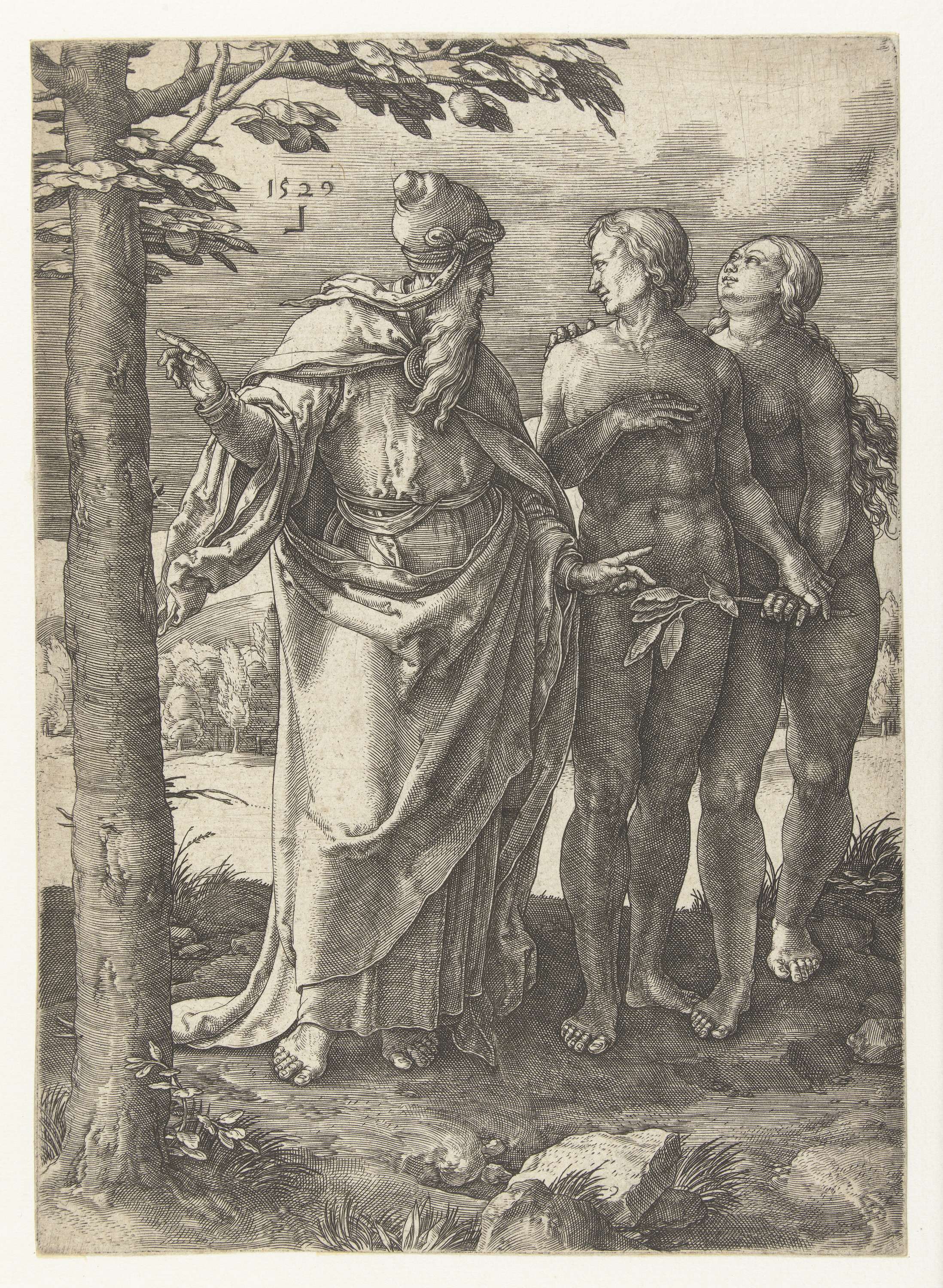
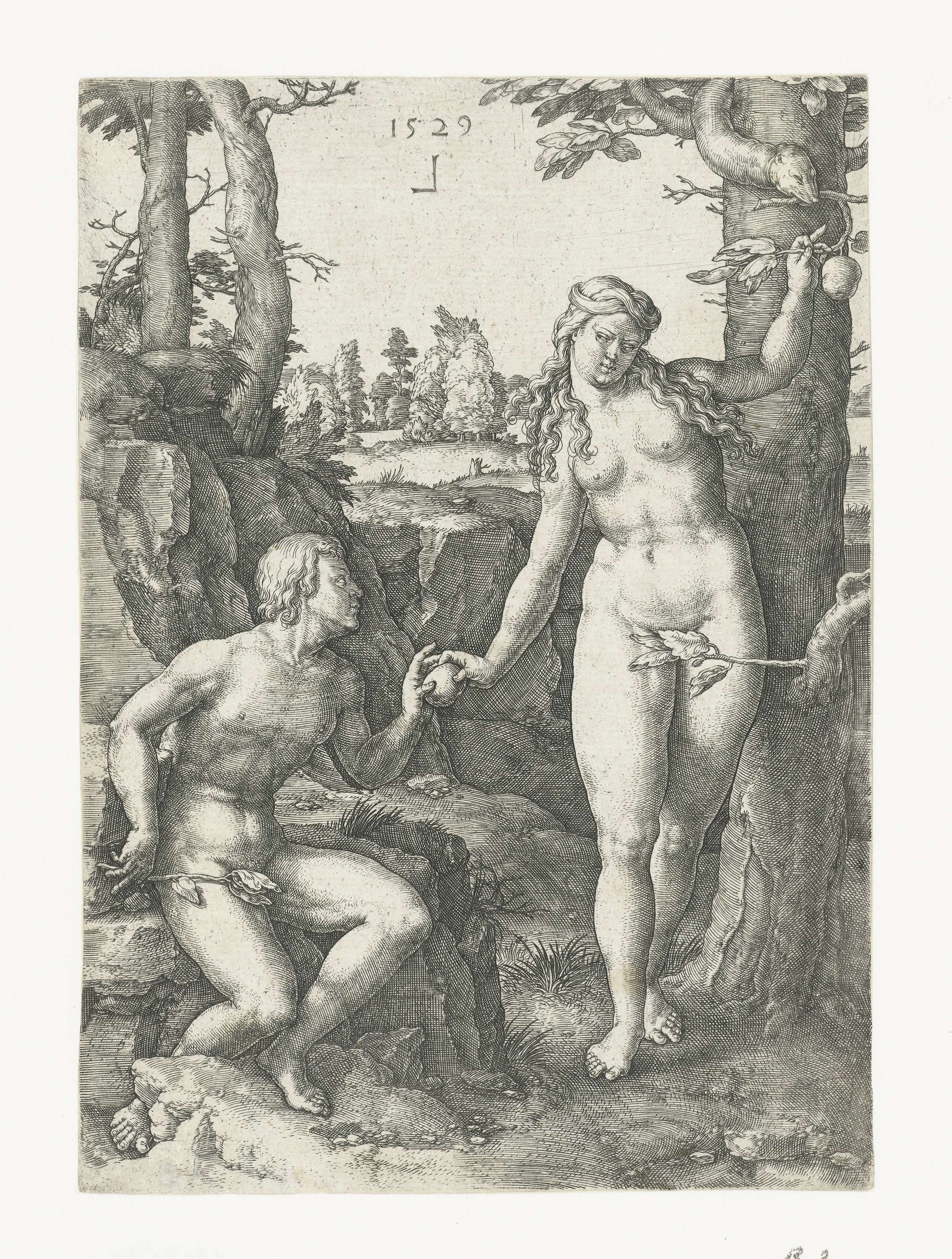
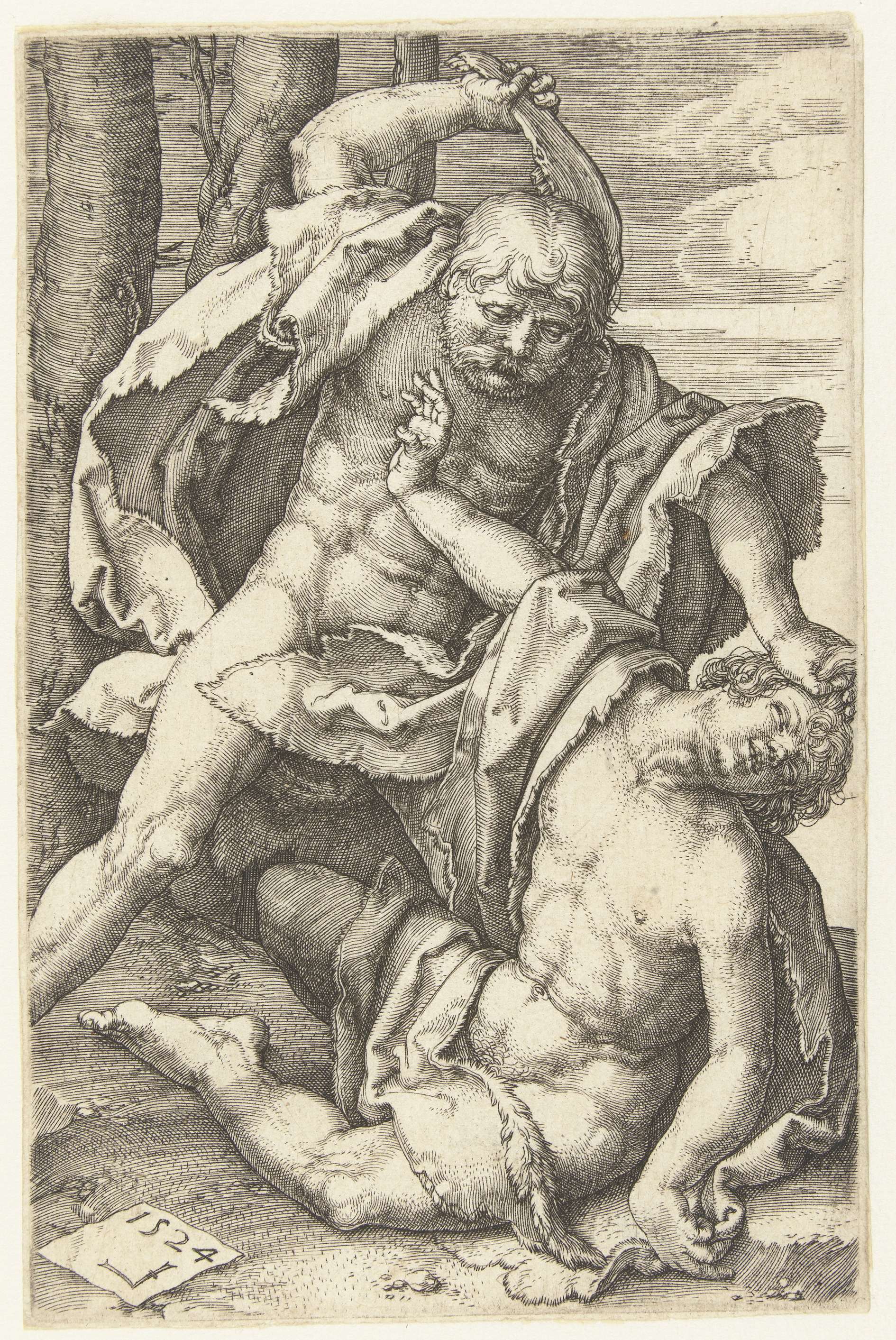
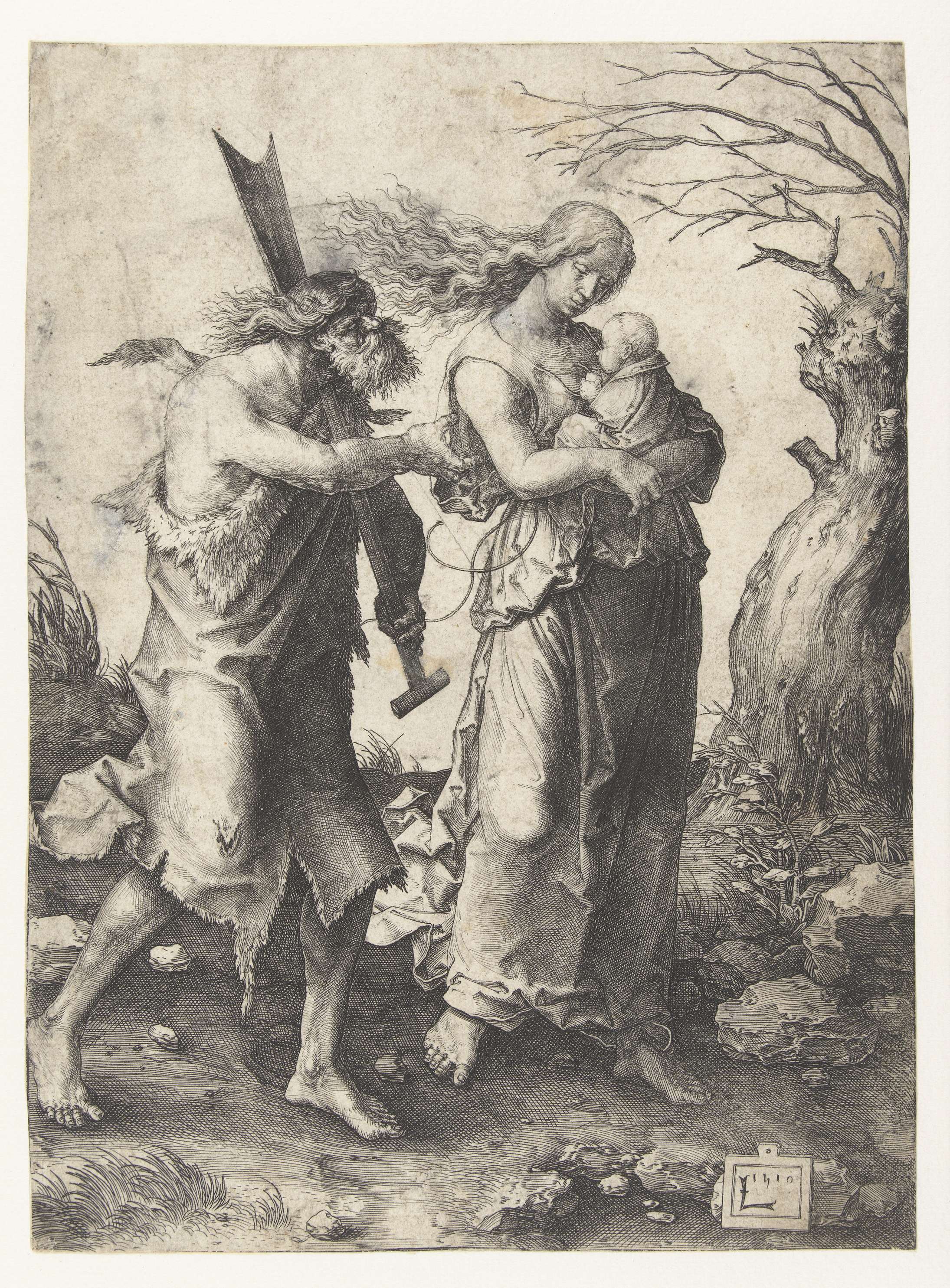
“The canvas doesn’t lie — it simply waits.” In the stillness of *Adam en Eva na de verdrijving uit het paradijs*, a profound narrative of loss and rebirth unfolds. The figures of Adam and Eve, exiled from Eden, embody the weight of their newfound existence, each bearing the burden of humanity's beginning. Their expressions, a blend of regret and resolve, echo the eternal struggle between innocence and experience. Look to the left at Adam, whose somber gaze seems to pierce through time, revealing the turmoil within. Notice how the light delicately falls upon Eve’s form, illuminating her vulnerability yet casting shadows that hint at the complexity of her fate. The meticulous detail in their bodies, rendered in rich hues of flesh and earth, draws the eye to the contrasts of beauty and despair, while the lush greenery surrounding them serves as a ghostly reminder of paradise lost. Within the painting lies a rich tapestry of emotional tensions. The serpentine tree, its fruit still glistening ominously, symbolizes temptation and the fragility of choice. The stark separation between the couple, visually echoed in their positioning, suggests an impending fracture in their unity, a prelude to the trials that await humanity. Each brushstroke captures the duality of their existence — the promise of rebirth intertwined with the sorrow of their exile. In 1510, as Lucas van Leyden painted this masterpiece in the Netherlands, he stood at the forefront of the Northern Renaissance. This was a period marked by an explosion of humanist thought and a reevaluation of biblical narratives through the lens of personal experience. The artist, influenced by the changes in society and art, sought to portray not merely a biblical story, but the universal themes of loss and the quest for redemption that resonate in the human spirit.