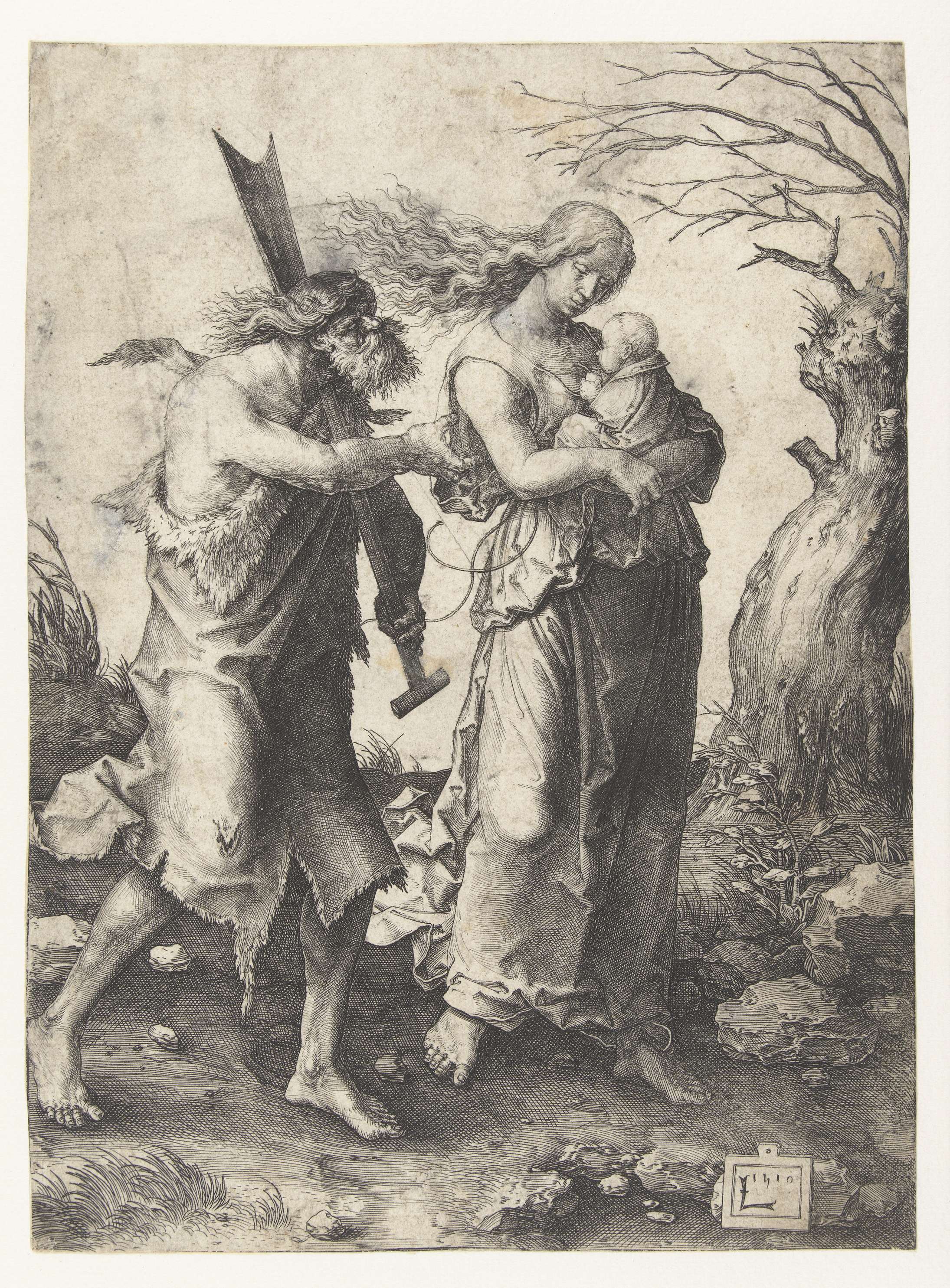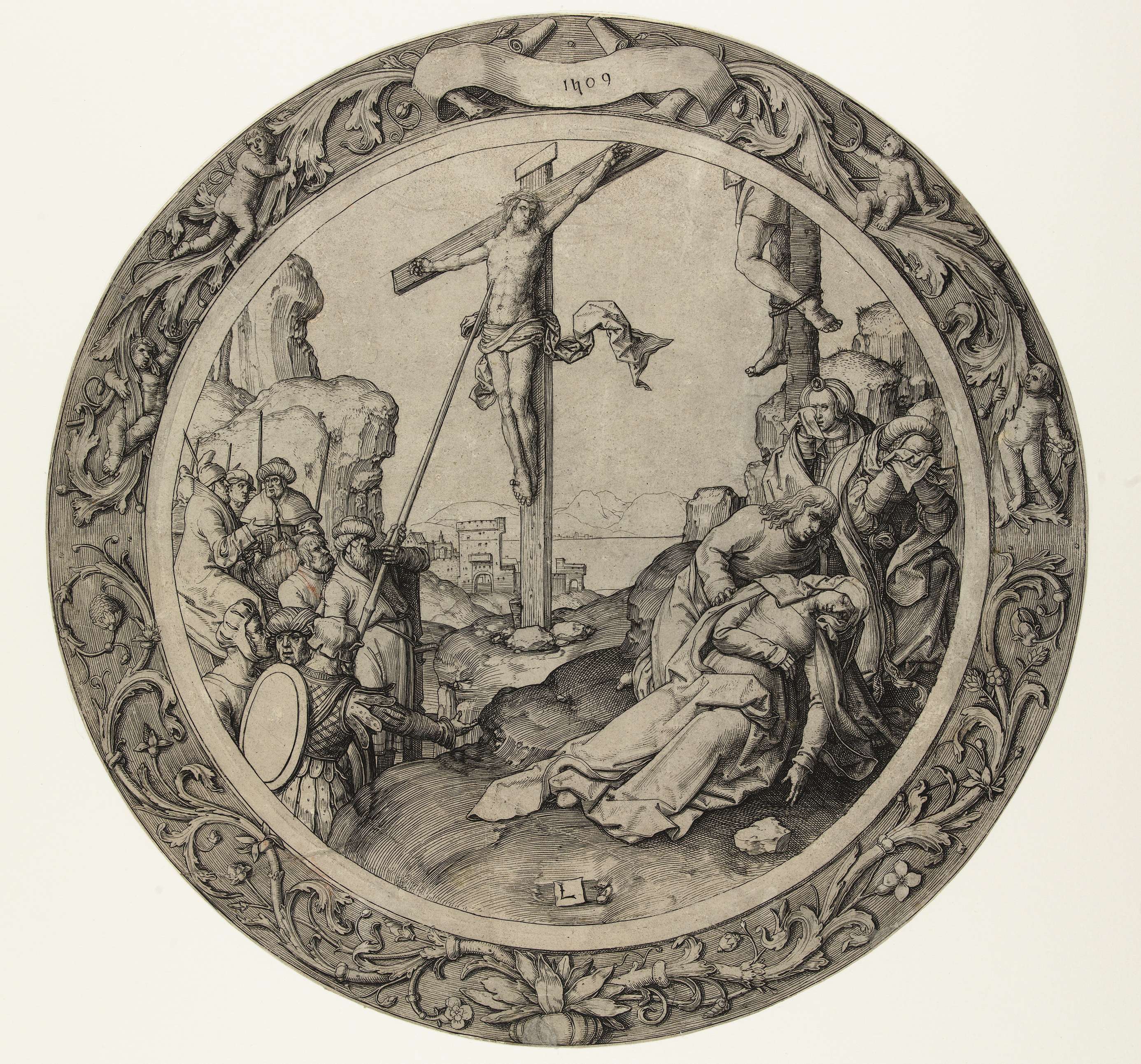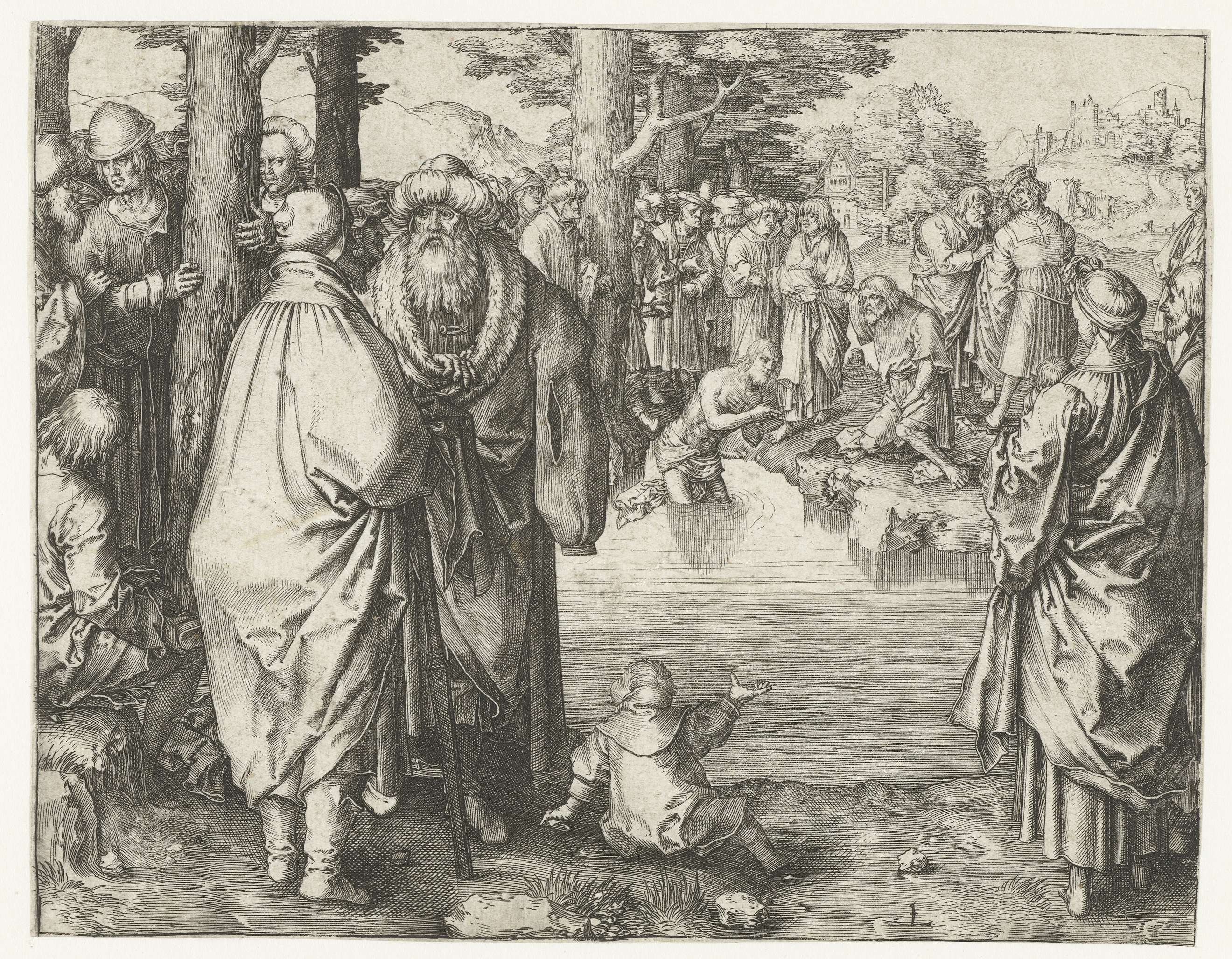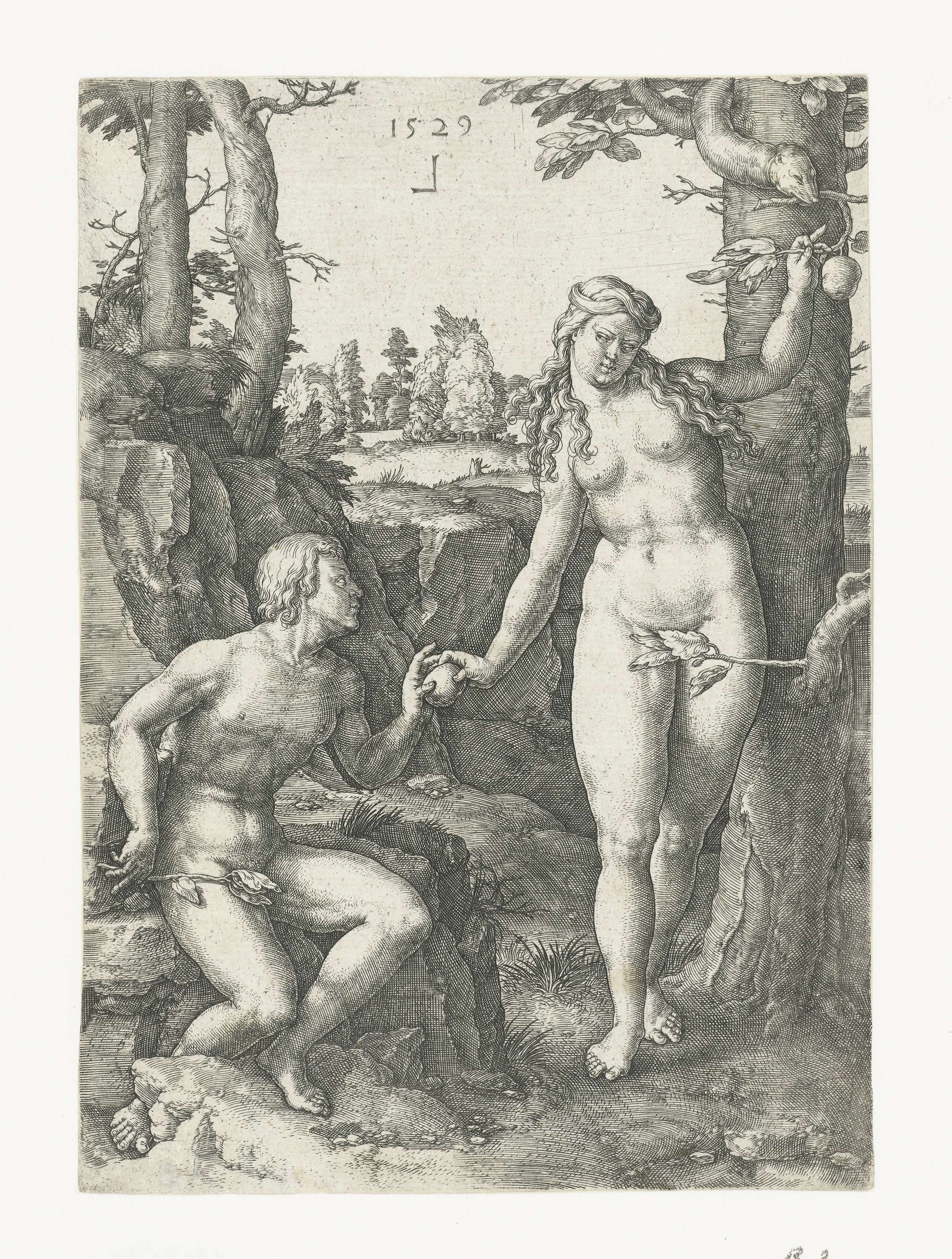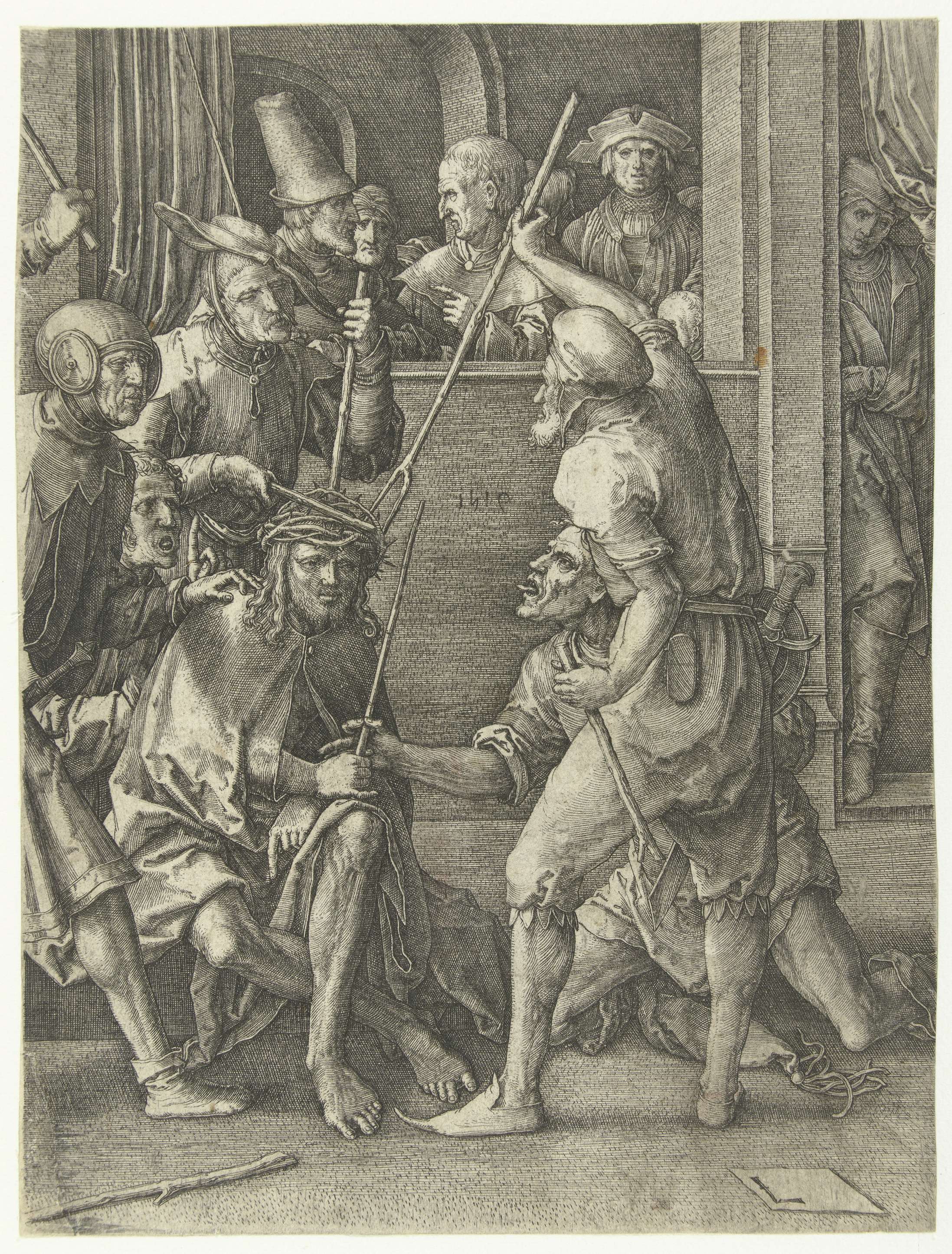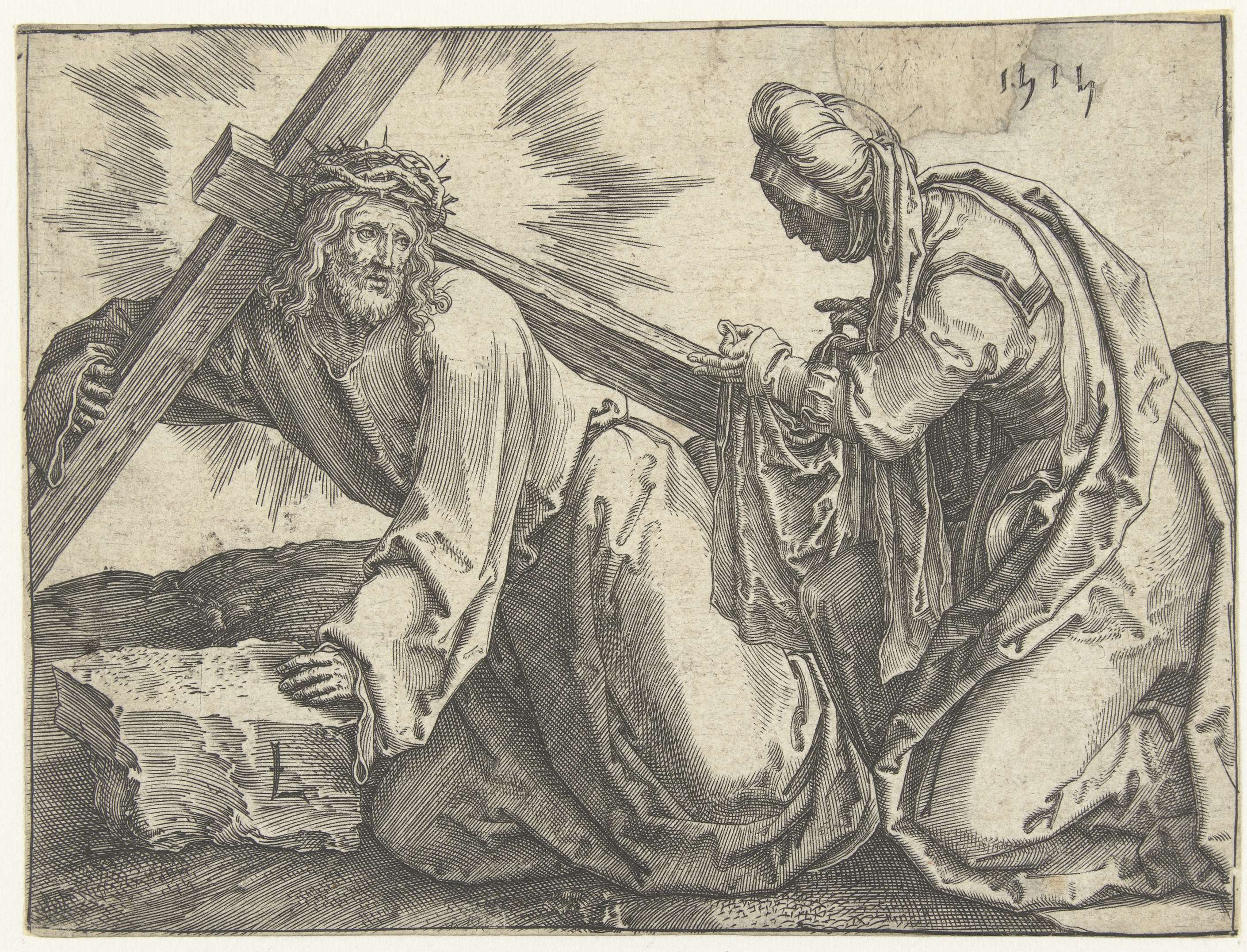
Where does light end, and longing begin? In the delicate interplay of illumination and shadow, we find a moment of profound awakening in the heart of the human experience. Look closely at the central figure, where a soft glow envelops the Christ being carried to his crucifixion. The light cascades gently over his serene visage, contrasting starkly with the somber expressions of the figures surrounding him. Notice how the red drapery framing his body almost pulsates against the muted tones of the background, drawing your gaze to the weight he bears. The meticulous detailing in the embroidered robes of the mourners adds depth, revealing the intricate craftsmanship and emotional investment in this poignant scene. As you explore the tableau, consider the tension between hope and despair. The mourners’ faces are etched with anguish, yet their postures suggest a reverence that transcends pain. The juxtaposition of light illuminating Christ against the darker hues of sorrow invites contemplation on the themes of sacrifice and faith. Each figure, while distinct, merges into a collective spirit of mourning, underscoring the universal experience of loss — a silent call to the viewer to reflect on their own encounters with grief. Created in 1515 during a time of significant change in Europe, the artist was deeply influenced by the early Northern Renaissance’s emphasis on human emotion and detail. Painted in Leyden, this work emerged as the artist was exploring new techniques in printmaking and painting, elevating religious narratives to personal realms. The period was marked by a burgeoning interest in individual expression, and this piece stands testament to the artist’s skill in encapsulating both the weight of tradition and the stirrings of a more intimate, human connection to the divine.