De kruisafname — History & Analysis
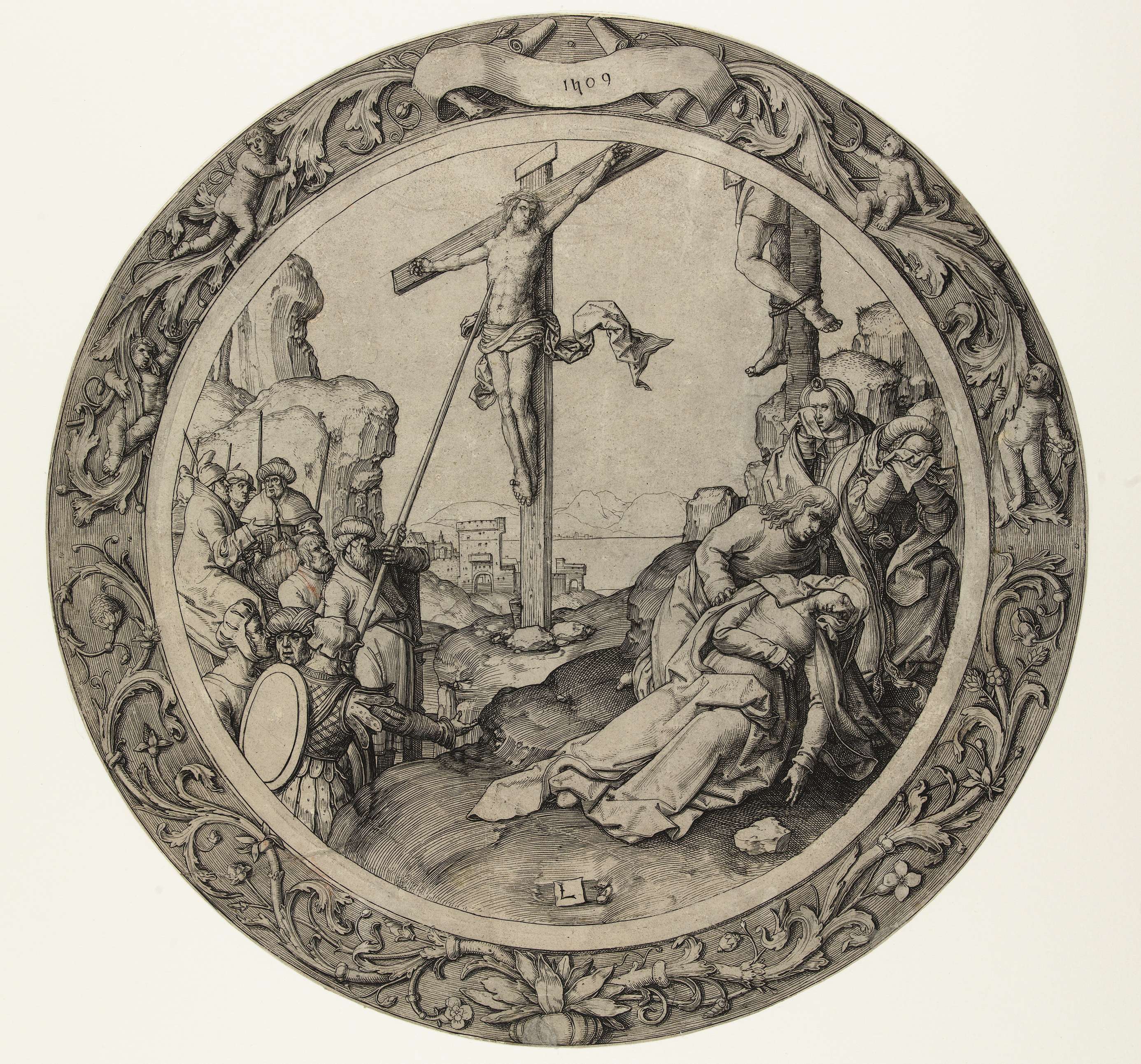
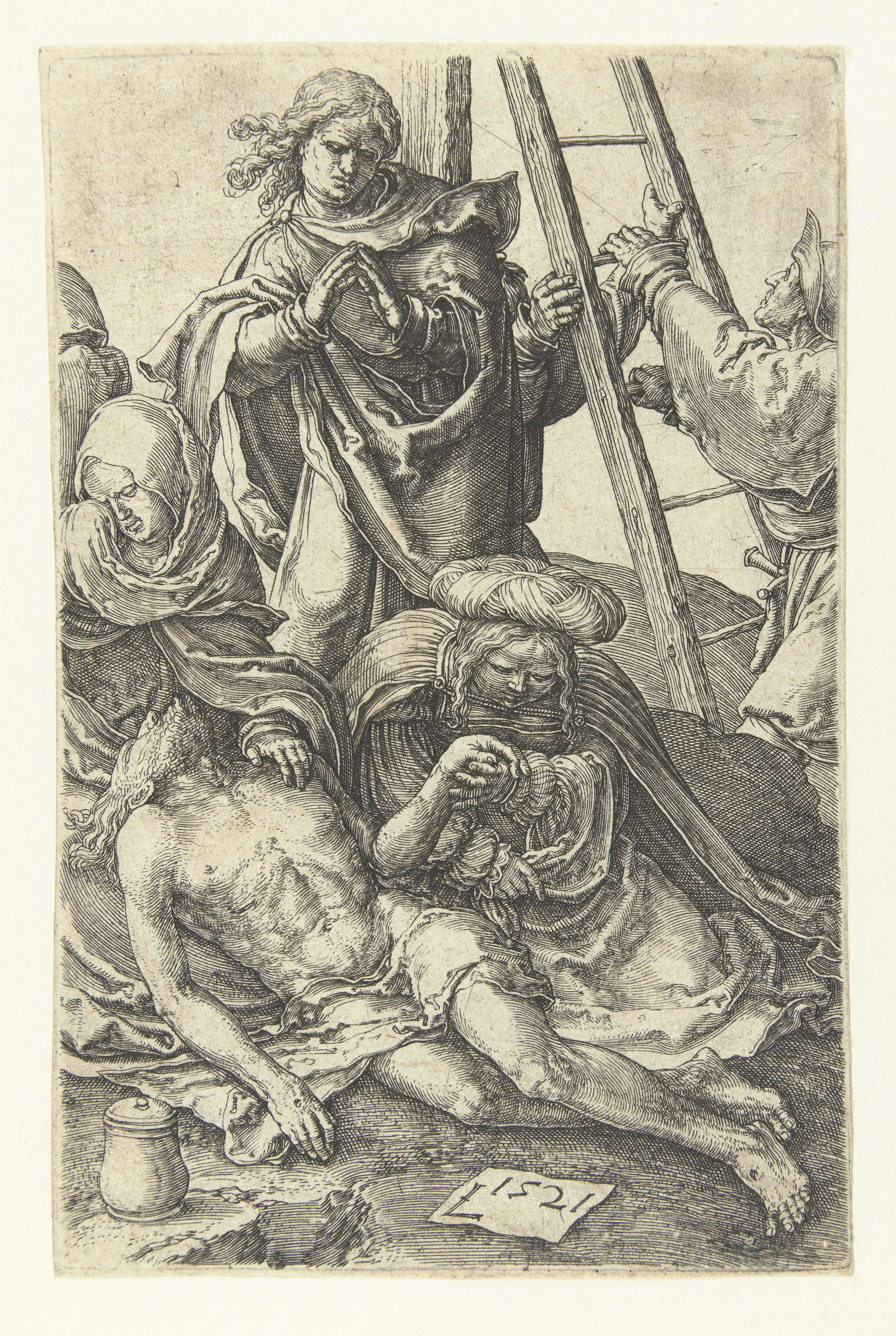
“Sometimes beauty is just pain, disguised in gold.” This poignant reflection encapsulates the quiet intensity of life’s fragility, a theme masterfully explored in the artwork before us. Look to the center of the canvas where the figure of Christ lies, tenderly cradled by his mourners. The meticulous detailing of the drapery evokes a soft interplay between light and shadow, drawing the eye to the delicate contours of their expressions. The rich, muted palette enhances the somber atmosphere, while the golden highlights on the garments suggest a reverence that elevates the scene beyond mere sorrow. Notice the interplay of emotions within the faces surrounding Christ; each one offers a distinct portrayal of grief, love, and despair. The contrast between the serene, almost ethereal beauty of the figures and the poignant subject matter reveals a profound tension — a reminder that serenity can coexist with suffering. This juxtaposition invites viewers to contemplate the spiritual and emotional weight of loss, as well as the quiet moments of connection that arise in times of grief. In 1521, Lucas van Leyden was at the height of his career, a prominent figure in the Northern Renaissance. He painted *De kruisafname* amidst a flourishing art scene, marked by an increasing interest in human emotion and naturalism. This period of his life was shaped by a desire to blend deep spiritual themes with meticulous craftsmanship, reflecting both personal and societal shifts during this transformative era in art history.