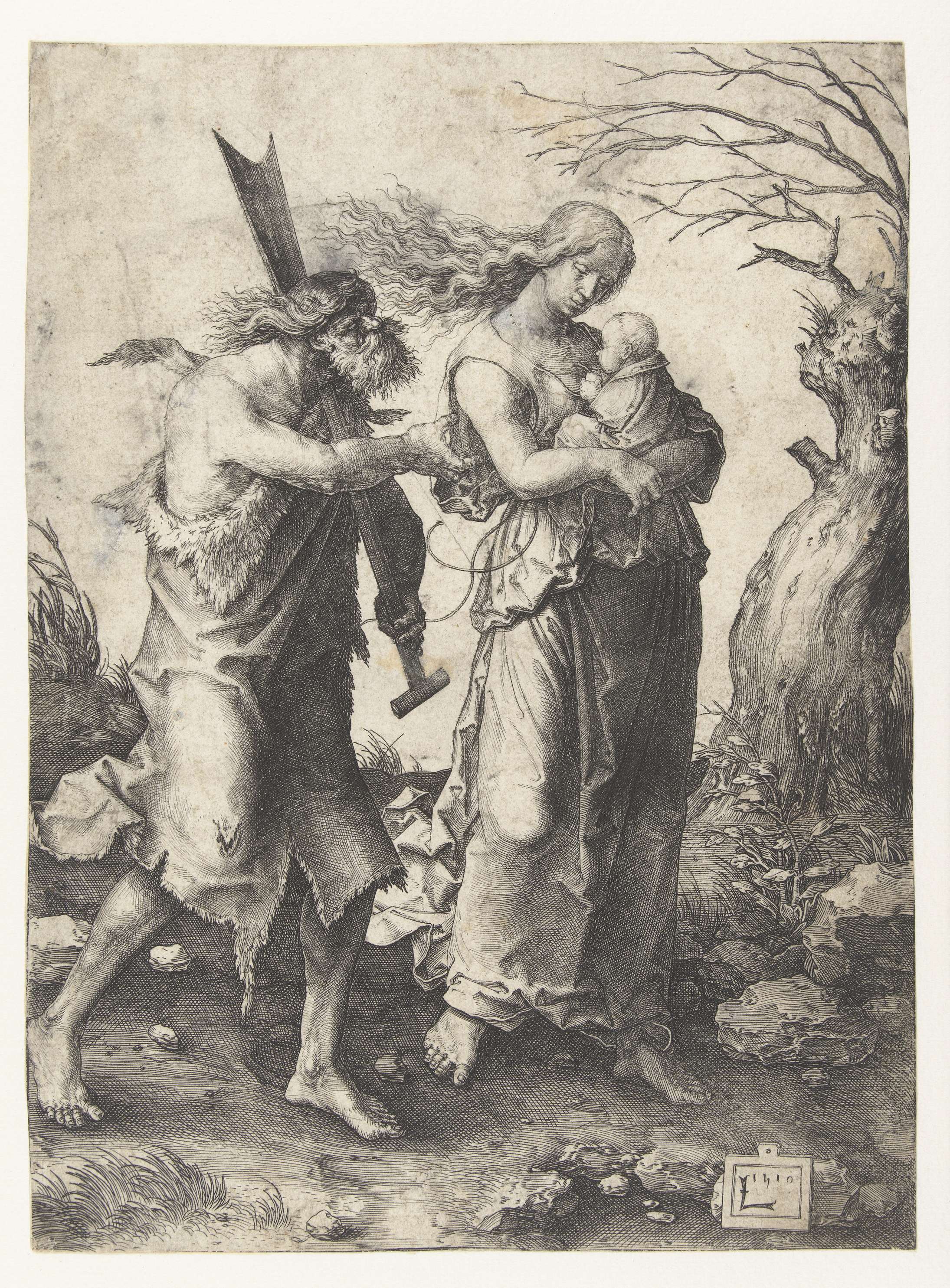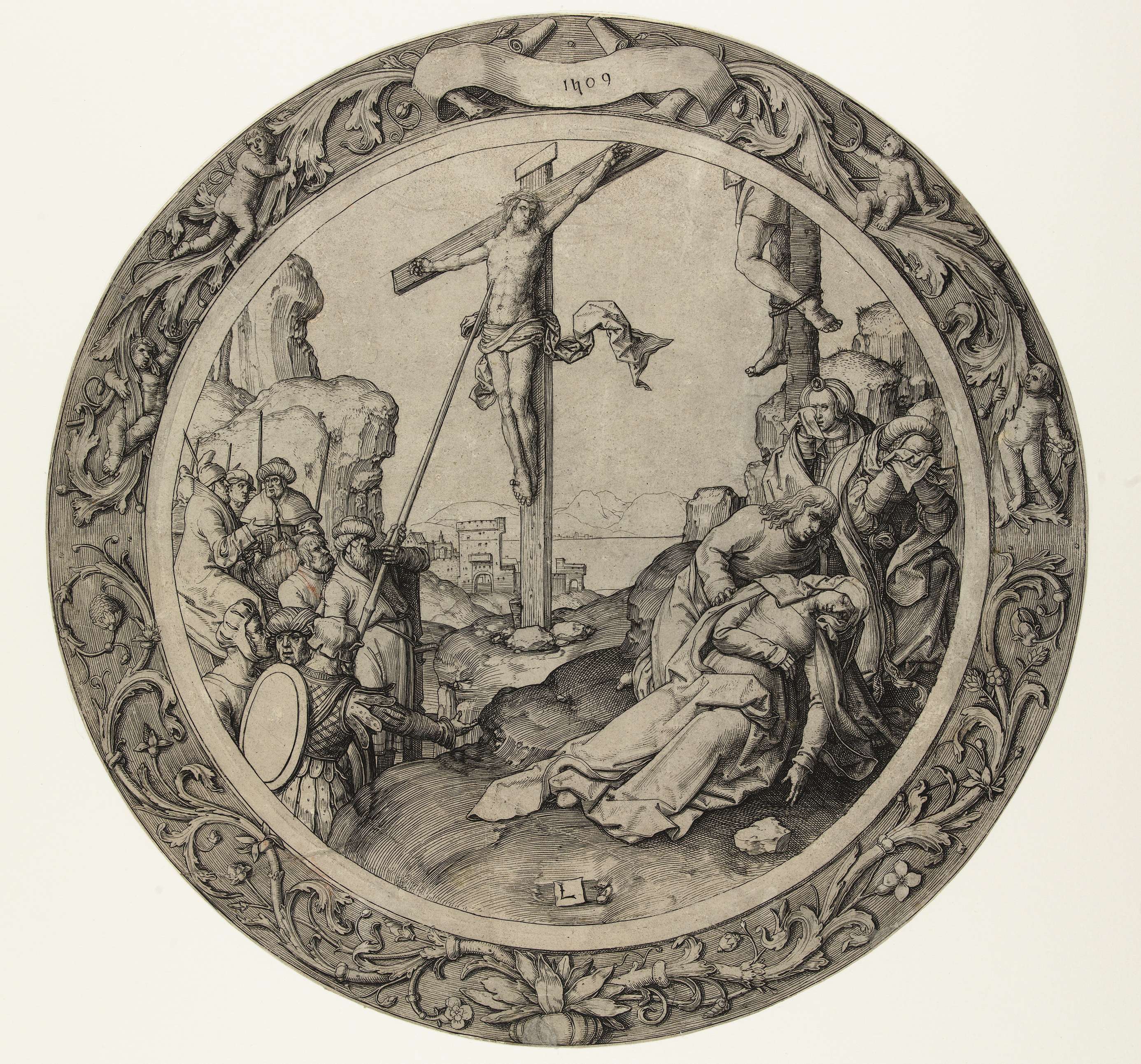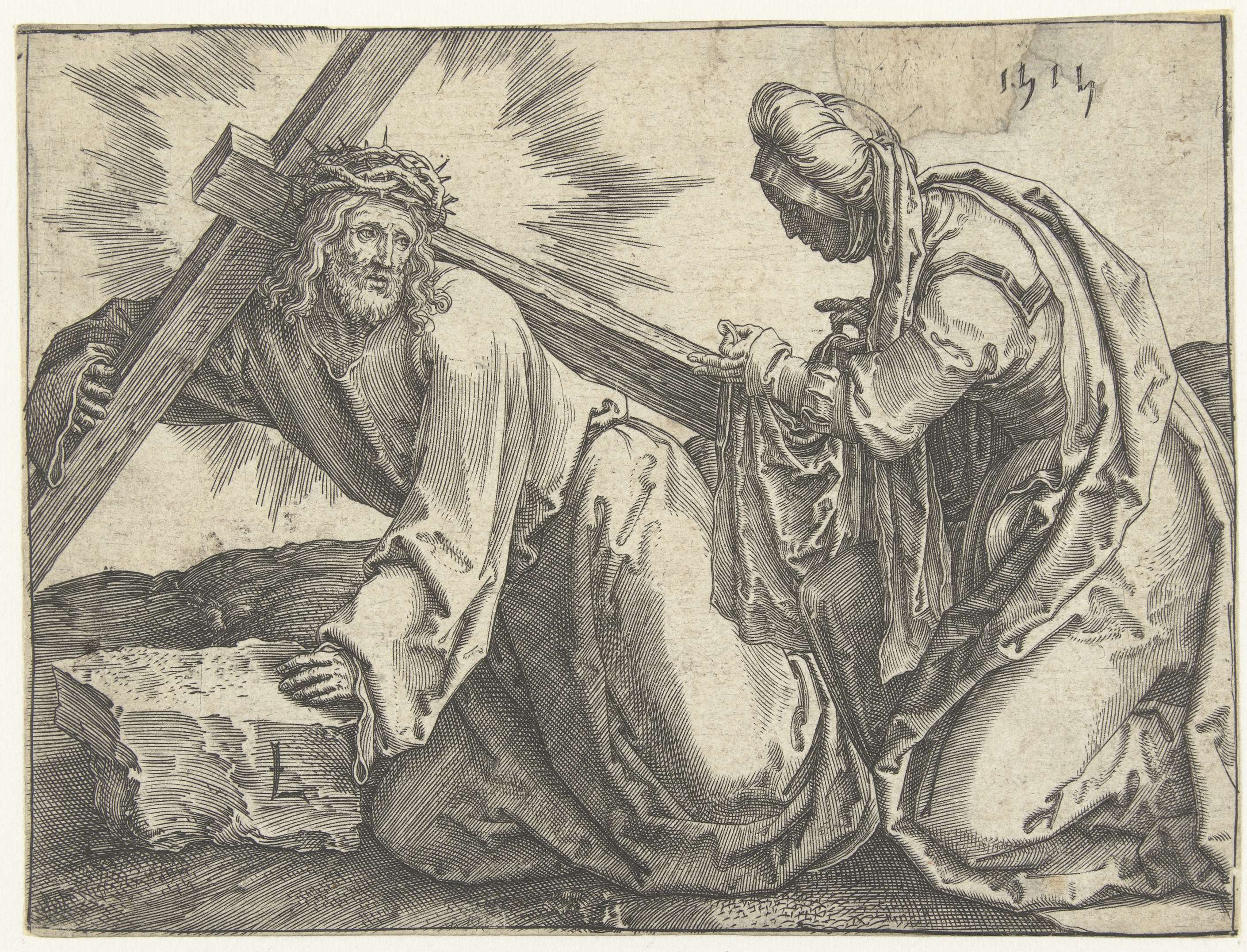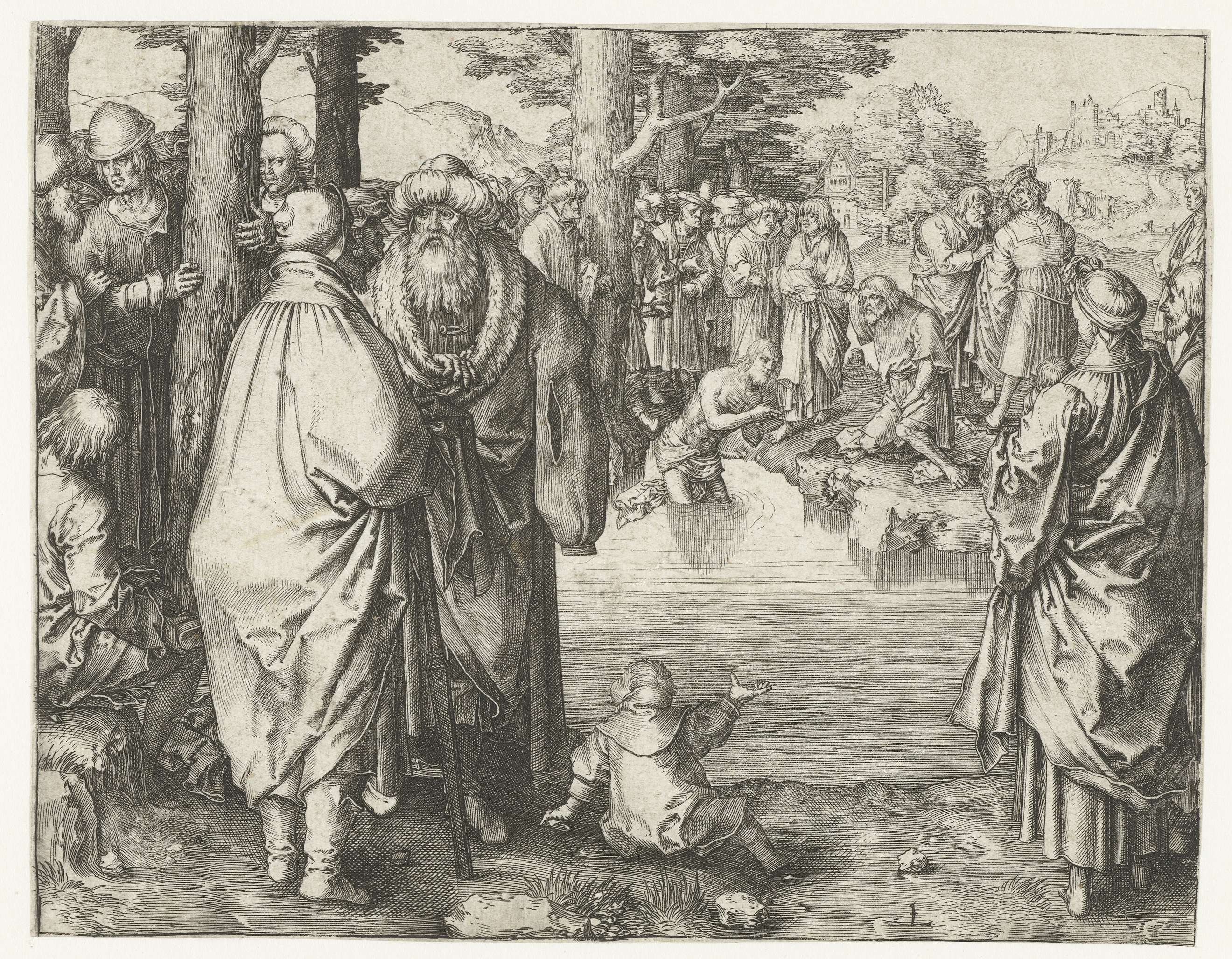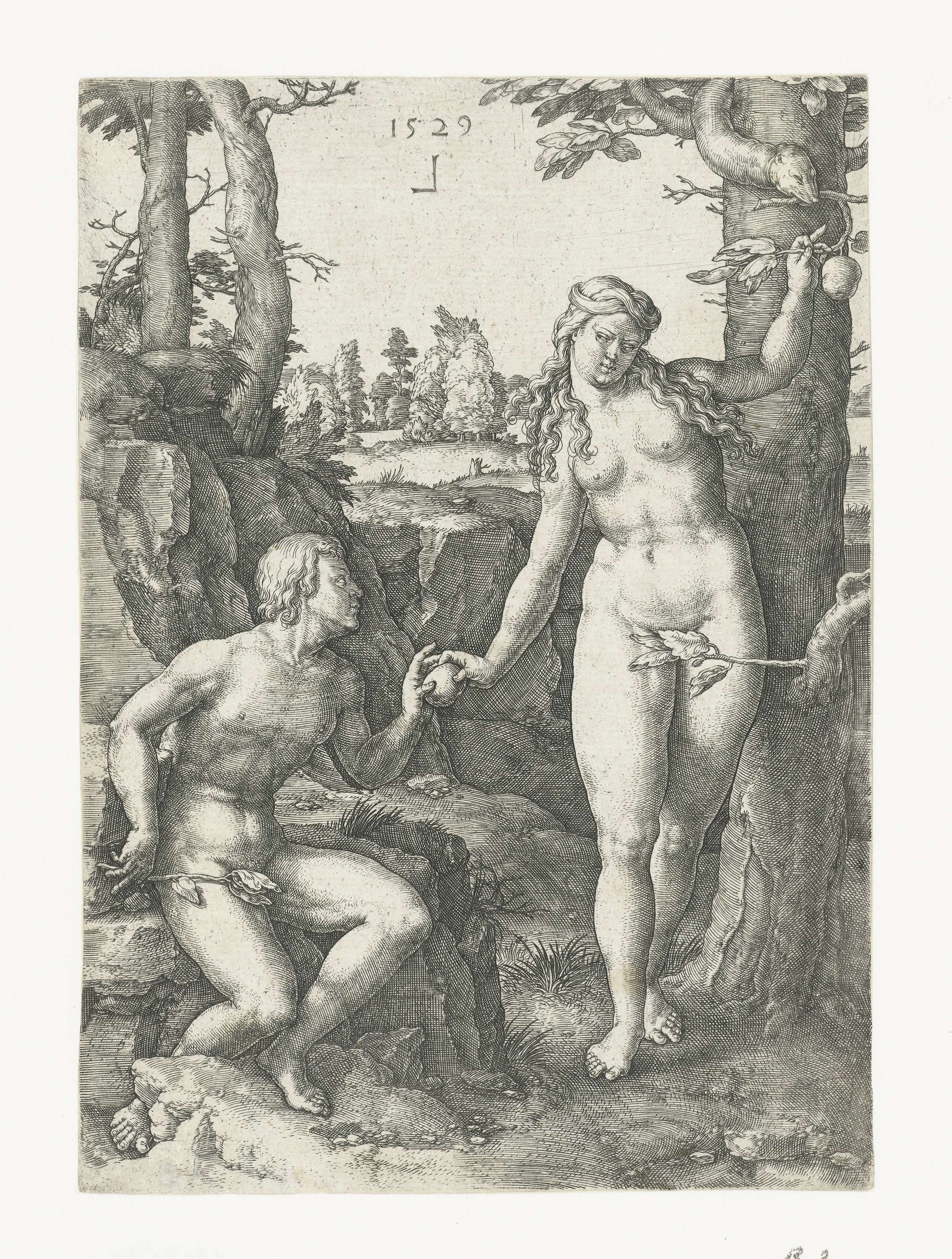
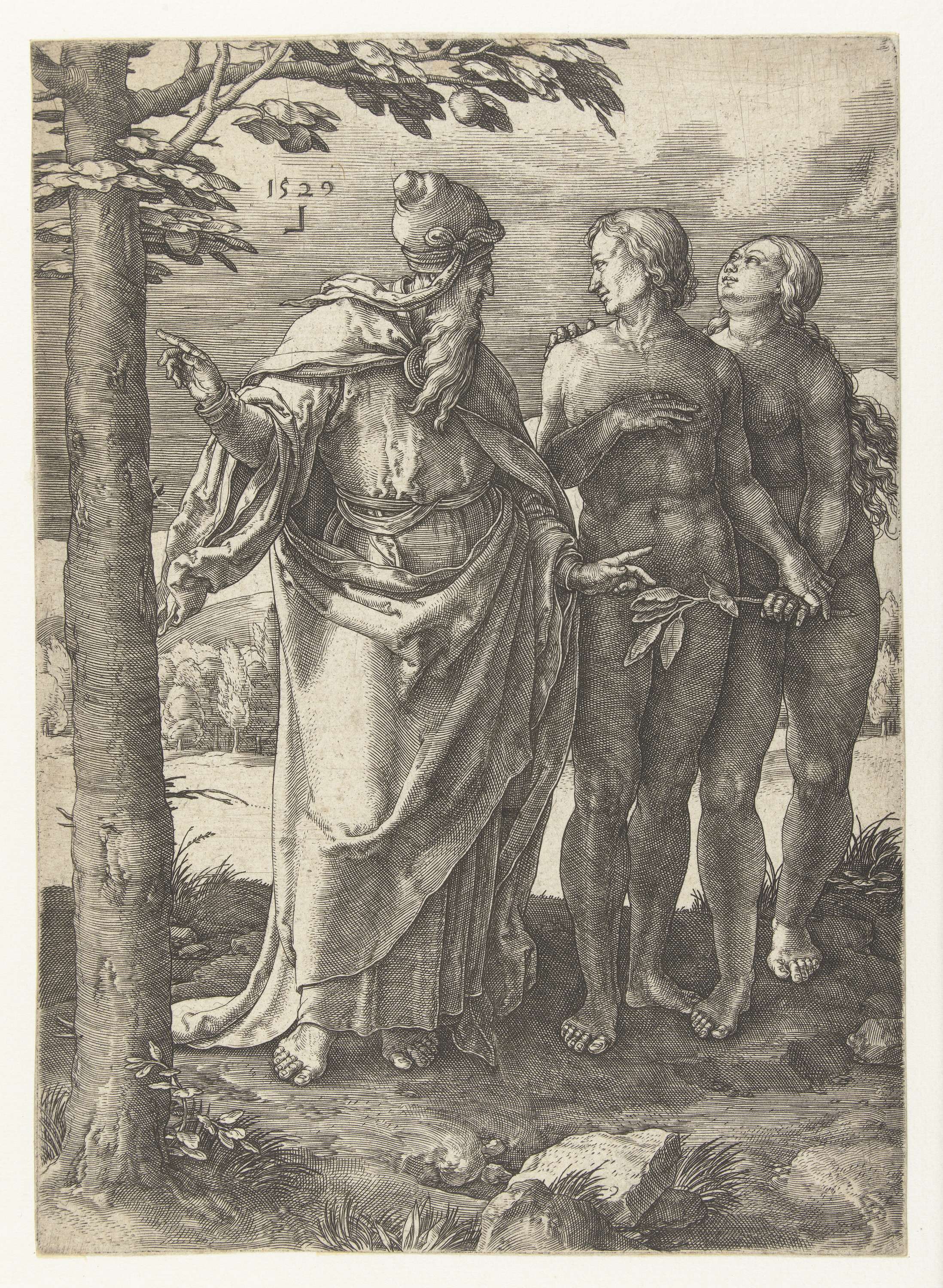
Could beauty survive in a century of chaos? In the intricate layers of *De zondeval*, we are drawn into a world where betrayal weaves itself into the fabric of human experience, revealing the fragility of innocence amid temptation. Look closely at the left side of the composition, where a radiant figure of Eve emerges from the shadows, her form awash in luminous flesh tones that contrast sharply with the dark, gnarled tree. The serpent coils around its branches, its sinuous body blending seamlessly into the natural chaos. The careful rendering of light highlights the tension between Eve's beauty and the ominous presence of the forbidden fruit, drawing the viewer's gaze toward the moment of impending decision—a precarious balance that speaks volumes about choice and consequence. Beneath the surface lies a rich tapestry of emotions. The lush colors evoke a sense of desire, yet also foreboding, as Eve's outstretched hand hovers above her fate. Notice the haunting gaze of Adam, who seems oblivious to the peril just within reach; his vulnerability starkly contrasts with Eve’s allure and the predatory serpent. This interplay highlights themes of trust and betrayal, suggesting that beauty can be both a blessing and a curse. Lucas van Leyden painted *De zondeval* in 1529 during a time of profound transition within the art world, as Northern Renaissance artists began to fuse intricate detail with emotional depth. Working in his native Leiden, Lucas was influenced by the upheaval of Reformation ideas, reflecting the anxieties of an era grappling with moral dilemmas and human frailty. In this masterpiece, he captures the essence of a timeless struggle, inviting viewers to ponder the delicate balance between innocence and the seduction of sin.