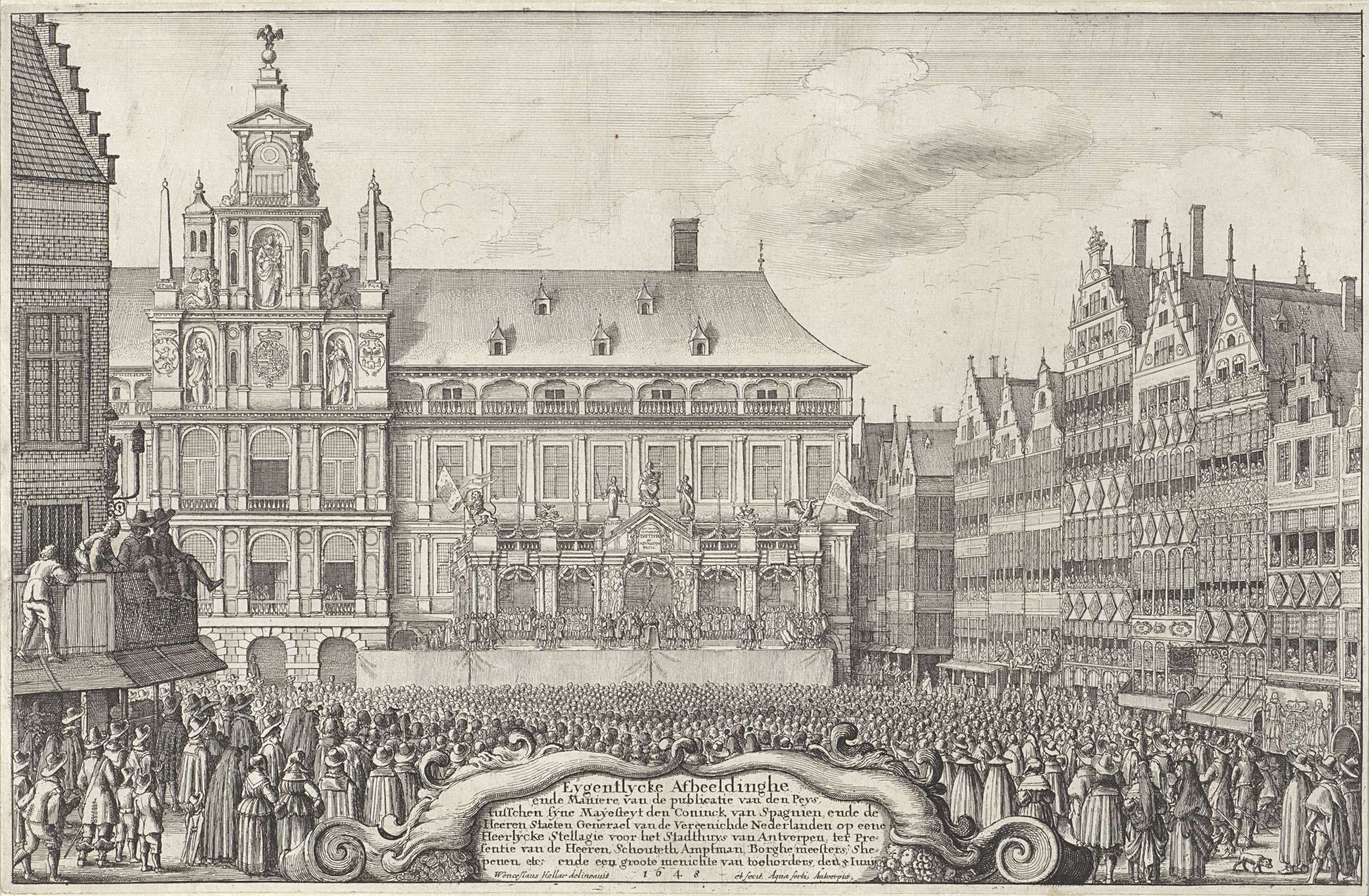
What if beauty was never meant to be finished? In the delicate lines and soft strokes of this remarkable piece, the fleeting nature of peace and truth unfolds before our eyes. Look closely at the central figures, where two diplomats shake hands, the tension between them almost palpable. Notice how the artist captures the intricacies of their attire, the rich textures of fabric flowing into one another as if merging hopes for a brighter future. Around them, the subtle shades of the cityscape breathe life into this moment—an intricate backdrop of architecture and nature, harmonizing the celebration of a historic event. The light dances across the paper, illuminating the hopeful gestures and expressions of those gathered, emphasizing the fragile yet profound nature of this agreement. In the details, the viewer discerns contrasts between light and shadow—symbolizing the turmoil that precedes peace. The crowd's varied expressions reflect a spectrum of emotions, from joy to apprehension, as they witness this pivotal moment. Each face tells a story, anchoring the historical significance of the peace treaty in the hearts of the onlookers. The composition itself, with its balanced arrangement, invites contemplation on the themes of unity and reconciliation amidst the lingering scars of conflict. Wenceslaus Hollar created this evocative work in 1648, during a time of profound change in Europe following the Thirty Years' War. Living in Antwerp, he witnessed the turbulent societal shifts and artistic evolution of the era. The peace treaty depicted here marked a significant turning point in European history, a moment that Hollar captured with both precision and emotional depth, intertwining truth and beauty on a single canvas.