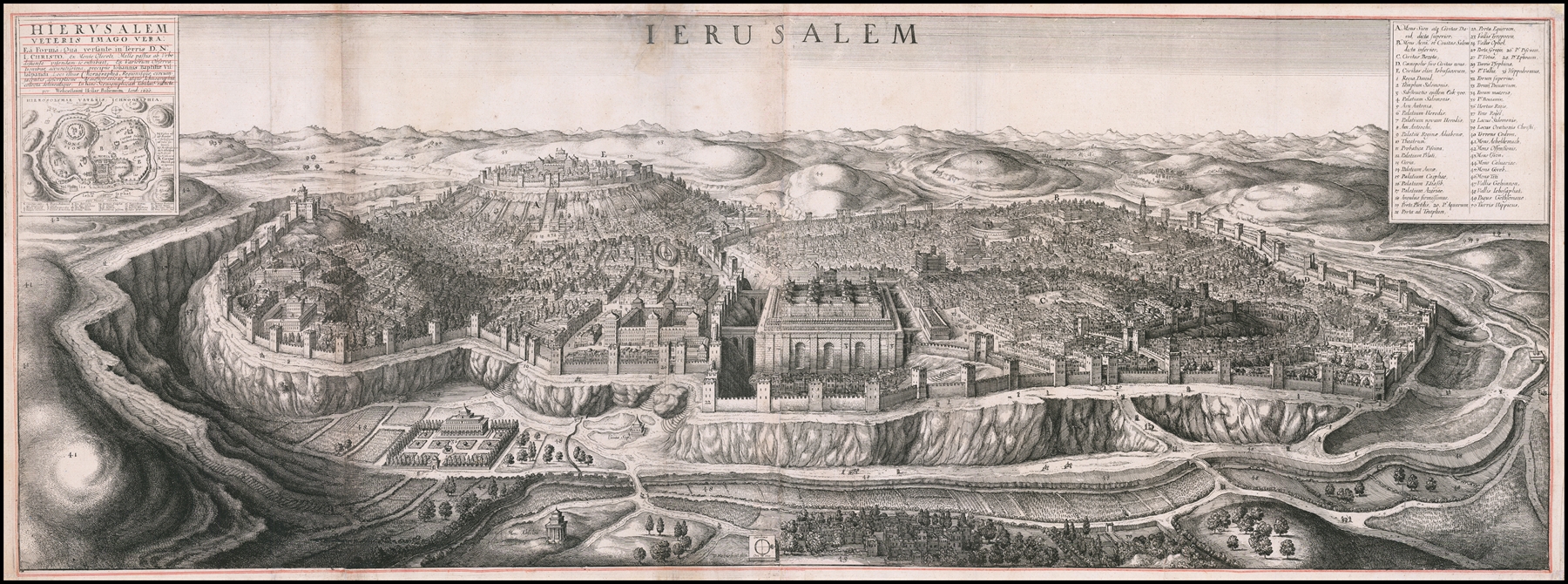
“Every brushstroke is a heartbeat remembered.” In a world where memory still carries the weight of the past, how do we capture the essence of places that shaped us? Look to the center of the work, where the iconic silhouette of Jerusalem rises against the muted palette, a tapestry of ochres and soft blues. Notice how the artist meticulously maps out the layered topography, each stroke a testament to the city’s historical complexity. The subtle gradients of color suggest the shifting sands of time, while the delicate lines impart a sense of both order and chaos, inviting the viewer to explore the intricacies of the urban landscape. Hidden within the composition are echoes of longing and nostalgia. The winding streets seem to whisper stories of ancient pilgrims and modern wanderers alike. The contrasting hues of light and shadow reveal not only the physical structures but also the emotional weight carried by each stone, a tribute to the city’s tangled history. As you gaze deeper, you might sense the wistfulness of a traveler reflecting on the passage of time, feeling both connected and distant from the vibrant life within its walls. Created in 1660, this work emerged during a period when Wenceslaus Hollar was residing in London, having fled his native Prague due to the Thirty Years' War. At this point in his life, the artist was grappling with themes of displacement and belonging, using his art as a means of reconnecting with the places he once knew. In this rendering of Jerusalem, Hollar not only captures a city but encapsulates the profound feelings that arise from memory and longing.