After the Fight — History & Analysis
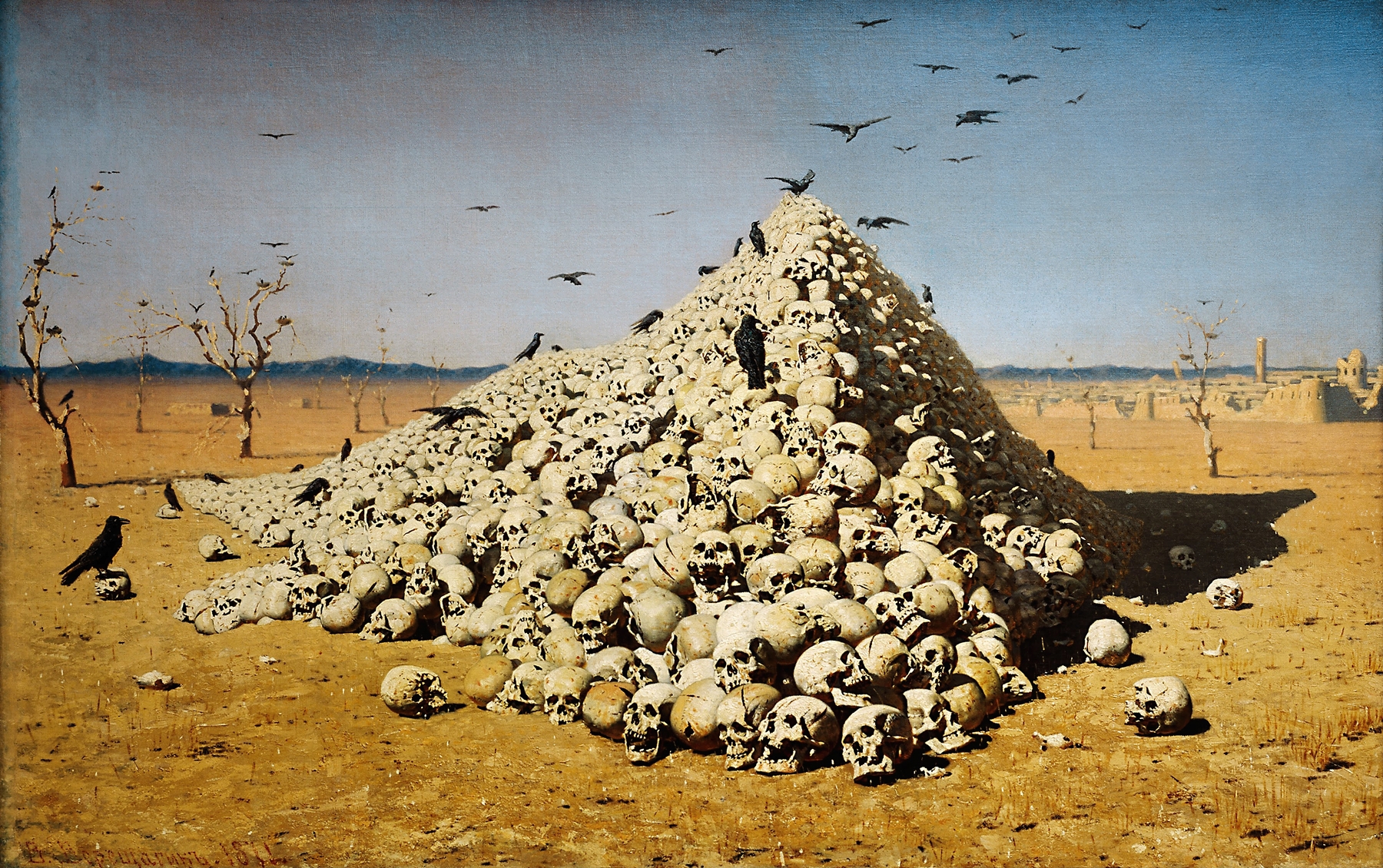
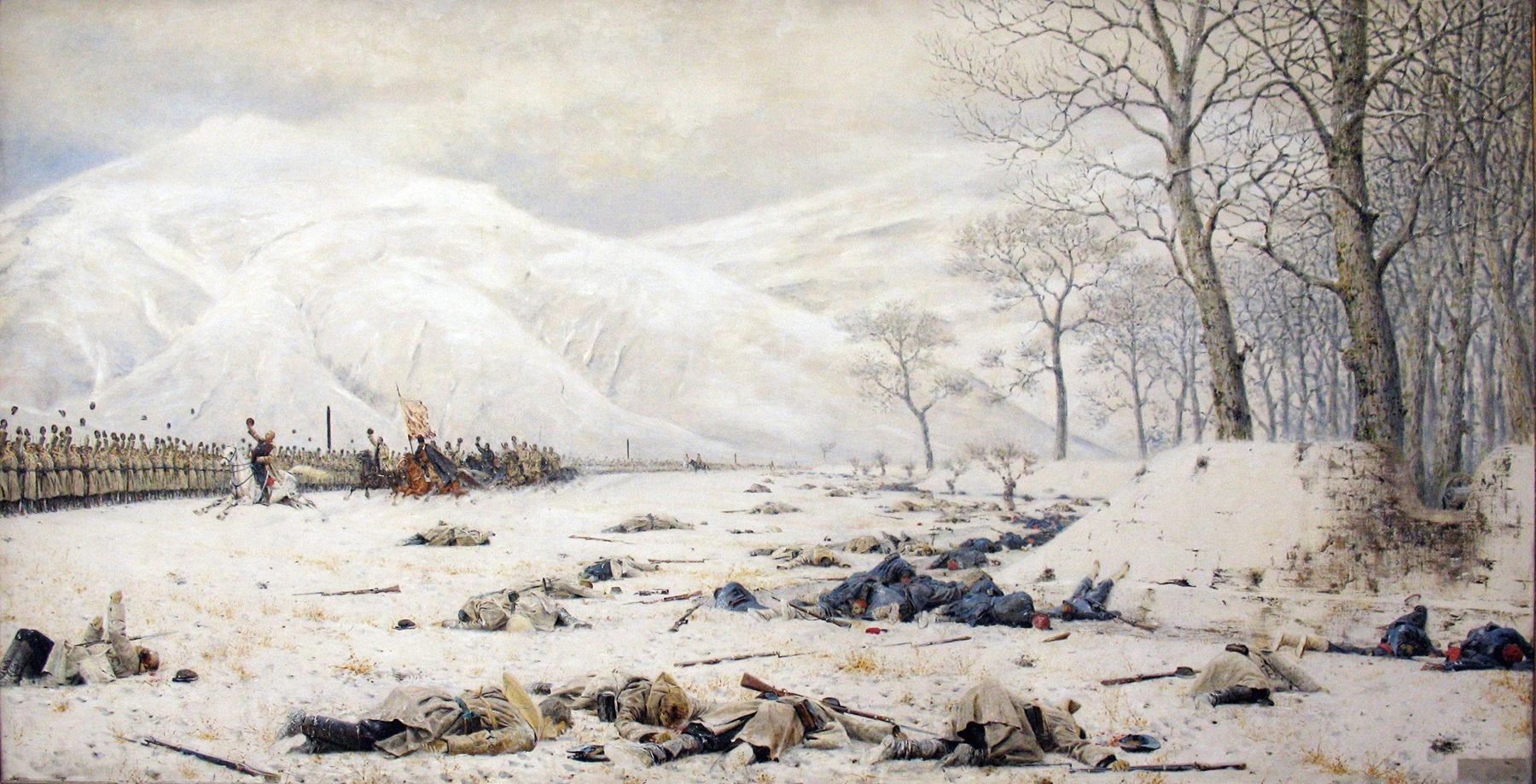
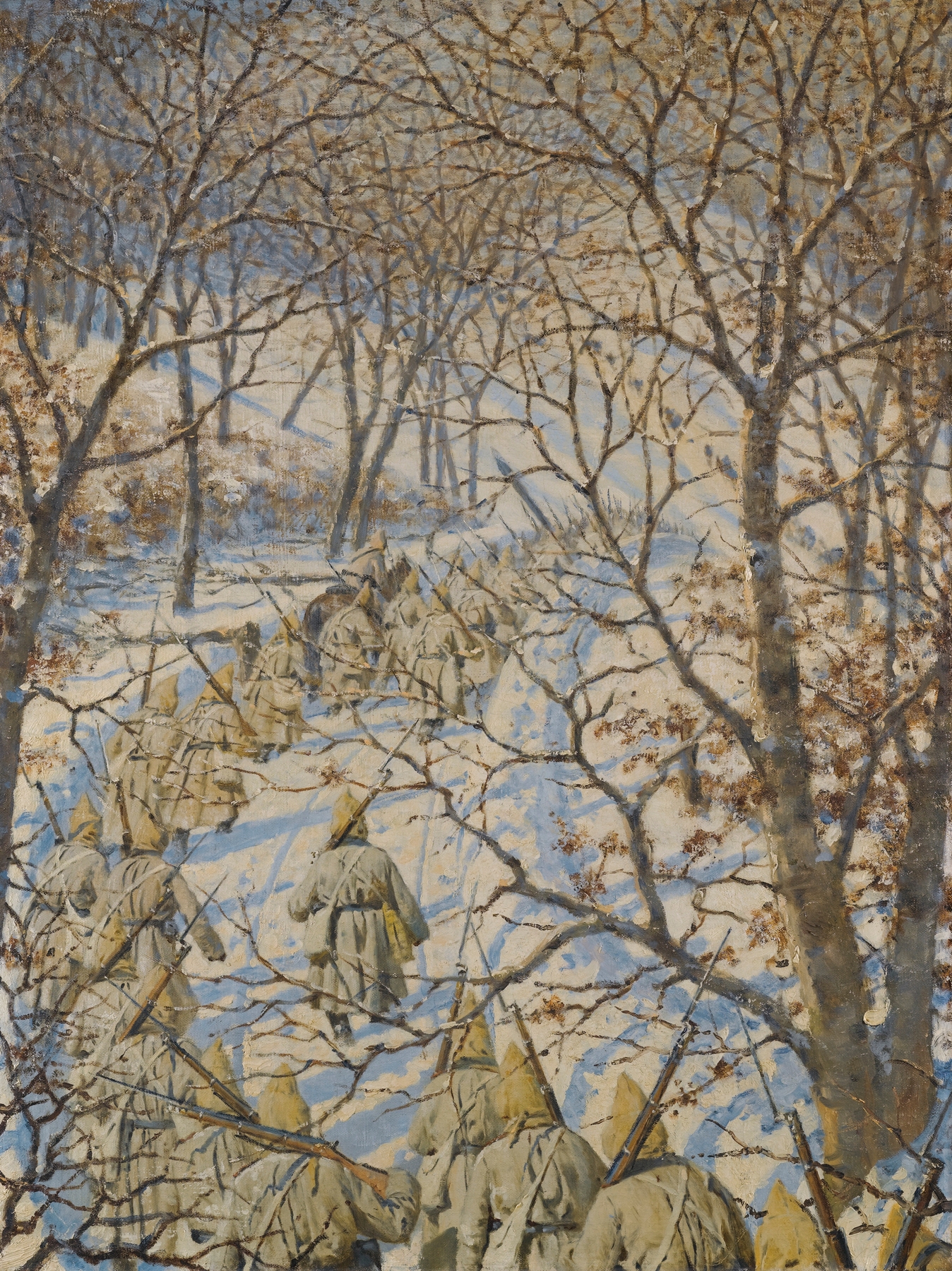
“Every silence here is a confession.” In the stillness of a battlefield, the remnants of a conflict linger, echoing the haunting weight of obsession. The absence of movement transforms the scene into a poignant reflection on the scars left by war, both seen and unseen. Look to the right at the weary soldiers, their expressions etched with unspoken thoughts, the shadows deepening under their furrowed brows. Notice how the muted palette of earth tones envelops them, blending with the desolation around, while a solitary figure stands apart, highlighting a stark contrast.
Each brushstroke captures the tension of their shared trauma, revealing the emotional landscape molded by loss and survival. The foreground offers a glimpse into a shared humanity, where every detail—the frayed uniforms, the discarded weaponry—speaks to the obsessive nature of conflict. The composition draws one’s eye toward the horizon, suggesting both an end and a continuation of struggle, as if the landscape itself is caught in a restless cycle. This interplay between presence and absence challenges the viewer to confront the psychological aftermath of violence, urging a contemplative engagement with the cost of obsession in warfare.
Created between 1920 and 1930, After the Fight reflects Vasily Vereshchagin's deep immersion in the realities of war. Having witnessed the brutality firsthand, he sought to convey not just the physical devastation but also the emotional toll on those involved. At this time, the world was grappling with the remnants of the First World War and the burgeoning tensions leading to the Second, making the artist’s work profoundly relevant and urgent in the context of his era.