Allegorie met Waarheid, Kennis, Haat en Vrees — History & Analysis
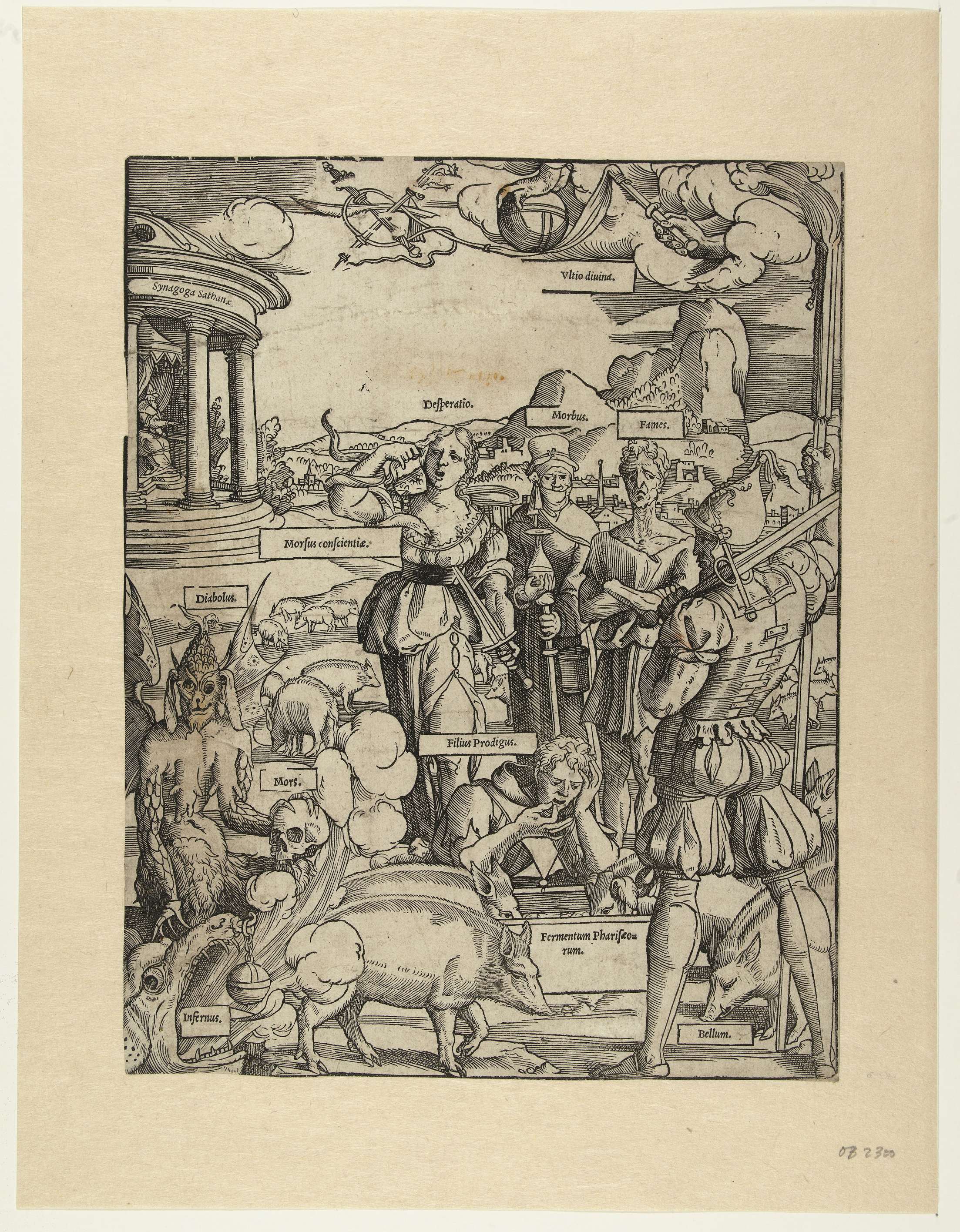
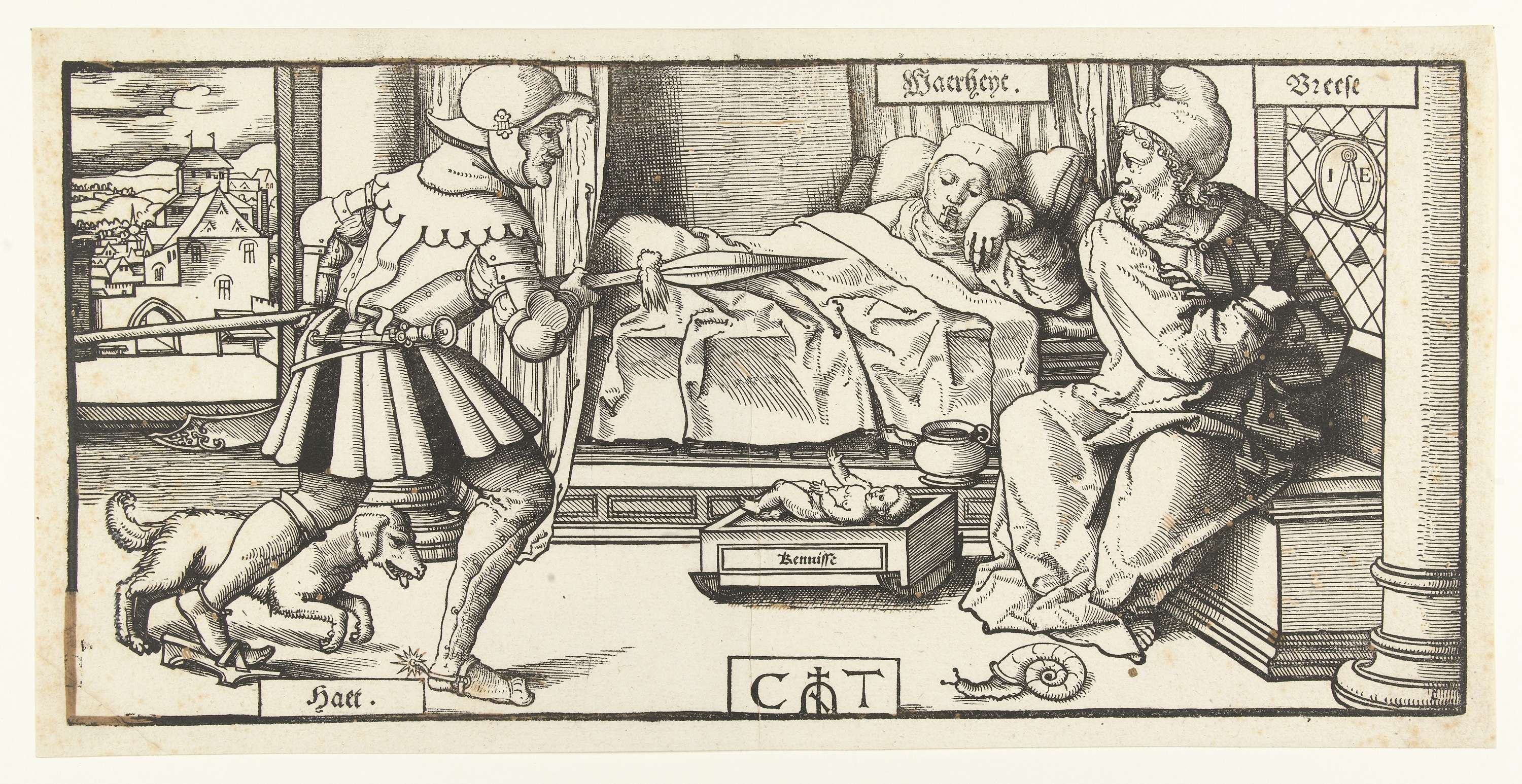
“Under the brush, chaos becomes grace.” In Allegorie met Waarheid, Kennis, Haat en Vrees, the tumult of human emotions is distilled into serene harmony, inviting us to explore the balance of our own inner turmoil. Look to the center of the canvas, where figures emerge from a kaleidoscope of color and form. The vibrant play of reds and blues creates a stark backdrop, allowing the delicate details of each character to shine through. Notice how the light catches the flowing drapery of the figures, illuminating their expressions and gestures, which convey a spectrum of emotions that stretch from knowledge to fear. This interplay between shadow and brightness underlines the central theme of the painting: the coexistence of contrasting feelings.
Delve deeper into the relational dynamics among the figures. The tension between the serene figure of Knowledge and the shadowy presence of Fear speaks volumes about the struggle for understanding in the face of uncertainty. Haat, depicted with sharp angularity, contrasts sharply with the soft curves of Kennis, emphasizing the friction between wisdom and emotional chaos. This delicate balance suggests that truth and serenity can only be found through the acceptance of our fears and hatreds, promoting a profound understanding of the human condition.
Cornelis Anthonisz. painted this allegorical work during a time of significant transformation in the early 16th century, when the Renaissance was influencing art and thought across Europe. Living in Amsterdam, he positioned himself amidst the burgeoning humanist movement, focusing on themes that reflect the complexity of human experience. The blend of moral and philosophical inquiry in this piece showcases Anthonisz.’s engagement with contemporary dialogues, marking a pivotal moment in his artistic journey.